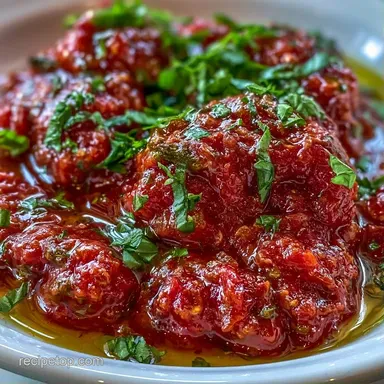
Summer Marinara: Bright and Velvety
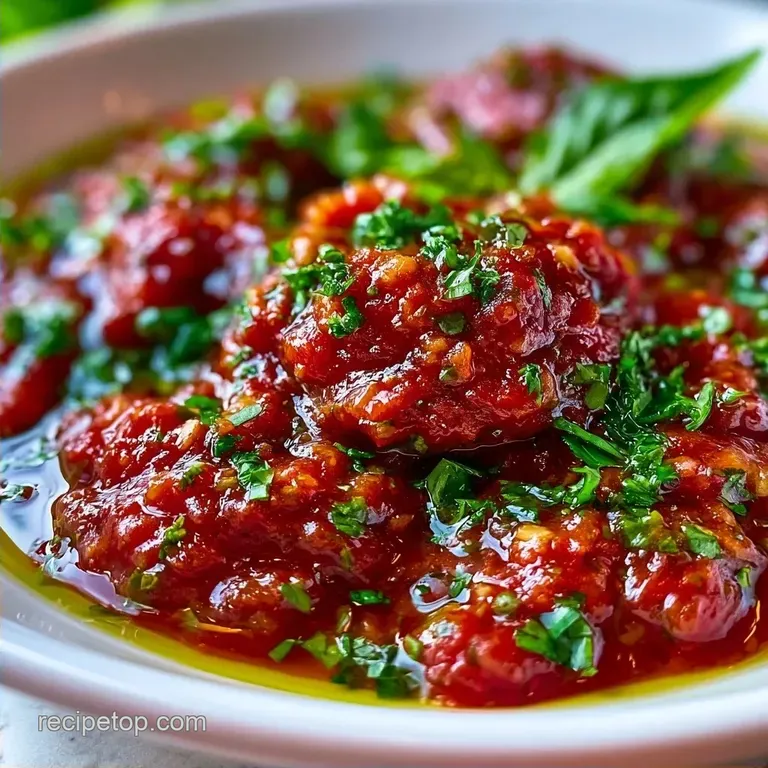
- Time: 10 min active + 20 min cook = Total 30 mins
- Flavor/Texture Hook: Velvety texture with a bright, citrusy finish
- Perfect for: Quick weeknight dinners and fresh garden harvests
- The Real Summer Marinara
- The Problem With Most Sauces
- The Essential Component List
- Tools You Actually Need
- The Step-by-Step Process
- Fixing Common Sauce Mistakes
- Easy Ways to Mix It
- Adjusting the Batch Size
- Common Sauce Misconceptions
- Saving Your Extra Sauce
- Pro Plating and Serving
- Recipe FAQs
- 📝 Recipe Card
The Real Summer Marinara
That first sizzle of garlic hitting hot olive oil on a humid Tuesday afternoon is a sound I can practically smell. There's something about the way the kitchen fills with that pungent, warm aroma that just signals "summer" more than any beach trip ever could.
I remember one August where I tried to be too fancy and simmered my sauce for four hours, thinking more time equaled more flavor. I ended up with a thick, dark paste that tasted like winter, completely losing that electric, fresh energy that makes a seasonal sauce special.
The trick is to trust the produce. When you have ripe, juicy tomatoes, you don't need to beat them into submission with a long cook time. This Summer Marinara is all about the "flash simmer" - just enough time to break down the walls of the tomato so they release their juices and meld with the aromatics, but not so long that the brightness vanishes.
It's an efficient, family friendly approach that gets dinner on the table in 30 minutes without sacrificing an ounce of flavor.
You can expect a sauce that feels light but has enough body to cling to your favorite pasta. It isn't heavy or cloying, and the hit of lemon at the end acts like a spotlight, making the basil and garlic sing. Trust me, once you stop relying on the jarred stuff during July and August, you'll never go back.
The Problem With Most Sauces
Most recipes treat fresh tomatoes like they're just a substitute for canned ones, which is where they go wrong. They tell you to peel and seed everything, or simmer it until it's a thick sludge. When you're making a light summer marinara recipe, that's overkill.
The seeds actually hold a lot of the flavor and a bit of pectin that helps the sauce thicken naturally without needing hours on the stove.
- Freshness Lock
- Short cook times prevent the volatile compounds in fresh basil and garlic from evaporating, keeping the flavor bright.
- Acid Balance
- Using lemon juice instead of sugar balances the natural acidity of the tomatoes without masking their raw, fruity profile.
- Oil Emulsion
- The fat from the olive oil binds with the tomato water, creating a velvety mouthfeel rather than a watery one.
| Method | Time | Texture | Best For |
|---|---|---|---|
| Fast Simmer | 20 mins | Velvety & Bright | Fresh Garden Tomatoes |
| Classic Slow | 3 hours | Thick & Concentrated | Canned Whole Tomatoes |
| Raw Blend | 5 mins | Chunky & Sharp | Bruschetta/Toppings |
Right then, we need to look at what's actually happening in the pan. The goal isn't to create a heavy gravy, but a fresh, vibrant coating for your noodles. This means we're focusing on the interaction between the fat and the fresh fruit.
The Essential Component List
Component Analysis
| Ingredient | Science Role | Pro Secret |
|---|---|---|
| Roma Tomatoes | Base Structure | Use room temp tomatoes for faster breakdown |
| Garlic | Aromatic Depth | Slice thinly to prevent burning and add sweetness |
| Olive Oil | Flavor Carrier | Use a high-quality EVOO for a peppery finish |
| Fresh Basil | Top Note | Add only at the end to prevent bitterness |
Ingredients & Substitutes
- 2 lbs ripe Roma or San Marzano tomatoes, diced Why this? Lower water content means a thicker sauce faster (Sub: Beefsteak tomatoes - Note: adds more water, simmer 5 mins longer)
- 4 cloves garlic, thinly sliced Why this? Slices provide a milder, buttery flavor than minced (Sub: Garlic powder - Note: use 1 tsp, but loses the fresh aromatic punch)
- 1 small yellow onion, finely diced Why this? Adds a subtle sweetness to balance the acid (Sub: Shallots - Note: more refined, slightly sweeter taste)
- 1 cup fresh basil leaves, torn Why this? Tearing releases oils better than chopping (Sub: Fresh parsley - Note: less sweet, more "green" flavor)
- 1/4 cup extra virgin olive oil Why this? High smoke point for sautéing and rich finish (Sub: Avocado oil - Note: neutral flavor, loses the fruity olive notes)
- 1 tsp sea salt Why this? Coarse grains draw out tomato moisture faster (Sub: Kosher salt - Note: nearly identical result)
- 1/2 tsp cracked black pepper Why this? Adds a subtle heat to cut through the fat (Sub: White pepper - Note: milder, more integrated heat)
- 1 tsp dried oregano Why this? Provides a woody, earthy baseline (Sub: Dried thyme - Note: more floral, less "pizza" flavor)
- 1 tbsp fresh lemon juice Why this? Brightens the entire flavor profile (Sub: Red wine vinegar - Note: more pungent, less citrusy)
Tools You Actually Need
Honestly, don't even bother with fancy food processors or immersion blenders for this. The beauty of a Summer Marinara is the rustic, slightly chunky texture. All you really need is a large skillet or a wide saucepan.
The wider the pan, the more surface area the tomatoes have to release their water and reduce, which means your sauce gets that velvety consistency much faster.
I usually use a stainless steel skillet because it distributes heat evenly. If you're worried about the garlic sticking, just keep a close eye on the temperature. A wooden spoon or a silicone spatula is perfect for stirring without scratching your pan.
Keep it simple - the ingredients are doing the heavy lifting here, not the gadgets.
The step-by-step Process
- Heat the olive oil in a large skillet over medium heat. Note: Wait until the oil shimmers but doesn't smoke.
- Add the diced onion and sauté for 5 mins until translucent and soft.
- Add the sliced garlic and cook for 60 seconds until fragrant and pale gold. Note: Do not let the garlic brown or it will taste bitter.
- Stir in the diced tomatoes, sea salt, pepper, and dried oregano.
- Increase heat to medium high and simmer for 15–20 minutes, stirring occasionally, until the tomatoes break down and the sauce becomes velvety.
- Remove the pan from the heat immediately.
- Stir in the torn basil and lemon juice. Note: The residual heat is enough to wilt the basil without cooking the flavor out.
- Taste and add an extra pinch of salt if the tomatoes are particularly sweet.
Chef's Tip: If you want a deeper flavor, try adding a tiny pinch of red pepper flakes with the garlic. It doesn't make it "spicy," but it creates a warmth that makes the Summer Marinara feel more complete.
Fixing Common Sauce Mistakes
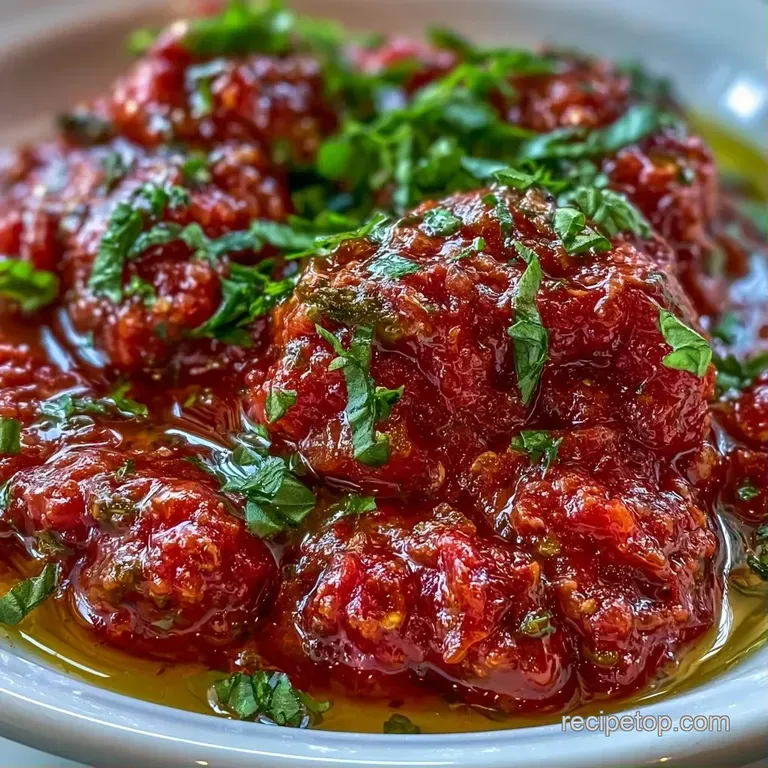
Why Your Sauce is Too Watery
This usually happens if the tomatoes were too ripe or if the pan wasn't wide enough. If the sauce looks like soup after 20 minutes, don't panic. Just keep the heat on medium high and stir frequently for another 5 minutes. According to Serious Eats, the type of tomato matters immensely here; Romas are naturally fleshier, which helps avoid this issue.
Garlic Tastes Acrid
If your garlic turned dark brown or black, it has burnt. This creates a bitter, acrid taste that can ruin the whole batch of Summer Marinara. The only real fix is to start the aromatic base over, as you can't "un burn" garlic.
Next time, keep the heat at a true medium and add the tomatoes the second the garlic smells fragrant.
The Flavor Feels Flat
If the sauce tastes "one dimensional," it's likely missing acidity. This is why the lemon juice is non negotiable. If you've already finished the sauce and it's flat, stir in a teaspoon of lemon juice or a tiny splash of balsamic vinegar. It wakes up the tomatoes and makes the basil pop.
| Problem | Root Cause | Solution |
|---|---|---|
| Separated Oil | Too much oil/low heat | Stir vigorously over high heat for 1 min |
| Bitter Aftertaste | Overcooked basil | Add basil only AFTER removing from heat |
| Too Acidic | Underripe tomatoes | Add a tiny pinch of sugar or butter |
Common Mistakes Checklist:
- ✓ Did you slice the garlic instead of mincing it to avoid burning?
- ✓ Did you wait until the pan was off the heat before adding basil?
- ✓ Are you using a wide pan to allow for efficient evaporation?
- ✓ Did you use the lemon juice to balance the final flavor?
Easy Ways to Mix It
If you're looking for something different, this sauce is incredibly versatile. For a heartier meal, try stirring in some sautéed zucchini or eggplant. If you have leftovers, this base works perfectly for a Tomato Basil Summer Pasta which is a great way to use up the last of the batch.
2 Flavor Twists: - Creamy Version: Stir in a tablespoon of mascarpone or heavy cream at the very end for a velvety, pink sauce. - Umami Boost: Add one finely diced anchovy fillet to the oil with the garlic; it melts away but leaves a salty, savory depth.
2 Diet Swaps: - Vegan: This recipe is naturally vegan, but you can swap the lemon juice for apple cider vinegar if preferred. - Low FODMAP: Omit the onion and garlic, and use garlic infused olive oil instead to get that classic flavor without the digestive distress.
Adjusting the Batch Size
When you're dealing with a huge garden harvest, you might need to scale this Summer Marinara up. If you're doubling or tripling the recipe, don't just multiply everything linearly. I recommend only increasing the salt and dried oregano by about 1.5x initially, then tasting and adjusting.
Liquids actually reduce more slowly in larger pots, so you might need to simmer for an extra 10 minutes to get the same thickness.
If you're making a small batch (half recipe), use a smaller skillet. If the pan is too big, the small amount of sauce will evaporate too quickly and might burn. You can find more tips on large scale production in my Summer Garden Tomato Sauce guide.
Scaling Decision Shortcut:
- If you want a thicker sauce → Use a wider pan and simmer for 5 extra mins.
- If you want a "chunkier" style → Dice tomatoes larger (1/2 inch cubes).
- If you're cooking for a crowd → Increase aromatics by 1.5x, not 2x.
Common Sauce Misconceptions
You'll often hear that you need to add a pinch of sugar to every tomato sauce to "cut the acidity." Honestly, with a fresh Summer Marinara, this is a myth. Fresh summer tomatoes have a natural sweetness that is masked when you add refined sugar.
The lemon juice provides the balance you need without altering the pure fruit flavor.
Another common myth is that you must peel the tomatoes to get a "professional" texture. For a home cooked, weeknight meal, the skins are barely noticeable once they've simmered for 20 minutes.
They actually add a bit of rustic character and keep you from spending 30 minutes blanching and peeling skins in the sink.
Saving Your Extra Sauce
This sauce keeps remarkably well in the fridge for about 4 to 5 days. Store it in an airtight glass jar to keep the flavors from absorbing other fridge smells. When reheating, do it slowly over medium low heat on the stove.
Avoid the microwave if you can, as it can make the sauce "split" and leave you with oily patches.
For long term storage, this freezes beautifully for up to 3 months. Just leave an inch of headspace in your container to allow for expansion. According to USDA FoodData, fresh herbs like basil can oxidize and lose their vibrant color when frozen, so I suggest stirring in a fresh handful of basil after you've thawed and reheated the sauce.
Zero Waste Tips: - Tomato Skins: If you do peel your tomatoes, don't toss the skins. Dry them in a low oven and grind them into a powder for a natural tomato seasoning. - Onion Ends: Save your onion scraps and garlic ends in a freezer bag.
Once the bag is full, simmer them with water to make a quick vegetable stock.
Pro Plating and Serving
To get that restaurant style finish, don't just plop the sauce on top of the pasta. Use the "emulsion toss." Under cook your pasta by about 2 minutes, then drop the noodles directly into the skillet with the Summer Marinara.
Add a splash of the starchy pasta water and toss over high heat for 60 seconds. The starch binds the sauce to the noodle, creating a glossy, unified dish.
For the final touch, finish the plate with a drizzle of raw extra virgin olive oil and a few whole, small basil leaves. This adds a layer of raw, peppery flavor that contrasts with the cooked sauce. It's a simple move, but it makes a quick weeknight meal feel like a proper event.
Trust me on this - the pasta water is the real secret to a velvety result.
Recipe FAQs
Is it true that a tomato sauce must simmer for hours to develop flavor?
No, this is a common misconception. A flash simmer of 15 20 minutes preserves the bright, acidic energy and fresh garden taste of summer tomatoes.
How to keep the garlic from browning in the pan?
Cook for exactly 60 seconds. Sauté until fragrant and pale gold, then immediately stir in the diced tomatoes to lower the heat and stop the cooking process.
Can I use any variety of tomato for this recipe?
Stick with Roma or San Marzano. These varieties are meatier and have fewer seeds, which helps the sauce achieve a velvety texture.
What are some great sides to pair with this sauce?
Fresh seafood or a light salad work best. This sauce pairs beautifully with grilled shrimp skewers for a complete summer meal.
Why add lemon juice to a marinara?
It acts as a flavor spotlight. The citrus acidity brightens the fresh basil and garlic, preventing the sauce from tasting flat.
How to store leftover Summer Marinara?
Place in an airtight container in the fridge. It remains fresh for up to 5 days or can be frozen for several months.
Why does the sauce need to be simmered on medium high heat?
To break down the tomato walls quickly. This allows the tomatoes to release their juices and blend into a velvety consistency without overcooking the fresh flavors.
Summer Marinara Sauce