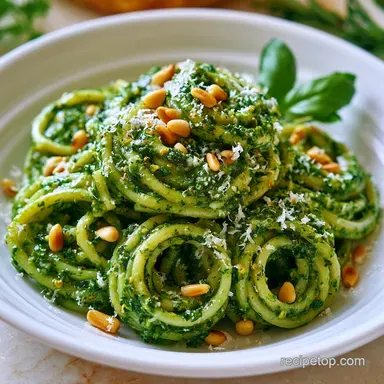
Fresh Basil Pesto Pasta: Vibrant and Nutty
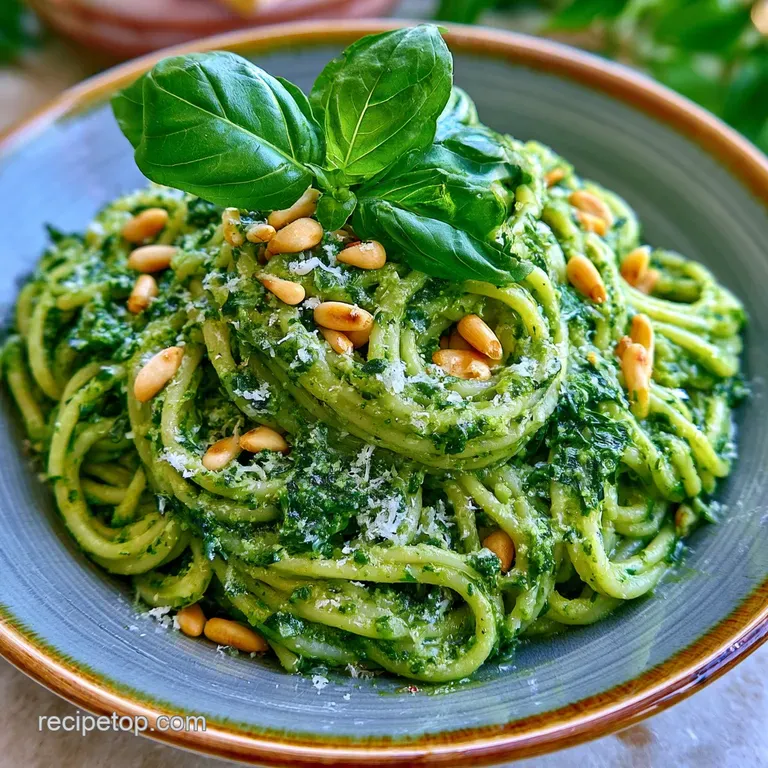
- Time: 5 min active + 10 min cooking = Total 15 minutes
- Flavor/Texture Hook: Velvety sauce with a nutty, zesty punch
- Perfect for: Fast weeknight dinners or a fresh lunch
- Fresh Basil Pesto Pasta
- Why this recipe works
- Ingredient deep dive
- Essential kitchen tools
- Recipe specs
- Step by step guide
- Fix common problems
- Troubleshooting Common Issues
- Mix up the flavors
- Adjusting the portions
- Pesto myths
- Storage and waste tips
- Best food pairings
- High in Sodium
- Recipe FAQs
- 📝 Recipe Card
Fresh Basil Pesto Pasta
The smell of fresh basil hitting a cutting board is, for me, the official scent of summer. I remember the first time I tried to make this at home, and I went way too far with the food processor. I blended it into this neon green, lukewarm soup that tasted more like grass than a meal.
I’d completely ignored the "pulse" button and just let the blades run, which heated up the oil and bruised the leaves.
But once I learned to treat the processor like a tool and not a blender, everything changed. The trick is keeping those little bits of pine nut and parmesan intact so you get those tiny bursts of salt and crunch. This Fresh Basil Pesto Pasta is all about that balance, and honestly, once you make it this way, you'll never go back to the jarred stuff that tastes like preservatives and sadness.
We're keeping this simple and fast, using minimal tools so you aren't scrubbing pots for an hour after dinner. It's a bright, zingy dish that feels fancy but takes almost no effort. Whether you're feeding a crowd or just treating yourself, this is the version that actually works every single time.
Why this recipe works
- The Starch Glue: Using the cloudy pasta water creates a bridge between the oily pesto and the pasta, making the sauce cling to the noodles instead of sliding off.
- Acid Protection: The lemon juice isn't just for zing, it stops the basil from oxidizing and turning that unappealing brown color.
- Temperature Control: Stirring the cheese in by hand prevents the parmesan from clumping or "breaking" the sauce under high heat.
- Coarse Texture: Pulsing the nuts and garlic first ensures you don't end up with a single raw garlic chunk in one bite and nothing in the next.
| Method | Prep Time | Texture | Best For |
|---|---|---|---|
| Fresh Processor | 5 minutes | Chunky & Vibrant | Quick weeknight meals |
| Traditional Mortar | 20 minutes | Rustic & Grainy | Slow weekend cooking |
| store-bought Jar | 0 minutes | Smooth & Oily | Emergency meals |
Ingredient deep dive
Understanding what each part does helps you tweak the recipe without ruining it. For example, the fat in the olive oil carries the flavor of the garlic and basil throughout the dish. According to the USDA FoodData, the healthy fats in olive oil also help your body absorb the nutrients from the fresh basil leaves.
| Ingredient | Science Role | Pro Secret |
|---|---|---|
| Fresh Basil | Primary Flavor/Color | Use the small, tender leaves for a sweeter taste |
| Pine Nuts | Texture & Creaminess | Toast them for 2 mins for a deeper, woodier flavor |
| Olive Oil | Emulsion Base | Use a mild EVOO so it doesn't overpower the basil |
| Parmesan | Salt & Body | Grate it yourself; pre shredded has cornstarch |
Essential kitchen tools
You don't need a professional kitchen to nail this. I've found that a basic food processor is the way to go, but if you're really tight on gear, a handheld immersion blender in a tall jar works too. Just be careful not to over process.
I usually use a large pot for the pasta and a colander, but the real "hero" tool here is a simple measuring cup to save that pasta water. Trust me, forgetting to save the water is the number one reason people end up with dry pasta. You want that starchy liquid to turn the pesto into a velvety coating.
Recipe specs
For the pesto base, you'll need 2 cups (60g) of packed fresh basil leaves, 1/2 cup (120ml) of extra virgin olive oil, 1/3 cup (45g) of pine nuts or walnuts, 1/2 cup (50g) of freshly grated parmesan cheese, 2 cloves (6g) of peeled garlic, and 1 tbsp (15ml) of lemon juice. Don't forget salt and black pepper to taste.
For the pasta part, grab 1 lb (450g) of dry pasta. I highly recommend fusilli or trofie because the spirals and twists catch the sauce perfectly. You'll also need 2 tbsp (34g) of salt for the boiling water to ensure the noodles are seasoned from the inside out.
| Original Ingredient | Substitute | Why It Works |
|---|---|---|
| Pine Nuts | Walnuts | Similar fat content. Note: More bitter, earthy flavor |
| Parmesan | Pecorino Romano | Salty, hard cheese. Note: Much sharper, more pungent taste |
| Fusilli Pasta | Penne or Farfalle | Holds sauce well. Note: Less surface area than spirals |
| Lemon Juice | White Wine Vinegar | Provides necessary acid. Note: Lacks the citrus brightness |
Right then, let's get into the actual cooking. The flow here is all about timing. You want the pesto ready before the pasta hits the peak of its "al dente" window.
Step by step guide
- Combine the basil, pine nuts, and garlic in the food processor. Pulse several times until coarsely chopped. Note: Avoid holding the button down to prevent overheating the basil.
- While the motor is running on low, slowly drizzle in the olive oil and lemon juice. Wait until the mixture looks glossy and combined.
- Stir in the grated Parmesan by hand at the end. This maintains a slight texture rather than turning the cheese into a paste. Set the sauce aside.
- Bring a large pot of heavily salted water to a rolling boil. Add the pasta and cook according to package directions until it's al dente (firm to the bite).
- Before draining, scoop out about 1 cup (240ml) of the cloudy pasta water and set it aside. This is your secret weapon.
- Drain the pasta and return it to the pot over low heat. Note: Don't keep the heat high, or you'll cook the pesto and lose the bright green color.
- Pour in the fresh pesto and a splash of the reserved pasta water. Toss gently until the sauce is glossy and coats the pasta evenly.
- If the sauce looks too thick, add more pasta water one tablespoon at a time. It should feel silky, not sticky.
Chef's Note: For a real pro move, freeze your butter for 10 minutes if you decide to add a knob of it at the end for extra richness. Also, try adding a pinch of nutmeg to the pesto; it's a hidden trick that makes the parmesan taste more complex.
Fix common problems
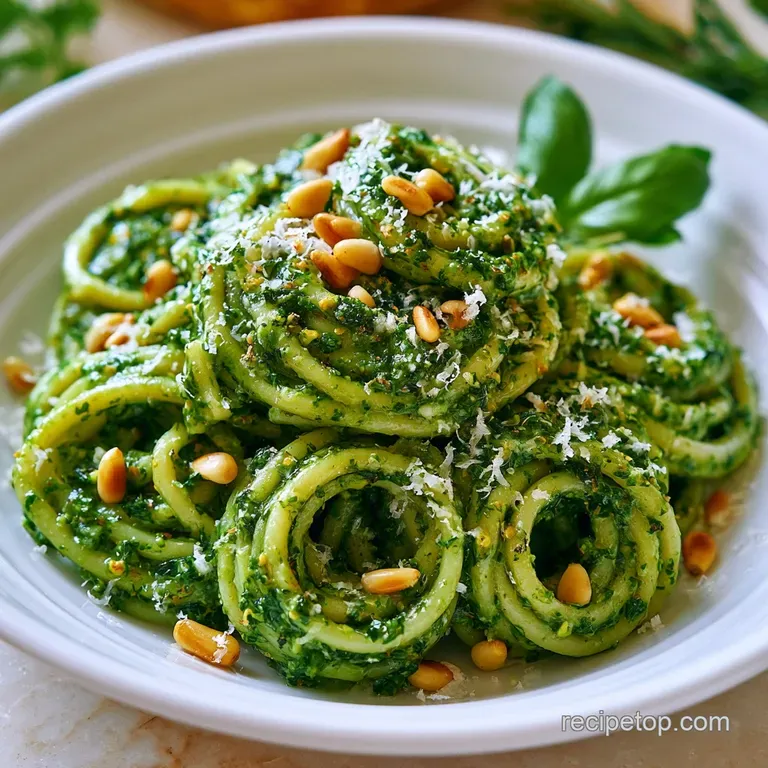
Most pesto issues come down to heat or oxidation. If you've ever seen your sauce turn a dull olive brown, it's usually because the basil was exposed to too much air or the food processor blades got too hot.
Troubleshooting Common Issues
| Issue | Solution |
|---|---|
| Why your pesto turned brown | This is usually caused by oxidation. The enzymes in the basil react with oxygen. Adding the lemon juice early and storing the pesto with a thin layer of olive oil on top creates a seal that keeps the |
| Why the sauce is too thick | Pesto is a concentrated paste. If you just dump it on pasta, it often clumps. The solution is always more pasta water. The starch in the water helps the oil and the cheese integrate into a smooth sauc |
| Why the sauce separated | If you heat the pesto too aggressively, the oil will separate from the solids. Always toss the pesto into the pasta over low heat or even off the burner entirely. |
Common Mistakes Checklist
- ✓ Didn't over process the basil into a puree
- ✓ Saved the pasta water before draining
- ✓ Grated the cheese fresh instead of using a bag
- ✓ Used low heat when tossing the pasta and sauce
- ✓ Added lemon juice to preserve the green color
Mix up the flavors
If you want to turn this into a Basil Pesto Pasta with Chicken, just sear some chicken breast strips in a pan with salt and pepper. Toss them in at the very end. For something even more decadent, this pairs beautifully with Marry Me Salmon where the garlic butter complements the basil.
Looking for a Creamy Pesto Pasta Recipe? Stir in two tablespoons of heavy cream or a dollop of ricotta cheese during step 7. This mellows out the sharp garlic and gives it a velvety, restaurant style finish.
If you're planning for a picnic, you can easily make a Basil Pesto Pasta Salad. Just let the pasta cool completely, add halved cherry tomatoes, mini mozzarella balls, and an extra drizzle of olive oil. It's a total crowd pleaser.
Decision Shortcut: If you want more protein → add grilled chicken or shrimp. If you want a creamy vibe → whisk in 2 tbsp of ricotta. If you want it lighter → swap half the pasta for sautéed zucchini ribbons.
Adjusting the portions
When you're scaling this, don't just blindly multiply everything. Garlic, in particular, can become overwhelming if you just quadruple it.
Scaling Down (½ portion): Use a smaller pot to keep the water boiling quickly. For the pesto, I suggest beating one egg if you're adding a binder, then using half. Reduce the cooking time by about 20% if using smaller pasta shapes.
Scaling Up (2x-4x): Only increase the salt and garlic to about 1.5x the original amount; otherwise, it can taste too aggressive. Work in batches when blending the pesto to avoid overworking the motor. For the pasta, use the largest pot you own to prevent the noodles from sticking together.
If baking a pesto pasta bake, lower your oven temp by 25°F and extend the time to ensure the middle is hot without burning the top.
Pesto myths
Let's clear some things up. You've probably heard that you must use a mortar and pestle for "authentic" pesto. While it's a lovely tradition, a food processor is perfectly fine for a weeknight meal. The only real difference is a slightly grainier texture, which many people actually prefer.
Another myth is that you should cook the pesto in a pan before adding it to the pasta. Honestly, don't do this. Heating pesto too much kills the fresh, peppery notes of the basil and can make the cheese clump. The residual heat from the pasta is all you need.
Storage and waste tips
Fresh pesto stays great in the fridge for about 5 days. The secret is to put it in a glass jar and pour a thin layer of olive oil over the top. This prevents air from hitting the basil, keeping it vibrant green.
If you have a huge batch, you can freeze it. I recommend freezing the pesto in ice cube trays. Once they're frozen, pop them into a freezer bag. You can then just drop a "pesto cube" into a hot pan or a bowl of pasta whenever you need a quick flavor boost. It lasts for about 3 months in the freezer.
To avoid waste, don't throw away the basil stems! They have a ton of flavor. Toss them into your boiling pasta water for a few minutes to infuse the noodles, then fish them out before adding the pasta. You can also blend any leftover pesto into a mayo base for the best sandwich spread you've ever had.
Best food pairings
Since this Fresh Basil Pesto Pasta is so rich and herbal, you want sides that offer a bit of acidity or crunch. A simple arugula salad with a lemon vinaigrette is the way to go. The bitterness of the arugula cuts through the fat of the pine nuts and olive oil.
If you're doing a multi course meal, start with something light and lacy, like Classic Crepes filled with a light mushroom sauté. It keeps the meal from feeling too heavy.
For a drink, a crisp Pinot Grigio or a sparkling water with a slice of lime works perfectly. The goal is to cleanse the palate between bites of that savory, salty parmesan and fresh basil. Trust me, the acidity is what makes the whole meal feel balanced rather than just a "cheese bomb."
High in Sodium
1100 mg 1100 mg of sodium per serving (48% 48% of daily value)
The American Heart Association recommends a daily sodium limit of 2,300 mg, with an ideal limit of 1,500 mg for most adults to reduce the risk of cardiovascular disease.
Tips to Reduce Sodium
-
Reduce Boiling Water Salt-30%
Cut the salt used for boiling pasta to 1 teaspoon or omit it entirely; much of this salt is drained away, but reducing it lowers overall meal sodium.
-
Omit Added Salt-25%
Skip the 'salt to taste' in the pesto mixture, as the parmesan cheese already provides a concentrated salty profile.
-
Modify the Cheese-15%
Reduce the amount of parmesan cheese or replace half of it with nutritional yeast to maintain a nutty, cheesy flavor with far less sodium.
-
Boost Natural Zest
Add fresh lemon zest or red pepper flakes to enhance the brightness and depth of the pesto without adding any sodium.
Recipe FAQs
Can I just add basil pesto to pasta?
No, it's better to use pasta water. Adding the pesto alone often causes clumping. Stir in a splash of reserved pasta water over low heat to create a smooth, glossy emulsion.
How to prevent pesto from turning brown?
Add lemon juice early and seal with olive oil. The acid slows oxidation, while a thin layer of oil on top of the stored jar blocks air from hitting the basil.
What to do if the pesto sauce is too thick?
Stir in reserved pasta water one tablespoon at a time. The starch in the water helps the oil and cheese integrate into a creamy sauce that coats the noodles evenly.
Can I use walnuts instead of pine nuts?
Yes, walnuts are a great alternative. They provide a similar earthy richness and a slightly heartier texture than pine nuts.
How to store leftover pesto?
Keep it in a glass jar in the fridge for 5 days. Pour a thin layer of olive oil over the surface to maintain the vibrant green color. For longer storage, freeze it in ice cube trays for up to 3 months.
What are some other ways to use fresh basil?
Toss it into salads or use it in a light sauce. If you enjoyed the fresh herb profile here, you can use a similar combination of basil and garlic in this summer pasta.
Is it true that I should blend the parmesan cheese in the food processor?
No, this is a common misconception. Stirring the cheese in by hand at the end ensures the sauce maintains a slight texture instead of turning into a thick paste.
Fresh Basil Pesto Pasta