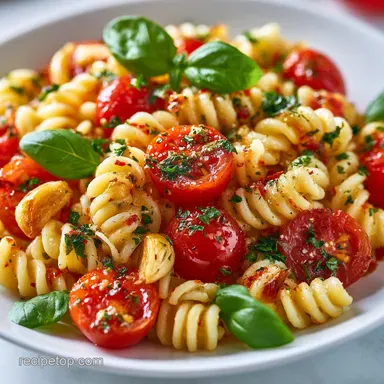
Quick Tomato Basil Summer Pasta: Fresh and Glossy
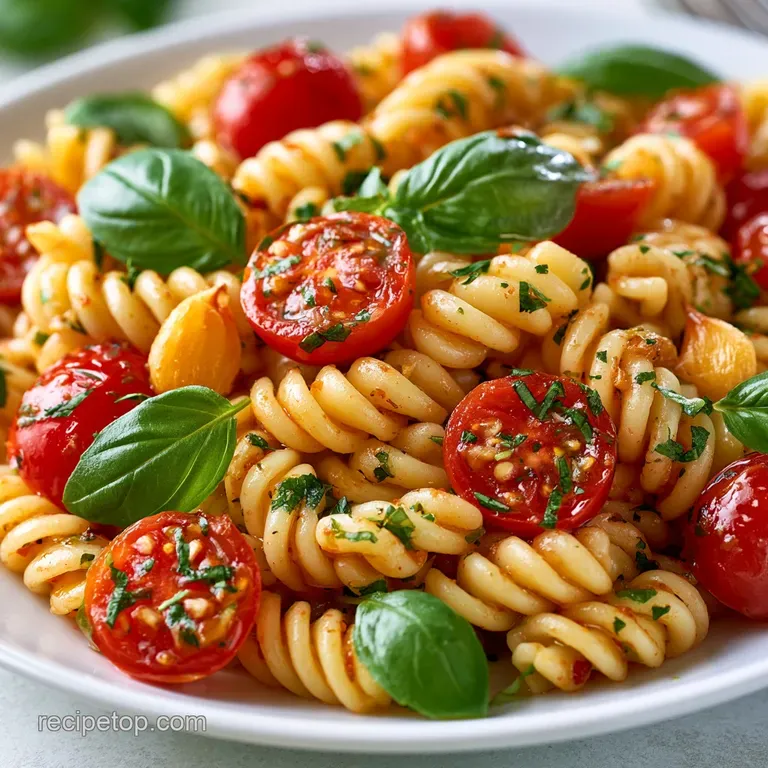
- Time:15 minutes active + 10 minutes cook = Total 25 minutes
- Flavor/Texture Hook: Glossy, buttery sauce with bursting, sweet tomato pops
- Perfect for: Quick weeknight dinners or a light summer lunch
- Tomato Basil Summer Pasta
- Why Most Recipes Fail
- The Component Analysis
- Necessary Ingredients
- The Tool Kit
- Step By Step Method
- Fixing Common Issues
- Troubleshooting Common Issues
- Personalize Your Plate
- Adjusting the Volume
- Debunking Kitchen Myths
- Storage And Waste
- The Best Pairings
- Recipe FAQs
- 📝 Recipe Card
The smell of garlic hitting hot olive oil is basically my favorite perfume. There is that specific second where the scent shifts from raw and sharp to nutty and mellow, and that's when I know I'm on the right track.
One August a few years back, I had a bowl of cherry tomatoes on my counter that were so ripe they were practically leaking. I didn't have time for a slow simmered marinara, so I just threw them in a pan and let them burst.
It was a total accident, but that's how I realized that the best sauces aren't always the ones that cook for hours. This approach captures the brightness of the season without boiling away all the fresh flavor.
You get this vibrant, glossy sauce that clings to the pasta instead of just pooling at the bottom of the bowl.
You can expect a meal that feels light but satisfying. This Tomato Basil Summer Pasta isn't about heavy creams or thick pastes; it's about the synergy of acid, fat, and fresh herbs. Trust me on this, the lemon zest at the end is what makes the whole thing wake up.
Tomato Basil Summer Pasta
The secret to this dish is the timing. If you cook the tomatoes too long, you lose that "summer" feel and it just becomes a standard red sauce. If you don't cook them enough, you don't get that velvety emulsion.
We're looking for that sweet spot where the skins just start to wrinkle and pop, releasing their natural sugars and acids into the oil.
I used to make the mistake of adding the basil at the start. I thought it would infuse the oil, but all it did was turn the leaves brown and bitter. Now, I treat the basil like a finishing touch. Adding it right at the end keeps the color vivid and the peppery, anise like aroma intact.
Right then, let's get into how this actually works and why you should skip the heavy cream in favor of a few tablespoons of starchy pasta water.
Why Most Recipes Fail
Many people treat this as a "dump and stir" meal, but the texture comes from a specific interaction between the pasta water and the fats. If you just drain the pasta and toss it in the pan, the sauce stays oily and separates.
- The Water Bind
- Starch from the pasta water acts as a bridge between the oil and the tomato juices, creating a cohesive sauce.
- Acid Balance
- Adding lemon juice at the end cuts through the fat of the olive oil and Parmesan, brightening the whole profile.
- Heat Management
- Sautéing garlic on medium heat prevents it from browning too quickly, which would make the sauce taste acrid.
- Texture Contrast
- Cooking the pasta 2 minutes shy of the box instructions allows it to finish in the sauce, absorbing flavor without getting mushy.
Since we're talking about a fresh, fast approach, it's helpful to see how this differs from a traditional slow cooked Italian sauce.
| Feature | Fast Summer Method | Classic Marinara | Impact |
|---|---|---|---|
| Cook Time | 10 minutes | 45+ minutes | Fresh vs. Concentrated |
| Texture | Glossy and light | Thick and jammy | Lighter mouthfeel |
| Tomato State | Burst cherry tomatoes | Pureed/Crushed | Texture pops |
| Flavor Profile | Bright, zesty, fresh | Deep, caramelized | Seasonality |
But what about the actual components? It's not just about throwing things in a pan; each ingredient has a job to do to ensure the sauce doesn't break.
The Component Analysis
| Ingredient | Science Role | Pro Secret |
|---|---|---|
| Cherry Tomatoes | Natural Thickener | Use a mix of red and yellow for a more complex sweetness |
| Pasta Water | Emulsifying Agent | Use the water from the last 2 minutes of boiling for max starch |
| Olive Oil | Flavor Carrier | Use extra virgin for the fruity notes that complement basil |
| Lemon Zest | Aroma Trigger | Zest the lemon before juicing to get the most oils |
I've found that using a high-quality olive oil makes a massive difference here. Since there are so few ingredients, you can really taste the difference between a cheap refined oil and one that tastes like actual olives. According to Serious Eats, the quality of your fat determines how the aromatic compounds in the garlic and basil are delivered to your palate.
Necessary Ingredients
For this to work, you need ingredients that are at their peak. If your tomatoes are pale and flavorless (the kind you find in January), this recipe won't have the same punch.
- 1 lb (450g) Spaghetti or Linguine Why this? Long strands hold the glossy sauce perfectly (Substitute: Fettuccine for a heartier bite)
- 4 qt (3.8L) Water Why this? Plenty of room for pasta to move and release starch
- 2 tbsp (30g) Sea salt Why this? Seasons the pasta from the inside out
- 2 cups (300g) Cherry tomatoes, halved Why this? High sugar content and burstable skins (Substitute: Grape tomatoes)
- 3 tbsp (45ml) Extra virgin olive oil Why this? Provides the base for the emulsion
- 4 cloves (20g) Garlic, thinly sliced Why this? Slices brown more evenly than minced garlic
- 1/4 tsp (1g) Red pepper flakes Why this? Adds a subtle background warmth
- 1 tbsp (15ml) Fresh lemon juice Why this? Brightens the heavy fats (Substitute: White wine)
- 1/2 tsp (3g) Salt Why this? Basic flavor enhancement
- 1/4 tsp (1g) Cracked black pepper Why this? Earthy contrast to the sweet tomatoes
- 1 cup (30g) Fresh basil leaves, chiffonade Why this? Essential summer aroma
- 1/2 cup (50g) Freshly grated Parmesan cheese Why this? Adds salt and umami depth (Substitute: Pecorino Romano for more tang)
- 1 tsp (2g) Lemon zest Why this? Concentrated citrus oil for scent
The Tool Kit
You don't need anything fancy here. A large pot for the pasta and a wide skillet for the sauce are the essentials. I prefer a stainless steel or cast iron skillet because they hold heat better when you drop in the cold pasta.
Chef Note: Use a microplane for the lemon zest and Parmesan. It gives you a fluffy texture that melts into the sauce instantly, rather than leaving clumps of cheese.
If you're looking for other quick dinner ideas, you might enjoy my marry me salmon which also uses a fast emulsion sauce.
Step by step Method
Let's break this down into a flow. The goal is to have the sauce finishing exactly when the pasta hits that al dente stage.
Phase 1: The Pasta Prep
- Bring the salted water to a rolling boil. Note: Ensure the water is truly boiling before adding pasta to prevent sticking
- Add the pasta and cook for 1–2 minutes less than the package directions to maintain an al dente texture.
- Reserve 1 cup (240ml) of the starchy pasta water before draining the pasta. Note: This is your "liquid gold" for the sauce emulsion
Phase 2: Sautéing the Aromatics
- While the pasta boils, heat the olive oil in a large skillet over medium heat.
- Add the sliced garlic and red pepper flakes; sauté for about 1 minute until fragrant and translucent. Note: Do not let the garlic turn dark brown, or it will be bitter
- Add the halved cherry tomatoes and cook for 5–7 minutes, stirring occasionally, until they soften and release their juices.
Phase 3: The Emulsion and Finish
- Transfer the drained pasta directly into the skillet with the tomatoes.
- Pour in 1/2 cup (120ml) of the reserved pasta water and the lemon juice.
- Toss vigorously over medium high heat for 2 minutes until the liquid reduces into a glossy coating.
- Remove from heat and stir in the fresh basil, grated Parmesan cheese, and lemon zest.
Fixing Common Issues
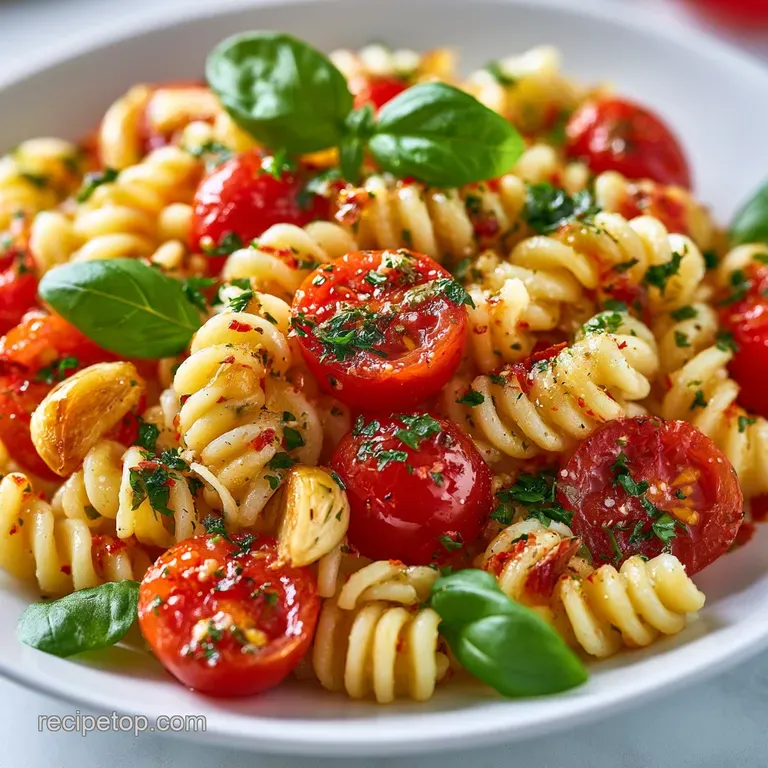
Even with a simple recipe, things can go sideways. Usually, it's a matter of temperature or timing. The most common complaint is a "watery" sauce, but that's usually just a lack of tossing.
Troubleshooting Common Issues
| Issue | Solution |
|---|---|
| Why Your Sauce Separates | If you see pools of oil floating on top of the pasta, the emulsion didn't happen. This usually means the pasta water wasn't starchy enough or you didn't toss the pasta vigorously enough over heat. The |
| Why Garlic Tastes Bitter | Garlic burns in a heartbeat. If you see brown spots on your garlic, it's already too far. The oil should be warm, not smoking, when the garlic goes in. If it burns, you're better off wiping the pan an |
| Why Your Basil Is Brown | Adding basil while the pan is still on high heat "cooks" the herb, destroying the volatile oils. Always remove the pan from the burner before stirring in your greens. |
Quick Success Checklist:
- ✓ Salted the water heavily?
- ✓ Reserved pasta water before draining?
- ✓ Garlic is translucent, not brown?
- ✓ Pasta added to pan 2 mins before "box" done?
- ✓ Basil added after removing from heat?
Personalize Your Plate
Once you've mastered the base Tomato Basil Summer Pasta, you can start playing with the flavors. This is where the recipe becomes your own.
For a Creamy Tomato Basil Summer Pasta
If you want something more indulgent, stir in 2 tablespoons of mascarpone or a splash of heavy cream during step 9. It transforms the dish into something velvety and rich, similar to the vibe of my homemade mac and cheese, but with a fresh summer twist.
For a Summer Tomato Basil Pasta Salad
To turn this into a cold dish, undercook the pasta by an additional minute. Let the sauce cool slightly, then toss in some halved bocconcini (mini mozzarella balls) and a handful of fresh arugula. The arugula adds a peppery bite that works beautifully with the chilled tomatoes.
For Added Protein
This recipe is a great base for proteins. I love adding grilled shrimp or seared scallops. If you want something more substantial, you can toss in some rotisserie chicken or chickpeas for a vegetarian protein boost.
For a Vegan Friendly Swap
Swap the Parmesan for nutritional yeast or a vegan parmesan alternative. To keep the creaminess, use a tablespoon of cashew cream. The lemon juice and starchy water still do the heavy lifting for the texture.
Adjusting the Volume
Scaling pasta is generally easy, but there are some pitfalls when you move from 4 servings to 12.
Scaling Down (½ or ¼): When making a single serving, use a smaller skillet. If the pan is too wide, the small amount of tomato juice will evaporate too quickly and burn. Reduce the garlic to 2 cloves and use a small splash of pasta water.
Scaling Up (2x-4x): Don't just quadruple the salt and red pepper flakes; start at 2.5x and taste as you go. Use a very large pot for the pasta if the pot is too crowded, the pasta will clump and release too much starch at once, making the water gummy.
I recommend working in batches for the sautéing phase so the tomatoes actually sear instead of steaming.
For larger batches, you might need slightly more olive oil to ensure the pasta doesn't stick. If you're doubling the recipe, increase the oil to 5 or 6 tablespoons.
Debunking Kitchen Myths
There are a few things people tell you about pasta that are just plain wrong. Let's clear those up.
Myth: Adding oil to the pasta water stops sticking. This is a total lie. Oil floats on top of the water and then coats the pasta, which actually prevents the sauce from sticking to the noodles. Just stir the pasta for the first two minutes of cooking; that's all you need.
Myth: You must rinse pasta after draining. Unless you're making a cold pasta salad, never rinse your noodles. Rinsing washes away the surface starch that we need to create that glossy emulsion in the pan.
Myth: Fresh basil should be chopped with a knife. If you chop basil too many times with a dull knife, you bruise the leaves and they turn black. Use a very sharp knife for a chiffonade (rolling the leaves and slicing thin strips) or just tear them by hand.
Storage And Waste
If you have leftovers, store them in an airtight container in the fridge for up to 3 days. When reheating, the pasta will have absorbed most of the sauce. Add a tiny splash of water or a drizzle of olive oil before microwaving to bring the gloss back.
Freezing: I don't recommend freezing this specific dish. The fresh basil loses its flavor, and the cherry tomatoes can get a mealy texture. It's a dish meant to be eaten fresh.
Zero Waste Tips:
- Tomato Stems: Don't throw away the cherry tomato stems. Toss them into a freezer bag with other veggie scraps (onion ends, carrot peels) to make a homemade vegetable stock.
- Parmesan Rind: If you have the hard rind left over from your Parmesan block, toss it into your next pot of simmering soup or stew for a massive umami boost.
- Basil Stems: Blend the basil stems with olive oil and a pinch of salt to make a quick basil oil. Use it to drizzle over grilled fish or toast.
The Best Pairings
Since the Tomato Basil Summer Pasta is bright and acidic, you want sides that either complement that freshness or provide a creamy contrast.
A simple arugula salad with a lemon vinaigrette is the classic choice. The bitterness of the greens cuts through the richness of the Parmesan. For something more filling, a piece of toasted sourdough rubbed with a raw garlic clove is a must.
If you're hosting a dinner, try pairing this with a chilled glass of Pinot Grigio or a light Rosé. The acidity in the wine mirrors the lemon and tomatoes, making the whole meal feel cohesive.
If you want a more substantial protein side, grilled asparagus wrapped in prosciutto is a fantastic addition that keeps the "summer" theme going.
Recipe FAQs
What is a good summer pasta dish?
This Tomato Basil Summer Pasta. It uses fresh cherry tomatoes and lemon for a light, vibrant flavor profile perfect for hot weather.
What do I do with all my fresh basil?
Chiffonade it into a fresh pasta sauce. Stirring it in at the very end of this recipe keeps the flavor bright and the color a vivid green.
What's the best way to make a fresh summer tomato sauce?
Sauté halved cherry tomatoes in olive oil. This creates a light, jammy sauce in under 10 minutes without needing to simmer for hours.
How to prevent the garlic from tasting bitter?
Sauté for about 1 minute until translucent. Keep the oil warm but not smoking, as any brown spots mean the garlic has burned and will taste bitter.
Why is my sauce separating into pools of oil?
The emulsion failed. This happens if the pasta water wasn't starchy enough or you didn't toss the pasta vigorously over medium high heat for 10 minutes.
Can I freeze this pasta for later?
No, it is best eaten fresh. Freezing causes the fresh basil to lose its punch and gives the cherry tomatoes a mealy texture.
Are there other ways to serve these fresh ingredients?
Yes, you can serve them chilled. If you prefer a cold meal, use the similar fresh vegetable approach found in our veggie pasta salad.
Tomato Basil Summer Pasta