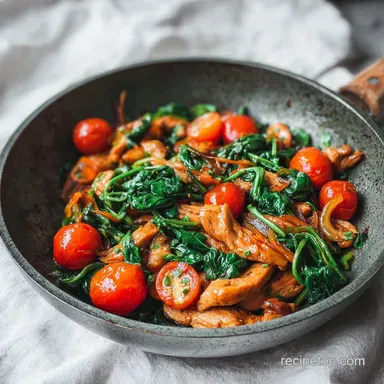
Mediterranean Chicken Stir Fry: Healthy and Fresh
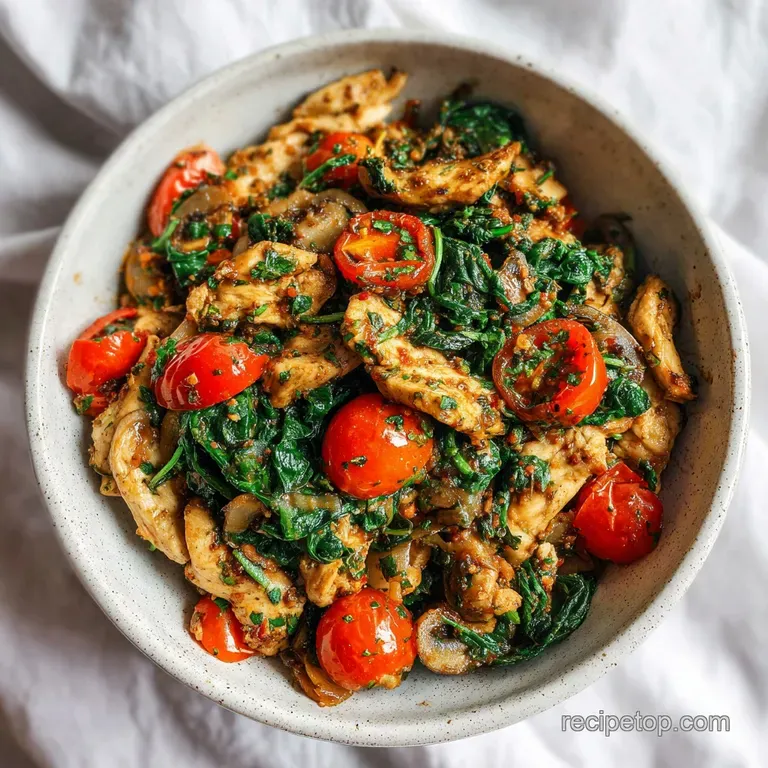
- Time:10 minutes prep + 15 minutes cook = 25 minutes total
- Flavor/Texture Hook: Zesty lemon, salty feta, and blistering tomatoes
- Perfect for: Busy weeknights, meal prep, and high protein diets
- Mediterranean Chicken Stir Fry Recipe with Spinach and Cherry Tomatoes
- Why These Flavors Just Click
- Deep Dive Into Every Component
- Gathering Your Garden Essentials
- Essential Gear for Searing
- Transforming Raw to Ready
- Solving Skillet Issues Easily
- Adjusting for Any Crowd
- Common Kitchen Myths Debunked
- Managing Leftovers and Scraps
- Creative Serving and Pairings
- Very High in Sodium
- Recipe FAQs
- 📝 Recipe Card
Mediterranean Chicken Stir Fry Recipe with Spinach and Cherry Tomatoes
The first time I really understood the power of a hot pan was in a tiny kitchen overlooking the coast. There is a specific sound, a rhythmic sizzle, when cold chicken hits shimmering olive oil. It is not just noise, it is the sound of flavor being built.
This article shares our absolute favorite Mediterranean Chicken Stir Fry Recipe with Spinach and Cherry Tomatoes, a dish that brings that coastal energy right into your Tuesday night routine. It is fast, it is vibrant, and it actually tastes like something you would eat at a seaside tavern.
In Mediterranean culture, food is rarely about complexity. It is about the quality of the oil, the ripeness of the tomato, and the timing of the heat. While we often think of "stir fry" as an East Asian technique, the act of tossing ingredients quickly in a hot skillet is a global language.
In this version, we swap soy sauce for lemon and ginger for oregano, creating a meal that feels light but keeps you full.
You can expect a dish where the chicken has a golden crust, the zucchini still has a bit of snap, and the spinach just barely yields to the heat. It is a one pan balance of textures. No mushy vegetables or dry meat here. We are going for bold, bright, and incredibly efficient.
Why These Flavors Just Click
Moisture Management: Patting the chicken dry ensures the heat goes toward browning the exterior rather than steaming the meat in its own juices.
Acidic Balance: The fresh lemon juice added at the end cuts through the richness of the olive oil and the saltiness of the feta cheese.
Sugar Concentration: Cooking the tomatoes until they blister releases their internal liquids, which then reduce and coat the chicken like a natural glaze.
Residual Heat Utilization: Adding the spinach after the heat is turned off prevents it from turning into a watery, overcooked mess.
| Method | Time | Texture | Best For |
|---|---|---|---|
| Stovetop Skillet | 15 minutes | Crispy edges, snappy veggies | Maximum flavor and speed |
| Sheet Pan Oven | 20 minutes | Softer, roasted sweetness | Hands off cooking for large batches |
| Air Fryer | 12 minutes | Very charred and dry | Extra crispy chicken lovers |
Choosing the right cooking method depends on how much attention you want to give the stove. The skillet is the gold standard because you control the evaporation of moisture in real time, preventing that dreaded puddle of vegetable water at the bottom of the pan.
Deep Dive Into Every Component
| Ingredient | Science Role | Pro Secret |
|---|---|---|
| Chicken Breast | Lean protein structure | Slice against the grain for maximum tenderness |
| Cherry Tomatoes | Liquid and acidity source | Do not slice them too thin, or they disappear into the sauce |
| Fresh Spinach | Volume and micronutrients | Add it last to preserve the bright green color |
| Extra Virgin Olive Oil | Fat medium and flavor carrier | Use a high-quality oil since it is a primary flavor note |
Choosing the right olive oil matters because we are cooking at a medium high heat. You want an oil that can handle the temperature without smoking, but still retains that peppery, grassy finish that defines Mediterranean cooking.
Gathering Your Garden Essentials
This list focuses on fresh, accessible items that provide a massive return on flavor. For another high protein option that uses similar pantry staples, you might enjoy this Keto Ground Chicken Skillet.
- Chicken Breast (1.5 lbs): Cut into 1 inch cubes. Why this? Lean protein that cooks quickly and absorbs the dry rub spices.
- Substitute: Chicken thighs (boneless) for a juicier, higher fat alternative.
- Cherry Tomatoes (2 cups): Halved. Why this? High sugar content helps create a natural pan sauce when blistered.
- Substitute: Grape tomatoes or diced Roma tomatoes.
- Fresh Baby Spinach (5 oz): Why this? Wilts instantly and adds a silky texture to the final plate.
- Substitute: Chopped kale (sauté for 3 minutes longer) or Swiss chard.
- Zucchini (1 medium): Quartered and sliced. Why this? Adds bulk and a mild crunch without adding many calories.
- Substitute: Yellow summer squash or bell peppers.
- Red Onion (0.5 medium): Thinly sliced. Why this? Provides a sharp sweetness that mellows out during the sauté.
- Substitute: Shallots for a more delicate flavor.
- Fresh Garlic (4 cloves): Minced. Why this? The aromatic backbone of the entire skillet.
- Substitute: 1 tsp garlic powder in a pinch, though fresh is much better.
- Extra Virgin Olive Oil (2 tbsp): Why this? The essential fat for both searing and flavor depth.
- Substitute: Avocado oil if you prefer a higher smoke point.
- Feta Cheese (0.25 cup): Crumbled. Why this? Adds a creamy, salty finish that ties the veggies together.
- Substitute: Goat cheese or shaved parmesan.
- Lemon Juice (1 tbsp): Freshly squeezed. Why this? Brightens the dish and acts as a flavor "highlighter."
- Substitute: Red wine vinegar.
- Dried Oregano (1 tsp): Why this? The classic earthy herb of the Mediterranean region.
- Substitute: Dried thyme or Marjoram.
- Smoked Paprika (0.5 tsp): Why this? Adds a subtle depth and a beautiful golden red hue to the chicken.
- Substitute: Regular paprika or a pinch of cumin.
- Crushed Red Pepper Flakes (0.25 tsp): Why this? Just enough heat to wake up the palate.
- Substitute: A pinch of cayenne pepper.
- Sea Salt & Black Pepper: To taste.
Essential Gear for Searing
You do not need a kitchen full of gadgets for this. A heavy bottomed 12 inch skillet is your best friend. I prefer cast iron or heavy stainless steel because they hold heat better than thin aluminum. When you drop the chicken in, a thin pan will lose its temperature immediately, leading to boiling rather than searing.
You will also need a sharp chef's knife for the zucchini and onions. A microplane is handy for the garlic, but a simple mince works fine. Finally,, a sturdy spatula, preferably metal if using a cast iron pan, helps you scrape up those delicious browned bits from the bottom.
Transforming Raw to Ready
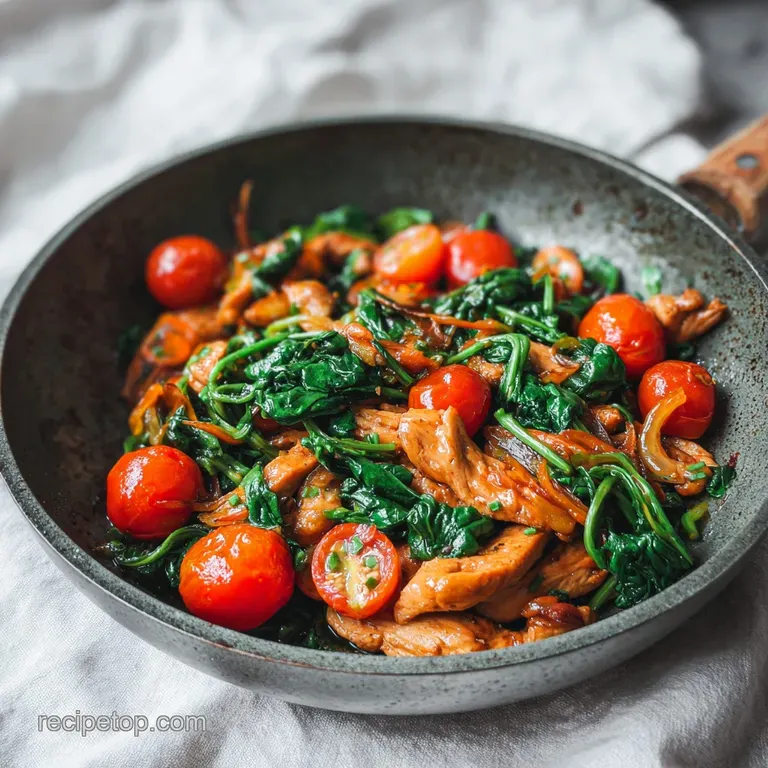
- Prepare the protein. Pat the 1.5 lbs of chicken breast cubes completely dry with paper towels. Season thoroughly with 1 tsp dried oregano, 0.5 tsp smoked paprika, 0.75 tsp fine sea salt, and 0.5 tsp cracked black pepper. Note: Dry meat sears, wet meat steams.
- Sear the chicken. Heat 1 tablespoon of olive oil in a 12 inch heavy bottomed skillet over medium high heat until the oil is shimmering and thin. Add the chicken in a single layer and sear undisturbed for 3 minutes.
- Finish the first cook. Flip the chicken pieces and cook for another 2 minutes until the exterior is golden and a crust has formed. Remove the chicken from the pan and set it aside on a plate.
- Sauté the aromatics. Add the remaining 1 tablespoon of olive oil to the same skillet. Add the sliced red onion and zucchini. Sauté for 3-4 minutes until the onions are translucent and the zucchini is tender crisp.
- Release the garlic. Add the minced garlic and cook for 30 seconds until you smell the aroma across the kitchen. Do not let it turn brown or it will become bitter.
- Blister the tomatoes. Toss in the halved cherry tomatoes. Cook for 2-3 minutes until the skins begin to crack and they release their juices.
- Recombine the ingredients. Return the chicken and any accumulated juices back into the skillet. Note: Those juices on the plate are pure flavor; don't discard them.
- Wilt the greens. Add the 5 oz of fresh baby spinach and fold gently with a spatula for 60 seconds until the leaves have shrunk and turned dark green.
- Finish and brighten. Remove the skillet from the heat. Drizzle with 1 tbsp lemon juice and top with 0.25 cup crumbled feta, 0.25 cup fresh basil, and red pepper flakes.
- Serve immediately. Plate the stir fry while the feta is just beginning to soften but before the spinach loses its structure.
Solving Skillet Issues Easily
Why Your Chicken Is Rubbery
If the chicken feels like a bouncy ball, it was likely overcooked or the pan wasn't hot enough. When the pan is too cool, the chicken sits in its own juices for too long, slowly toughening. Always wait for that oil to shimmer before the meat hits the metal.
Why Your Skillet Is Watery
Zucchini and spinach are mostly water. If you crowd the pan, the steam can't escape, and you end up with a soup. Sautéing in a wide pan and adding the spinach at the very end prevents the vegetables from weeping too much liquid into the dish.
| Problem | Root Cause | Solution |
|---|---|---|
| Bland Flavor | Under seasoning the raw meat | Salt the chicken before it hits the pan, not just at the end |
| Garlic is Burnt | Added too early in the sauté | Only add garlic once the onions and zucchini are almost done |
| Soggy Zucchini | Cooked for too long | Keep the heat high and the cook time under 5 minutes for the veg |
Common Mistakes Checklist:
- ✓ Skipping the paper towel step (dry chicken is non negotiable)
- ✓ Crowding the chicken (work in batches if your pan is smaller than 12 inches)
- ✓ Forgetting to deglaze with lemon juice (the acid lifts the browned bits)
- ✓ Adding spinach too early (it only needs residual heat to wilt)
- ✓ Using low-fat feta (it won't soften or taste as rich)
Adjusting for Any Crowd
When scaling this recipe down for one or two people, it is quite simple. Use a smaller skillet and reduce the ingredients by half. You do not need to change the cook times much, but keep a closer eye on the garlic since it will be in a smaller volume of oil. If you have leftover marinade from another meal, like a Greek Chicken Souvlaki Marinade, you can actually use that to flavor the chicken cubes before searing for even more depth.
Scaling up is where things get tricky. If you double this for eight people, do not put 3 lbs of chicken in the pan at once. You must sear the chicken in two separate batches. If you put it all in at once, the temperature of the skillet will drop, the meat will release water, and you will be boiling the chicken instead of searing it.
For the vegetables, you might need a second skillet or a very large wok to ensure everything has enough surface area to stay crisp.
| Item | Standard (4) | Budget (4) | Flavor Impact |
|---|---|---|---|
| Feta | Imported Sheep Milk | Cow Milk Feta | Less tang, but still creamy |
| Spinach | Fresh Baby Spinach | Frozen (thawed/dried) | Much softer texture, less vibrant |
| Oil | Cold Pressed EVOO | Basic Vegetable Oil | Loss of peppery finish |
Common Kitchen Myths Debunked
"You have to marinate chicken for hours to get flavor." This is simply not true for small cubes of breast meat. Because the surface area to volume ratio is so high, a dry rub of oregano and paprika followed by a hard sear creates plenty of flavor in minutes.
The pan sauce we build with tomato juices does the rest of the work.
"Searing meat seals in the juices." This is a classic kitchen myth. Searing actually dries out the very exterior of the meat (which is why it gets crispy), but it creates the Maillard reaction, which is responsible for those deep, savory flavors.
The juiciness of the meat comes from not overcooking it, not from "sealing" anything.
Managing Leftovers and Scraps
Storage: Store leftovers in an airtight container in the fridge for up to 3 days. The zucchini will soften further as it sits, so it won't be as crisp on day two, but the flavors actually meld together beautifully.
Freezing: I do not recommend freezing this specific dish. Both zucchini and spinach have high water content; when they freeze and thaw, their cell walls burst, and they become quite mushy. However, you can freeze the seared chicken separately.
Zero Waste: Don't throw away the stems from the spinach or the ends of the red onion. Toss them into a freezer bag to use for a future vegetable scrap stock. If you have leftover feta brine in the jar, use it to marinate your next batch of chicken; it is essentially a salty, tangy liquid gold.
Creative Serving and Pairings
This skillet is a complete meal on its own, especially if you are looking for something low carb. However, it is also a fantastic "topper." I love serving this over a bed of fluffy quinoa or orzo pasta. The juices from the tomatoes and lemon act as a built in dressing for the grains.
If you want to keep it traditional, a side of warm pita bread or a simple cucumber and dill salad provides a cool contrast to the hot chicken. For those who want more crunch, toasted pine nuts sprinkled over the top at the very end add a buttery texture that complements the feta perfectly.
Honestly, it is so versatile that I have even served the leftovers cold over a bed of arugula the next day as a "chopped salad," and it was brilliant.
Very High in Sodium
845 mg 845 mg of sodium per serving (37% 37% of daily value)
The American Heart Association recommends a limit of about 2,300mg per day and an ideal limit of no more than 1,500mg per day for most adults.
Tips to Reduce Sodium
-
Reduce Added Salt-25%
Cut the 0.75 tsp fine sea salt in half to 0.375 tsp. This is the primary source of added sodium.
-
Use Less Feta Cheese-15%
Reduce the 0.25 cup crumbled feta cheese by half. Feta is a significant sodium contributor.
-
Amplify Herbs and Spices
Boost the flavor with additional fresh basil, oregano, smoked paprika, and red pepper flakes. Consider adding garlic powder or onion powder for extra savory notes.
-
Enhance with Lemon
Increase the 1 tbsp fresh lemon juice to brighten flavors without adding sodium. Consider adding lemon zest for an extra citrus punch.
-
Fresh Aromatics Power
Ensure you're using fresh garlic and red onion as listed. These provide natural flavor without sodium, unlike their dried or canned counterparts.
Recipe FAQs
How to ensure the chicken stays juicy and doesn't dry out?
Pat the chicken cubes completely dry with paper towels before seasoning. Excess moisture creates steam, which prevents that essential golden sear, leading to overcooked meat; if you mastered the sensory doneness cues here, apply them to your protein for perfect results.
Is it true I should stir the chicken constantly while it sears?
No, this is a common misconception. You must sear the chicken undisturbed for 3 minutes to develop a proper crust, then flip and cook for another 2 minutes; moving it too early prevents the Maillard reaction from happening.
How to prevent the cherry tomatoes from turning into mush?
Add the tomatoes only after the onion and zucchini have softened. Cook them for just 2-3 minutes until the skins begin to blister and collapse, which preserves their texture while releasing enough juices to create a light, natural pan sauce.
How to prep this meal in advance for busy weeknights?
Chop the chicken and slice the zucchini up to 24 hours in advance. Keep them in airtight containers in the refrigerator, but wait to mince your garlic and halve your cherry tomatoes until just before you start cooking for maximum freshness.
Is it necessary to add extra liquid to create a sauce?
No, the tomatoes and lemon juice provide enough moisture. By blistering the cherry tomatoes, you release their natural sugars and liquids, which combine with the tablespoon of lemon juice to create a vibrant, acidic sauce without needing any thickeners or broths.
How to avoid overcooking the baby spinach?
Fold the spinach into the skillet during the final 60 seconds of cooking. This timing allows the residual heat from the pan and the juices from the tomatoes to wilt the leaves just enough while keeping them bright green and structurally intact.
How to achieve the perfect sear on the chicken?
Heat your olive oil until it is shimmering before adding the meat. Using a 12-inch heavy-bottomed skillet over medium-high heat is critical, as it provides enough surface area to keep the chicken in a single layer so it sears rather than steams.
Mediterranean Chicken Stir Fry in 25 Minutes