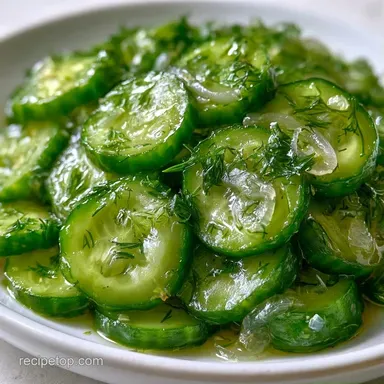
Snappy Garlic and Dill Cucumber Pickles
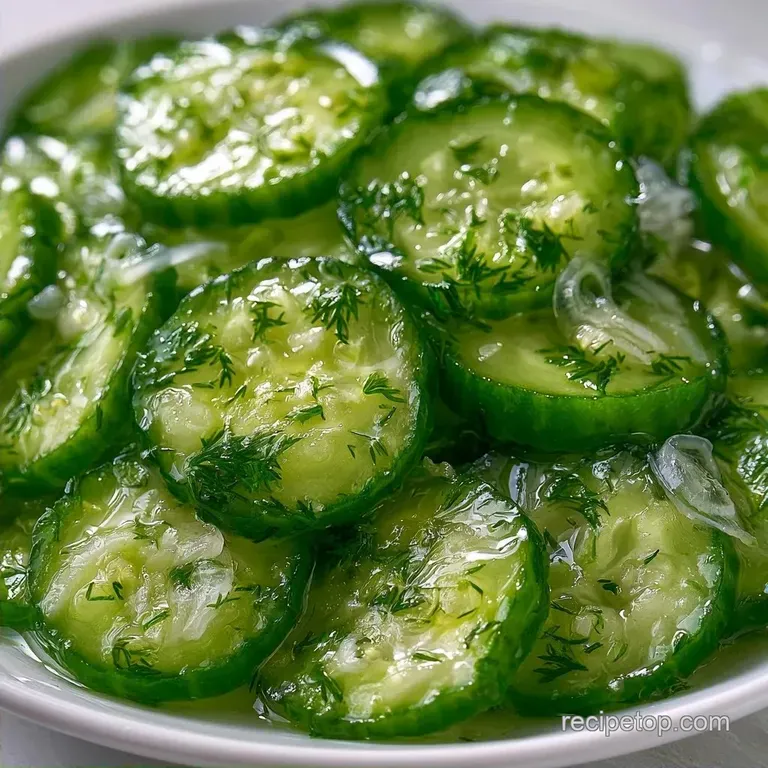
- Time:15 minutes active + 24 hours chilling
- Flavor/Texture Hook: Sharp, vinegary snap with a garlic punch
- Perfect for: Meal prep, sandwich toppings, or a healthy snack
That sharp, satisfying crack when you bite into a cold pickle is everything. I used to think you needed a huge canning setup and a degree in food safety to get that texture at home. I spent way too much money on store-bought jars that were often too sweet or had that weird, metallic aftertaste.
The truth is, you don't need a boiling water bath or specialized equipment for a great batch. Most people overcomplicate it, but the real trick is just knowing which part of the cucumber to toss and how to handle the brine temperature.
You can expect a bright, zesty result that actually tastes like fresh garden produce. These Cucumber Pickles are designed to be kept in the fridge, meaning we skip the scary canning steps and go straight to the eating part.
Cucumber Pickles And The Crunch
Right then, let's talk about why so many home batches end up soft. The biggest culprit is the blossom end of the cucumber. It contains an enzyme that breaks down pectin, which is the stuff that keeps the vegetable firm. If you leave that tiny bit of stem on, your pickles will lose their snap within days.
Another issue is the salt. Using standard table salt often leads to a cloudy brine because of the anti caking agents. I switched to pure pickling salt, and the difference in clarity is huge. It doesn't change the taste much, but it makes the jars look like they came from a professional deli.
Trust me on the temperature too. Pouring boiling brine over cold cucumbers can sometimes "cook" the outside of the slice, leading to a uneven texture. Let the brine simmer, take it off the heat for a minute, and then pour. It keeps the interior raw and the exterior crisp.
Blossom End: Cutting the tip removes enzymes that make pickles soft. Salt Balance: Pickling salt pulls water out to make room for the vinegar.
| Method | Time | Texture | Best For |
|---|---|---|---|
| Hot Brine (Stovetop) | 15 mins | Firm & Sharp | Quick set, high acidity |
| Cold Steep | 48 hours | Mild & Fresh | Delicate flavors, slower cure |
| oven roasted | N/A | Soft | Not recommended for this recipe |
The Quick Specs
If you're planning your week, keep in mind that these aren't instant. While the prep is fast, the flavor needs time to penetrate the center of the cucumber rounds.
Precision Checkpoints:
- Cut exactly 1/16 inch off the blossom end.
- Slice rounds to 1/4 inch thickness.
- Rest in the fridge for a full 24 hours.
Decision Shortcut:
- If you want more heat, add an extra 1/2 tsp of red pepper flakes.
- If you want a sweeter vibe, add 2 tbsp more granulated sugar.
- If you want a sharper snap, use Kirby cucumbers over Persian ones.
The Shopping List
Stick to the specific types of vinegar and salt mentioned here. Using apple cider vinegar is an option, but it adds a fruitiness that can clash with the fresh dill.
| Ingredient | What It Does | Best Swap |
|---|---|---|
| Kirby Cucumbers | Provides the classic thick skin and crunch | Persian cucumbers (thinner skin) |
| White Distilled Vinegar | Preserves the veg and adds the sharp tang | Rice vinegar (milder, needs more salt) |
| Pickling Salt | Draws out moisture without clouding brine | Kosher salt (avoid iodized) |
| Fresh Dill | Adds the signature herbaceous punch | Dill seed (more concentrated, less fresh) |
- 2 lbs Kirby or Persian cucumbers, sliced into 1/4 inch rounds Why this? Kirby has a thicker skin that resists mushiness.
- 4 cloves garlic, smashed Why this? Smashed cloves release oils better than minced.
- 4 sprigs fresh dill, roughly chopped Why this? Fresh herbs provide a brighter flavor than dried.
- 1 small white onion, thinly sliced Why this? Adds a subtle sweetness and sharp bite.
- 1 cup white distilled vinegar Why this? High acidity ensures the crunch stays.
- 1 cup filtered water Why this? Prevents mineral cloudiness in the jar.
- 1/4 cup granulated sugar Why this? Balances the harshness of the vinegar.
- 2 tbsp pickling salt Why this? No additives to keep brine clear.
- 1 tsp whole black peppercorns Why this? Adds a slow, warm heat.
- 1 tsp yellow mustard seeds Why this? Provides a classic pickled depth.
- 1/2 tsp red pepper flakes Why this? Gives a tiny, barely there kick.
The Tool Kit
You don't need a fancy lab here. A medium stainless steel pot is a must because vinegar can react with aluminum or cast iron, giving your brine a metallic taste.
I recommend using quart sized glass jars with tight fitting lids. Plastic containers can absorb the vinegar smell, and you'll be smelling pickles in your fridge for months if you aren't careful.
A sharp chef's knife or a mandoline is helpful for getting those 1/4 inch slices consistent, which ensures they all pickle at the same rate.
Bringing It Together
Let's crack on with the actual process. Keep your cucumbers cold until the moment you slice them to maintain that internal structure.
- Wash cucumbers thoroughly and slice off 1/16th of an inch from the blossom end of each cucumber. Note: This stops the softening enzymes.
- Slice the remaining cucumber into uniform 1/4 inch rounds.
- Pack the cucumber rounds, sliced onions, and smashed garlic into clean quart jars, tucking the fresh dill between the layers.
- In a medium stainless steel saucepan, combine the filtered water, white distilled vinegar, granulated sugar, pickling salt, peppercorns, and mustard seeds.
- Bring the mixture to a simmer over medium heat, stirring occasionally until the sugar and salt are completely dissolved.
- Remove the brine from heat immediately to prevent over reduction.
- Carefully pour the hot brine over the packed cucumbers, ensuring the liquid completely covers the vegetables.
- Seal jars and let them chill/rest for 24 hours before serving.
Chef Note: If you find your cucumbers are floating, you can use a small glass weight or a folded piece of parchment paper to keep them submerged. Any vegetable exposed to air can soften faster.
Avoiding Kitchen Disasters
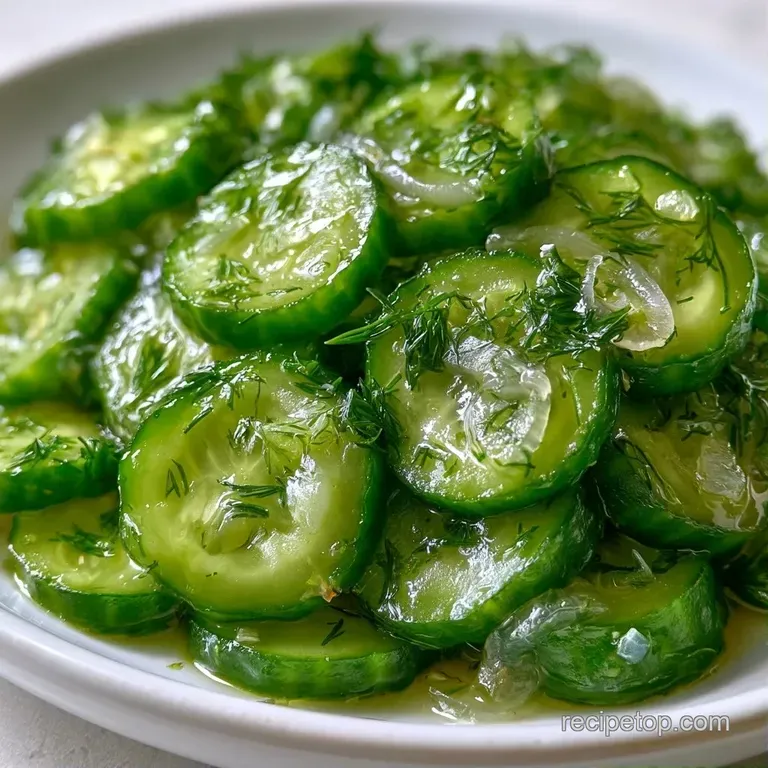
Even with a simple recipe, things can go sideways. Most issues with Cucumber Pickles come down to chemistry and temperature. If you love the taste of sharp dill pickles, you'll notice that the balance of salt and acid is what creates that addictive quality.
Troubleshooting Common Issues
| Issue | Solution |
|---|---|
| Why Your Pickles Turned Mushy | This usually happens because of the blossom end or using "English" cucumbers, which are too watery for this method. Always use Kirby or Persian varieties for the best result. |
| Why Your Brine Is Cloudy | Cloudiness comes from two things: iodized salt or minerals in your tap water. Switching to filtered water and pickling salt clears this right up. |
| Why the Flavor Is Too Harsh | If the vinegar taste is overwhelming, you might have simmered the brine too long, reducing the water content. Keep the simmer brief. |
Changing The Flavor Profile
Once you've nailed the basic Cucumber Pickles, you can start playing with the aromatics. I often swap the white onion for red onion to get a prettier, pinkish hue in the jar.
If you want something more like refrigerator pickles, you can double the dill and add a pinch of celery seed. For a sweet pickled cucumber recipe, increase the sugar to 1/2 cup and add a few cloves.
For those who want a spicy kick, add sliced jalapeños or a teaspoon of crushed red pepper. If you're going low sugar, you can replace the granulated sugar with a stevia blend, though the brine may feel slightly thinner.
Keeping Them Fresh
Since these aren't heat processed for long term shelving, they live in the fridge. They are at their best between day 2 and day 14. After two weeks, they're still safe, but the crunch starts to fade.
Storage Guidelines:
- Fridge: 3-4 weeks in airtight glass jars.
- Freezer: Do not freeze. The water in the cucumbers will expand and destroy the cell walls, leaving you with mush.
- Reheating: Never reheat. These are strictly a cold serve item.
Zero Waste Tip: Don't toss those onion skins or the ends of the cucumbers. Put them in a freezer bag with other veggie scraps. When the bag is full, simmer them with water to make a light vegetable stock for your soups.
Serving Your Pickles
These are an absolute powerhouse on a deli style sandwich. I love pairing them with a sharp cheddar and smoked turkey on toasted rye. The acidity cuts right through the richness of the meat and cheese.
You can also use them to brighten up a gourmet charcuterie board. Place them next to some salty prosciutto and a wedge of brie. The vinegar cleanses the palate between bites of heavy fat. For a healthy snack, just eat them straight from the jar with a fork.
Trust me, once you start making these at home, store-bought jars just won't cut it anymore.
Very High in Sodium
1650 mg 1,650 mg of sodium per serving (72% 72% of daily value)
The American Heart Association recommends a daily sodium limit of no more than 2,300 mg, with an ideal limit of 1,500 mg for most adults to reduce cardiovascular risk.
Tips to Reduce Sodium in Your Pickles
-
Reduce Pickling Salt-30%
Cut the pickling salt amount by half; while salt is key for preservation, reducing it significantly lowers the overall sodium load.
-
Enhance with Acid-15%
Add a squeeze of fresh lemon juice or slightly increase the white distilled vinegar to maintain the 'tang' while using less salt.
-
Substitute with Potassium Salt-10%
Replace a portion of the sodium chloride with a potassium based salt substitute to maintain the brine's chemical balance.
-
Boost Fresh Aromatics
Increase the amount of fresh dill, smashed garlic, and peppercorns to provide a more complex flavor profile that distracts from the reduced salt.
Recipe FAQs
How to make a quick cucumber pickle?
Slice cucumbers and pour hot brine over them. Pack 1/4 inch rounds with garlic, onion, and dill in a jar, then cover with simmering vinegar and water to start the pickling process immediately.
Do you have to boil cucumbers before pickling?
No, this is a common misconception. Boiling the cucumbers often makes them mushy; instead, pour hot brine over raw slices to maintain a crisp texture.
Do homemade dill pickles in vinegar need to be refrigerated?
Yes, they must be kept cold. Since these are refrigerator pickles and not processed in a water bath canner, cold storage is required to prevent spoilage.
How long does it take for the flavors to develop in the pickle?
Wait at least 24 hours. This resting period allows the brine to fully penetrate the Kirby or Persian cucumbers for maximum flavor.
Can brine for refrigerator pickles be reused?
No, discard the brine after use. The acid concentration changes as vegetables release water, and reusing the liquid can introduce harmful bacteria.
How to make homemade pickles with white vinegar?
Simmer white distilled vinegar, filtered water, sugar, and pickling salt. Pour the hot mixture over packed vegetables to create a sharp, clean taste. If you loved balancing acidity here, see how we use the same brine principle in our white vinegar pickles.
How to make pickles out of cucumbers easily?
Slice Kirby or Persian cucumbers into uniform rounds and pack them into jars. Add smashed garlic and fresh dill, then cover with a hot vinegar brine for a simple, no-canning method.
Homemade Cucumber Pickles 3