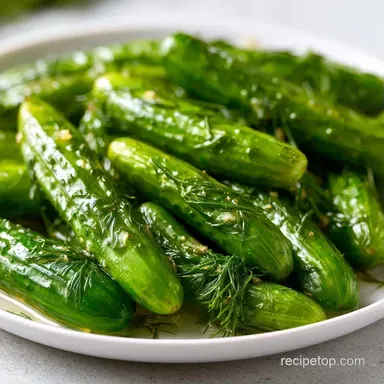
Crispy Homemade Dill Pickles
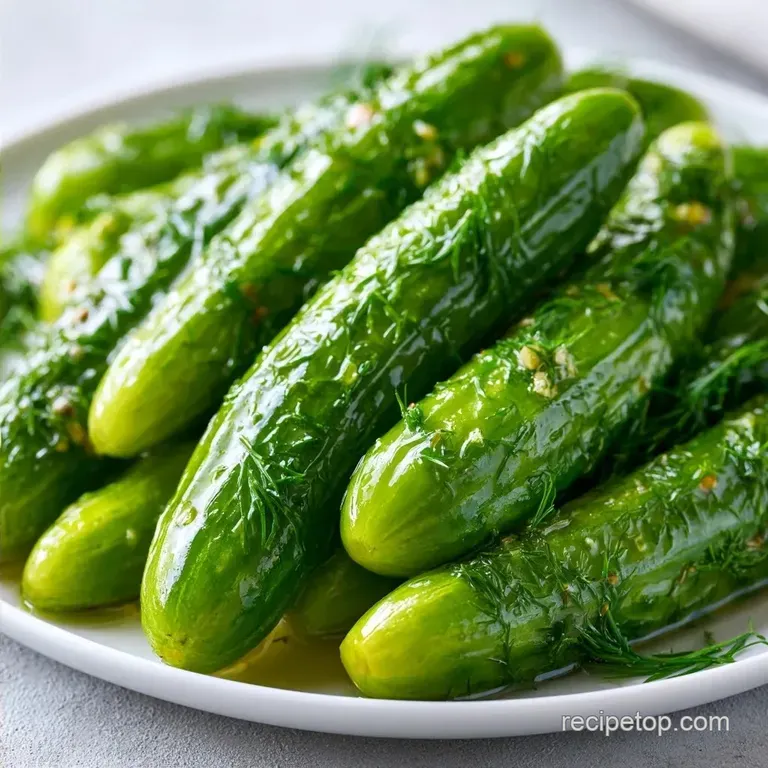
- Time: 15 min active + 24 hours chilling
- Flavor/Texture Hook: Tangy, sharp, and has an audible snap
- Perfect for: Meal prep, sandwich toppings, or a healthy snack
Making Crisp Dill Pickles
That first loud snap when you bite into a cold pickle is everything. For me, the hero here is the Kirby cucumber. I used to try using those long English cucumbers from the store, but they're too watery and end up limp. Kirby cucumbers have a thicker skin and denser flesh that holds up to the vinegar.
If you want a Homemade Dill Pickles Recipe that actually tastes like the deli version, you have to be picky about your produce. This version focuses on keeping that crunch while hitting the right balance of salt and acidity. It's a balanced, low calorie snack that fits right into a healthy meal prep routine.
You'll find that these Homemade Kosher Dill Pickles are a lot more refreshing than the store-bought ones. Since we aren't using heavy preservatives, the flavor stays bright. This is the Best Homemade Dill Pickles method for anyone who hates mushy vegetables.
Why These Pickles Work
- Blossom End Removal: The blossom end contains enzymes that break down pectin. Slicing it off stops the cucumber from getting soft.
- Pre salting: Salt draws out internal moisture through osmosis. This makes room for the brine to penetrate and keeps the texture firm.
- Acid Balance: The 5% acidity in white vinegar inhibits spoilage and creates that sharp, tangy bite.
| Fresh Kirby | store-bought Slices | Impact |
|---|---|---|
| Dense cell structure | Pre processed/Soft | Better snap |
| Fresh aromatics | Artificial flavors | Cleaner taste |
| Total control over salt | High sodium | Healthier |
The trick to a great brine is not over boiling the vinegar. According to Serious Eats, maintaining the correct acidity is what keeps the vegetables preserved and crisp.
What Each Ingredient Does
| Ingredient | What It Does | Best Swap |
|---|---|---|
| Kirby Cucumber | Provides the crunch | Persian cucumbers |
| White Vinegar | Preserves and adds tang | Apple cider vinegar |
| Kosher Salt | Draws out water | Sea salt |
| Fresh Dill | Adds the classic aroma | Dried dill (use less) |
Shopping List Breakdown
- 2 lbs Kirby or Persian cucumbers Why this? Dense walls prevent mushiness
- 1 tbsp Kosher salt (non iodized) for pre salting Why this? Iodine can cloud the brine
- 1 cup white distilled vinegar (5% acidity) Why this? Standard acidity for safety
- 1 cup filtered water Why this? Chlorine in tap water can alter taste
- 1 tbsp Kosher salt (non iodized) for brine Why this? Balances the vinegar sharpness
- 1 tsp granulated sugar Why this? Mutes the harsh acid edge
- 4 cloves garlic, smashed Why this? Adds a pungent, savory base
- 4 sprigs fresh dill Why this? Essential for the signature flavor
- 1 tsp mustard seeds Why this? Adds a subtle earthy heat
- 1 tsp black peppercorns Why this? Provides a slow, warm spice
- ½ tsp coriander seeds Why this? Adds a light citrus note
Chef's Note: Use a vegetable peeler to lightly scrape the skin of the cucumbers if you find them too bitter. Also, smash your garlic with the flat of a knife rather than mincing it to keep the jars cleaner.
Step-by-step Brining
- Scrub cucumbers clean. Slice off approximately 1/16th of an inch from the blossom end of each cucumber to remove softening enzymes.
- Cut cucumbers into spears or thick coins.
- Toss cucumbers with 1 tbsp (15g) of salt in a colander for 30 minutes until they look slightly wilted and release water; rinse and pat dry.
- In a small saucepan, combine water, vinegar, salt, and sugar.
- Bring the mixture to a simmer over medium heat, stirring until the salt and sugar are completely dissolved.
- Remove the brine from heat immediately to prevent the vinegar from reducing.
- Divide the smashed garlic, fresh dill sprigs, mustard seeds, peppercorns, and coriander seeds evenly between two 1 qt glass mason jars.
- Pack the cucumber spears vertically into the jars, leaving about ½ inch of headspace, pressing down firmly.
- Pour the hot brine over the cucumbers until they are completely covered.
- Wipe the rims, seal with lids, and let the jars sit at room temperature until cool.
- Place in the refrigerator for at least 24 hours before serving.
Fixing Common Pickle Problems
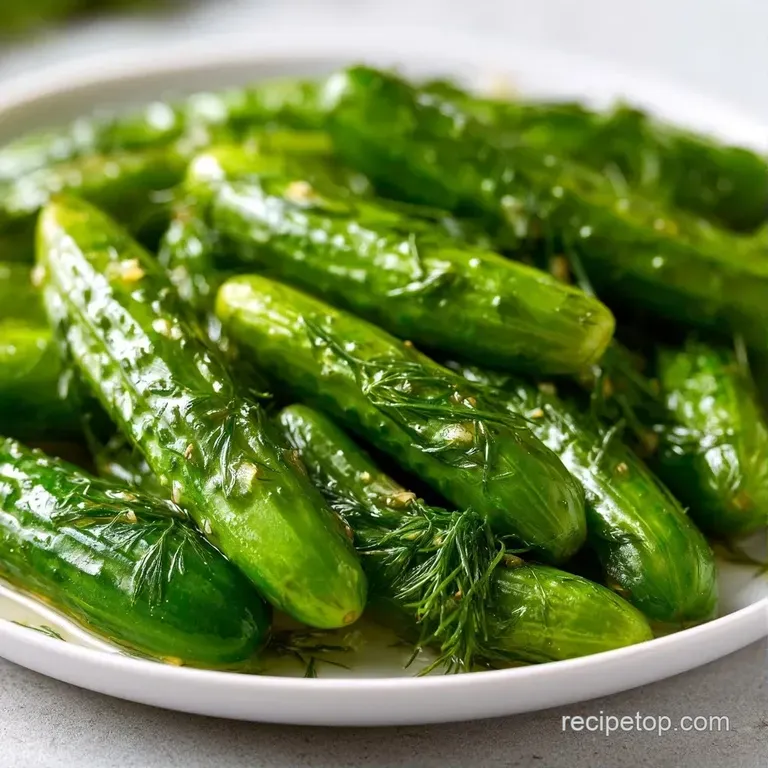
If your Dill Pickles come out soft, it's usually due to the enzymes I mentioned earlier or using a cucumber with too much water. Another issue is "cloudy brine," which often happens if you use iodized salt instead of Kosher salt.
Troubleshooting Common Issues
| Issue | Solution |
|---|---|
| Why Your Pickles Are Mushy | This happens when the pectin breaks down. Either the blossom ends weren't removed, or the cucumbers were too ripe. |
| Why Your Brine Is Cloudy | Iodine in table salt reacts with the vinegar. It doesn't affect safety, but it looks unappealing. |
| Why The Flavor Is Too Sharp | If the vinegar is overwhelming, you might have simmered the brine too long, concentrating the acid. |
Mix It Up
You can easily adapt this for different tastes. If you want a spicy version, add two sliced habaneros or a teaspoon of red pepper flakes to each jar. For an Old Fashioned Dill Pickle Recipe vibe, add a few leaves of grape or oak leaf to the jar, which adds tannins for extra crunch.
If you're looking for something a bit different, try my Pickles with Fresh Dill recipe for a quicker turnaround. You could also try Pickles with White Vinegar recipe if you prefer a more traditional vinegar forward profile.
For those wondering about Dill Pickles for Canning, these are refrigerator pickles. To make them shelf stable, you'll need to process them in a boiling water bath for 10-15 minutes. Just be careful, as canning usually softens the cucumber more than the refrigerator method does.
Storage and Brine Use
Store these in the fridge for up to 4 weeks. Keep them tightly sealed to prevent the vinegar smell from taking over your refrigerator. If you freeze them, the cell walls will rupture, and they'll turn into mush, so don't do that.
Don't toss the leftover liquid. This is essentially the Best Pickle Brine Recipe for other uses. Use it as a marinade for fried chicken or add a splash to a Bloody Mary for a salty, acidic kick. If you have leftover cucumber ends, toss them into a compost bin or blend them into a green smoothie.
Serving Suggestions
These go great with a lean protein like grilled chicken or a turkey sandwich. I love them sliced thin on a burger to cut through the fat. Since they're low in calories, they make a great snack for when you're craving something salty but want to stay healthy.
Right then, you've got everything you need for some Easy Homemade Dill Pickles. Just remember: slice the ends, salt the cucumbers, and let them chill. Trust me, the wait is worth it for that snap.
Critical Sodium Level
1315 mg 1,315 mg of sodium per serving (57% 57% of daily value)
The American Heart Association recommends a limit of 2,300 mg of sodium per day, with an ideal limit of 1,500 mg for most adults to reduce the risk of cardiovascular disease.
Tips to Reduce Sodium
-
Skip the Pre-Salting-25%
Completely omit the 1 tbsp of salt used for pre-salting the cucumbers to significantly lower the total sodium load.
-
Reduce Brine Salt-25%
Reduce the Kosher salt in the brine by half or use a low-sodium pickling salt alternative.
-
Use Potassium Salt-20%
Replace a portion of the salt with a potassium based salt substitute to maintain the savory flavor with less sodium.
-
Boost Acidity-10%
Slightly increase the distilled vinegar or add a splash of lemon juice to enhance the 'tang' and compensate for less salt.
-
Maximize Aromatics
Double the amount of fresh dill and smashed garlic to provide more punch and flavor without adding any sodium.
Recipe FAQs
What is the secret to crisp dill pickles?
Pre-salt the cucumbers and remove the blossom ends. Tossing slices in salt for 30 minutes draws out excess water, while removing the blossom end eliminates softening enzymes that cause mushiness.
Is it true that the 321 rule is the only way to brine pickles?
No, this is a common misconception. Many successful recipes, including this one, use a balanced 1:1 ratio of water and white distilled vinegar to achieve the perfect flavor.
What vinegar makes the best dill pickles?
White distilled vinegar with 5% acidity. This provides the sharp, clean tang essential for a classic dill flavor without adding unwanted colors or flavors.
How to make homemade pickles with white vinegar?
Simmer water, white distilled vinegar, salt, and sugar until dissolved, then pour the hot brine over cucumbers packed with garlic, dill, and seeds. For a smaller version, try our vinegar pickles method.
Do homemade dill pickles in vinegar need to be refrigerated?
Yes, always keep them chilled. Because these are not processed in a water bath canner, they must be stored in the fridge for up to 4 weeks to remain safe and crunchy.
How long does it take for the flavors to develop in the pickle?
At least 24 hours. While they are submerged immediately, the brine needs a full day in the refrigerator to fully penetrate the cucumber and meld with the aromatics.
Can brine for refrigerator pickles be reused for a new batch?
No, do not reuse it for more pickles. Instead, use the leftover liquid as a salty marinade for fried chicken or add a splash to a Bloody Mary.
Homemade Dill Pickles