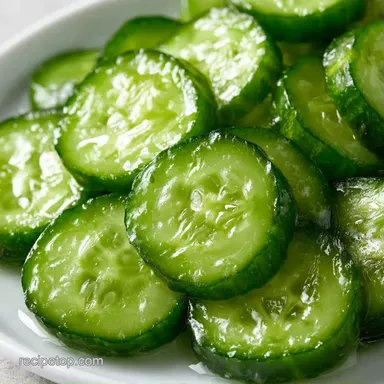
Crunchy Homemade Cucumber Pickles
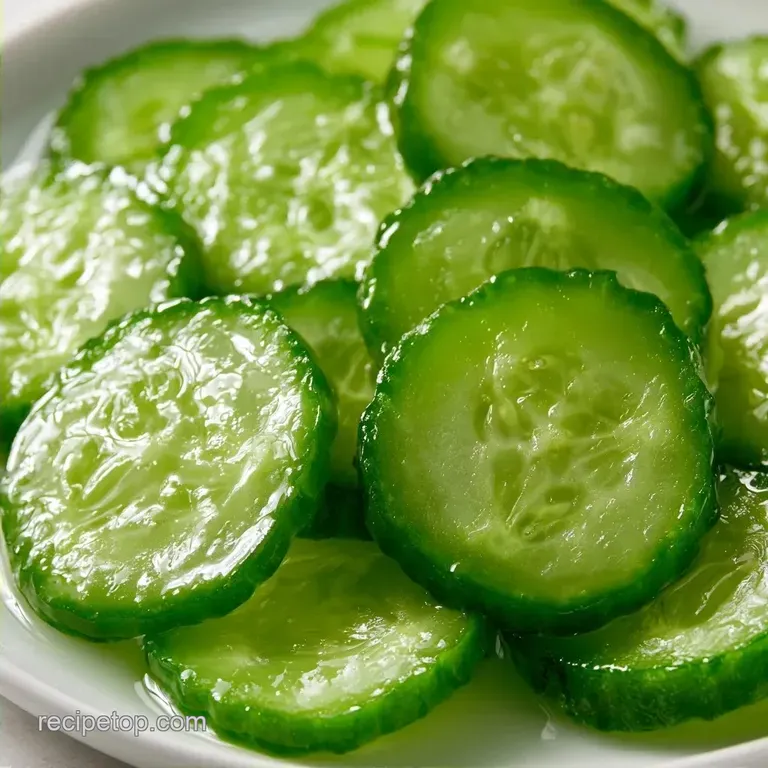
- Time: 20 min active + 24 hours chilling
- Flavor/Texture Hook: Sharp, tangy, and seriously crunchy
- Perfect for: Meal prep, burger night, or a healthy snack
- How to Make Cucumber Pickles
- Why These Pickles Stay Crunchy
- What Each Ingredient Does
- Gear for the Job
- The Step by Step Process
- Solving Common Texture Issues
- Troubleshooting Common Issues
- Customizing Your Flavor Profile
- Keeping the Crunch Long-term
- Best Sides and Pairings
- Pickle Misconceptions
- Recipe FAQs
- 📝 Recipe Card
That loud, satisfying crack when you bite into a pickle is what makes or breaks the whole experience. Most home cooks deal with the same nightmare: they pull a jar out of the fridge only to find soft, rubbery slices that feel more like marinated sponges than actual pickles.
It's usually because the cucumber's internal water dilutes the brine, leading to a mushy texture.
I used to just toss everything in a jar and hope for the best, but the results were inconsistent. Once I started pre salting the slices, everything changed. This targeted fix removes the excess water, creating a denser cell structure that holds onto the vinegar.
You can expect a bright, balanced flavor that isn't overly sweet. These Cucumber Pickles rely on a clean, acidic base that cuts through rich foods. Right then, let's get into how to actually do this without the sogginess.
How to Make Cucumber Pickles
Getting the texture right starts with the variety of cucumber. I always go for Kirby or Persian ones because they have thinner skins and smaller seeds, which means they don't get as watery as the giant English ones. If you want the best pickled cucumber recipe, you have to prioritize the snap over everything else.
Honestly, don't even bother with low quality vinegar. Distilled white vinegar provides that classic, sharp punch we all crave. This method focuses on a balanced brine that preserves the nutrition of the vegetables while keeping the flavors bright and punchy.
This approach is a favorite for those looking for easy refrigerator pickle recipes. It avoids the hassle of a boiling water bath while still giving you a product that lasts for weeks in the fridge.
Why These Pickles Stay Crunchy
- Salt Curing: Salt draws water out of the cucumber cells through osmosis, which prevents the slices from becoming diluted and soft.
- Temperature Control: Pouring the brine while hot helps the flavors penetrate quickly, but cooling them before refrigerating stops the cooking process.
The balance between the acidity of the vinegar and the sugar ensures the pectin in the cucumber walls remains firm. This is what gives you that signature crunch.
Before we dive into the ingredients, check out how the method changes the final result.
| Method | Time | Texture | Best For |
|---|---|---|---|
| Stovetop (Hot) | 20 min | Firm, Traditional | Long term fridge storage |
| Cold Soak | 10 min | Soft, Fresh | Immediate eating |
What Each Ingredient Does
Every part of the brine has a job. If you skip the salt, you get mush. If you skip the sugar, it's too harsh.
| Ingredient | What It Does | Best Swap |
|---|---|---|
| White Vinegar | Provides acidity and preservation | Apple Cider Vinegar (fruitier) |
| Granulated Sugar | Balances the sharp acidity | Honey (floral notes) |
| Fresh Dill | Adds the classic herbal aroma | Dried Dill (stronger, less fresh) |
| Garlic Cloves | Adds a savory, pungent depth | Garlic Powder (less punch) |
Gear for the Job
You don't need a professional kitchen for this. A few basic tools will do the trick.
- 4 wide mouth pint sized Mason jars with lids
- A medium saucepan for the brine
- A colander for salting the cucumbers
- A sharp chef's knife or a mandoline slicer
The step by step Process
Learning how to pickle cucumbers with vinegar is mostly about timing and precision. Follow these steps for the best result.
- Slice the cucumbers into uniform 1/4 inch rounds. Note: Uniform size ensures they brine evenly.
- Toss the slices with 2 tbsp Kosher salt in a colander and let them sit for 30 minutes until they look wilted and release liquid.
- Rinse the cucumbers under cold water to remove excess salt and pat dry.
- Combine 1 cup distilled white vinegar, 1 cup filtered water, 1/4 cup granulated sugar, and 1 tbsp pickling salt in a saucepan.
- Bring the mixture to a simmer over medium heat, stirring until the sugar and salt have completely dissolved.
- Remove the brine from heat immediately to avoid over reducing the vinegar.
- Distribute the smashed garlic, fresh dill, peppercorns, and mustard seeds evenly across the bottom of 4 wide mouth pint sized Mason jars.
- Pack the Cucumber Pickles tightly into the jars, leaving 1/2 inch of headspace at the top.
- Pour the hot brine over the cucumbers until they are fully submerged.
- Seal the lids tightly and let the jars cool to room temperature before moving them to the fridge for 24 hours.
Solving Common Texture Issues
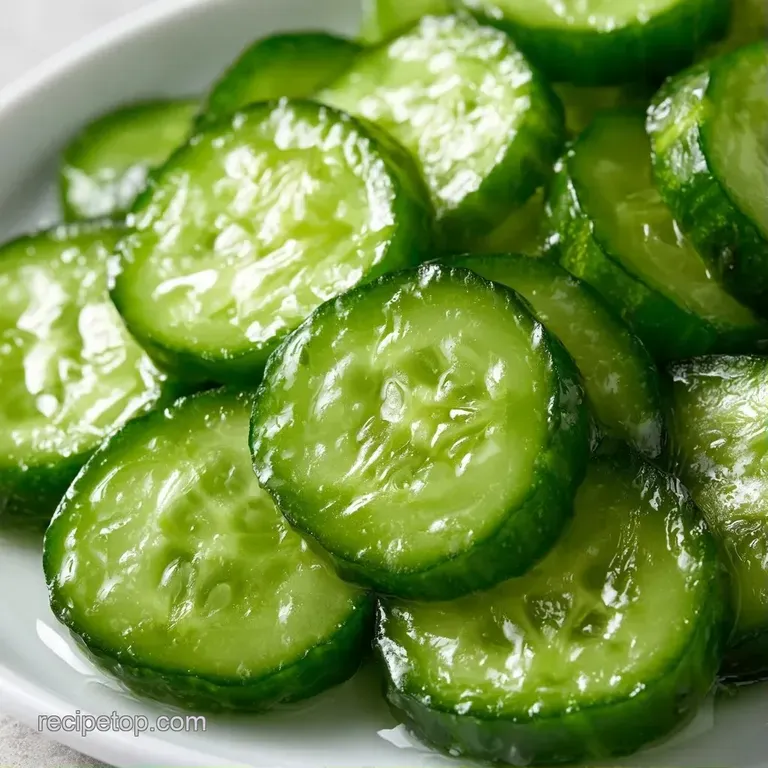
Even with a good plan, things can go sideways. Usually, it's a matter of water content or salt ratios. If you find your batch is a bit off, don't panic. For a slightly different herb balance, my [easy dill pickle recipe](https://recipetop.com/recipes/easy cucumber-pickle recipe/) is a great alternative.
Troubleshooting Common Issues
| Issue | Solution |
|---|---|
| Why Your Pickles Are Mushy | This is the most common fail. It happens when the cucumbers aren't salted long enough, or you used a variety with too much water. The salt step is non negotiable for a crisp result. |
| Why Your Brine Is Cloudy | Cloudiness usually comes from impurities in the water or using a vinegar that isn't distilled. It doesn't affect the taste, but it looks less clean. Use filtered water next time to keep it clear. |
| Why Your Pickles Taste Too Salty | If they're overwhelming, you likely didn't rinse them well enough after the 30 minute salt cure. The surface salt is meant to draw water out, not stay on the vegetable. |
Customizing Your Flavor Profile
Once you have the base down, you can play with the aromatics. I love adding a few slices of fresh jalapeño for a kick, or swapping the dill for mustard seeds and celery seed to move toward a more traditional deli style.
If you want something faster for a side dish, try this [quick pickled cucumber salad](https://recipetop.com/recipes/quick pickled-cucumber salad/). It's a different vibe but uses similar logic.
You can also create a sweet pickled cucumber recipe by increasing the sugar to 1/2 cup and adding a pinch of turmeric for that yellow Bread and Butter Pickles look.
Here is a quick decision guide for flavor tweaks:
- If you want more heat, add 1 tsp red pepper flakes to the brine.
- If you want a sweeter brine, increase sugar to 1/3 cup.
- If you want a sharper tang, use 1.25 cups of vinegar.
Keeping the Crunch Long term
Storing these Cucumber Pickles correctly is what keeps them from degrading. Since these are refrigerator pickles, they aren't shelf stable. Keep them in the coldest part of your fridge, away from the door where the temperature fluctuates.
They'll stay crisp for about 3 to 4 weeks. If you're looking for something that lasts a year, you'd need to move toward canned cucumber pickles using a water bath canner, but that's a whole other process. For most of us, the fridge method is plenty.
To avoid waste, don't throw away the leftover brine. It's basically a seasoned vinegar. I use it as a base for potato salad dressings or to quick pickle some thinly sliced red onions for tacos. It's a great way to keep the flavors in your kitchen circular.
Best Sides and Pairings
The acidity of these Cucumber Pickles makes them the perfect partner for fatty or rich foods. I always serve them alongside a juicy burger or a deli style roast beef sandwich. The brine cuts right through the fat, cleaning your palate between bites.
They also work well on a charcuterie board with some sharp cheddar and salty salami. If you're feeling healthy, toss them into a grain bowl with quinoa and chickpeas for a burst of brightness.
Trust me on this, the best way to enjoy these is straight from the jar as a midnight snack. The combination of the garlic and dill makes them incredibly satisfying without adding a lot of calories to your day.
Pickle Misconceptions
Many people think you have to boil the cucumbers to make them "safe." That's a myth for fridge pickles. Boiling actually destroys the cell walls, which is exactly why some store-bought versions feel soft. Keep the veg raw and let the vinegar do the work.
Another common thought is that all vinegars are interchangeable. While you can use apple cider vinegar, it adds a fruity sweetness that changes the profile. For that classic, sharp snap, distilled white vinegar is the way to go.
Finally, some believe that the more salt you add, the crunchier they get. That's not true. Too much salt just makes them inedible. The 30 minute cure is about water removal, not seasoning.
Recipe FAQs
Which vinegar is best for pickling cucumbers?
Distilled white vinegar. It provides a sharp, clean acidity that keeps the cucumbers bright without altering their color.
Do homemade dill pickles in vinegar need to be refrigerated?
Yes, they must be. Since these are refrigerator pickles and not heat processed for canning, they require constant chilling to remain safe and crisp.
How long does it take for the flavors to develop in the pickle?
At least 24 hours. While you can eat them sooner, refrigerating the jars for a full day allows the brine to fully penetrate the cucumber slices.
How to make sweet pickles without canning?
Simmer granulated sugar, vinegar, water, and pickling salt. Pour the hot liquid over cucumbers and store them in the refrigerator. If you enjoyed the crunch here, try our dill pickles with onion for a savory variation.
How to make homemade pickles with white vinegar?
Combine distilled white vinegar with filtered water, sugar, and salt. Bring the mixture to a simmer and pour it over cucumbers packed with smashed garlic, fresh dill, and peppercorns.
Is it true I can skip the salt soak and still get crunchy pickles?
No, this is a common misconception. Salting the cucumber slices for 30 minutes to draw out excess water is non-negotiable for preventing mushy pickles.
Can you pickle with just vinegar?
No, use a balanced brine. Mixing distilled white vinegar with filtered water ensures the acidity is not too overwhelming for the palate.
Homemade Cucumber Pickles 2