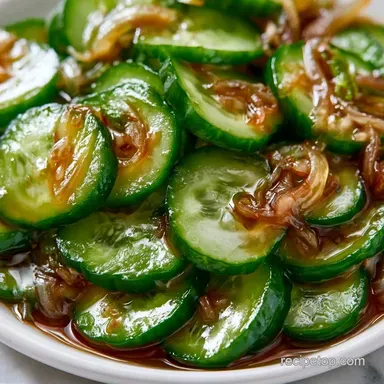
Easy Bread and Butter Pickles: Seriously Crunchy
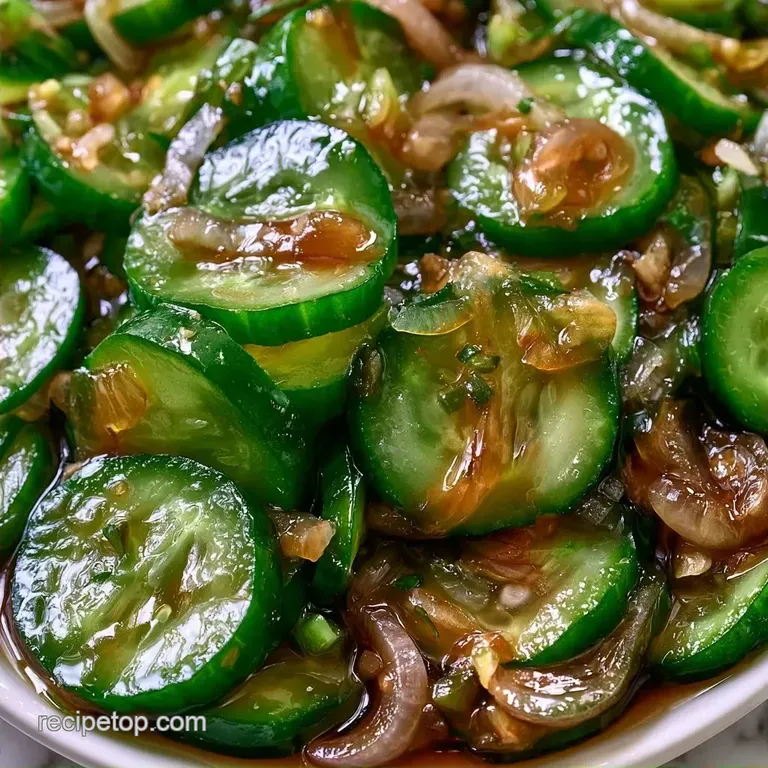
- Time: 30 min active + 3 hours chilling
- Flavor/Texture Hook: Tangy, sweet, and seriously crunchy
- Perfect for: Burger nights, deli platters, or meal prep
That smell of apple cider vinegar and sugar bubbling on the stove always takes me back to my grandma's kitchen. I remember the sound of the jars clinking as she packed them tight. There's nothing like that first bite where the sugar hits first, then the vinegar snaps through.
Most people think you need a fancy canning setup to get this right, but you don't. You just need a bit of patience while the cucumbers sit in the fridge. These are the kind of pickles that make a basic sandwich feel like it came from a high end deli.
Whether you're prepping for a big party or just want something tangy in the fridge, this version is a winner. It's straightforward and relies on a few basic pantry staples. Trust me on this, the wait time is what makes the difference.
Easy Bread and Butter Pickles Recipe
The real issue with most recipes is they skip the "sweating" phase. They just toss the cucumbers in brine and hope for the best. That leads to pickles that are soft or watery because the cucumber's internal moisture dilutes the flavor.
By soaking the slices in salted ice water first, you draw out the excess water. This tightens the cell walls of the vegetable. It ensures that when the hot brine hits, the cucumber absorbs the flavor without losing its snap.
If you're in a rush, you might be tempted to skip the three hour wait. Don't. That's the difference between a pickle that cracks when you bite it and one that feels like a soggy chip.
How Salt Keeps Things Crunchy
Osmosis: Salt pulls water out of the cucumber cells, making them denser. Cell Structure: Removing excess water prevents the vinegar from breaking down the pectin too quickly.
| Method | Time | Texture | Best For |
|---|---|---|---|
| Fresh Soak | 3 hours | Firm, snappy | Long term storage |
| Quick Brine | 1 hour | Softer, juicier | Same day eating |
Quick Recipe Specs
This recipe is designed for a family sized batch. It yields about 4 pint jars, which is plenty for a few weeks of sandwiches. I usually make a double batch when cucumbers are in season because they're so cheap in August.
The active work is minimal, mostly just slicing and stirring. The most "work" is the 15 minutes of simmering the brine. It's a very low stress process that doesn't require you to stand over the pot the whole time.
What You'll Need
I prefer using pickling salt here. Regular table salt often has anti caking agents that can make your brine look cloudy. It doesn't change the taste, but clear brine looks way better in the jar.
| Original Ingredient | Substitute | Why It Works |
|---|---|---|
| Pickling Salt (1/4 cup) | Kosher Salt | Similar coarse grain. Note: Use slightly more as it's less dense |
| Apple Cider Vinegar | White Vinegar | Higher acidity. Note: Lacks the fruity depth of cider vinegar |
| Granulated Sugar | Honey | Natural sweetener. Note: Changes the brine thickness and color |
| Yellow Onion | Red Onion | Adds a sharper bite. Note: Turns the brine a slight pinkish hue |
Ingredient Deep Dive
| Ingredient | What It Does | Best Swap |
|---|---|---|
| Pickling Cucumbers | Provides the crunch | Kirbys |
| Apple Cider Vinegar | Adds acidity and tang | White wine vinegar |
| Turmeric | Gives that yellow color | A pinch of saffron |
Necessary Kitchen Tools
You don't need a professional kitchen for this. A large non reactive bowl is the most important part. Avoid aluminum or copper bowls because the vinegar and salt will react with the metal and leave a metallic taste in your pickles.
A stainless steel pot works best for the brine. I also suggest using a colander for rinsing the cucumbers. If you have a mandoline slicer, it'll save you a lot of time on the 1/4 inch rounds, but a sharp chef's knife works just fine.
Step-by-step Prep
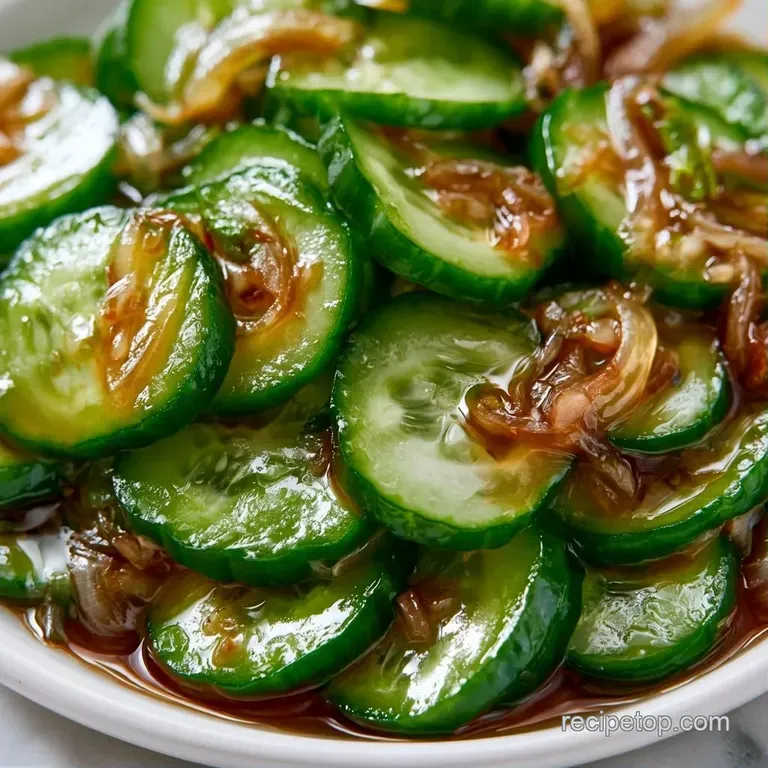
Phase 1: The Crispness Prep
- Slice the cucumbers into 1/4 inch rounds and thinly slice the yellow onion.
- Combine the vegetables in a large non reactive bowl.
- Toss them with 1/4 cup pickling salt. Note: This starts the moisture extraction.
- Cover the mixture completely with 4 cups of ice water.
- Let it sit in the refrigerator for 3 hours until the cucumbers feel firmer.
- Drain the vegetables in a colander and rinse them thoroughly with cold water. Note: Rinsing prevents the pickles from being too salty.
Phase 2: Simmering the Brine
- Combine 2 cups apple cider vinegar, 1 cup sugar, 1 tbsp mustard seeds, 1 tsp celery seeds, 1/2 tsp turmeric, and 1/2 tsp salt in a pot.
- Bring the mixture to a gentle boil over medium high heat.
- Reduce heat and simmer for 5 minutes until the sugar is completely dissolved.
Phase 3: Packing and Finishing
- Pack the rinsed cucumbers and onions tightly into 4 clean glass jars.
- Leave about 1/2 inch of headspace at the top.
- Pour the hot brine over the vegetables.
- Seal the jars tightly.
Chef's Tip: Use a butter knife or a small spatula to press the cucumbers down firmly into the jars. The tighter they are, the less they'll float, which keeps them submerged in the brine.
Fixing Common Problems
The biggest struggle people have with homemade pickles is the texture. If they come out soft, it's usually because of the water content in the cucumber or the temperature of the brine.
Troubleshooting Common Issues
| Issue | Solution |
|---|---|
| Why Your Pickles Are Soft | This usually happens if the salt soak was skipped or too short. It can also happen if the cucumbers were too ripe. |
| Why The Brine Is Cloudy | Cloudiness is almost always caused by using iodized table salt. The iodine and anti caking agents react with the vinegar. It's purely a visual issue and won't affect the taste or safety. |
| Why The Flavor Is Too Sharp | If the vinegar is overpowering, you might have used a vinegar with higher than 5% acidity. You can balance this by adding a teaspoon of sugar to the jar before sealing. |
Flavor Twist Ideas
Once you've got the base down, you can play with the aromatics. I like to add a pinch of red pepper flakes if I want a little heat. It doesn't make them spicy, just gives a tiny tingle at the end.
For a more herbal note, toss in a sprig of fresh dill or some peppercorns. If you find the sugar too intense, you can reduce it by 1/4 cup. Just be careful, as the sugar helps preserve the color and balance the acidity.
If you're looking for other ways to use your garden harvest, a Classic Zucchini Bread Recipe is a great way to use up summer squash alongside your pickling project.
Storage and Scraps
Keep these jars in the refrigerator. They'll stay fresh and crunchy for about 3 to 4 weeks. If you're canning them for the pantry, follow standard water bath canning procedures, but for most of us, the fridge is plenty.
Don't throw away the leftover brine once you've eaten the pickles. It's basically a seasoned vinegar. I use it as a base for a quick vinaigrette or to marinate chicken before grilling. It adds a great tangy depth to proteins.
Winning Food Pairs
These pickles are designed to cut through fat. That's why they're the standard for burgers and sandwiches. The acidity resets your palate between bites of rich meat and melted cheese.
They also work great on a charcuterie board. Pair them with a sharp cheddar, some salty salami, and a bit of grainy mustard. For a side, they go well with something creamy, like a potato salad or a Homemade Italian Dressing on a crisp garden salad.
Quick Decision Guide
- If you want more heat: Add 1/2 tsp red pepper flakes to the brine.
- If you want more tang: Increase vinegar by 1/4 cup and reduce sugar by 2 tbsp.
- If you want more aroma: Add 2 smashed garlic cloves to each jar.
Common Pickling Myths
Searing or boiling the cucumbers before brining "locks in" the crunch. This is false. Boiling actually softens the cell walls, making them mushy. The cold salt soak is the only way to go.
White vinegar is the only option for clear pickles. Not true. Apple cider vinegar gives a better flavor and a slightly warmer color, and while it's not crystal clear, it's more traditional for bread and butter styles.
Recipe FAQs
How to make quick bread and butter pickles?
Combine sliced cucumbers and onions in a non-reactive bowl. Toss with pickling salt and ice water, refrigerate for 3 hours, then rinse and pack them into jars with a simmered brine of vinegar, sugar, and spices.
What is the brine for bread and butter pickles?
Simmer apple cider vinegar, sugar, mustard seeds, celery seeds, turmeric, and salt. Bring the mixture to a boil over medium high heat and simmer for 15 minutes until the sugar dissolves.
How to make sweet pickles without canning?
Pack the rinsed cucumbers and onions tightly into clean glass jars. Pour the hot brine over the vegetables, seal the jars, and store them in the refrigerator for 3 to 4 weeks.
Do these homemade pickles need to be refrigerated?
Yes, keep them in the refrigerator. This maintains the crunch and ensures they stay fresh without the need for a water bath canning process.
Can brine for refrigerator pickles be reused?
Yes, it is essentially a seasoned vinegar. Use it as a base for vinaigrettes or to marinate chicken; if you enjoyed the flavor balancing here, see how we use similar acid techniques in our garden tomato sauce.
Why are my pickles soft instead of crunchy?
Usually, the salt soak was skipped or too short. Using cucumbers that are too ripe can also lead to a loss of texture.
Is it true that cloudy brine means the pickles have spoiled?
No, this is a common misconception. Cloudiness is typically caused by the iodine in table salt reacting with the vinegar and does not affect the safety or taste.
Easy Bread And Butter Pickles