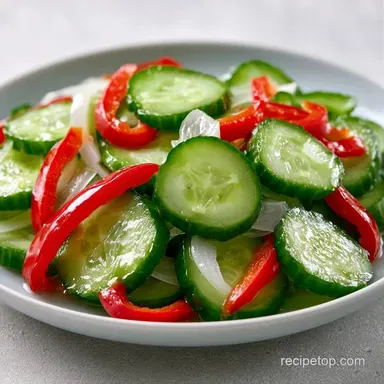
Crunchy Sweet Refrigerator Pickles
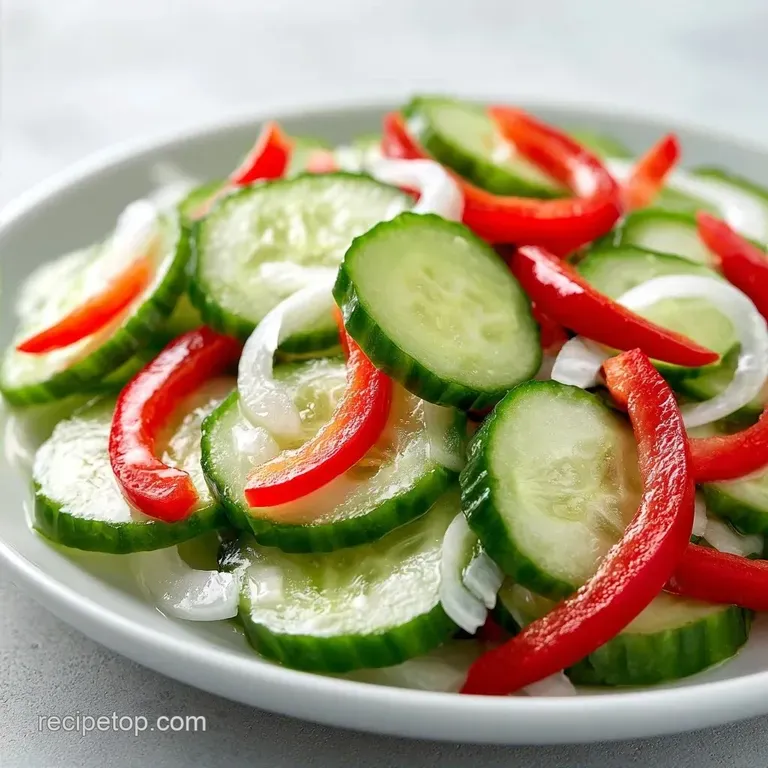
- Time: 20 min active + 24 hours chilling
- Flavor/Texture Hook: Sweet, tangy, and distinctly crunchy
- Perfect for: Meal prep, burger toppings, or holiday platters
Have you ever wondered why some pickles snap loudly when you bite them, while others just feel like mush? It usually comes down to how the brine interacts with the cell walls of the cucumber. I used to just throw things in a jar and hope for the best, but the results were hit or miss.
The real trick is the temperature of the liquid and the type of cucumber you pick. When you use the right variety and a heated brine, the flavors sink in deeper and faster. You get a result that tastes like it's been curing for weeks, but it's ready in a day.
These Sweet Refrigerator Pickles are designed for people who want that classic deli taste without the hassle of a boiling water bath. We're focusing on a precise ratio of apple cider vinegar and sugar to keep things bright and fresh.
How to Make Sweet Refrigerator Pickles
The Hot Brine: Heating the vinegar and sugar forces the solution into the cucumber's pores faster than a cold soak.
Salt Density: Using kosher salt instead of table salt prevents the brine from tasting "sharp" or overly salty.
Cold Cure: The 24 hour chill period allows the osmotic pressure to stabilize, which locks in the crunch.
| Method | Prep Time | Texture | Best For |
|---|---|---|---|
| Hot Brine | 20 mins | Very Crunchy | Fast flavor infusion |
| Cold Soak | 20 mins | Softer | Raw enzyme preservation |
| Fermented | 2 weeks | Complex/Sour | Probiotic focus |
The choice of cucumber matters more than most people think. According to the guides at Serious Eats, Kirby or Persian cucumbers have thinner skins and denser interiors, which prevents them from absorbing too much water and becoming soggy.
Ingredient Deep Dive
| Ingredient | What It Does | Best Swap |
|---|---|---|
| Apple Cider Vinegar | Provides the tang | White distilled vinegar (sharper) |
| Granulated Sugar | Balances the acid | Honey (thicker, floral) |
| Kosher Salt | Draws out moisture | Sea salt (similar effect) |
| Mustard Seeds | Adds earthy depth | Celery seeds (more herbal) |
I prefer apple cider vinegar here because it has a softer, fruitier profile than white vinegar. It complements the sugar without making the jar taste like candy.
The Gear List
You don't need a professional kitchen for this. A medium saucepan for the brine and two 32 oz Mason jars are the essentials. Use a sharp chef's knife or a mandoline to get the cucumber rounds exactly 1/4 inch thick. If they're too thin, they lose their structural integrity. If they're too thick, the center stays bland.
A tight fitting lid is a must. Since we aren't canning these for the shelf, any airtight seal works, but Mason jars are the standard for a reason. They handle the heat of the brine without cracking.
The step-by-step Method
Prepping the Produce
Slice 2 lbs of Kirby or Persian cucumbers into 1/4 inch rounds. Thinly slice 1 medium white onion and 1 red bell pepper. Pack these vegetables tightly into two 32 oz Mason jars. Leave about an inch of headspace at the top so the liquid doesn't overflow.
Simmering the Brine
Combine 2 cups apple cider vinegar, 1 cup granulated sugar, 2 tbsp kosher salt, 1 tsp mustard seeds, 1/2 tsp celery seeds, and 1/2 tsp black peppercorns in a medium saucepan. Heat over medium high, stirring occasionally.
Cook for 5 mins until the sugar and salt dissolve and the liquid reaches a light simmer.
Finishing the Infusion
Carefully pour the hot brine over the vegetables in the jars. Make sure the vegetables are completely submerged. Wipe the rims clean, seal the lids tightly, and let the jars cool to room temperature on the counter.
The Cold Cure
Transfer the jars to the refrigerator. Let them cure for at least 24 hours before opening. This waiting period is where the Sweet Refrigerator Pickles actually develop their flavor.
| Checkpoint | Target | Why It Matters |
|---|---|---|
| Slice Thickness | 1/4 inch | Ensures consistent brine penetration |
| Brine Temp | Light Simmer | Dissolves solids without evaporating acid |
| Cure Time | 24 hours | Prevents "raw" cucumber taste |
If you're looking for a version that isn't sweet, you can try this Quick Homemade Pickle Recipe for a more savory, dill forward profile.
Fixing Common Issues
Troubleshooting Common Issues
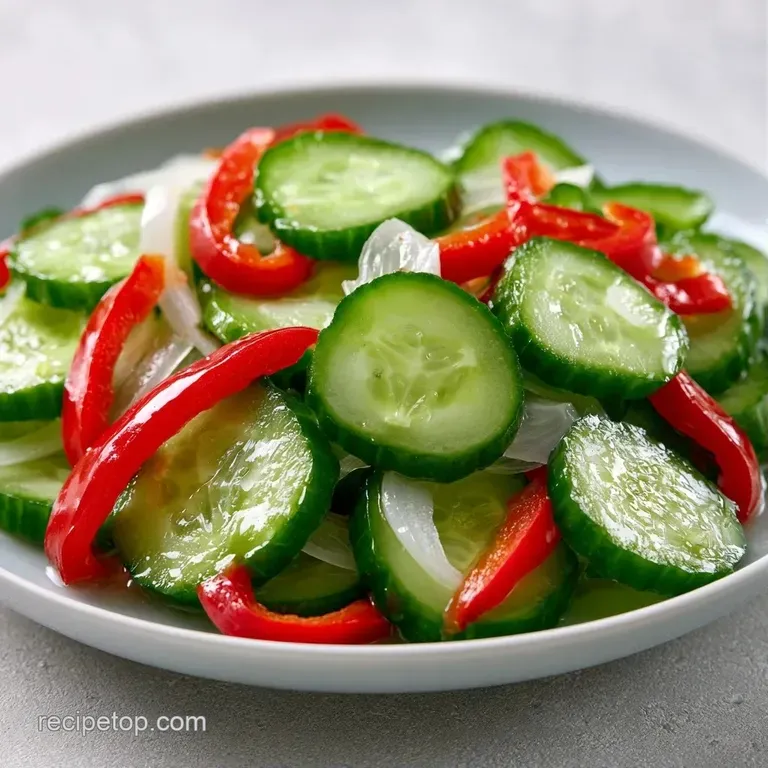
| Issue | Solution |
|---|---|
| Why Your Pickles Are Soft | Sogginess usually happens if the cucumbers were too ripe or if you used a "slicing" cucumber instead of a "pickling" variety. Slicing cucumbers have more water and thinner cell walls. |
| Why the Brine is Too Tart | If the acidity is overwhelming, it's usually because the sugar didn't fully dissolve or the vinegar evaporated too much during the simmer. |
| Why the Veggies Float | Floating vegetables can lead to soft spots where the air hits the produce. Press them down with a clean spoon or use a small glass weight to keep everything submerged. |
Right then, let's talk about how to tweak this. These Sweet Refrigerator Pickles are a great baseline, but you can shift the profile easily.
Customizing Your Batch
Adding a Spicy Kick
Toss in a sliced jalapeño or a teaspoon of red pepper flakes during the brine simmering stage. The heat cuts through the sugar and adds a nice contrast to the sweet peppers.
Swapping the Vinegar
You can use white wine vinegar for a more sophisticated, a bit drier taste. Just note that it's slightly more acidic than apple cider vinegar, so you might want to add a pinch more sugar.
Using Alternative Veggies
Carrots and cauliflower work brilliantly in this brine. If you use carrots, slice them into thin coins. Cauliflower florets should be kept small so the brine can reach the center.
Adjusting the Volume
If you're making a smaller batch, just halve everything. Use one 32 oz jar instead of two. The simmer time for the brine stays the same, but keep an eye on it so it doesn't reduce too much.
For larger batches (3x or 4x), don't just multiply the salt and spices linearly. I've found that salt and mustard seeds can become overpowering. Increase those to 2x or 2.5x, but keep the vinegar and sugar ratios exactly the same. Work in batches when packing the jars to ensure the vegetables stay tight.
Debunking Pickle Myths
A common misconception is that you must boil the jars to make them safe. Since these are refrigerator pickles, the acidity of the vinegar and the cold temperature of the fridge do the heavy lifting. Boiling is only for shelf stable canning.
Some people think adding more salt makes them crunchier. That's not quite right. Salt helps draw out water, but too much can actually break down the pectin in the cucumber walls, making them soft. Stick to the 2 tbsp measurement for the best results.
Storage and Waste
Keep these in the fridge for up to 4 weeks. The crunch will slowly fade after the second week, but they're still great. Do not freeze them; the ice crystals will shred the cell walls and turn your pickles into mush.
Don't toss the leftover brine! It's basically a pre made vinaigrette. I use it as a base for a quick salad dressing or pour it over grilled chicken to add a tangy punch. You can also use the brine to quick pickle some sliced red onions for tacos.
Serving Ideas
These are a staple for me during summer BBQs. They provide a bright acidity that cuts through the richness of grilled meats. They're especially good paired with a Classic Macaroni Salad for a full deli style spread.
Try serving them alongside a sharp cheddar cheese and some crackers for a simple appetizer. If you're making sandwiches, layer the Sweet Refrigerator Pickles on a turkey club or a roast beef sandwich to add a crunch and a sweet tangy pop that wakes up the other ingredients.
Trust me, once you have these in the fridge, you'll stop buying the store-bought jars entirely.
Very High in Sodium
1741 mg 1741 mg of sodium per serving (76% 76% of daily value)
The American Heart Association recommends a limit of 2,300mg of sodium per day for most adults, with an ideal limit of 1,500mg for some individuals.
Tips to Reduce Sodium
-
Reduce Kosher Salt-25%
Cut the kosher salt by half or more. For quick pickled vegetables, you can maintain a pleasant flavor profile with significantly less salt.
-
Use Salt Substitutes-20%
Replace a portion of the salt with a potassium based salt substitute to keep the salty taste while lowering sodium intake.
-
Increase Acidity-10%
Add fresh lemon juice or lime juice to the brine; the brightness of the citric acid can trick your palate into needing less salt.
-
Enhance with Aromatics
Add fresh dill, minced garlic, or red pepper flakes to increase the depth of flavor without adding any additional sodium.
Recipe FAQs
How to make sweet pickles without canning?
Pack sliced cucumbers, onions, and red bell peppers into jars. Pour a hot mixture of apple cider vinegar, sugar, salt, and seeds over the vegetables, then refrigerate for 24 hours.
Which vinegar is best for sweet pickles?
Apple cider vinegar is the best choice. Its mild fruitiness complements the granulated sugar and kosher salt perfectly.
How long does it take for the flavors to develop in the pickle?
Cure them in the refrigerator for at least 24 hours. This ensures the brine fully penetrates the vegetables for a balanced taste.
Can brine for refrigerator pickles be reused?
Yes, use it as a pre-made vinaigrette. It adds a tangy punch to grilled chicken or salads, balancing rich flavors much like the cheese in our homemade mac and cheese.
Do homemade pickles in vinegar need to be refrigerated?
Yes, they must stay chilled. Because they aren't heat processed for canning, refrigeration is required to keep them safe and crisp for up to 4 weeks.
How to make quick refrigerator pickles?
Simmer apple cider vinegar, sugar, and salt with peppercorns and seeds in a saucepan. Pour the hot brine over packed vegetables and seal the jars to skip the canning process.
Is it true that refrigerator pickles can be frozen to extend their shelf life?
No, this is a common misconception. Freezing destroys the cell walls of the cucumbers, resulting in a mushy texture once thawed.
Sweet Refrigerator Pickles