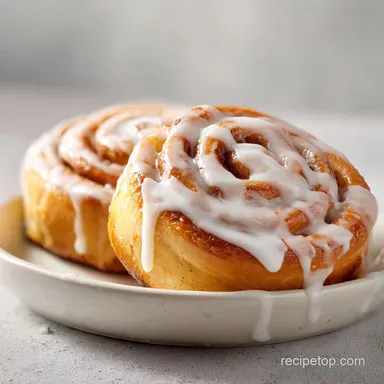
Sourdough Cinnamon Rolls: Fluffy and Buttery

- Time: 30 min active + 12 hours 25 mins resting/bake = Total 12 hours 55 mins
- Flavor/Texture Hook: Velvety cream cheese glaze over a pillowy, buttery crumb
- Perfect for: Slow weekend mornings or a surprise holiday breakfast
The smell of cinnamon and toasted sugar hitting the air at 7 AM is basically a cheat code for a good mood. I remember the first time I tried making these; I thought I had to use a commercial yeast blend to get that "bakery height," but I was wrong. The real secret is actually the patience of a cold soak in the fridge.
Forget the idea that sourdough is only for crusty, holey loaves that require a PhD in fermentation. When you apply those same principles to a sweet dough, you get a depth of flavor that regular yeast just can't touch.
These Sourdough Cinnamon Rolls aren't about being "sour" - they're about that subtle tang that makes the cinnamon pop.
You're going to get a roll that's soft enough to squish but sturdy enough to hold all that melted brown sugar. It's a low stress process if you plan it out, and trust me, the overnight wait is where the magic happens. Let's crack on.
Sourdough Cinnamon Rolls That Actually Work
Why This Dough Works
Cold Fermentation: Letting the dough sit in the fridge for 8-12 hours slows down the yeast, which allows organic acids to develop. This creates a more complex flavor and a much more manageable dough to roll out.
High Protein Flour: Bread flour provides the strength needed to hold those heavy layers of cinnamon and butter. According to King Arthur Baking, the extra protein creates a stronger gluten network, preventing the rolls from collapsing.
Maple Syrup Feed: The small amount of maple syrup acts as an immediate fuel source for your starter. It kickstarts the activity while adding a woody sweetness that pairs better with cinnamon than white sugar.
Yogurt Acid Balance: Adding Greek yogurt to the frosting introduces a lactic tang. This prevents the glaze from feeling cloying or overly sweet, mirroring the flavor profile of the bread.
| Method | Time | Texture | Best For |
|---|---|---|---|
| Standard Oven | 25 mins | Soft and airy | Consistent results |
| Dutch Oven | 30 mins | Crispy edges | A "bakery crust" feel |
Essential Component Analysis
| Ingredient | Science Role | Pro Secret |
|---|---|---|
| Sourdough Starter | Leavening & Flavor | Use it at its peak height for fastest rise |
| Bread Flour | Structure | Chill the flour for a tighter crumb |
| Brown Sugar | Moisture/Color | Pack it tight for a thicker caramel layer |
| Cream Cheese | Stability | Use full fat for a velvety, non runny glaze |
Pantry Staples and Swaps
For the dough, you'll need 1 cup (240g) active sourdough starter, 1 cup (240ml) whole milk warmed to 110°F, 1/4 cup (55g) unsalted butter (melted and cooled), 1 large room temperature egg, 3 cups (375g) bread flour, 2 tbsp (25g) maple syrup, and 1 tsp (6g) fine sea salt.
For the filling, gather 1/2 cup (115g) softened unsalted butter, 1/2 cup (100g) light brown sugar, 2 tbsp (16g) ground cinnamon, and 1 tsp (5g) vanilla extract.
The glaze requires 4 oz (115g) softened cream cheese, 1/4 cup (60g) plain Greek yogurt, 1/2 cup (60g) powdered sugar, 1 tsp (5ml) vanilla extract, and 2 tbsp (30ml) milk.
| Original Ingredient | Substitute | Why It Works |
|---|---|---|
| Bread Flour | All Purpose Flour | Works fine. Note: Rolls will be slightly less fluffy |
| Maple Syrup | Honey | Similar sugar content. Note: Adds a distinct floral note |
| Greek Yogurt | Sour Cream | Similar acidity. Note: Result is slightly richer/heavier |
| Whole Milk | Oat Milk (Full Fat) | Good fat ratio. Note: Mildly nuttier flavor |
I've found that using room temperature eggs is non negotiable here. If you drop a cold egg into your warm milk and starter, you'll crash the temperature and stall your fermentation. If you forgot to take the egg out, just pop it in a bowl of warm water for 5 minutes.
Minimal Tool Kit
You don't need a fancy bakery setup for these. A large mixing bowl, a sturdy spatula, and a 9x13 inch baking pan are the basics. If you have a stand mixer such as KitchenAid, it makes the kneading a breeze, but your hands work just as well.
The most important "tool" is actually a piece of unflavored dental floss. Using a knife often squashes the rolls, leaving you with oval shaped buns. Sliding floss under the log and crossing it over the top creates a clean, circular cut every time.
Step by step Guide
1. The Mixing and Overnight Bulk Ferment
Combine your warm milk, melted butter, egg, and maple syrup in a large bowl. Stir in your active sourdough starter until the mixture is smooth and bubbly. Gradually add the bread flour and salt. Mix until a shaggy dough forms.
Knead the dough for 5-7 minutes. If you're doing this by hand, push the dough away from you with the heel of your hand, fold it back, and turn. Do this until the dough feels smooth and elastic.
Place the dough in a greased bowl, cover it tightly, and let it rise at room temperature for 4 hours. After that, move it to the fridge for 8-12 hours. This long sleep is what makes Sourdough Cinnamon Rolls so tender.
2. Rolling and Filling the Buns
Preheat your oven to 350°F (175°C). Take your cold dough out and turn it onto a floured surface. It'll be much easier to handle now that it's chilled. Roll it out into a 12x18 inch rectangle.
Spread the softened butter evenly across the dough, making sure to hit the edges. Sprinkle your brown sugar and cinnamon mixture over the top. I like to stir the vanilla extract directly into the butter for a more uniform flavor. Roll the dough tightly into a log. Use your dental floss to slice it into 12 even rolls.
3. The Final Proof and Bake
Place the rolls in your 9x13 inch pan. Cover them and find a warm spot. Let them rise for 1.5 to 2 hours. You're looking for them to be puffy and touching each other.
Bake for 22-25 minutes until the tops are deep golden brown and the cinnamon sugar has bubbled into a thick syrup. Let them cool for 10 minutes.
While they cool, whisk together the cream cheese, Greek yogurt, powdered sugar, vanilla, and milk until the glaze is velvety. Spread it over the rolls while they're still warm.
Chef's Note: If you want a slightly crispier bottom, place your baking pan on a preheated baking sheet. This gives the base an immediate sear, creating a sugar crust that almost shatters when you bite into it.
Fixing Common Bakes
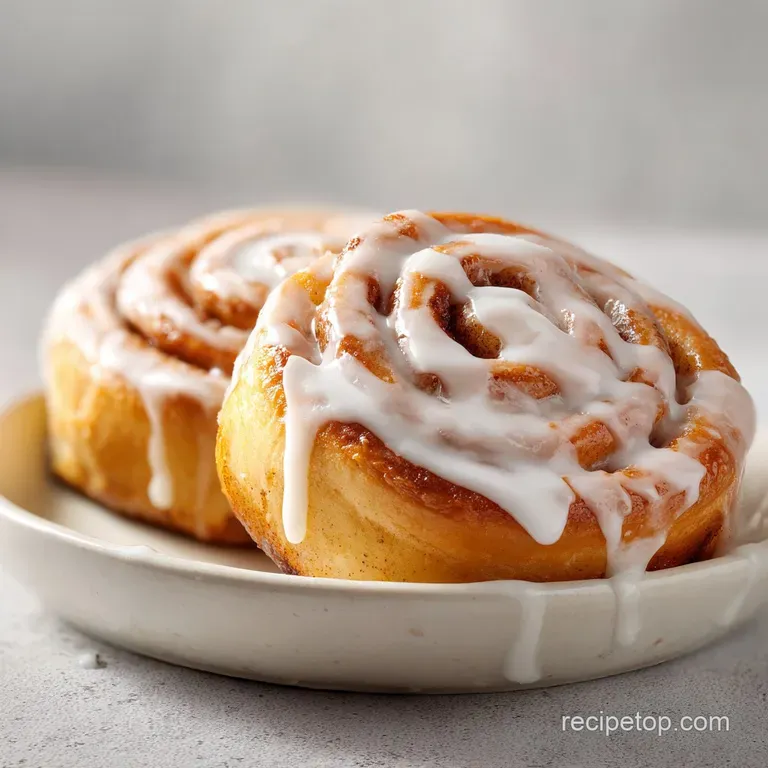
Troubleshooting Common Issues
| Issue | Solution |
|---|---|
| Why Your Dough is Too Sticky | If your dough is sticking to everything, you likely have a hydration issue or your starter was too liquid. Don't just dump in more flour, or you'll end up with a brick. Instead, use a bench scraper to |
| Why the Filling Leaks | We've all seen it: a lake of cinnamon sugar at the bottom of the pan. This usually happens if you use too much butter or if your rolls are over proofed and collapse. The trick is to leave a tiny margi |
| Why the Rolls Didn't Rise | If your Sourdough Cinnamon Rolls are flat, your starter might not have been active enough, or your "warm spot" was actually too cold. Sourdough is slower than commercial yeast. Ensure your starter is |
Mistake Free Checklist
- ✓ Warm milk (not boiling, or you'll kill the starter)
- ✓ Room temp egg to keep fermentation steady
- ✓ Use dental floss for clean cuts
- ✓ Don't over knead once the dough is smooth
Adjusting Your Batch Size
If you're just baking for yourself, you can halve this recipe. Use a smaller 8x8 inch pan and reduce the baking time by about 20%. Since you can't easily halve an egg, beat one egg in a small bowl and use about 2 tablespoons of it.
When scaling up to double or triple the batch, be careful with the salt and cinnamon. I usually only increase the salt to 1.5x for a double batch to avoid overpowering the dough. Work in batches for the rolling process, as the dough can warm up and become sticky if it sits out too long.
If you're making a massive amount, lower your oven temp to 325°F (160°C) and extend the time. This ensures the center of the crowded pan cooks through before the edges burn.
| Goal | Adjustment | Outcome |
|---|---|---|
| Small Batch | ½ Ingredients | Use 8x8 pan, bake 20 mins |
| Large Batch | 2x Ingredients | Lower temp by 25°F, bake longer |
| Extra Tangy | 24h Cold Ferment | Deeper flavor, slower rise |
If you find yourself loving these dough based projects, you might enjoy my Easy Homemade Naan Bread, which also uses a simple fermentation process for a great chew.
Debunking Dough Myths
One big misconception is that you can only use "active" starter for sweets and that discard is just for pancakes. While active starter is faster, you can use sourdough discard cinnamon rolls if you simply add a pinch of instant yeast to the mix.
It'll taste the same, but you won't have to wait 12 hours.
Another myth is that the "sour" flavor is mandatory. In reality, the tang in these Sourdough Cinnamon Rolls is a byproduct of the fermentation time. By using the overnight cold method, you actually balance the acidity, resulting in a creamy, buttery flavor rather than a sharp, vinegary one.
Finally, some people think you need a professional proofing box. You don't. A simple turned off oven with the light on provides the perfect 75-80°F environment for a final rise.
Storage and Zero Waste
Once cooled and glazed, keep these in an airtight container in the fridge for up to 3 days. To reheat, pop a roll in the microwave for 15-20 seconds. This softens the butter and makes the dough pillowy again.
For long-term storage, freeze the rolls before glazing. Wrap them individually in plastic wrap and store them in a freezer bag for up to 2 months. Thaw in the fridge overnight, then bake for 5-8 minutes at 350°F (175°C) before adding fresh glaze.
To avoid waste, don't toss any leftover glaze. It's essentially a cream cheese dip. I love using it as a dip for apple slices or even swirling it into a morning smoothie for a cheesecake vibe. If you have a bit of leftover dough, roll it into a small ball and bake it as a "tester" roll to check for doneness.
Best Morning Pairings
These are quite rich, so I like to pair them with something bright and fresh. A bowl of Overnight Oats with Berries provides a great textural contrast and a hit of acidity from the fruit that balances the cinnamon.
A strong black coffee or a sharp Earl Grey tea is the traditional route. If you're hosting a brunch, a side of salty bacon or a fresh arugula salad with a lemon vinaigrette helps cut through the sweetness of the glaze.
Whether you're using this as a weekend treat or a holiday centerpiece, the effort put into the overnight rise really pays off. These Sourdough Cinnamon Rolls prove that a little bit of patience leads to a much better breakfast. Trust the process, don't rush the rise, and enjoy that first, warm, velvety bite.
Recipe FAQs
What does sourdough do to cinnamon rolls?
Adds a complex tang and improves texture. The natural acidity breaks down gluten for a softer crumb and creates a more nuanced flavor profile than commercial yeast.
What is the difference between regular cinnamon rolls and sourdough cinnamon rolls?
The fermentation process and flavor. Sourdough uses a wild culture instead of instant yeast, resulting in a slower rise. If you enjoyed mastering slow-fermented dough here, see how we adapt similar textures in our cottage cheese flatbread.
Is sourdough discard still gut healthy?
Yes, but less so than active starter. While the beneficial bacteria are still present, the fermentation process in discard is less active and concentrated.
Why didn't my sourdough cinnamon rolls rise in the oven?
Usually due to under-proofing or inactive starter. Ensure your rolls rise for 1.5 to 2 hours in a warm spot before baking at 350°F (175°C).
How to store and reheat these rolls?
Store in an airtight container in the fridge for 3 days. Reheat in the microwave for 15-20 seconds to soften the butter and make the dough pillowy again.
Is it true that sourdough rolls must be made in a single day?
No, this is a common misconception. This recipe requires a cold ferment of 8-12 hours in the refrigerator to properly develop flavor and structure.
How to prevent the cinnamon filling from leaking?
Leave a small margin of dough at the edge. This creates a seal that keeps the melted butter and brown sugar inside the roll during baking.
Sourdough Cinnamon Rolls for 12 Servings