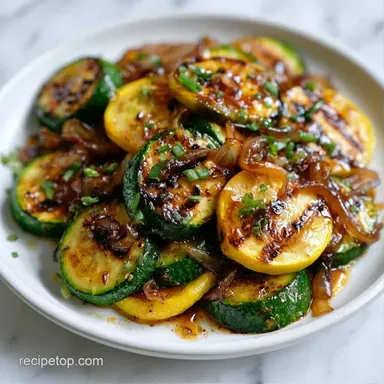
Hibachi Zucchini in 15 Minutes
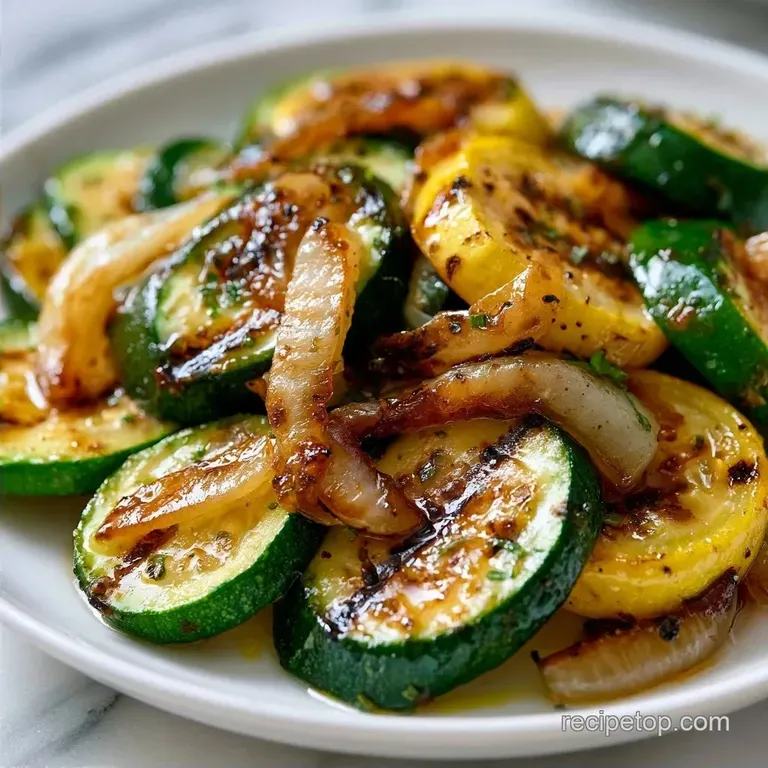
- Time: 3 min active + 12 min cooking
- Flavor/Texture Hook: Charred mahogany edges with a glossy garlic finish
- Perfect for: Quick weeknight sides or meal prep
Ever wonder why the zucchini at a steakhouse actually tastes like something, while yours at home turns into a wet, grey sponge? It's a frustrating experience. You start with a fresh vegetable and end up with something that feels more like boiled water than a side dish.
The trick is all in the heat management. Most people toss their vegetables in a pan and stir them constantly, which just steams the veg in its own juice. We're going to do the opposite.
This Hibachi Zucchini method relies on a hard sear and a quick glaze. You'll get those browned edges and a savory punch that makes the vegetables the star of the plate.
The Best Hibachi Zucchini
Wait until the pan is nearly smoking. This high temperature evaporates surface moisture immediately, allowing the zucchini's sugars to brown instead of boiling. The result is a savory crust that forms while the interior remains crisp.
Adding lemon juice as a final touch balances the butter and the saltiness of the soy sauce. This simple chemical adjustment keeps the flavors bright and prevents the dish from feeling greasy.
Quick Recipe Specs
The speed of this dish is its biggest draw. Unlike traditional grilled versions, using a cast iron pan mimics the intense heat of a professional flat top.
| Method | Fast (Pan) | Classic (Griddle) |
|---|---|---|
| Time | 15 mins | 30 mins |
| Sear | Medium High | High |
| Effort | Low | Medium |
A quick pan sear means you can have this on the table in the time it takes to boil water for pasta.
What Each Ingredient Does
Getting the right balance of fat and acidity is key for Hibachi Zucchini. We use a mix of oil for the over high heat sear and butter for the flavor.
| Component | Purpose | Substitute Notes |
|---|---|---|
| Zucchini | Main body | Yellow squash (already included) |
| Soy Sauce | Umami/Salt | Tamari for gluten-free; slightly saltier |
| Unsalted Butter | Richness | Vegan butter; similar fat content |
| Lemon Juice | Acidity | Rice vinegar; sharper, less citrusy |
Using a mix of zucchini and yellow squash adds a bit of color to the pan. If you only have one, just use a full pound of either.
Gear for the Job
A professional griddle isn't necessary to prepare Hibachi Zucchini. A 12-inch cast iron skillet is the ideal choice here, as it retains heat more effectively than any other pan.
If you don't own cast iron, a heavy stainless steel pan is a solid alternative. Try to avoid non-stick pans, as they often cannot withstand the high temperatures required for a proper sear without breaking down. A durable spatula is also recommended for flipping the wedges efficiently.
From Prep to Plate
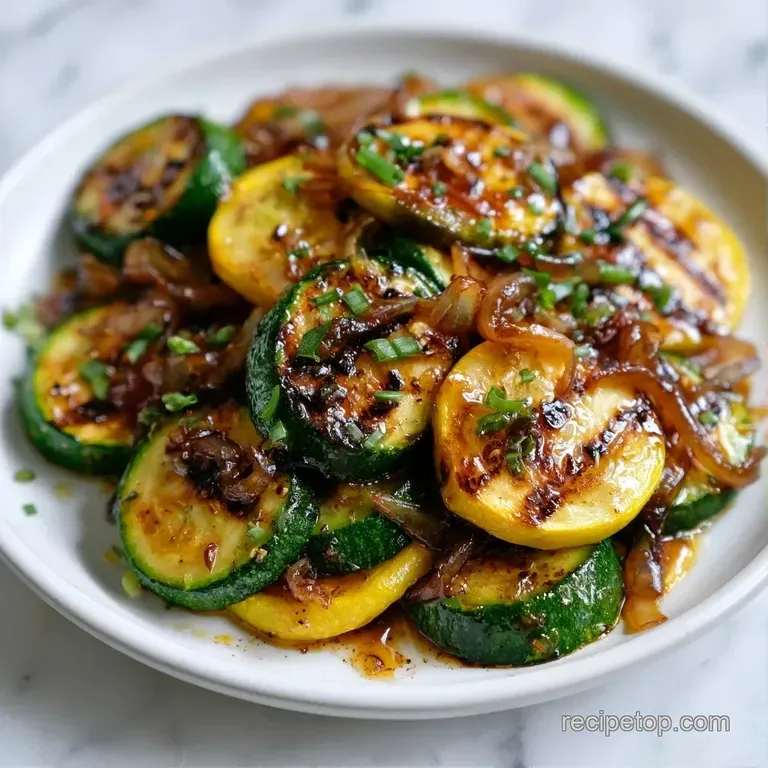
Let's jump right in. Efficiency is key once the pan is hot.
- Slice the zucchini and yellow squash into uniform 1/4 inch thick half moons and cut the onion into thick wedges. Note: Uniform sizing ensures everything cooks evenly.
- Using medium high heat, warm the vegetable oil in a 12 inch cast iron skillet until it shimmers.
- Sauté the onion wedges for 2-3 minutes until the edges are translucent.
- Add the zucchini and squash, spreading them into a single layer. Let them sit for 2 minutes until a mahogany colored crust forms.
- Turn the heat down to medium. Move the vegetables to the perimeter of the pan and add the butter to the center.
- Once the butter is bubbling, stir in the minced garlic for 30 seconds until fragrant.
- Add the soy sauce and lemon juice, tossing rapidly for 1-2 minutes until the liquid reduces into a glossy coating.
- Season with black pepper and a pinch of salt.
Chef: Resist the urge to stir the zucchini the moment they hit the pan. If you move them too much, they won't brown properly, leaving you with a soggy texture.
Solving Common Issues
Even with a simple dish like Hibachi Zucchini, things can go sideways if the pan is too crowded.
Vegetables Releasing Water
This happens when the pan is too full. The vegetables release steam, but because there's no room for it to escape, they boil in their own liquid. To fix this, cook in two batches. Give the zucchini space to breathe so the water evaporates and the edges brown.
Burnt Garlic Taste
Garlic burns quickly at high heat, which makes it bitter. That's why we push the vegetables to the side and add the butter first. The butter acts as a temperature buffer. If your garlic is browning too fast, pull the pan off the heat for 10 seconds.
Mushy Texture
Overcooking is the enemy of Hibachi Zucchini. If the vegetables look limp, they've stayed in the pan too long. Aim for "snap tender", where the outside is charred but the center still has a slight bite.
Customizing Your Veggies
This Hibachi Zucchini recipe is flexible enough to accommodate your dietary needs or available kitchen tools.
Using a Blackstone makes the process effortless; simply coat the griddle with oil and stick to the original timing. If you don't have a skillet, an air fryer works well: coat the vegetables in soy sauce and oil, then air fry at 400°F for 8-10 minutes, giving them a shake midway.
To make it dairy-free, replace the butter with a neutral oil (like avocado) or a premium plant-based alternative. For an extra kick, stir a teaspoon of chili flakes or sriracha into the soy sauce blend. Serve this alongside Hibachi Shrimp Chicken for a complete dinner.
| Goal | What to change |
|---|---|
| Extra char | Increase heat/less crowd |
| Softer bite | Cook 1 min longer |
| Saltier flavor | Extra 1tsp soy sauce |
Keeping Leftovers Fresh
Store your Hibachi Zucchini in a sealed container in the fridge for roughly 3 days. Keep in mind that the texture will soften over time, so it won't be quite as crisp as when it was first made.
When warming leftovers, skip the microwave if possible. Sautéing them in a hot pan for 2 minutes helps restore that signature charred taste.
To reduce waste, save your onion scraps and zucchini peelings. I typically store these in the freezer to use later for vegetable stock. According to USDA FoodData Central, zucchini is packed with vitamins, so leaving the skins on is a great choice for nutrition.
Ways to Serve This
While typically a side, you can easily turn this into a light meal by adding a protein. It's especially delicious paired with a generous portion of garlic fried rice.
For a complete feast, try pairing this Hibachi Zucchini with Teriyaki Chicken Hibachi. The sugary notes of the teriyaki provide a perfect contrast to the salty, savory garlic of the zucchini.
If you prefer something lighter, try serving the vegetables atop brown rice or quinoa. This allows the grains to soak up every bit of that flavorful soy butter glaze from the pan.
This Hibachi Zucchini proves you can achieve professional restaurant quality without a professional grill. All it takes is high heat, a little patience during the searing process, and basic ingredients. Once you learn to leave the zucchini alone in the pan, you'll never go back.
Recipe FAQs
Do hibachi restaurants use zucchini?
Yes, it is a staple side. Zucchini and yellow squash are standard additions to the vegetable medley because they sear quickly at high temperatures.
How to cut squash and zucchini for hibachi?
Slice into uniform 1/4-inch thick half-moons. This specific thickness allows the vegetables to develop a mahogany crust without turning mushy.
Is it true that this dining style is authentically Japanese?
Actually, no. The theatrical hibachi experience found in most Western restaurants is a Japanese-American fusion rather than traditional Japanese cuisine.
What do chefs squirt on the vegetables?
A mixture of soy sauce and lemon juice. These liquids create steam for the sear and provide the characteristic salty-acidic flavor profile.
Which sauce creates the signature glaze?
Soy sauce combined with melted butter. When tossed at the end, the butter emulsifies with the soy and lemon juice to create a glossy, savory coating.
Can I serve these vegetables with other proteins?
Yes, they complement grilled meats perfectly. For a full steakhouse experience, serve them alongside some hibachi steak.
Hibachi Zucchini in 15 Minutes