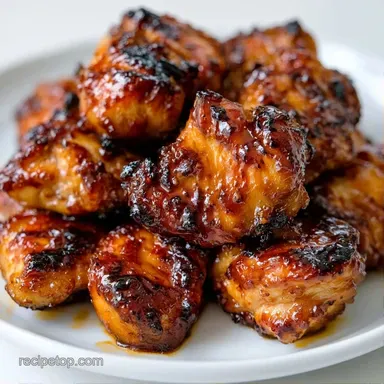
Teriyaki Chicken Hibachi in 30 Minutes
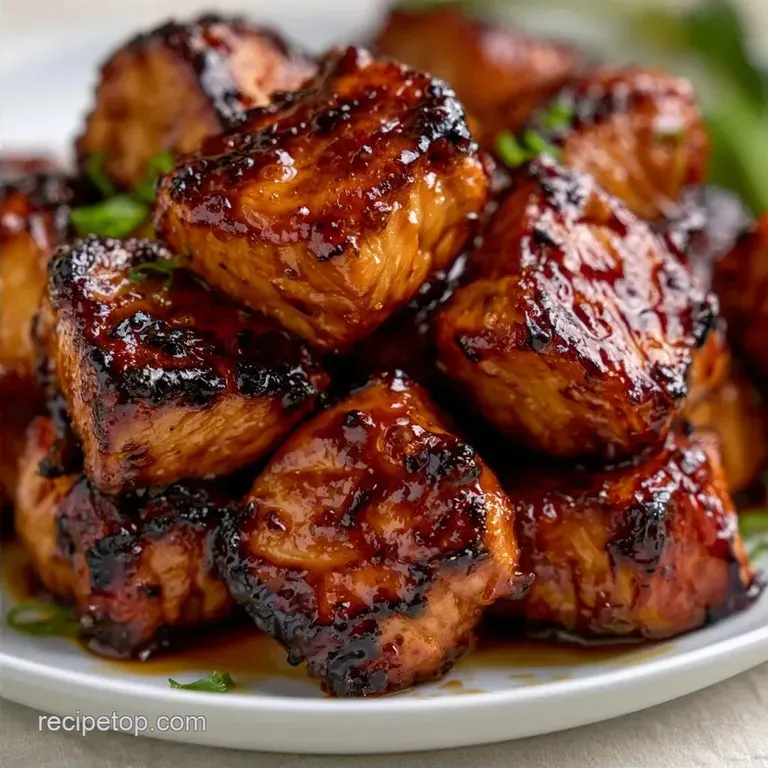
- Time: 15 min active + 15 min cooking
- Flavor/Texture Hook: Mahogany colored crust with a glossy, savory glaze
- Perfect for: High protein weeknight dinner or meal prep
The Japanese teppanyaki style is all about the theater of the grill, where a chef transforms raw ingredients into a meal right before your eyes. While it's become a staple of North American steakhouse culture, the heart of the dish is the balance of salt, sugar, and heat.
Growing up, these meals were about the social energy, the sizzle of the flat top, and that specific savory sweet profile that hits every taste bud.
Getting this result at home usually fails because the chicken steams instead of searing, or the sauce becomes a watery mess. I used to struggle with "grey chicken" until I realized the pan temperature was too low.
This Teriyaki Chicken Hibachi approach focuses on precision. We're aiming for a balanced plate with lean protein and charred vegetables, avoiding the excess grease while keeping the bold flavors you expect from a hibachi grill.
Teriyaki Chicken Hibachi: The Precision Method
Two factors are critical for the success of this recipe: the thickening agent and how you manage the heat.
- High-Heat Searing: Browning the chicken first develops a crust that helps the sauce adhere. This prevents the meat from boiling in the liquid, ensuring the texture remains firm.
- Cornstarch Slurry: To avoid lumps, mix cornstarch with cold water before adding it to the pan. This creates a thick, glossy glaze that coats the protein instead of settling at the base of the bowl.
| Feature | Fresh Made Method | Shortcut Method | Impact |
|---|---|---|---|
| Sauce | Homemade reduction | Bottled teriyaki | Better sugar control and deeper ginger notes |
| Ginger | Freshly grated | Ginger powder | Brighter, zesty aroma and sharper flavor |
| Chicken | 1 inch precision cubes | Randomly sliced | Even cooking times and consistent sear |
Because we are focusing on balance and nutrition, the ratio of protein to vegetables is essential. This ensures the meal is filling without feeling overly heavy.
Recipe Specs
For this to work, you need specific numeric checkpoints. First, the chicken must be cut into uniform 1 inch cubes so they all finish at the same time. Second, do not move the chicken for the first 3-4 minutes of searing.
Finally, USDA guidance puts the safe internal temperature for poultry at 165°F.
- For [more char]
- Use a cast iron skillet on high heat.
- For [thicker glaze]
- Increase cornstarch to 1.5 tsp.
- For [extra tenderness]
- Let the chicken marinate for 30 minutes instead of 10.
The Right Ingredients
The quality of your soy sauce makes a significant difference when preparing Teriyaki Chicken Hibachi. To keep the salt levels in check during the reduction process, I recommend using a low-sodium option.
Chicken breast is used for its lean protein, while butter provides the fat necessary for a deep brown sear. Be sure to use fresh ginger; powder simply cannot replicate the aromatic oils that give the sauce its signature zing.
Ingredients and Substitutes
- 1.5 lb boneless skinless chicken breasts, 1 inch cubes Why this? Lean meat that sears quickly
- Substitute: Chicken thighs (Juicier, but higher fat content)
- 2 tbsp soy sauce (for marinade) Why this? Salt and umami foundation
- Substitute: Tamari (gluten-free alternative)
- 1 tbsp sesame oil Why this? Toasted aroma
- Substitute: Grapeseed oil (Neutral taste)
- 1 tsp garlic powder Why this? Uniform flavor distribution
- Substitute: 2 cloves minced fresh garlic
- 1/2 tsp salt Why this? Essential seasoning
- Substitute: Coconut aminos (reduces sodium)
- 1/2 tsp black pepper Why this? Gentle heat
- Substitute: White pepper (more traditional)
- 1/2 cup soy sauce (for sauce) Why this? The base for the glaze
- Substitute: Liquid aminos
- 1/4 cup brown sugar, packed Why this? For sweetness and caramelization
- Substitute: Honey (adds floral notes, thicker)
- 2 tbsp mirin Why this? Provides a hint of sweetness and acidity
- Substitute: Rice vinegar mixed with 1 tsp sugar
- 1 tsp fresh ginger, grated Why this? Bright, zesty flavor
- Substitute: 1/4 tsp ginger powder
- 1 tsp cornstarch Why this? Used as a thickener
- Substitute: Arrowroot powder
- 1 tbsp cold water Why this? Used to dissolve cornstarch
- Substitute: Cold chicken broth
- 3 tbsp unsalted butter Why this? Crucial for browning
- Substitute: Ghee (higher smoke point)
- 1 medium zucchini, half moons Why this? A balanced vegetable choice
- Substitute: Yellow squash
- 1 medium yellow onion, diced Why this? Adds sweetness when charred
- Substitute: Red onion
- 4 oz baby bella mushrooms, sliced Why this? Savory, earthy depth
- Substitute: Shiitake mushrooms
- 4 cups cooked jasmine rice Why this? Great for soaking up the glaze
- Substitute: Brown rice (more fiber)
Essential Kitchen Gear
Creating Teriyaki Chicken Hibachi doesn't require a professional flat top. A large cast iron skillet is ideal for its consistent heat retention, though a Blackstone griddle is even more effective for the vegetables.
To keep the slurry smooth and lump-free, a whisk is a must. I also highly recommend using a meat thermometer; relying solely on appearance often results in overcooked, rubbery chicken.
Cooking Steps for Success
The secret to a fantastic Teriyaki Chicken Hibachi bowl is keeping the ingredients moving once the glaze is added.
- Dice the chicken into uniform 1 inch cubes. In a bowl, whisk together 2 tbsp soy sauce, sesame oil, garlic powder, salt, and pepper. Toss the chicken in this marinade and let it sit for 10 minutes.
- Combine 1/2 cup soy sauce, brown sugar, mirin, and grated ginger in a separate bowl. In a small cup, mix the cornstarch and cold water until smooth.
- Melt 1 tbsp of butter in a heavy pan over medium-high until it foams.
- Add the chicken in a single layer. Sear for 3-4 minutes until a mahogany crust forms without disturbing the pieces.
- Flip the chicken and cook for an additional 3 minutes until the centers are nearly opaque.
- Transfer the chicken from the pan. Add the remaining 2 tbsp of butter and sauté zucchini, onion, and mushrooms over high heat until they are charred and crisp tender.
- Put the chicken back into the pan with the vegetables. Pour in the teriyaki sauce and bring it to a simmer.
- Stir in the cornstarch slurry and cook for 1-2 minutes until the glaze is thick and glossy and coats everything.
- Serve the Teriyaki Chicken Hibachi immediately over warm jasmine rice.
Fixing Common Issues
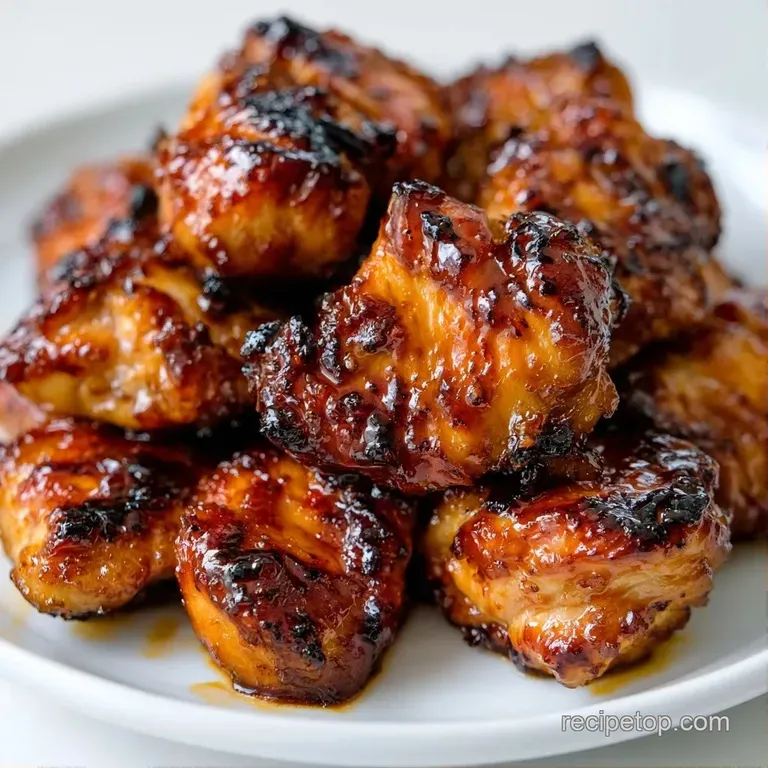
Controlling moisture is a primary challenge when making Teriyaki Chicken Hibachi. Overloading the pan causes vegetables to steam rather than sear. According to Serious Eats, leaving ample space between ingredients is essential for developing a proper brown crust.
The sauce's sugar content is another concern. Since brown sugar scorches easily, stir in the glaze at the final stage to avoid a burnt, bitter flavor.
Fixing a Burnt Glaze
If the glaze becomes too thick or develops an acrid scent, the sugars are burning. Quickly stir in 1 tbsp of water to thin it and lower the temperature to medium.
Avoiding Rubbery Chicken
To prevent tough chicken breasts, avoid overcooking. Use a meat thermometer and remove the chicken at 160°F; carryover cooking will bring it to the recommended 165°F.
Preventing Soggy Vegetables
Soggy vegetables result from insufficient pan heat or overcrowding. If using a pan smaller than 12 inches, cook the vegetables in two batches.
| Problem | Root Cause | Solution |
|---|---|---|
| Watery sauce | Slurry poorly mixed or temperature too low | Combine cornstarch with cold water; simmer for 2 mins |
| Grey chicken | Insufficient heat or overloading | Heat butter until it foams; cook in a single layer |
| Mushy zucchini | Excessive cooking or moisture buildup | Use high heat for a shorter period |
Once you've mastered the process, feel free to adjust the ratios. The key is ensuring the chicken sears thoroughly before adding any liquids.
Best Side Pairings
The sweetness of the Teriyaki Chicken Hibachi needs something creamy or acidic to balance the plate. I always serve this with a side of Yum Yum Sauce for dipping the vegetables.
For a balanced nutritional profile, add a side of steamed edamame or a crisp cucumber salad with rice vinegar. If you want more greens, sautéed spinach with a touch of garlic and soy sauce complements the richness of the butter and brown sugar.
Storage and Waste Tips
Keep any remaining Teriyaki Chicken Hibachi in an airtight container in the refrigerator for 3 days. When reheating, try to skip the microwave. Instead, warm the chicken and vegetables in a skillet with a teaspoon of water to refresh the glaze and keep the meat tender.
This meal stays good in the freezer for about 2 months. Be sure it is completely cold before freezing to prevent ice crystals from appearing in the glaze.
To minimize waste, collect mushroom stems and onion scraps in a freezer bag. Once you have gathered enough, simmer them in water with a few peppercorns to make a simple vegetable stock for future sauces.
Ways to Adapt
Depending on your dietary needs, Teriyaki Chicken Hibachi is very flexible.
Making it gluten-free
Swap the soy sauce for tamari or coconut aminos. Both provide the same saltiness and color without the wheat found in traditional soy sauce.
Swapping the Protein
You can use shrimp or salmon for a different protein source. For shrimp, reduce the searing time to 2 minutes per side. For salmon, use 1 inch chunks and be careful not to overcook, as the fish will flake apart.
Using a Blackstone Griddle
If you have a Blackstone, you can cook everything simultaneously. Use separate zones for the chicken and vegetables. Pour the Teriyaki Chicken Hibachi sauce directly onto the griddle and toss the ingredients in the liquid for a fast, over high heat reduction.
The Low Carb Platter
Skip the jasmine rice and use cauliflower rice or a bed of sautéed cabbage. Replace the brown sugar with a monk fruit sweetener to keep the glycemic index low while maintaining the sweetness of the glaze.
The beauty of Teriyaki Chicken Hibachi is its simplicity. Once you respect the heat and the timing, you can get a restaurant quality meal in about 30 minutes. It's a great way to get a high protein, balanced dinner on the table without spending hours in the kitchen.
Trust the process, keep your pan hot, and don't be afraid of that mahogany crust.
Critical Sodium Level
1410 mg 1,410 mg of sodium per serving (61% 61% of daily value)
The American Heart Association recommends a limit of 2,300mg of sodium per day for most adults, with an ideal limit of 1,500mg for those with hypertension.
Ways to Reduce Sodium
-
Omit Added Salt-25%
Completely remove the 1/2 tsp of salt; the soy sauce already provides more than enough salinity for the dish.
-
Swap Soy Sauce-20%
Substitute regular soy sauce with low-sodium soy sauce or coconut aminos to significantly lower the salt content.
-
Add Acidic Brightness-10%
Add a squeeze of fresh lime juice or a teaspoon of rice vinegar to enhance flavors, allowing you to use less soy sauce.
-
Boost Aromatics
Increase the fresh ginger or add crushed red pepper flakes to add complexity and heat without adding any sodium.
Critical Sodium Level
1410 mg 1,410 mg of sodium per serving (61% 61% of daily value)
The American Heart Association recommends a daily limit of 2,300 mg of sodium to maintain healthy blood pressure and reduce the risk of heart disease.
Tips to Reduce Sodium
-
Swap Soy Sauce-30%
Replace the regular soy sauce with low-sodium soy sauce or coconut aminos to significantly cut the primary salt source.
-
Eliminate Added Salt-25%
Remove the 1/2 tsp of salt from the seasoning; the soy sauce already provides more than enough saltiness for the chicken.
-
Introduce Bright Acidity-20%
Replace 2 tablespoons of the soy sauce with rice vinegar or fresh lemon juice to maintain a bold flavor profile with less sodium.
-
Boost Fresh Aromatics
Double the amount of fresh grated ginger and garlic to enhance the savory depth of the sauce without adding salt.
Recipe FAQs
What is the difference between hibachi chicken and teriyaki chicken?
Hibachi refers to the grilling style, while teriyaki is the glaze. Hibachi chicken is seared on a flat-top griddle, whereas teriyaki is the specific soy-and-sugar-based sauce used to coat the meat.
How to make teriyaki chicken like hibachi?
Sear diced chicken in a cast iron skillet over medium-high heat. Cook the meat without moving it for 3-4 minutes to develop a mahogany crust before flipping and adding the glaze.
Which ingredients are used in the hibachi marinade?
A blend of soy sauce, sesame oil, garlic powder, salt, and pepper. Toss the chicken in this mixture for 10 minutes before cooking to build deep flavor.
Is it true that hibachi chicken must be deep-fried to get a crust?
Surprisingly, no. Searing 1-inch cubes in butter on a high-heat griddle or cast iron pan creates a perfect sear without frying.
Can I pair this dish with a fresh side?
Yes, a crisp salad balances the rich glaze. This pairs perfectly with a homemade Italian dressing to cut through the sweetness of the teriyaki.
Teriyaki Chicken Hibachi in 30 Minutes