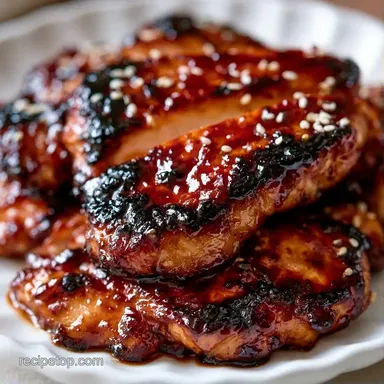
Hibachi Chicken Marinade in 10 Minutes
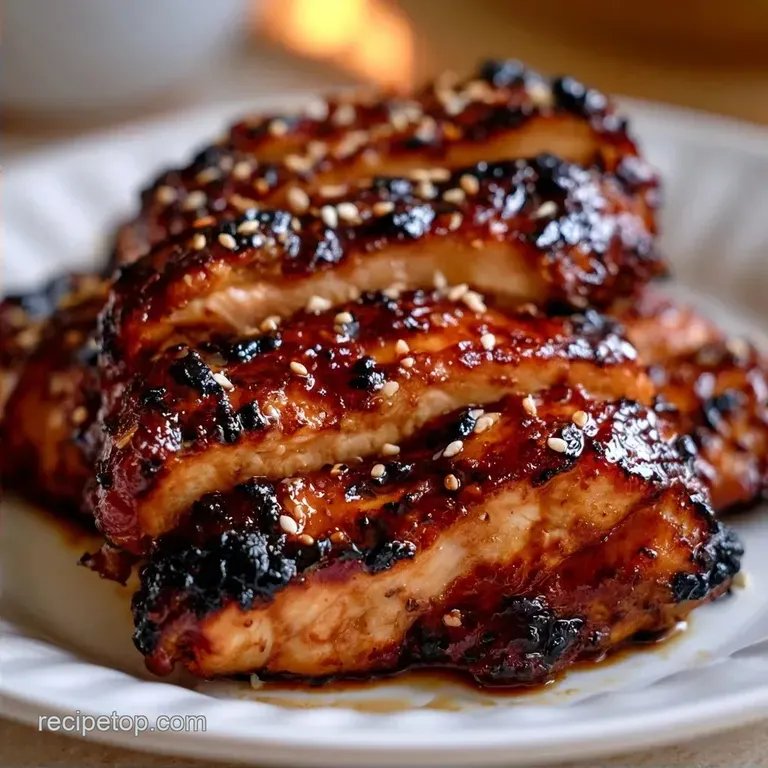
- Time: 10 minutes prep + 30 minutes resting
- Key Appeal: Savory umami and a glossy finish
- Perfect for: Rapid weekday meals or batch prepping
Easy Hibachi Chicken Marinade Recipe
The smell of searing meat and toasted garlic always reminds me of those dinner shows where the chef tosses shrimp into the air. For a long time, I thought you needed a massive flat top grill and a professional kitchen to get that specific taste.
I assumed the flavor came from some high end equipment or a proprietary blend of salts.
Actually, the magic happens in the prep. You don't need a professional setup to get that mahogany char. You just need a balance of sugars and acids that react with heat to brown the meat without drying it out.
This Hibachi Chicken Marinade focuses on a balanced profile. It isn't just a salt bomb, which is where most home versions go wrong. We're aiming for a glossy finish and a deep, savory taste that lets the chicken shine.
Why Most Recipes Fail
Sugar Balance: Using only soy sauce makes the meat too salty. Adding brown sugar and mirin creates a glaze that browns quickly through caramelization.
Acid Ratio: Rice vinegar breaks down tough protein fibers. This lets the other flavors soak in deeper and faster than they would with just salt.
Too Much Salt
Many people just dump in soy sauce and wonder why the dish tastes like a salt lick. The key is blending the saltiness of the soy with the sweetness of the sugar. This creates a layered flavor instead of a one note salty hit.
Lack of Char
If your chicken looks gray instead of brown, your heat is too low or your marinade lacks sugar. The sugars in this Hibachi Chicken Marinade burn at just the right temperature to create a dark crust.
Rubbery Texture
Over marinating in high acid liquids can make chicken feel "mushy" or rubbery. Keeping the soak time under 4 hours preserves the natural snap of the meat.
The Right Ingredients
For the base, soy sauce provides the salt and deep color. If you need a gluten-free option, Tamari works well, though it has a slightly stronger fermented taste. Mirin is a sweet rice wine that adds a distinct shine to the finished chicken.
Unlike regular sugar, mirin integrates into the liquid, ensuring the chicken doesn't have grainy spots.
Rice vinegar brings a sharp tang that cuts through the fat of the sesame oil. Speaking of oil, toasted sesame oil is where the nutty aroma comes from. It doesn't provide much in terms of "cooking" fat, but it creates a scent that mimics a professional grill.
Fresh aromatics make the difference. Minced garlic and grated ginger provide a punchy, fresh contrast to the fermented soy. Grating the ginger instead of chopping it releases more juice, which distributes the flavor more evenly throughout the meat.
Tools You Need
Basic equipment will do. You'll primarily need a medium mixing bowl and a whisk. I recommend a whisk over a fork, as it dissolves the brown sugar crystals more quickly.
For marinating, I prefer using a sealable plastic bag. This method presses the liquid against the meat and eliminates air pockets, which means you can use less marinade. A shallow glass dish with a lid is a good alternative, though you'll have to turn the chicken every so often to ensure it's coated evenly.
Making the Marinade
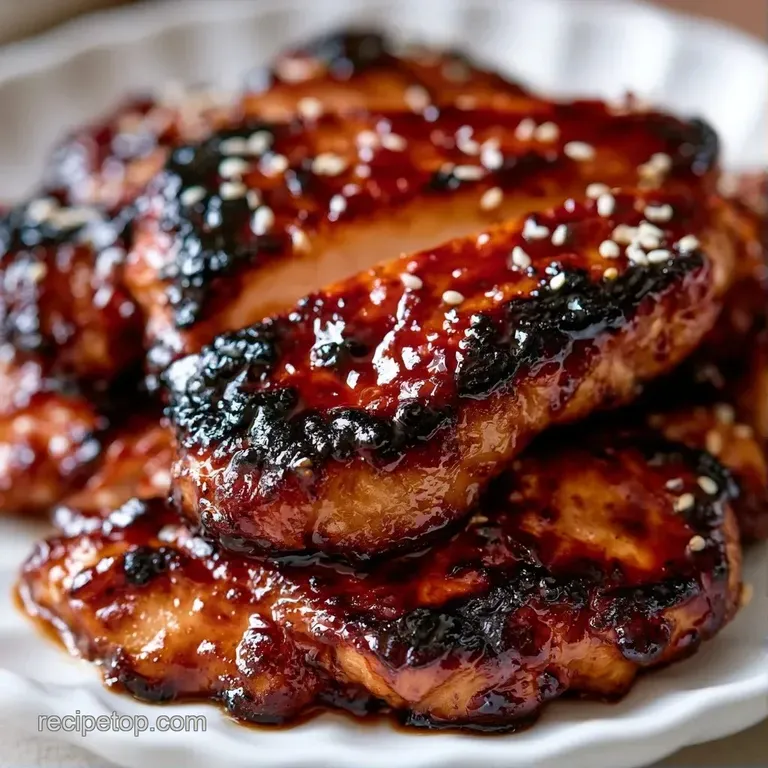
- Whisk soy sauce, mirin, rice vinegar, and brown sugar in a bowl. Stir vigorously until the sugar crystals disappear. Note: This prevents the sugar from burning in isolated spots on the grill.
- Stir in minced garlic, grated ginger, and black pepper.
- Slowly whisk in the toasted sesame oil. Note: This creates a temporary emulsion so the oil doesn't just float on top.
- Pour the Hibachi Chicken Marinade into a sealable bag.
- Add sliced chicken breast or thighs to the bag.
- Seal the bag, removing as much air as possible.
- Refrigerate for 30 minutes to 4 hours. until the meat looks deeply colored.
- Remove chicken from the bag and pat dry with a paper towel. Note: Excess liquid on the surface causes the meat to steam instead of sear.
Fixing Common Issues
Don't be alarmed if you see the marinade separating in the fridge. Because sesame oil is a fat and soy sauce is water-based, they tend to split. Simply give the bag a fast shake before removing the chicken to fix this.
You also want to avoid "gray meat." Ensure the oil is shimmering and almost smoking before the chicken hits the pan. This allows the sugars in the Hibachi Chicken Marinade to react quickly and create a nice crust.
| Problem | Fix |
|---|---|
| Too salty | Add 1 tsp honey or maple syrup |
| No brown crust | Increase heat or add 1 tsp brown sugar |
| Meat is mushy | Reduce marinating time to 30 mins |
| Marinade separated | Shake bag vigorously before using |
Twists and Swaps
Feel free to customize the ingredients depending on what you have on hand. To dial up the heat, stir in a teaspoon of red pepper flakes or sriracha. For a honey-glazed touch, replace the brown sugar with honey, but keep in mind that honey burns more quickly.
For those following keto or paleo diets, substitute the soy sauce with coconut aminos and the brown sugar with a monk fruit sweetener. Because coconut aminos are slightly sweeter and less salty, you may want to add a pinch of extra salt.
If you are seeking more high-protein options, a Bang Bang Chicken Bowl uses a different flavor profile but follows a similar "prep first" approach.
| Goal | What to change |
|---|---|
| gluten-free | Use Tamari instead of soy sauce |
| Extra Spicy | Add 1 tsp sriracha |
| Lower Sodium | Swap soy for coconut aminos |
Keeping it Fresh
Keep leftover Hibachi Chicken Marinade in a sealed container in the refrigerator for as long as 5 days. Because of the fresh ginger and garlic, the taste is strongest during the first 48 hours, after which the ginger may lose some of its punch.
Once the chicken is added, the window of freshness narrows. Marinated meat stays safe in the fridge for 2 days; beyond that, the vinegar's acidity can over-process the meat, resulting in a mealy texture.
To keep the marinade longer, place it in the freezer for up to 3 months. I typically make a double batch and store the extra in silicone molds, thawing them in the fridge overnight before use. If you freeze the chicken in the marinade, it will marinate as it thaws, which is a fantastic shortcut for meal prep.
Plating and Pairing
To complete the meal, you'll need the perfect sides. I usually serve this alongside steamed jasmine rice and a side of sautéed onions and zucchini. The secret to the vegetables is searing them over high heat with a bit of butter, which complements the savory notes of the chicken.
A creamy dip is the most important addition. This chicken pairs perfectly with Yum Yum Sauce, which provides a cool, tangy contrast to the salty char of the meat.
Best Protein Cuts
While breasts are common, chicken thighs are my top choice for this recipe. Their higher fat content prevents them from drying out under the high heat required to caramelize the Hibachi Chicken Marinade. If you use breasts, dice them into 1 inch cubes so they cook through before the exterior burns.
Getting the Char
If you don't have a flat top, a cast iron skillet is a great alternative. Heat it until a drop of water dances and evaporates instantly. Add a tablespoon of neutral oil, then arrange the chicken in a single layer.
Avoid crowding the pan, or the temperature will drop, and you'll end up with boiled meat instead of a proper sear.
Final Touch
Finish the dish with a sprinkle of toasted sesame seeds and sliced green onions. The freshness of the onions cuts through the richness of the sesame oil, making the entire plate feel bright and balanced.
This Hibachi Chicken Marinade brings a bit of that signature steakhouse energy into your own kitchen. By focusing on the balance of soy, mirin, and sugar, you get a result that is rich, savory, and consistently delicious without needing professional gear.
Recipe FAQs
What do I marinate chicken in for hibachi?
Use a blend of soy sauce, mirin, rice vinegar, and brown sugar. This combination provides the salt and sugar needed for a glossy, restaurant-style finish.
How do you get the best flavor in hibachi chicken?
Balance the saltiness of soy sauce with the sweetness of mirin and brown sugar. This prevents the meat from tasting like a salt lick and encourages better caramelization.
Which liquids do chefs squirt on the meat?
They use a savory blend of soy sauce and mirin to create a glossy glaze. This helps the meat brown quickly on high heat.
Is it true you need a professional flat top grill for this char?
Actually, no. You can achieve the same mahogany char in a home skillet by using a marinade with the right sugar and acid ratio.
What is the best way to ensure the marinade is smooth?
Whisk the soy sauce, mirin, rice vinegar, and brown sugar together first. Stir vigorously until all sugar crystals have completely dissolved before adding other ingredients.
Can I adapt this savory profile for other dishes?
These flavor-balancing methods are effective for many other condiments as well. If you enjoyed tweaking the salt and acid levels here, you can apply a similar approach to our quick homemade pickle.
How long should chicken soak in the mixture?
Refrigerate the protein in the marinade for 30 minutes to 4 hours. Shorter times provide a light glaze, while longer soaks deepen the umami flavor.
Hibachi Chicken Marinade in 10 Minutes