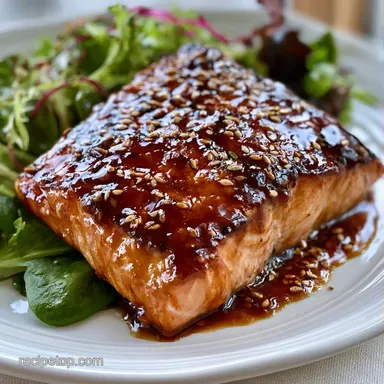
Pan-Seared Hibachi Salmon
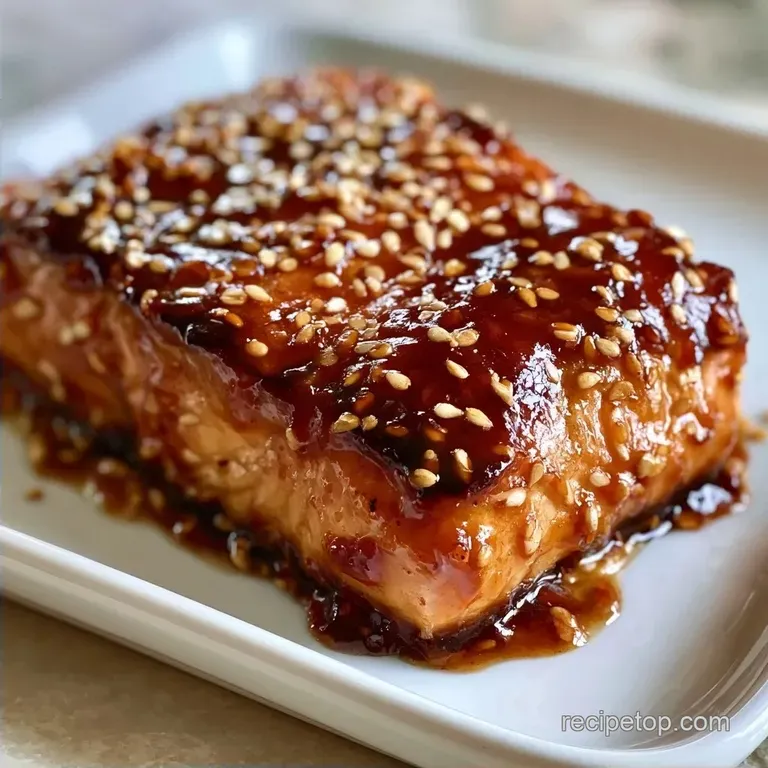
- Time: 10 min active + 30 min marinating
- Flavor/Texture Hook: Umami-rich flavor with caramelized edges
- Perfect for: Quick weekday protein
You want a bold, aggressive sizzle the moment the fillet touches the pan. In the past, my salmon often steamed in its own moisture, resulting in a rubbery, grey surface rather than the rich, caramelized crust found in steakhouses. This usually happened when I skipped drying the fish or overloaded the pan.
This method solves those issues by prioritizing temperature control and surface dryness. The goal is a striking contrast: a deeply charred exterior with a center that remains just opaque. It is a lean, protein-forward meal that avoids heavy sugars or creams.
You get a high-end restaurant experience with minimal effort. The secret lies in the marinade, which delivers a salty, nutty punch while letting the fresh flavor of the salmon shine through.
Making Great Hibachi Salmon
The goal here is to get that deep brown color without overcooking the center. Most people make the mistake of flipping the fish too early, which tears the crust. If you leave it alone for a few minutes, it will naturally release from the cast iron.
For those who track nutrition, this Hibachi Salmon is a powerhouse of omega-3s and lean protein. By using low sodium soy sauce and maple syrup instead of refined sugar, we keep the glycemic load lower while still getting the browning we want.
Why This Salmon Sears
- Dry Surface: Removing water prevents steam, which allows the fish to brown immediately.
- Uniform Cubes: 1 inch pieces increase the surface area, so more of the Hibachi Salmon gets a crust.
The way this works is simple. The sugars in the maple syrup and the proteins in the salmon react under high heat to create a caramelized layer.
| Method | Time | Texture | Best For |
|---|---|---|---|
| Stovetop | 10 mins | Crisp edges, tender center | Small batches |
| Oven | 15 mins | Evenly cooked, softer edges | Large crowds |
Ingredient Deep Dive
| Ingredient | Role | If You Don't Have It |
|---|---|---|
| Soy Sauce | Savory depth | Coconut Aminos |
| Maple Syrup | Browning agent | Honey |
| Sesame Oil | Toasty aroma | Avocado Oil |
| Salmon Fillet | Main protein | Steelhead Trout |
For the Hibachi Salmon Marinade
- 1/4 cup (60ml) low sodium soy sauce Why this? Limits the salt while maintaining a bold flavor.
- 1 tbsp (15ml) toasted sesame oil Why this? Provides that signature steakhouse scent.
- 1 tbsp (21g) maple syrup Why this? Natural sugars that caramelize effectively.
- 2 cloves (6g) garlic, minced
- 1 tsp (2g) fresh ginger, grated
- 1/2 tsp (1g) black pepper
For the Salmon
- 1.5 lbs (680g) salmon fillet, diced into 1-inch pieces Why this? Smaller pieces cook more quickly and evenly.
- 1 tbsp (14g) unsalted butter Why this? Adds a rich flavor and improves the sear.
Start by making sure your salmon is fresh. If you are using frozen fillets, thaw them completely in the refrigerator and pat them dry for at least two minutes before you begin.
Essential Cooking Gear
For Hibachi Salmon, a cast iron skillet is ideal because it retains heat better than stainless steel. A thick-bottomed non-stick pan also works, although you might lose some of that deep browning.
You'll also need a medium bowl for the marinade and a pair of tongs. Tongs allow for precise flipping, whereas a spatula may break the fish cubes.
Step-by-step Instructions
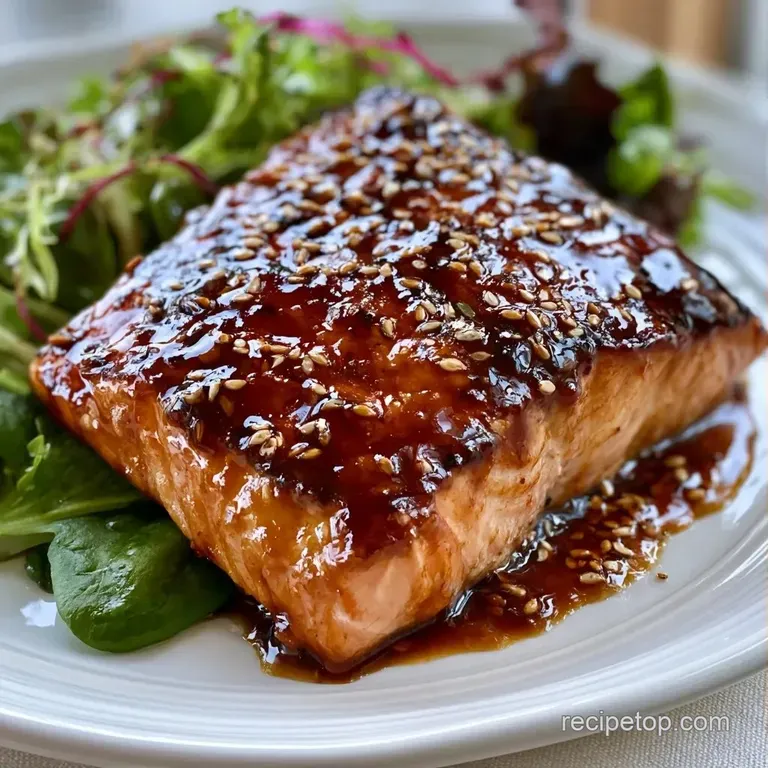
Phase 1: Preparing the Fish
- Use paper towels to pat the salmon cubes very dry. Note: This prevents the fish from steaming.
- Dice the salmon into consistent 1 inch pieces. Note: Uniform sizing ensures every piece finishes cooking at the same time.
Phase 2: Marinating the Salmon
- In a bowl, whisk together the low sodium soy sauce, toasted sesame oil, maple syrup, minced garlic, grated ginger, and black pepper.
- Toss the salmon cubes in the marinade until well coated.
- Let the fish soak for 30 minutes. Note: Do not exceed 2 hours or the salt will alter the fish's texture.
Phase 3: The High Heat Sear
- Set a cast iron skillet over medium high heat and add the butter.
- Heat the pan until the butter begins to foam.
- Arrange the salmon cubes in a single layer. Note: Avoid overcrowding to maintain the pan temperature.
- Sear for 3-4 minutes without moving the pieces until a dark, caramelized crust forms.
- Flip the cubes and sear for another 3 minutes until the edges are crisp and the center is just opaque.
Chef Note: If the butter smells like it is burning, lower the heat slightly. The maple syrup in the Hibachi Salmon marinade can scorch if the pan is too hot.
How to Fix Common Problems
Sticking is the most common issue with this dish. It happens when the fish is added to a pan that isn't hot enough, or when you try to flip it too soon. The proteins need time to bond and then release.
Another issue is the garlic burning. Since the garlic is in the marinade, it's already coated in oil, which protects it, but excessive heat can still turn it bitter.
Fixing Pan Sticking
Wait for the butter to foam. If the fish sticks, leave it for 60 seconds; it will release naturally once the crust forms.
Preventing Burnt Garlic
Keep the heat at a steady medium high rather than maximum. If the pan smokes excessively, move it off the burner for ten seconds.
Managing Overcooked Centers
Stick to the 3 minute flip rule. Salmon continues to cook for a few minutes after leaving the pan, so pull it off while the center is still slightly translucent.
| Problem | Fix |
|---|---|
| Fish sticking | Wait 60 seconds before flipping |
| Burnt marinade | Lower heat slightly |
| Rubbery texture | Reduce total cook time by 1 minute |
Make-ahead and Leftover Tips
Keep cooked Hibachi Salmon in a sealed glass container in the refrigerator for 3 days. To reheat, skip the microwave to prevent the fish from becoming rubbery; instead, toss the pieces back into a hot skillet for 2 minutes.
If you have extra marinade left over (assuming you didn't marinate the fish in the bowl), don't let it go to waste. Simmer it in a small pot for 5 minutes until it thickens, then drizzle it over rice or steamed broccoli.
Any small salmon scraps left over from cubing can be frozen in a bag to be used in a seafood chowder later.
Make It Your Own
To create a platter, try pairing this with Hibachi Shrimp. Use the same marinade for the shrimp, but sear them for only 2 minutes per side as they cook more quickly than the fish.
For a dairy-free alternative, replace the butter with ghee or avocado oil. You will achieve a similar sear thanks to the high smoke point.
To add some spice, stir a teaspoon of Sriracha or some red pepper flakes into the marinade. This provides a bold heat that complements the salmon.
For a heartier dinner, serve this protein with Hibachi Fried Rice. Since they share similar flavor profiles, the meal feels well-balanced and cohesive.
| Goal | What to change |
|---|---|
| More Heat | Add Sriracha to marinade |
| dairy free | Use avocado oil |
| Leaner | Use 1% less maple syrup |
How to Serve and Enjoy
I usually serve Hibachi Salmon over a bed of steamed jasmine rice to soak up the extra juices from the pan. A side of sautéed zucchini and onions completes the steakhouse feel.
For the finishing touch, drizzle a bit of Yum Yum Sauce over the top. The creamy, tangy flavor of the sauce balances the salty umami of the fish.
The Healthy Hibachi Bowl
Put a scoop of quinoa in a bowl, add the salmon, and top with sliced avocado and shredded carrots. This version increases the fiber content and makes the meal more balanced for lunch prep.
The Steakhouse Platter
Serve the fish alongside seared steak and shrimp on a large platter. Garnish with toasted sesame seeds and sliced green onions for a professional look.
Debunking Cooking Assumptions
Contrary to popular belief, searing fish doesn't "lock in" the juices. This is a common misconception; the process is actually designed to create a flavorful, browned crust via a chemical reaction between sugars and amino acids.
You don't need a commercial flat top grill to prepare Hibachi Salmon. In reality, a cast iron skillet provides nearly identical heat distribution for home-sized portions.
Lastly, avoid marinating fish for several hours. Unlike beef, the fragile proteins in salmon can be broken down by acid and salt, which may leave the fish mushy if left too long. Thirty minutes is the ideal window.
Recipe FAQs
Can I use a different type of fish or protein instead of salmon?
Yes, firm white fish or shrimp work well. For other high-heat protein ideas, try our honey garlic chicken.
Is it true that hibachi salmon is just teriyaki salmon?
Actually, no. Hibachi salmon focuses on a high-heat sear with butter and a light marinade, whereas teriyaki is typically glazed in a thick, sweet sauce.
What is the key to achieving the authentic Japanese steakhouse flavor?
Patting the salmon extremely dry. This ensures a dark, caramelized crust forms during the 3-4 minute initial sear without steaming the fish.
How to reheat the salmon without drying it out?
Warm in a pan over low heat with a small pat of butter. Cover the pan for a minute to steam the fish gently until just heated through.
Hibachi Salmon for 4 Servings