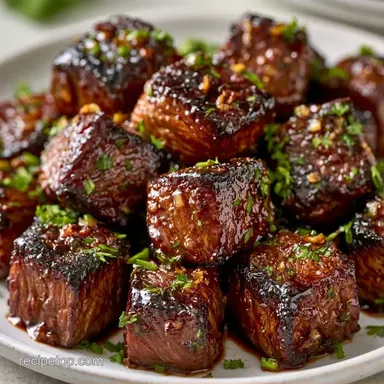
Hibachi Steak with NY Strip
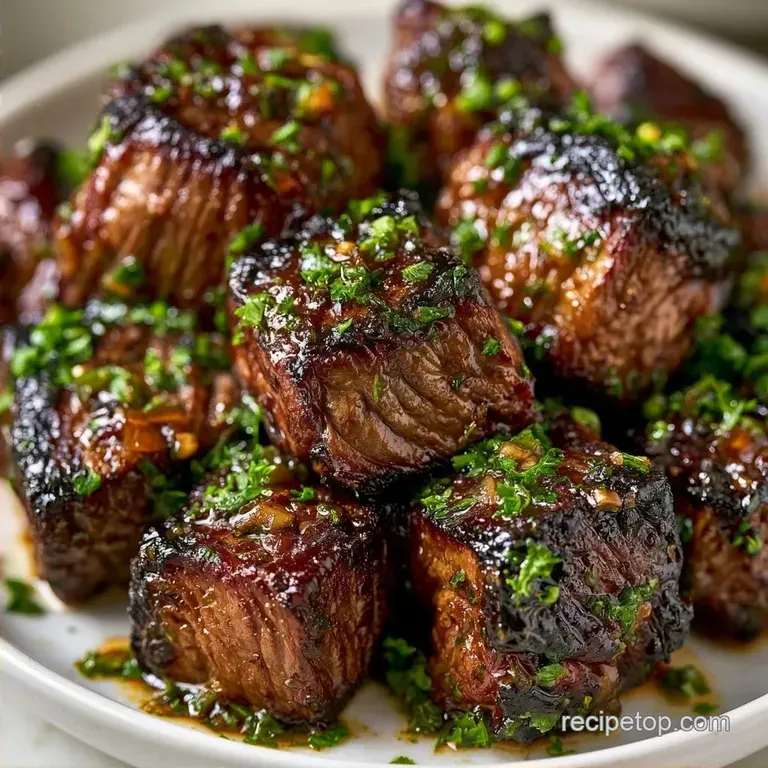
- Time: 10 minutes hands-on + 30 minutes in the fridge
- Key Highlight: A charred mahogany crust with a rich butter finish
- Perfect for: Quick weeknight dinners that feel upscale
The sound of a steak hitting a white-hot griddle is the best part of any Japanese steakhouse. I used to spend a lot at Benihana specifically for that sear and the aroma of garlic butter. It’s a meal that feels like a special event, but it is actually simple to mimic if you have the right heat.
I struggled for a while to get the crust right at home. My first few attempts were just gray, steamed meat because I crowded the pan. Everything changed once I learned the trick of cooking in batches.
You can get an excellent Hibachi Steak result in your own kitchen using a simple cast iron skillet. We’ll focus on high heat and a rapid marinade to keep this meal budget-friendly and fast.
Hibachi Steak
The goal here is to balance the salty soy marinade with a rich butter glaze. Since we're cutting the meat into cubes, we increase the surface area, which means more charred edges on every single piece of Hibachi Steak.
High Smoke Point: Using neutral oil allows the pan to get hot enough to sear the meat instantly. This prevents the steak from boiling in its own juices.
Butter Finish: Adding the butter at the end creates a velvety glaze that coats the meat. It adds a layer of richness that balances the salty soy sauce.
According to the searing guides at Serious Eats, getting the pan to the smoke point is what creates that deep brown crust. If the pan isn't hot enough, you lose that signature steakhouse flavor.
Ingredient Role Breakdown
Each part of this Hibachi Steak recipe serves a purpose, from the tenderizing salt in the soy to the acidity of the lemon.
| Ingredient | Role | If You Don't Have It |
|---|---|---|
| Soy Sauce | Salt and Umami | Tamari or Coconut Aminos |
| Mirin | Sweetness and Glaze | Honey + a splash of vinegar |
| Sesame Oil | Nutty Aroma | Toasted sesame seeds + neutral oil |
| Unsalted Butter | Richness and Color | Ghee or margarine |
You don't need a professional grill to make this. A heavy skillet works just as well for a homemade Hibachi Steak.
Recipe Specs
This version focuses on a quick win. We're using cuts that are affordable but still deliver that tender bite.
| Feature | Detail |
|---|---|
| Prep Time | 10 minutes |
| Cook Time | 15 minutes |
| Total Time | 55 minutes |
| Yield | 4 servings |
The total time includes the 30 minutes the meat spends chilling in the fridge. Don't skip that part if you want the Hibachi Steak to taste deeply seasoned.
Tool Essentials
A cast iron skillet is the ideal choice here due to its superior heat retention. While a stainless steel pan is a suitable substitute, avoid using non-stick if you want to achieve a proper crust.
For the marinade, a medium glass bowl is recommended so the soy sauce doesn't react with the material. You will also need a sturdy spatula for quickly tossing the steak and vegetables.
| Tool | Why it's needed |
|---|---|
| Cast Iron Skillet | Retains high heat for searing |
| Glass Bowl | Non-reactive for marinating |
| Metal Spatula | Heat-resistant for tossing |
Now, let's move on to the ingredients you'll need to gather from the store.
Cooking Steps
Prepare all your ingredients before turning on the stove. Once the pan begins to smoke, the process moves quickly.
Phase 1: The Flavor Infusion
- In a bowl, whisk together 60ml (4 tbsp) soy sauce, 15ml (1 tbsp) mirin, 15ml (1 tbsp) sesame oil, 2 minced garlic cloves, and 0.5 tsp black pepper.
- Stir in 680g (1.5 lbs) of cubed steak until every piece is well-coated. Note: Cutting the meat into 1 inch cubes ensures they cook evenly.
- Let the Hibachi Steak chill in the refrigerator for 30 minutes so the salt can penetrate the meat.
Phase 2: The High Heat Sear
- Heat 30ml (2 tbsp) of neutral oil in a skillet over high heat until it just starts to smoke.
- Arrange the Hibachi Steak cubes in a single layer. Sear without moving them for 2 minutes until a dark mahogany crust develops.
- Toss the steak and cook for an additional 2-3 minutes until the center is medium rare.
- Transfer the steak to a plate and set aside.
Phase 3: The Veggie Sauté & Butter Finish
- Add another 15ml (1 tbsp) of oil to the same pan. Stir in the diced onion, sliced zucchini, and 225g (8 oz) of mushrooms.
- Sauté the vegetables for 4-5 minutes until they are browned and tender.
- Blend 56g (4 tbsp) softened butter with 15ml (1 tbsp) soy sauce, 5ml (1 tsp) lemon juice, and 1 minced garlic clove. Toss this glaze with the Hibachi Steak and vegetables immediately before serving.
Pro Tip: Work in two batches if your pan is small. Crowding the skillet causes the temperature to drop, which leads to gray meat instead of a proper sear.
Fix Common Issues
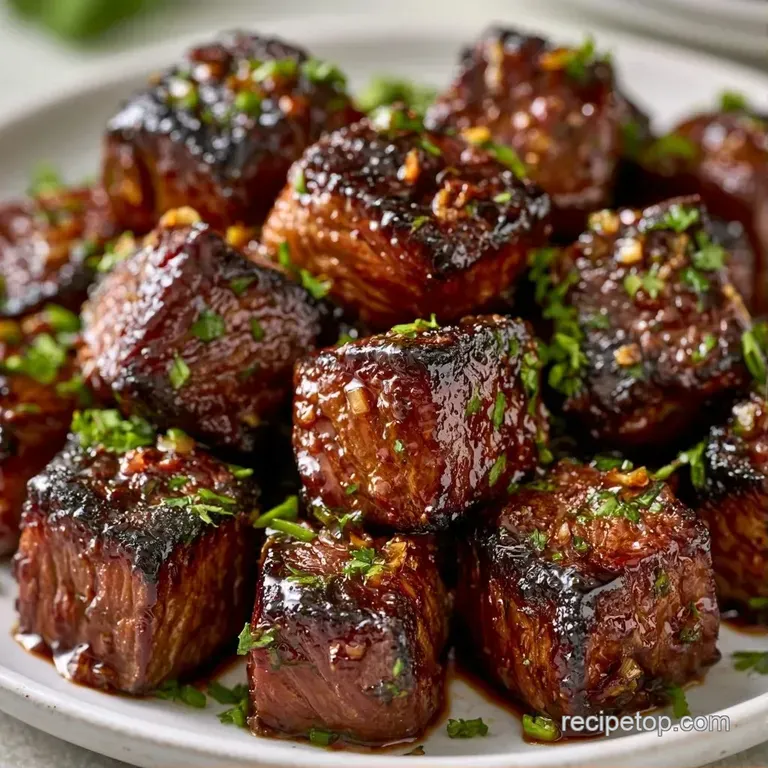
A frequent issue with Hibachi Steak is meat that steams rather than sears, which occurs when too much moisture is released all at once.
Gray and Boiled Meat
This occurs if the skillet is overcrowded or hasn't reached a high enough temperature. The moisture fails to evaporate, causing the steak to boil.
Burnt Garlic Bits
Since garlic scorches quickly under intense heat, we incorporate most of it into the marinade and the final butter glaze to prevent a bitter flavor.
Rubbery Vegetables
Vegetables lose their crunch if they are added too soon or overcooked. To maintain their snap, sauté them quickly over high heat.
| Problem | Fix |
|---|---|
| Meat is gray | Sear in smaller batches |
| Garlic tastes bitter | Add garlic at the end in the butter |
| Veggies are mushy | Reduce sauté time to 4 minutes |
Saving and Storing
Store any remaining Hibachi Steak in an airtight container; it will stay fresh in the refrigerator for about 3 days.
For optimal results, reheat the meat in a hot skillet for 2 minutes instead of using a microwave to restore the crust. You can freeze the cooked steak for up to 2 months, although the zucchini may lose some texture.
To minimize waste, use any leftover marinade as a stir-fry sauce base. Any extra mushroom stems can be minced and stirred into a soup or stock.
Great Side Pairings
The saltiness of the Hibachi Steak needs something neutral to balance it out. Garlic fried rice is the standard choice, but a simple steamed jasmine rice also works.
For a true steakhouse experience, you've got to have Yum Yum Sauce. The creamy, tangy flavor cuts through the richness of the butter glaze.
If you want something lighter, a side of steamed edamame or a crisp cabbage slaw with a rice vinegar dressing provides a fresh contrast to the heavy meat.
Simple Protein Swaps
You can use this same method for other proteins. If you want a full meal, this Hibachi Steak works great as part of a surf and turf combo with shrimp.
For those wanting a different protein, my Hibachi Chicken recipe uses a very similar heat profile and butter finish. The chicken takes slightly longer to cook through but loves the same soy mirin marinade.
| Original Ingredient | Substitute | Why It Works |
|---|---|---|
| NY Strip Steak | Sirloin | Budget-Friendly, slightly leaner but still tender |
| Soy Sauce | Coconut Aminos | gluten-free, slightly sweeter profile |
| Mirin | Rice Vinegar + Sugar | Mimics the sweet/tart balance of mirin |
For a leaner version of Hibachi Steak, use flank steak. Just be sure to slice it against the grain after cooking so it doesn't feel chewy.
Budget-Friendly Tips
If New York Strip is too expensive, sirloin is a great alternative. It's leaner, but since we're cubing the meat and using a butter glaze, you won't notice the difference in richness.
Customizing the Flavor
If you like more heat, add a teaspoon of sriracha or red pepper flakes to the marinade. For a more citrusy note, double the lemon juice in the final butter glaze.
Fresh vs Shortcut
| Ingredient | Shortcut | Result |
|---|---|---|
| Garlic | Jarred minced | Less pungent, slightly metallic |
| Mirin | Sugar/Vinegar | Lacks the depth of fermented rice |
| Steak | Pre cut cubes | Less control over the cut quality |
Quick Adjustments
- For leaner meat: Use extra butter in the glaze.
- For faster prep: Skip the 30 minute chill (though flavor drops).
- For bigger crowds: Sear meat in two batches to avoid steaming.
Busting Cooking Myths
A lot of people think you have to "seal in the juices" when cooking Hibachi Steak. In reality, searing doesn't lock moisture inside. The crust is all about flavor and texture, not juice retention.
Another common thought is that you need a professional teppanyaki grill for this. Your cast iron skillet actually reaches similar temperatures, making it perfectly capable of producing a restaurant style Hibachi Steak.
Some believe that marinating for hours is better. For a quick sear dish like Hibachi Steak, 30 minutes is plenty. Over marinating in soy can actually break down the meat too much, making it mushy.
Final Thoughts on Hibachi Steak
Making Hibachi Steak at home is all about confidence with heat. Once you stop being afraid of the smoking oil, you'll get that perfect crust every time. It's a fast, family-friendly meal that feels way more expensive than it actually is.
The combination of the savory soy marinade and that final hit of garlic butter is what makes this Hibachi Steak so addictive. It's the ultimate way to get your steakhouse fix without leaving the house.
Just remember to cook in batches and keep the heat high. Your Hibachi Steak will be charred, juicy, and ready in under an hour.
High in Sodium
1010 mg 1,010 mg of sodium per serving (44% 44% of daily value)
The American Heart Association recommends a daily sodium limit of no more than 2,300 mg for most adults to maintain heart health.
Tips to Reduce Sodium
-
Swap Soy Sauce-30%
Replace the standard soy sauce with low-sodium soy sauce or coconut aminos to significantly decrease the salt content.
-
Amplify Acidity-10%
Increase the lemon juice or add a splash of rice vinegar to provide a bright, tangy flavor that mimics the punch of salt.
-
Enhance Aromatics-5%
Double the minced garlic or add fresh grated ginger to boost the savory profile without adding any extra sodium.
-
Add Fresh Herbs
Garnish the finished steak and vegetables with fresh parsley or sliced scallions for added depth and flavor.
Recipe FAQs
What cut of steak is used for hibachi?
New York Strip or Sirloin works best. These cuts provide the right balance of flavor and texture for quick searing.
Which marinade ingredients are essential?
Combine soy sauce, mirin, sesame oil, minced garlic, and black pepper. This mixture creates the salty and savory base typical of Japanese steakhouses.
How to make hibachi steak?
Whisk the marinade, coat cubed steak, and refrigerate for 30 minutes. Sear the meat in a hot skillet with neutral oil for 2-3 minutes per side and finish with a garlic butter glaze.
Why is the steak so tender?
Cutting the meat into small cubes allows for a fast sear that locks in moisture. The short cooking time prevents the steak from overcooking and toughening.
Is it true that you need a professional flat-top grill for the sear?
Not true. A cast iron skillet achieves the same high heat needed to create a charred mahogany crust.
Can you add vegetables to the pan?
Use sliced zucchini, white button mushrooms, and diced onions. Sauté them in the same pan after the steak to pick up the leftover flavors.
Should the meat rest before cooking?
Let the marinated steak sit in the refrigerator for 30 minutes. This ensures the soy and garlic flavors penetrate deep into the meat.
Does the pan need to smoke before adding meat?
Heat the neutral oil until it just begins to smoke. This high temperature is necessary to develop a deep brown crust without boiling the meat.
Hibachi Steak for 4 Servings