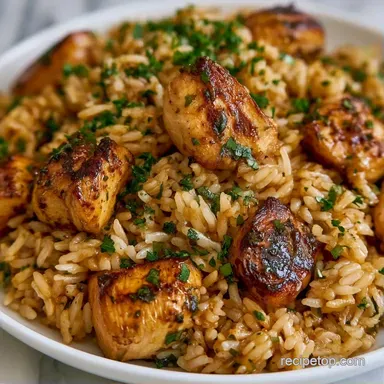
Benihana-Style Hibachi Chicken Fried Rice
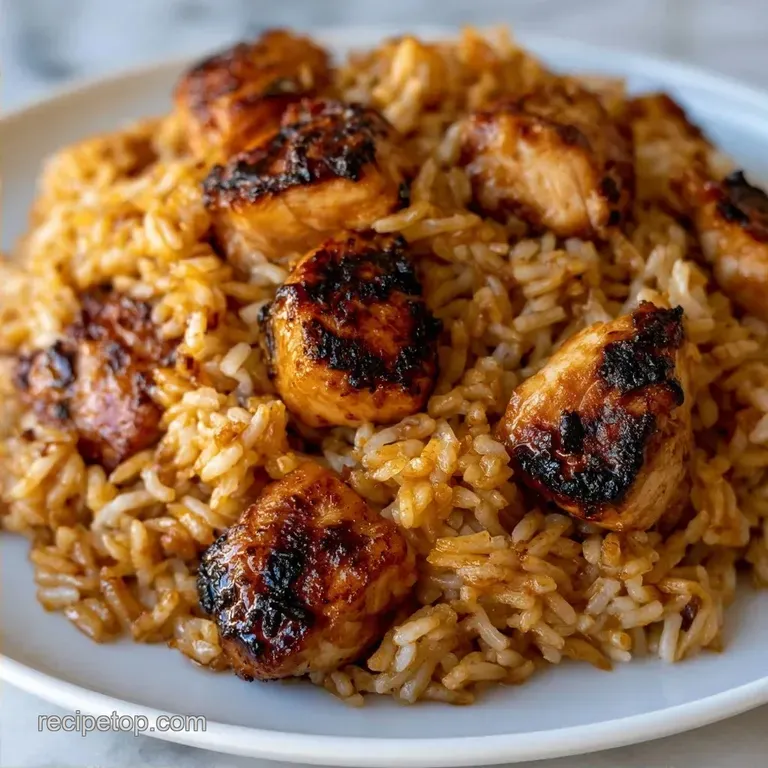
- Time: 10 minutes prep + 10 minutes cooking
- Taste & Feel: Rich umami and buttery notes with a dark, caramelized finish
- Ideal for: Fast evening meals or high-protein meal planning
That signature sizzle happens the moment cold chicken touches a scorching pan. I used to believe a professional wok or a huge Blackstone griddle was required to recreate that authentic steakhouse flavor, assuming only industrial-grade heat could prevent the rice from becoming clumped or soggy.
In reality, a commercial setup isn't necessary. Success comes down to managing your heat and hitting the right timing. I discovered that a regular frying pan performs beautifully as long as you balance the fat and manage the moisture.
The secret to this Hibachi Chicken Fried Rice is accuracy. We want to capture the toasted, nutty fragrance created by browned butter and seared rice. This quick, nutritious dish brings the essence of a Japanese steakhouse directly to your own kitchen.
Hibachi Chicken Fried Rice Made Easy
Cold Rice: Day old rice has less surface moisture, which prevents clumping and allows the grains to fry instead of steam.
Butter Oil Blend: Using vegetable oil for the initial sear prevents the butter from burning, while the butter added later provides that rich, nutty flavor.
Single Layer Searing: Crowding the pan drops the temperature, so cooking the chicken in one layer ensures a mahogany crust.
| Rice Type | Texture | Moisture Level | Best Result |
|---|---|---|---|
| Freshly Cooked | Clumpy/Mushy | High | Not recommended |
| Day Old Chilled | Distinct/Firm | Low | Ideal for frying |
| Frozen/Thawed | Soft | Medium | Acceptable if dried |
The a ha moment for me was realizing that the texture of Hibachi Chicken Fried Rice depends on the starch state of the rice. When rice sits in the fridge, the starch crystallizes. This means it doesn't release as much glue when it hits the pan.
Essential Cooking Gear
Professional equipment isn't necessary, though a thick-based pan is highly recommended. Cast iron or stainless steel retains heat more effectively than thin non-stick cookware, which is key for achieving those crisp, toasted edges on the rice.
You'll also need a durable spatula. Since you'll be moving vegetables aside and scrambling eggs in the middle, a tool that can efficiently scrape the pan is essential.
Ingredient Deep Dive
The balance of soy sauce and sesame oil provides the base umami, while the butter adds the characteristic steakhouse richness. We use chicken breast for a lean, high protein punch that keeps the meal balanced.
| Ingredient | Role | If You Don't Have It |
|---|---|---|
| Day old White Rice | Base structure | Use cauliflower rice for low carb (note: softer texture) |
| Unsalted Butter | Richness & Browning | Ghee or coconut oil (note: changes flavor profile) |
| Soy Sauce | Salt & Umami | Tamari or coconut aminos (note: slightly sweeter) |
| Chicken Breast | Lean Protein | Firm tofu or shrimp (note: adjust cook time) |
For the best Hibachi Chicken Fried Rice, I suggest using long grain white rice or Jasmine rice. These varieties tend to stay separate more easily than short grain varieties.
The Recipe Specs
Efficiency is key here. Since this is a one-pan meal, ensure all your ingredients are prepped and ready before you start the stove.
Precision Checkpoints:
- Chicken Sear: Let it sit for 2-3 minutes to develop a golden crust.
- Veggie Sauté: Cook for 3-4 minutes until tender-crisp.
- Garlic Window: Limit to 30 seconds to avoid burning.
Ingredient List:
- 1 lb chicken breast, cut into 1/2 inch cubesWhy this? Uniform size ensures even cooking
- 1 tbsp soy sauce (for glazing the chicken)
- 1 tbsp vegetable oil
- 1/2 tsp salt
- 1/4 tsp black pepper
- 3 cups chilled, day-old white riceWhy this? Prevents mushy texture
- 3 tbsp butter (divided)
- 2 tbsp soy sauce (for the rice)
- 1 tsp sesame oilWhy this? Adds a toasted, nutty aroma
- 2 large eggs, lightly beaten
- 1/2 cup thawed frozen peas
- 1/2 cup carrots, diced
- 1/4 cup white onion, diced
- 2 cloves garlic, minced
- 3 stalks green onions, sliced
Substitution Tips:
- Carrots: Swap for celery or red bell pepper for a different kind of crunch.
- Peas: Use corn or edamame for a similar effect.
- Chicken: If opting for thighs, extend the initial sear by 1 minute.
The Cooking Process
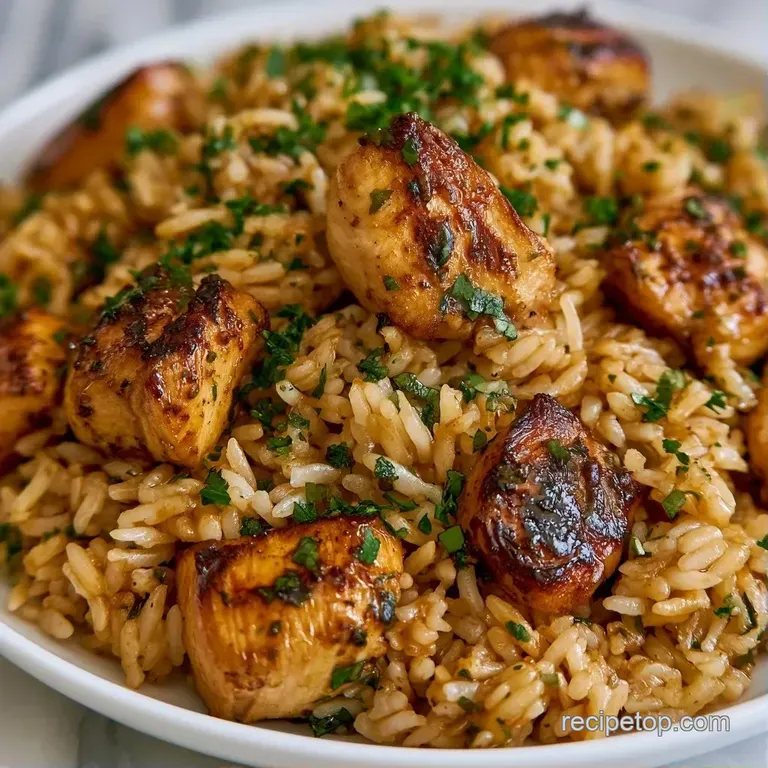
The secret to an excellent Hibachi Chicken Fried Rice is managing your pan space. By cooking in batches, you ensure that no ingredients get steamed or overcooked.
- Warm 1 tbsp vegetable oil in a pan over medium-high heat. Arrange the cubed chicken in a single layer and sear without stirring for 2-3 minutes until a brown crust forms.
- Stir the chicken and cook for an additional 2 minutes until the meat is opaque throughout.
- Add 1 tbsp soy sauce, toss to glaze the meat, and remove the chicken from the pan right away. Note: Removing the meat prevents it from drying out while you do the rice.
- Melt 1 tbsp butter in the same pan. Sauté the diced onions, carrots, and white parts of the green onions for 3-4 minutes until they soften but keep a snap.
- Stir in minced garlic for the last 30 seconds until it smells fragrant.
- Move vegetables to the edge of the pan and pour beaten eggs into the center. Scramble quickly until they are just set and silky.
- Turn heat to high. Add the chilled white rice and the remaining 2 tbsp butter. Stir fry for 3-5 minutes until rice is heated through and starts to toast.
- Stir in the remaining 2 tbsp soy sauce and 1 tsp sesame oil.
- Return the cooked chicken and thawed frozen peas to the pan. Toss everything together for 2 minutes until the color is a uniform golden brown.
- Garnish with the sliced green onion tops before serving.
Fixing Common Issues
Cooking Hibachi Chicken Fried Rice at home can be tricky if you are not used to over high heat stir frying. Most problems come down to temperature and moisture.
Mushy Rice Texture
This happens when the rice is too fresh or the pan is overcrowded. If your rice is clumping, stop stirring for 60 seconds. Let the rice sit against the hot metal to evaporate excess moisture and create a sear.
For future batches, spread your cooked rice on a baking sheet and freeze it for 15 minutes before frying.
Dry Chicken Breast
Overcooking the chicken is easy since we cut it into small cubes. The fix is to remove the chicken from the pan the second it turns opaque. It will continue to cook slightly from carryover heat while it rests on the plate, keeping it juicy.
Lack of Browning
If your rice stays white or pale, your heat is too low. You want the pan to be almost smoking before the rice goes in. If you see the butter foaming and the rice sizzling loudly, you have the right temperature.
Scaling Your Portions
To prevent the ingredients from steaming, make these modifications when adjusting the Hibachi Chicken Fried Rice recipe.
Half Batch: Opt for a smaller pan to maintain high heat. Reduce the vegetable cooking time by approximately 20%. You can either use one whole beaten egg or half of two beaten eggs.
Double Batch: Avoid preparing a double portion in a single pan. Overcrowding the surface will cause the temperature to drop, resulting in steamed rice rather than fried. It is better to work in two separate batches.
If you prefer to cook it all at once, decrease the soy sauce and sesame oil by 10% to keep the flavor balanced.
| Servings | Chicken | Rice | Butter | Soy Sauce (Total) |
|---|---|---|---|---|
| 2 Servings | 0.5 lb | 1.5 cups | 1.5 tbsp | 1.5 tbsp |
| 4 Servings | 1 lb | 3 cups | 3 tbsp | 3 tbsp |
| 8 Servings | 2 lbs | 6 cups | 6 tbsp | 6 tbsp |
When increasing the yield, remember that salt and garlic often don't require a full doubling. Try using 1.5 times the original quantity first, then taste before adding more.
Storage and Reheating
Hibachi Chicken Fried Rice keeps quite well in the refrigerator. Keep it in a sealed container for 3 days.
When reheating, try to skip the microwave, which can often make the rice rubbery. Instead, toss your serving into a hot pan with a small bit of butter. This brings back the toasted texture and that signature buttery glaze.
Any leftover chicken or vegetables are wonderful additions to a simple soup or can be used as a BBQ Chicken Pizza topping if you're feeling adventurous with your leftovers.
This dish is also freezer-friendly for about 2 months. Freeze the rice in individual servings, then thaw in the fridge overnight before warming it up in a pan.
Creative Twists and Swaps
You can easily modify this Hibachi Chicken Fried Rice to fit your diet or cravings.
Decision Shortcut:
- Extra tang? → fold in 1 tsp rice vinegar.
- More heat? → add 1 tsp sriracha.
- Extra smokey? → add a drop of liquid smoke.
For a more authentic steakhouse experience, serve this with a side of Yum Yum Sauce. The creamy, slightly sweet flavor cuts through the salty soy and rich butter.
Protein Swaps:
- Shrimp: Sear for only 1-2 minutes per side. Add them back at the very end.
- Tofu: Press the tofu to remove water, cube it, and sear until golden before adding the rice.
- Steak: Use sirloin or ribeye, cut into small cubes, and sear on very high heat.
Veggie Variations: If you want more nutrients, add diced broccoli or sliced snap peas. Add them during the carrot and onion stage so they have enough time to soften.
Plating Your Meal
Presentation is key. Since Hibachi Chicken Fried Rice is full of golden and brown tones, the green onion garnish provides a necessary pop of color as well as flavor.
For a restaurant-style look, scoop the rice into a bowl, press it down slightly, and flip it onto a plate to create a neat, rounded mound.
Arrange the chicken on top or around the rice. Pair it with steamed broccoli or a fresh cabbage slaw to add lightness to the plate. A final sprinkle of toasted sesame seeds adds a professional touch and a bit of crunch.
Recipe FAQs
What makes hibachi fried rice different from standard fried rice?
Hibachi style focuses heavily on butter and high heat to achieve a toasted flavor. Most standard fried rice relies more on oil and a wider variety of sauces.
Which ingredients are used in hibachi fried rice?
This version uses chicken breast, chilled white rice, eggs, butter, soy sauce, and sesame oil. It is rounded out with carrots, white onion, garlic, frozen peas, and green onions.
How to prepare this chicken fried rice in 20 minutes?
Sear cubed chicken in oil, then sauté onions, carrots, and garlic in butter. Scramble eggs in the pan before stir-frying chilled rice with more butter, soy sauce, sesame oil, and the remaining ingredients.
Why does hibachi fried rice have such a distinct flavor?
The secret is the combination of butter and high heat which creates a nutty, caramelized crust on the rice. If you enjoyed mastering this crust development here, see how the same principle works in our traditional Irish pasties.
Is it true that fresh rice works just as well as chilled rice?
No, this is a common misconception. Fresh rice is too moist and will steam rather than fry, resulting in a mushy texture.
Hibachi Chicken Fried Rice in 20 Minutes