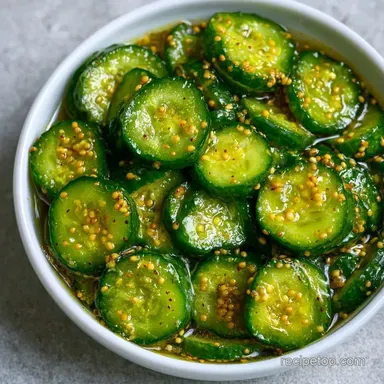
Crunchy Dill Pickle Chips
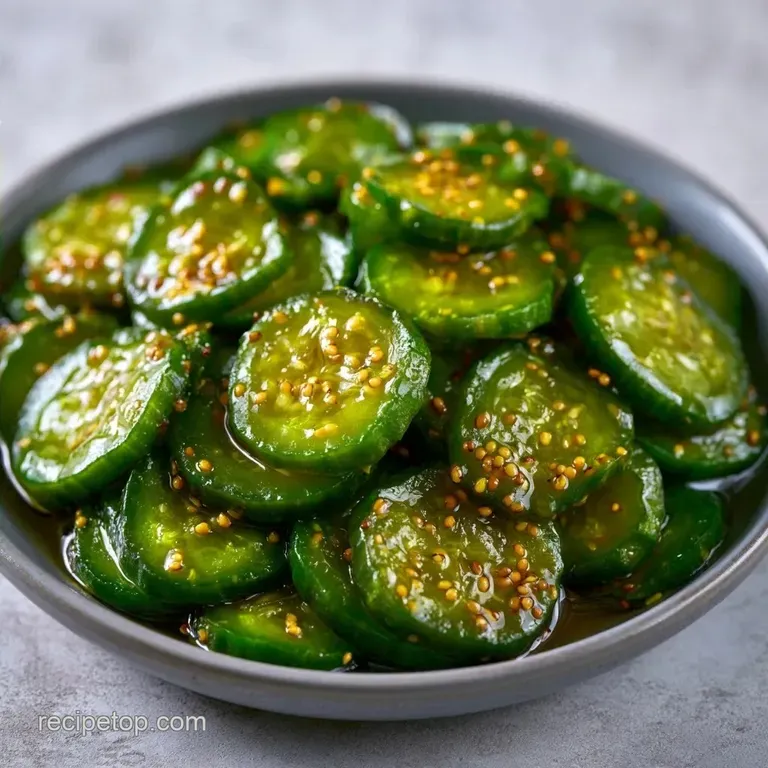
- Time: 15 min active + 24 hrs chilling
- Flavor/Texture Hook: Tangy, salty, and seriously crunchy
- Perfect for: Sandwich toppers, burger sides, or late night snacking
The smell of fresh dill and apple cider vinegar hitting a hot pot is one of my favorite kitchen scents. It's clean, sharp, and tells me exactly what's happening. I used to just buy the jars from the store, but once you make them at home, the store-bought stuff tastes like salty water by comparison.
You can get these ready in about 15 minutes of actual work. Most of the "cooking" is just waiting for the fridge to do its thing.
We're making Dill Pickle Chips that have a real bite to them. They aren't those soft, limp slices you find in cheap deli tubs. These are bright, crisp, and hit all the right notes for a burger or a sandwich.
Crispy Dill Pickle Chips Guide
Why the Brine Works
- Salt Soak
- Salting the cucumbers first pulls out excess water, which stops the brine from getting diluted and keeps the crunch.
- Acid Balance
- The apple cider vinegar provides a sharp tang that cuts through the sugar and salt.
- Cold Infusion
- Letting the jars sit in the fridge for a full day allows the garlic and dill to seep deep into the center of each slice.
| Feature | Fast Method | Classic Brine |
|---|---|---|
| Wait Time | 2-4 hours | 24+ hours |
| Crunch Level | Soft/Crisp | Hard Snap |
| Flavor Depth | Surface level | Fully infused |
| Best For | Immediate craving | Meal prep |
The Ingredient Deep Dive
| Ingredient | What It Does | Best Swap |
|---|---|---|
| Pickling Salt | Draws out water, preserves | Kosher salt (use more) |
| Apple Cider Vinegar | Provides acidity and tang | White distilled vinegar |
| Fresh Dill | Adds the signature herb flavor | Dried dill (use 1/3 amount) |
| Cane Sugar | Balances the harsh acidity | Honey or maple syrup |
The Shopping List
I recommend picking up the smallest cucumbers you can find, usually labeled as "pickling" or "Kirby." They have thinner skins and denser flesh.
- 1.13 kg pickling cucumbers, sliced into 6 mm chips Why this? Firmer texture than English cucumbers
- 30 ml pickling salt Why this? No iodine, so the brine stays clear
- 710 ml apple cider vinegar Why this? Milder and fruitier than white vinegar
- 710 ml filtered water Why this? Removes chlorine taste
- 25 g cane sugar Why this? Pure sweetness without a molasses aftertaste
- 10 g yellow mustard seeds Why this? Adds a subtle earthy heat
- 5 g dill seeds Why this? Concentrated dill flavor
- 1 g black peppercorns Why this? Provides a slow, background spice
- 4 cloves garlic, smashed Why this? Pungent, aromatic base
- 2 cups fresh dill, roughly chopped Why this? Freshness you can't get from jars
- 4 large sprigs fresh dill, whole Why this? Visual appeal and slow infusion
Essential Kitchen Gear
You don't need anything fancy here. A basic stainless steel pot is a must because vinegar can react with aluminum or cast iron, giving your brine a metallic taste. I use five pint sized Mason jars with tight lids. A sharp chef's knife or a mandoline helps keep the slices even, which means they pickle at the same rate.
Making the Chips
- Slice the cucumbers into uniform 6 mm chips. Toss them in a large bowl with the pickling salt and let them sit for 30 minutes. Note: This removes the excess moisture.
- Rinse the slices thoroughly with cold water. Pat them dry with a clean towel.
- Combine apple cider vinegar, water, sugar, mustard seeds, dill seeds, and peppercorns in a stainless steel pot.
- Heat over high heat, stirring occasionally. Wait until the liquid reaches a simmer and sugar has dissolved.
- Remove the pot from the heat immediately.
- Divide the smashed garlic and whole dill sprigs evenly among the five jars.
- Pack the cucumber chips tightly into the jars, layering in the chopped dill as you go.
- Pour the hot brine over the cucumbers until they are completely submerged.
- Seal the lids tightly.
- Let the jars cool to room temperature, then refrigerate for at least 24 hours.
Avoiding Pickle Pitfalls
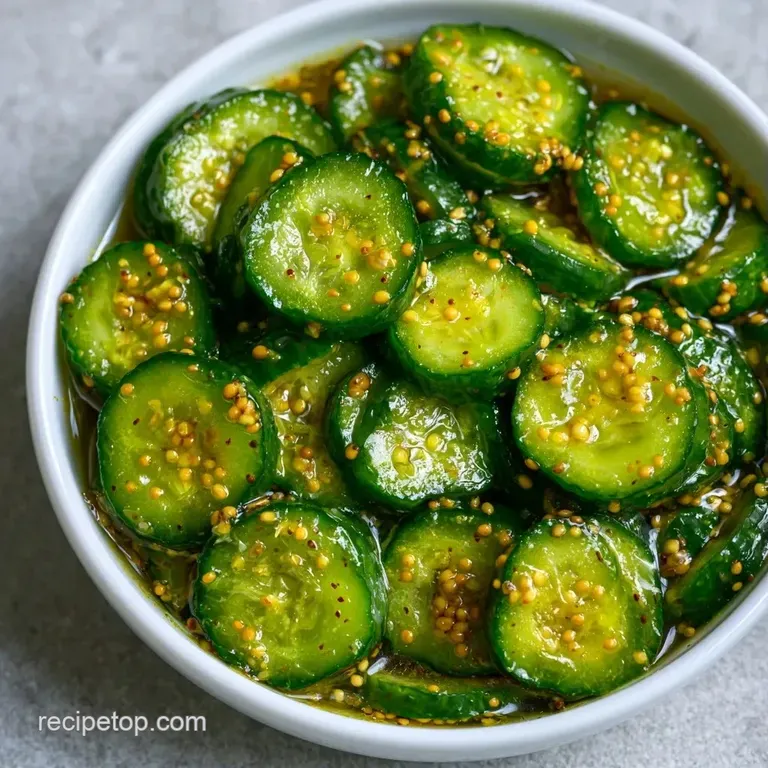
If your pickles come out soft, it's usually because the cucumbers were too watery or the salt soak was skipped. The salt is what creates that "snap" we all want.
Troubleshooting Common Issues
| Issue | Solution |
|---|---|
| Why Your Pickles Are Mushy | This happens when enzymes in the cucumber break down the pectin. Using the freshest cucumbers and a cold fridge helps stop this. |
| Why the Brine Is Cloudy | Cloudiness usually comes from using tap water with high mineral content or not rinsing the salt off the cucumbers. Using filtered water fixes this. |
| Why They Taste Too Salty | Over salting during the initial soak or using table salt instead of pickling salt can throw off the balance. Always rinse the slices well. |
Chef's Note: If you're in a rush, you can try a quick pickle meal prep method, but for these specific chips, the long chill is where the flavor lives.
Swaps and Twists
You can easily change the profile of these Dill Pickle Chips to suit your mood. I've found that adding a pinch of red pepper flakes makes them great for spicy sandwiches. If you prefer a sweeter vibe, bump the sugar up by another tablespoon.
Quick Decision Guide:
- If you want more heat, add 1 tsp red pepper flakes.
- If you want a deeper garlic punch, double the cloves to 8.
- If you want a cleaner taste, swap apple cider vinegar for white vinegar.
For those who like a more traditional, slow cured style, you might enjoy these sharp dill pickles which use a slightly different brine ratio.
Dietary Adjustments: - Keto/Low Carb: Replace cane sugar with a monk fruit sweetener or erythritol. - Low Sodium: Reduce pickling salt by half, though they won't stay crunchy as long.
Keeping Them Fresh
Store these in the fridge. They stay crisp and flavorful for about 4 to 6 weeks. Don't keep them on the counter, as this is a refrigerator recipe and not a canned one.
Freezing: Do not freeze these. The water in the cucumbers will expand and destroy the cell walls, leaving you with a mushy mess once they thaw.
Zero Waste Tips: Don't toss the leftover brine! It's basically a salty, acidic goldmine. Use it to marinate chicken breasts for 2 hours before grilling, or splash a bit into a potato salad for a punch of acidity.
The leftover dill stems can be blended into a pesto or tossed into a soup for extra flavor.
What to Serve
These chips are a natural fit for anything heavy or fatty. The acidity cuts right through a juicy burger or a fried chicken sandwich. I also love them chopped up and folded into a creamy tuna salad or served alongside a plate of salty deli meats.
If you're putting together a party platter, pair these with some sharp cheddar cheese and a spicy brown mustard. The contrast between the cold, crisp Dill Pickle Chips and the rich cheese is spot on. Trust me on this, they are just as good eaten straight from the jar while you're cleaning up the kitchen.
Recipe FAQs
What is the secret to crisp dill pickles?
Toss sliced cucumbers in pickling salt for 30 minutes. Rinsing and patting them dry before packing removes excess moisture and firms the cell structure for a better crunch.
Do homemade dill pickles in vinegar need to be refrigerated?
Yes, they must be kept chilled. Because these are not processed in a canning bath, refrigeration is required to keep them safe and crisp.
How long does it take for the flavors to develop in the pickle?
Refrigerate for at least 24 hours. This window allows the apple cider vinegar, garlic, and dill to fully penetrate the cucumber chips.
How to make sweet pickles without canning?
Swap the savory spices for a sugar heavy brine. If you prefer a sugary profile, follow the method for these sweet refrigerator pickles for a crunchy result.
Why are my pickles mushy?
Use the freshest cucumbers available. Mushiness happens when enzymes break down the pectin in the vegetable, which is prevented by using fresh produce and a cold fridge.
Why is the brine cloudy?
Use filtered water. Cloudiness is typically caused by high mineral content in tap water or failing to rinse the pickling salt off the cucumbers.
Is it true that I can reuse the brine for refrigerator pickles?
No, this is a common misconception. Reusing brine can introduce bacteria and weaken the flavor profile, so it is safer to make a fresh batch.
Crispy Dill Pickle Chips