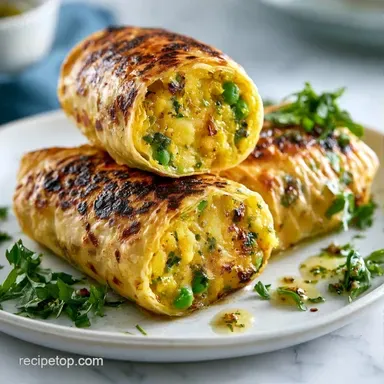
Crispy Indian Samosa Rice Paper Rolls
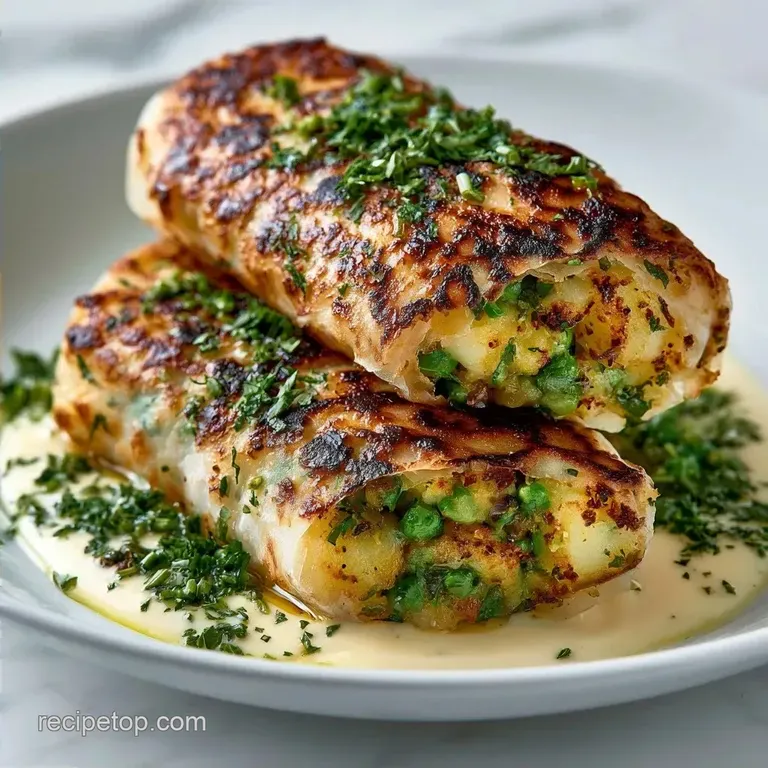
- Time: 30 min active + 15 min cooking
- Flavor/Texture Hook: Shatter crisp shell with a savory, spiced interior
- Perfect for: Quick appetizers or a gluten-free party snack
- Why Samosa Rice Paper Rolls Work
- The Logic Behind Ingredients
- Everything You Need
- Essential Kitchen Tools
- Making These Step by Step
- Fixing Common Wrap Issues
- Troubleshooting Common Issues
- Different Flavor Variations
- Adjusting the Batch Size
- Debunking Kitchen Myths
- Storage and Waste Tips
- Great Sides and Dips
- Recipe FAQs
- 📝 Recipe Card
Hear that? It's the sound of rice paper hitting hot oil and bubbling instantly into a golden, crackling shell. When you bite into one, you get a sharp snap followed by the warm, earthy scent of cumin and ginger. It's like a traditional street snack but feels much lighter on the stomach.
I used to spend hours rolling out dough for traditional samosas, often ending up with a greasy mess or a shell that stayed raw in the corners. Then I tried using rice paper. It changes the whole vibe of the dish.
You're getting a fusion treat here. These Samosa Rice Paper Rolls keep the bold Indian flavors we love but use a wrapping technique that's way faster. It's a balanced way to get those cravings satisfied without feeling weighed down by heavy flour.
Why Samosa Rice Paper Rolls Work
- Rice Paper Shell: Since these wrappers are mostly starch, they dehydrate rapidly in a pan, creating a thin, brittle crust instead of a bread like shell.
- Cold Filling: Using cooled potatoes prevents steam from trapping inside the roll, which keeps the paper from getting gummy or tearing.
- Oil Distribution: A thin layer of neutral oil ensures the rice paper doesn't stick to the pan, allowing it to fry evenly on all sides.
| Method | Prep Time | Texture | Best For |
|---|---|---|---|
| Classic Dough | 1 hour+ | Thick, flaky | Traditional feasts |
| Rice Paper | 30 mins | Thin, shatter crisp | Quick hosting |
The Logic Behind Ingredients
I like to look at the balance of flavors here. We have the starch from the potatoes, the acidity from the amchur, and the aromatic hit from the ginger garlic paste.
| Ingredient | What It Does | Best Swap |
|---|---|---|
| Amchur | Adds a sharp, dried mango tang | Lemon juice (fresh) |
| Rice Paper | Creates a gluten-free, crispy shell | Spring roll pastry |
| Mozzarella | Adds a creamy, salty pull | Paneer cubes |
| Garam Masala | Provides the warm, spicy base | Cumin and coriander mix |
Everything You Need
For the filling, you'll want ingredients that provide a good contrast in texture. The peas add a little pop against the smooth mashed potatoes.
- 2 cups boiled potatoes, peeled and mashed Why this? Provides the hearty, starchy base
- 1/2 cup green peas, steamed Why this? Adds color and a slight sweetness
- 2 tbsp vegetable oil
- 1 tsp cumin seeds
- 1 tbsp ginger garlic paste
- 2 medium green chilies, finely minced
- 1 tsp garam masala
- 1 tsp amchur
- 1/2 tsp turmeric powder
- 1/2 tsp salt
- 1/4 cup fresh cilantro, chopped
- 12-16 sheets rice paper wrappers Why this? Fast cooking, gluten-free option
- 1 cup warm water
- 1/2 cup shredded mozzarella Why this? Adds a modern, melty fusion element
- 2 tbsp neutral oil (for frying)
- 1 cup fresh mint leaves (for chutney)
- 1/2 cup fresh cilantro (for chutney)
- 1 tbsp lemon juice
- 1 tsp sugar
- 1 pinch salt
- 2 tbsp water
If you can't find amchur, a squeeze of lime works, but amchur has a more concentrated, fruity tartness that is traditional in North Indian cooking.
Essential Kitchen Tools
You don't need much, but a wide non stick skillet is a must. If the pan is too small, the rolls will crowd and steam rather than fry, which ruins the crunch. A shallow bowl or a rimmed baking sheet is also needed for dipping the rice paper.
Chef's Note: Use a wide, flat spatula. Rice paper becomes very delicate once it's hydrated, and you don't want to puncture the rolls when flipping them.
Making These step by step
Phase 1: Crafting the Aloo Filling
- Heat oil in a saucepan over medium heat. Add cumin seeds and wait until they sizzle and smell nutty.
- Stir in the ginger garlic paste and minced chilies, sautéing for 1 minute until fragrant.
- Add the mashed potatoes and peas, stirring in the turmeric, garam masala, amchur, and salt.
- Cook for 3-5 minutes until the spices toast and the filling looks golden, then fold in the fresh cilantro.
- Remove from heat and let the mixture cool completely. Note: This is the most important part to prevent the paper from tearing.
Phase 2: The Wrapping Technique
- Fill a shallow dish with warm water.
- Dip one rice paper sheet into the warm water for 5-10 seconds until it feels pliable but not overly soft.
- Lay the sheet on a clean surface. Place a spoonful of the potato mix and a pinch of mozzarella in the center.
- Fold the sides in and roll tightly, tucking the ends to seal the Samosa Rice Paper Rolls.
Phase 3: Achieving the Shatter Crisp Finish
- Heat 2 tbsp neutral oil in a skillet over medium heat.
- Place the rolls in the pan, ensuring they don't touch.
- Fry for 3-4 minutes per side until the skin is golden and bubbles up.
- Blend the mint, cilantro, lemon juice, sugar, salt, and water in a food processor until smooth for the dipping sauce.
Fixing Common Wrap Issues
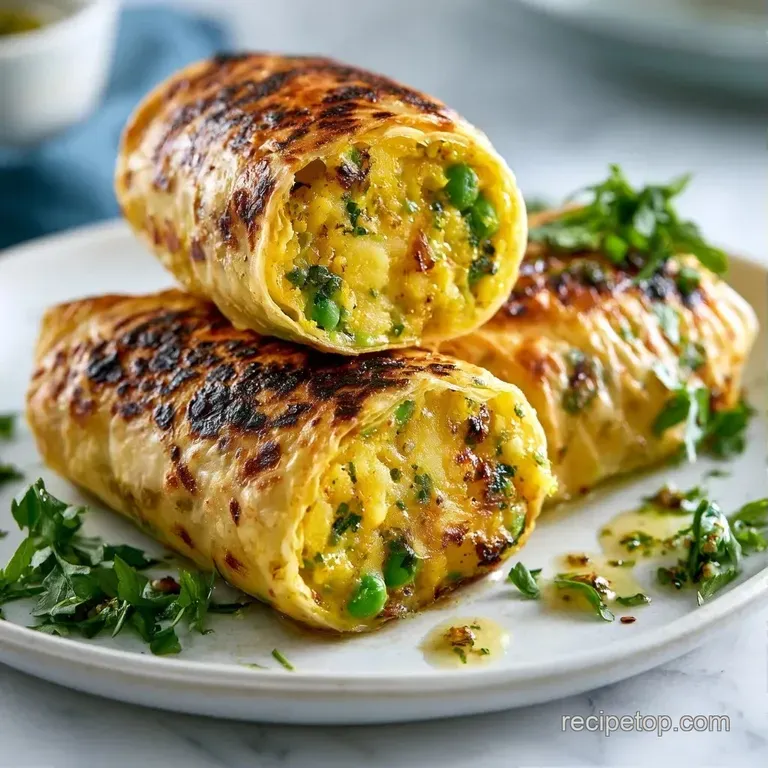
It's easy to get frustrated with rice paper if you've never used it. The biggest issue is usually moisture control. According to Serious Eats, rice paper is highly sensitive to over hydration, which makes it sticky and prone to ripping.
Troubleshooting Common Issues
| Issue | Solution |
|---|---|
| Why Your Rolls Tear | This usually happens because the paper was soaked too long or the filling was still hot. Steam from the potatoes will melt a hole right through the wrapper. |
| Why Your Rolls Stick | If you don't use enough oil, the starch in the rice paper bonds to the pan. Make sure the oil is shimmering before the rolls go in. |
| Why Your Interior Is Soggy | This is usually due to overfilling. If you put too much mash in, the heat can't reach the center, leaving you with a limp middle. |
Different Flavor Variations
You can easily tweak this recipe based on what's in your fridge. If you're looking for more protein, try adding some crumbled tofu or finely diced paneer to the potato mix. For those who prefer a different wrap, my savory rice paper rolls use a similar technique with different fillings.
For a Rice Paper Samosa Air Fryer Method
Spray the rolls generously with oil. Air fry at 200°C (400°F) for 8-10 minutes, flipping halfway through. They won't be as bubbly as pan-fried ones, but they're a healthier option.
For a Baked/Lighter Option
Place rolls on a parchment lined sheet and brush with oil. Bake at 200°C (400°F) for 12-15 minutes. This results in a more matte finish and a slightly chewier texture.
For a Protein Packed Version
Add 1/2 cup of cooked chickpeas or finely chopped cauliflower to the potato mix. This increases the fiber and protein content without changing the flavor profile.
Adjusting the Batch Size
If you're making these for a crowd, don't try to fry 20 rolls at once. You'll drop the pan temperature, and they'll soak up oil instead of crisping.
- Scaling Down (1/2 batch): Use a smaller skillet. Reduce the cooking time for the filling by about 2 minutes since there's less mass in the pan.
- Scaling Up (2x batch): Keep the spices at 1.5x instead of 2x to avoid overpowering the dish. Work in batches of 4-5 rolls per pan.
- Baking Large Batches: If baking for a party, lower the oven temp to 175°C (350°F) and extend the time by 5 minutes to ensure the centers heat through without burning the edges.
| Goal | Adjustment | Result |
|---|---|---|
| More Crunch | Double fry for 1 min | Extra brittle shell |
| Less Heat | Remove green chilies | Mild, kid friendly |
| Vegan Version | Swap mozzarella for cashew cheese | Plant based fusion |
Debunking Kitchen Myths
Myth: You need to deep fry rice paper to get it crispy. Truth: A shallow pan with 2 tbsp of oil is plenty. The paper fries in its own starch as long as the heat is medium high.
Myth: Rice paper rolls are only for fresh spring rolls. Truth: As seen with these Samosa Rice Paper Rolls, they are actually fantastic for frying because they dehydrate faster than wheat based wrappers.
Storage and Waste Tips
Store any leftover uncooked rolls in the fridge for up to 24 hours. Keep them separated by parchment paper, or they will fuse into one giant rice paper block. Once fried, they are best eaten immediately, but you can reheat them in an air fryer for 3 minutes to bring back the crunch.
For the freezer, you can freeze the cooked rolls for up to 2 months. Just make sure they are completely cool before bagging them. Reheat in the oven at 180°C (350°F) until hot.
To avoid waste, use any leftover potato filling as a base for a quick mash or fold it into a wrap for lunch the next day. If you have leftover mint and cilantro from the chutney, blend them with oil and garlic to make a zesty herb oil for roasting vegetables.
Great Sides and Dips
The mint chutney is the standard pairing here because the acidity cuts through the richness of the fried potato. However, if you want something different, a sweet tamarind glaze or a spicy sriracha mayo works well.
If you're serving these as part of a larger meal, they pair great with a light salad. For more inspiration on using these wrappers, you might like these rice paper egg rolls which offer a different protein profile.
The balance of the warm, spiced potato and the cool, zesty chutney is what makes this dish work. It's a fast way to get a complex set of flavors on the table without needing a professional kitchen. These Samosa Rice Paper Rolls are a great introduction to fusion cooking simple, balanced, and satisfying.
Recipe FAQs
Can you make samosas with rice paper?
Yes, it's a crispy, gluten-free alternative. Rice paper creates a thin, shatter crisp shell that effectively replaces traditional wheat pastry.
Is it true that rice paper rolls are always a healthy choice?
No, this is a common misconception. The health profile depends entirely on the filling and whether you pan-fry them in oil.
What is a traditional Indian samosa filling?
A spiced mixture of potatoes and peas. This version uses mashed potatoes, green peas, garam masala, and amchur for authentic flavor.
What noodles are typically used in rice paper rolls?
Rice vermicelli. These are staples in Vietnamese rolls, though this samosa recipe replaces noodles with a hearty potato mash.
How to prepare Indian samosa rice paper rolls?
Sauté cumin, ginger garlic paste, and chilies before folding in mashed potatoes and peas. Once the filling is cooled, wrap it in dipped rice paper; if you enjoyed this wrapping technique, see how it works in shrimp spring rolls.
How to air fry rice paper samosas?
Brush the rolls with neutral oil and air fry until golden brown. For previously cooked rolls, reheat for 15 minutes to bring back the crunch.
Why are my rice paper rolls tearing?
The filling was likely too hot or the paper was over soaked. Steam from warm potatoes can melt the wrapper, so let the mixture cool completely before rolling.
Samosa Rice Paper Rolls