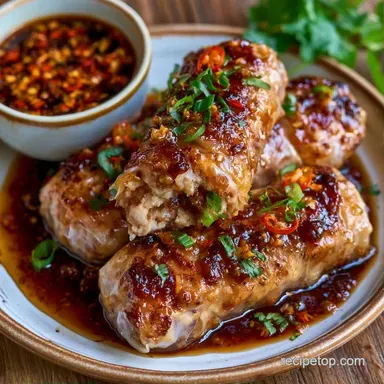
Failure-Proof Chicken Rice Paper Rolls
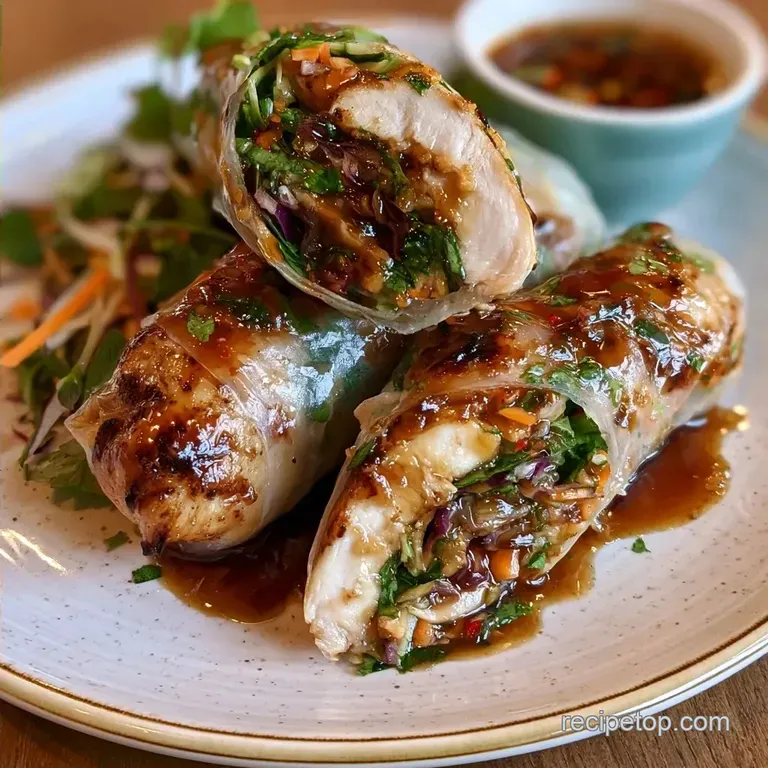
- Time: 20 min active + 15 min cook
- Flavor/Texture Hook: Fresh crunch with savory caramelized chicken
- Ideal for: Healthy meal prep or a light lunch
I can still smell the honey and ginger sizzling in my pan from the last time I made these. There is something about that specific scent that just makes the kitchen feel right. But for a long time, my experience with these was a disaster.
I used to end up with rolls that felt like rubber , worse, they would just split open the second I tried to move them to a plate.
The issue is usually the hydration of the rice paper. Most people soak them too long, thinking they need to be fully soft before they hit the board. In reality, that leads to a sticky, fragile mess. I found that a quick dip and a bit of patience while the paper softens on its own is the only way to keep them stable.
These Chicken Rice Paper Rolls are all about that balance of textures. You get the snap of the raw carrots and cucumber, the chew of the vermicelli, and the savory hit of the chicken. It is a high protein, balanced meal that doesn't leave you feeling sluggish in the afternoon.
Chicken Rice Paper Rolls: The Main Fix
The biggest hurdle with this recipe is avoiding the "soggy roll" syndrome. When you put hot chicken directly onto a hydrated rice paper sheet, the residual heat creates steam. That steam attacks the rice paper from the inside, turning your fresh roll into a mushy tube in minutes.
Letting the chicken cool for a few minutes before wrapping is the only way to ensure the structural integrity stays intact.
Another common fail is the "glue effect." This happens when you over dip the paper. According to the guides at Serious Eats, the temperature and duration of the soak change how the starch hydrates. If you leave the paper in the water for too long, it becomes too elastic and sticks to itself and your fingers, making the rolling process a nightmare.
Finally, there is the issue of overstuffing. It is tempting to pile on the mixed greens and carrots, but if the roll is too fat, the tension on the rice paper becomes too high. This leads to the dreaded tear. The goal is a tight, secure cylinder, not a bulging balloon.
Lukewarm Water: Using water that is just slightly warm prevents the paper from over softening too quickly, giving you more time to work.
Cooling Protein: Letting the seared chicken reach room temperature stops steam from softening the wrapper from the inside.
Tight Tension: Applying gentle, consistent pressure while rolling prevents air pockets that can cause the roll to loosen.
| Style | Prep Time | Texture | Best For |
|---|---|---|---|
| Fresh | 20 mins | Crisp & Bright | Healthy lunches |
| Shortcut | 10 mins | Softer & Denser | Very fast meals |
The Building Blocks
The ingredients here aren't just for flavor; they provide the architecture of the roll. You need a mix of dense and airy components to make the roll feel substantial without being heavy.
| Ingredient | What It Does | Best Swap |
|---|---|---|
| Rice Paper | Holds the structure | Wheat wrappers (adds gluten) |
| Honey | Caramelizes chicken | Maple syrup (slight flavor shift) |
| Peanut Butter | Thickens the sauce | Almond butter (nuttier taste) |
| Lime Juice | Cuts the fat | Lemon juice (sharper acidity) |
The protein is the anchor. We use chicken breast sliced into thin strips because they cook quickly and provide a clean, lean base. The honey and soy sauce create a glaze that adds depth without needing a heavy batter.
For the crunch, the julienned carrots and cucumber are non negotiable. They provide the vertical rigidity that keeps the roll from collapsing. The mixed greens add volume and a bit of bitterness to balance the sweetness of the peanut sauce.
Equipment Needed
You don't need much, but a few specific tools make a huge difference. A large, flat cutting board is a must. If you try to roll these on a small plate, you will run out of room and likely tear the paper. I prefer a plastic or non porous board because the damp rice paper doesn't stick to it as much as it does to wood.
A skillet with a heavy bottom, like a stainless steel or cast iron pan, is ideal for the chicken. You want a consistent sear to get that caramelization from the honey. If the pan is too thin, you might get hot spots that burn the honey before the chicken is cooked through.
For the sauce, a small whisk and a bowl are all you need. If you have a handheld frother, that works even better to get the peanut butter and water fully combined.
Step-by-step Instructions
Whisk together the soy sauce, honey, ginger, and garlic in a bowl. Toss the thinly sliced chicken strips until they are well coated. Note: The honey helps the chicken brown faster.
Heat neutral oil in a skillet over medium high heat. Sear chicken for 3-5 minutes per side until golden and caramelized. Set the chicken aside to cool completely.
Combine peanut butter, hoisin, soy sauce, lime juice, and sriracha in a bowl. Whisk vigorously, adding warm water one tablespoon at a time until the sauce is pourable and velvety.
Dip one rice paper sheet into lukewarm water for 2-3 seconds. Lay it flat on a damp cutting board. Note: Do not let it soak; it should still feel slightly firm.
Place a piece of lettuce in the center of the sheet, followed by a small handful of rice vermicelli and two strips of cooled chicken.
Add julienned carrots, cucumber, and a few mint and cilantro leaves on top of the protein.
Fold the bottom edge of the paper over the filling, then fold in the left and right sides. Roll tightly upward with gentle pressure until the roll is secure.
Optional: Lightly brush the exterior of the rolls with oil and air fry until the skin bubbles and crisps.
Pro Tips & Pitfalls
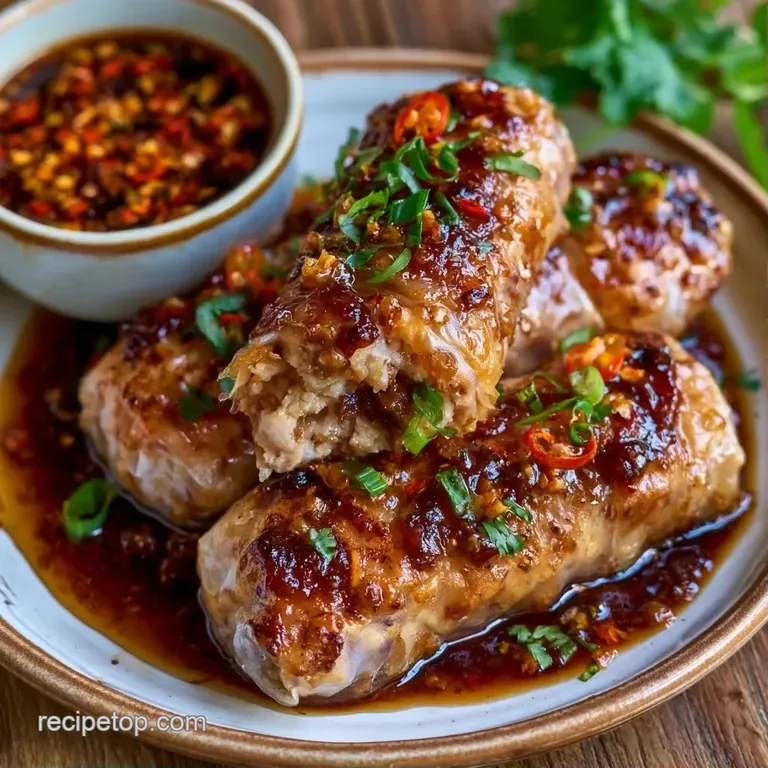
The most common struggle I see is the rice paper tearing. This usually happens because the paper was either too dry or way too wet. If it is too dry, it doesn't stretch; if it is too wet, it loses its strength. The "sweet spot" is when the paper is just starting to feel tacky but isn't drooping.
Another issue is the sauce breaking. Peanut butter is an emulsion of fat and solids. When you add cold water, the fat can clump. Using warm water helps the fats integrate, creating a smooth dip.
Why Your Rolls Tear
This is almost always a hydration or volume issue. If you overfill the rolls, the paper stretches to its limit and snaps. If you soak the paper for 10 seconds instead of 3, it becomes too soft to hold the weight of the vegetables.
Avoiding the Soggy Wrap
Sogginess comes from moisture. If your cucumber isn't patted dry or your chicken is still steaming, that water migrates into the rice paper. This breaks down the starch and makes the roll feel slimy.
Fixing Split Sauce
If your peanut sauce looks grainy, it probably just needs more agitation. Use a whisk or a frother and add a tiny bit more warm water. This helps the hoisin and peanut butter bind together.
| Problem | Root Cause | Solution |
|---|---|---|
| Paper Tears | Overfilling or over soaking | Use fewer greens; dip for 2 seconds |
| Rubbery Texture | Water too hot | Use lukewarm water |
| Sauce is too thick | Not enough warm water | Add water 1 tbsp at a time |
Creative Twists and Swaps
If you want to lean into a more aggressive flavor, you might like my Bang Bang Chicken Bowl for a similar protein vibe but a creamier, spicier profile. For these rolls, you can swap the chicken for shrimp or tofu without changing the process.
For a low carb version, you can skip the rice vermicelli and double up on the mixed greens or add some thinly sliced cabbage. This keeps the crunch while lowering the glycemic load. If you want a plant based version, use extra firm tofu pressed and seared with the same honey soy glaze.
Decision Shortcut:
- If you want extra crunch, air fry for 5 mins.
- If you want a lighter sauce, add more lime juice.
- If you want a tighter roll, use fewer mixed greens.
Scaling the Recipe: When making a double batch, don't just double the spices. I recommend scaling salt and soy sauce to about 1.5x and tasting as you go. Work in batches of 4-5 rolls so the rice paper doesn't dry out on the board while you are still filling the others.
If you are making a half batch, use a smaller skillet to ensure the chicken sears rather than steams in its own juices.
Truths About Rice Paper
There is a common belief that you need to soak rice paper for several minutes to make it pliable. This is simply not true. A quick 2-3 second dip is all it takes. The paper continues to hydrate on the board, which is where the actual softening happens.
Some people think you have to fry these rolls to make them a "real" spring roll. While fried versions are great, the fresh style is the traditional way to enjoy these flavors. The air fryer is a great middle ground, but the fresh crunch of the raw vegetables is where the nutrition really shines.
Storage & Reheating
These Chicken Rice Paper Rolls are best eaten fresh, but you can store them in the fridge for up to 2 days. To prevent them from sticking together or drying out, wrap each roll individually in a damp paper towel and place them in an airtight container.
Do not freeze these. The high water content in the cucumber and carrots will cause the rolls to burst and become mushy upon thawing. If you need to meal prep, store the seared chicken, sliced vegetables, and sauce separately. Then, just dip and roll when you are ready to eat.
For zero waste, don't toss the carrot tops or the stems of the cilantro. You can blend the carrot greens with garlic, olive oil, and lemon to make a quick pesto that works great on toast or pasta.
Ideal Complements
These rolls are light, so they work well as part of a larger spread. They go great on a platter alongside some Marry Me Salmon for a balanced party spread that covers both lean protein and rich flavors.
If you want a side dish, a chilled smashed cucumber salad with sesame oil and rice vinegar is a natural fit. The acidity of the salad cuts through the richness of the peanut sauce. For a drink, a cold lemongrass tea or a lime infused sparkling water keeps the meal feeling refreshing.
The beauty of Chicken Rice Paper Rolls is that they are as healthy as they are satisfying. Once you get the dip and roll rhythm down, they become a staple for anyone who wants a high protein meal that doesn't feel like a chore to eat.
Just remember to let that chicken cool, and you will never deal with a soggy roll again.
High in Sodium
840 mg 840 mg of sodium per serving (37% 37% of daily value)
The American Heart Association recommends a daily sodium limit of 2,300 mg, with an ideal limit of 1,500 mg for most adults to reduce the risk of cardiovascular disease.
Tips to Reduce Sodium
-
Swap the Soy Sauce-30%
Replace regular soy sauce with low-sodium soy sauce or coconut aminos to drastically cut the salt content in the chicken marinade.
-
Limit Hoisin Sauce-20%
Reduce the amount of hoisin sauce in the peanut dip or substitute with a homemade version using low-sodium soy sauce and plum jam.
-
Substitute Sriracha-10%
Swap sriracha for freshly minced red chili peppers or red pepper flakes to maintain the heat without the added sodium.
-
Enhance Fresh Herbs
Double the amount of fresh mint, cilantro, and ginger to provide bold, natural flavor that compensates for less salt.
Recipe FAQs
What to put in rice paper rolls with chicken?
Combine seared chicken with fresh vegetables and noodles. Use shredded carrots, julienned cucumber, mixed greens, rice vermicelli, and fresh mint and cilantro leaves for a balanced filling.
Are rice paper rolls actually healthy?
Yes, they are a nutrient dense choice. They utilize lean chicken breast and a high volume of raw, colorful vegetables.
What are common mistakes when making rice paper rolls?
Over soaking the rice paper. Dipping the sheet for more than 2-3 seconds makes the wrapper too soft and prone to tearing during the rolling process.
How to fry Vietnamese rice paper spring rolls?
Lightly brush the exterior of the rolls with oil and air fry. This method creates a golden, crispy shell without the need for deep frying.
What are Vietnamese rice paper spring roll wrappers?
Translucent sheets made from rice flour and water. These dried sheets must be rehydrated in lukewarm water to become pliable enough for rolling.
What makes spring rolls crispy?
The combination of oil and high heat. Brushing the rice paper with oil before air frying removes surface moisture to create a crunch.
What are some great side dishes for spring rolls?
Pair them with a light, acidic salad. If you love the fresh, bright balance of this recipe, see how we use a similar acid technique in our homemade Italian dressing salad.
Chicken Rice Paper Rolls