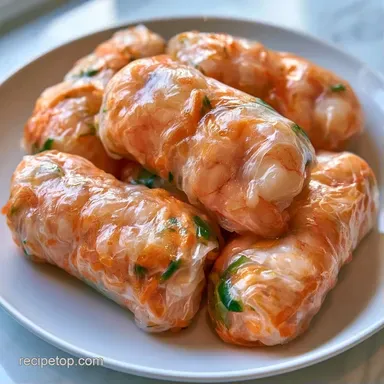
Rice Paper Rolls with Fresh Shrimp
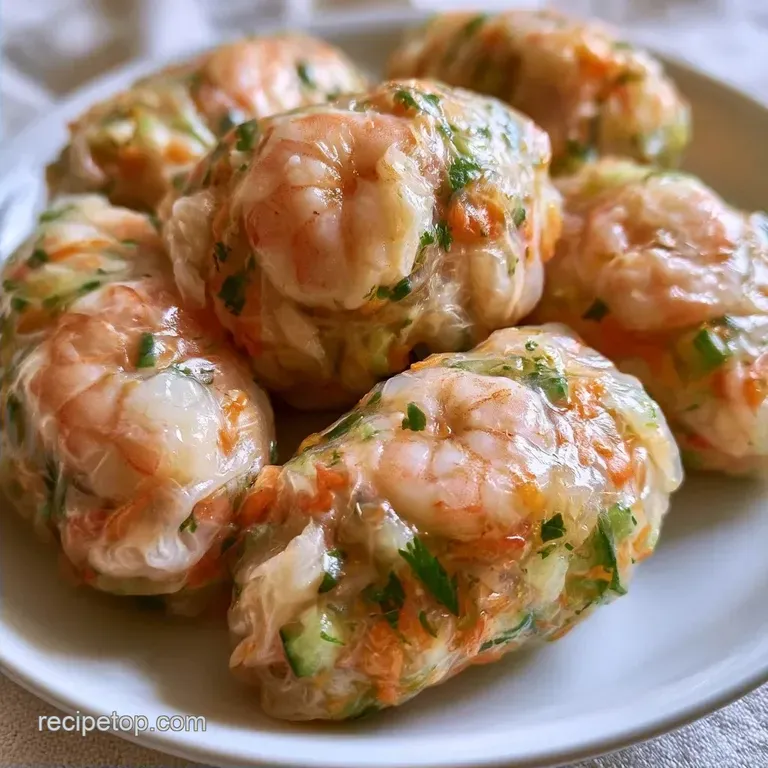
- Time: 20 min active + 5 min cook
- Flavor/Texture Hook: Crisp, fresh vegetables with a smooth peanut dip
- Perfect for: Healthy meal prep or a vibrant weekend lunch
The smell of fresh mint and cilantro always reminds me of those sunny Saturday lunches where the goal is to eat something that doesn't make you feel sluggish in the heat. I remember the first time I tried making these for a group of friends.
I was so worried about the wrappers tearing that I over soaked them, and I ended up with a sticky, gummy mess that looked more like a pancake than a roll.
Once I realized that less is more with the water, everything clicked. It's all about the timing and the order in which you layer the ingredients. When you get it right, you have a roll that's tight, translucent, and packed with a crunch that hits just right.
These Rice Paper Rolls are a great way to sneak in a massive amount of raw vegetables while keeping the protein lean. We're focusing on a balanced approach here, using shrimp for a lean protein hit and a peanut sauce that provides the necessary fats to keep you full.
Rice Paper Rolls
Why these rolls work
- Starch Hydration
- Warm water turns the brittle rice paper into a flexible film that bonds to itself when rolled.
- Temperature Contrast
- Cooling the shrimp and noodles before wrapping prevents the steam from softening the paper from the inside.
- Layering Order
- Placing the heavy greens at the bottom and shrimp on top creates a structural base that prevents the roll from sagging.
| Feature | Fast Method | Classic Method |
|---|---|---|
| Prep Work | Pre cooked shrimp / bagged slaw | Poached shrimp / hand cut julienne |
| Time | 15 minutes | 25 minutes |
| Texture | Softer, less precise | Crisp, tight, and clean |
| Best For | Quick weeknight snack | Hosting guests |
What each ingredient does
| Ingredient | What It Does | Best Swap |
|---|---|---|
| Rice Paper | Provides the structural wrap | Wheat wraps (changes texture to chewy) |
| Shrimp | Lean protein and visual appeal | Firm tofu (best for vegetarians) |
| Peanut Butter | Adds richness and healthy fats | Almond butter (nutty, slightly thinner) |
| Vermicelli | Adds bulk and absorbs sauce | Thin rice sticks (similar result) |
Gathering your essentials
For the wrappers and base, you'll need 8 sheets of circular rice paper, which usually weigh around 160g. You'll also need 2 oz of dried vermicelli rice noodles and 2 cups of warm water for the dipping process.
For the fresh fillings, grab 1/2 lb of shrimp (peeled and deveined), 1 cup of shredded carrots, 1 cup of thinly sliced cucumber, 1 cup of shredded red cabbage, 1/2 cup of fresh mint leaves, and 1/2 cup of fresh cilantro.
Why this? Red cabbage adds a vibrant color and a sturdier crunch than iceberg lettuce.
To make the simple Rice Paper Rolls dipping sauce, you'll need 3 tbsp creamy peanut butter, 1 tbsp hoisin sauce, 1 tbsp soy sauce, 1 tsp sriracha, 1 tbsp fresh lime juice, and 2 tbsp warm water. Why this? Lime juice cuts through the fat of the peanut butter to brighten the flavor.
Required kitchen tools
You don't need much for this, but a wide, shallow dish or a large baking sheet is essential for dipping the rice paper. If your dish is too small, the paper will fold over on itself and likely rip.
A sharp chef's knife or a mandoline is helpful for getting those carrots and cucumbers into thin matchsticks. The thinner the strips, the easier the roll is to seal.
Finally, have a clean, damp kitchen towel nearby. Placing the Rice Paper Rolls on a slightly damp surface prevents them from sticking to the plate or each other while you work.
The assembly process
- Place vermicelli in a bowl of boiling water for 3-5 minutes until softened. Drain and rinse with cold water to stop the cooking process.
- Quickly poach shrimp for 2-3 minutes until they turn pink and opaque. Let them cool slightly to avoid tearing the rice paper.
- Julienne carrots, cucumbers, and cabbage into thin, matchstick strips. Keep the herbs whole.
- Whisk together peanut butter, hoisin sauce, soy sauce, sriracha, lime juice, and warm water until smooth.
- Dip one sheet of rice paper into warm water for 5-10 seconds until it feels slightly coarse, then lay it flat on a surface. Note: Don't let it get fully soft in the water or it will be too fragile.
- In the lower third of the paper, layer a small handful of noodles, cabbage, carrots, and cucumber. Place 2 shrimp pink side down on top, then finish with mint and cilantro leaves.
- Fold the bottom edge of the rice paper over the filling and press down firmly.
- Fold the left and right sides inward toward the center.
- Roll upward tightly until the top edge is reached and the paper adheres to itself.
Common pitfalls
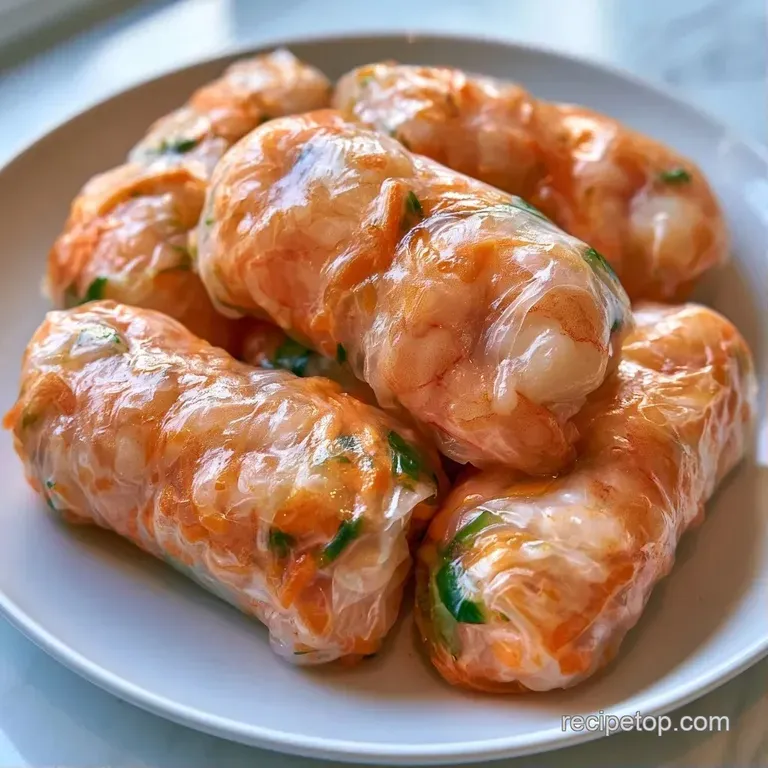
Why your rice paper rips
Over soaking is the most common culprit. If the paper is too wet, it loses its structural integrity and tears the moment you add the weight of the vegetables. The goal is to leave the center slightly firm; it will soften as you add the moist fillings.
How to stop sticking
Rice paper is naturally adhesive. If you pile the rolls on top of each other, they will fuse into one giant mass. Use a platter lined with parchment paper or a lightly oiled plate to keep them separate.
When rolls are too loose
This usually happens when you don't tug the filling tight enough during the final roll. If the filling isn't compressed, the paper can't grip itself, and the roll will unfurl.
| Problem | Root Cause | Solution |
|---|---|---|
| Tearing | Too much soak time | Dip for 5-10 seconds max |
| Sticking | Direct contact | Use parchment or oil |
| Sagging | Loose rolling | Press firmly during fold |
Flavor variations
You can easily adapt this to be Simple Rice Paper Rolls Vegetarian by swapping the shrimp for marinated tofu or avocado slices. Avocado adds a creamy texture that mimics the richness of the shrimp.
For those who want a Simple Rice Paper Rolls Chicken version, use poached chicken breast shredded into thin strips. This increases the protein content and makes the meal more filling for dinner.
If you're craving something more indulgent, my Bang Bang Chicken Bowl is a great contrast to the lightness of these wraps. Both use similar flavor profiles but offer completely different textures.
Making them crispy
While these are traditionally fresh, you can pan fry them. Heat 2 tbsp of neutral oil in a skillet over medium heat and fry for 2-3 minutes per side until the skin bubbles and turns golden.
Lighter sauce options
If peanut butter is too heavy, try a nuoc cham sauce. Mix fish sauce, lime juice, sugar, and minced garlic for a salty, tangy dip that's much lighter on the calories.
Adjusting the batch size
When scaling down to a half batch, you can simply halve the vegetables and shrimp. For the sauce, since it's a small volume, it's easier to whisk everything in a small jam jar and shake it vigorously.
Scaling up for a party (2x-4x) requires a strategy. Prep all your fillings in separate bowls first this "mise en place" is the only way to avoid the paper drying out while you're still chopping carrots.
For large batches, work in sets of four rolls. If you lay out ten sheets of rice paper at once, the first few will become too soft and sticky before you can finish rolling them.
Debunking common myths
Some people think you need to soak the rice paper for a full minute to make it pliable. This is false. A quick 5-10 second dip is all you need; the residual moisture and the wet fillings do the rest of the work.
Another misconception is that these are only for vegetarians. While they are a staple for plant based diets, adding poached shrimp or lean pork provides a balanced amino acid profile that makes them a complete meal.
Storage and waste
Keep your assembled Rice Paper Rolls in an airtight container lined with a damp paper towel. They stay fresh in the fridge for 2 days, but the vegetables may lose some of their snap.
Do not freeze these. The water content in the raw vegetables will expand and freeze, which destroys the cellular structure of the cabbage and cucumber, leaving you with a mushy mess once thawed.
To avoid waste, use the leftover shrimp tails to make a quick seafood stock. You can also toss any remaining shredded cabbage and carrots into a stir fry or a slaw for the next day's lunch.
Perfect pairings
These rolls are light, so they work well as a starter. For a party platter, these pair well with Mini Blooming Onion bites to provide a hot, crunchy contrast to the cold rolls.
For a drink pairing, a chilled lemongrass tea or a crisp sparkling water with a squeeze of lime complements the mint and cilantro perfectly. If you want a more filling meal, serve these alongside a bowl of steamed jasmine rice or a light ginger broth.
Recipe FAQs
What is the trick to rice paper rolls?
Don't over soak the wrappers. Dip them for only 5-10 seconds until slightly coarse, as too much water makes them overly sticky and prone to tearing.
Are rice paper rolls actually healthy?
Yes. They consist primarily of fresh vegetables, lean shrimp, and rice noodles, making them a light and nutrient dense meal.
Is it true I can put any filling in rice paper rolls?
No, this is a common misconception. To maintain structural integrity and flavor balance, stick to thin cut carrots, cucumber, cabbage, vermicelli, shrimp, and fresh herbs.
What are common mistakes when making rice paper rolls?
Overfilling the wrappers. Adding too many noodles or vegetables makes the roll bulky and causes the rice paper to split during the folding process.
How to prevent the rice paper from tearing?
Let the poached shrimp cool slightly. Adding hot shrimp directly to the wrapper can melt the rice paper and create holes.
What are Vietnamese rice paper spring roll wrappers?
Dried circular sheets made from rice flour and water. They are translucent when hydrated and serve as a gluten-free skin for the fillings.
What are some great side dishes for spring rolls?
Pair them with a savory protein. If you enjoyed the fresh balance here, see how the same flavor profile works in our Honey Garlic Chicken for a complete meal.
Fresh Rice Paper Rolls