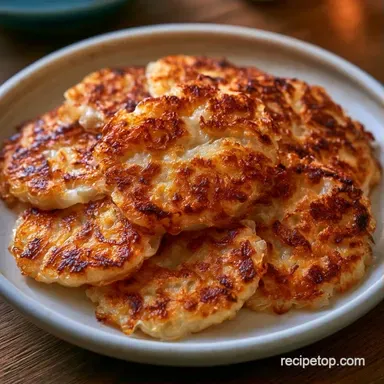
Crispy Pan Fried Rice Paper Dumplings
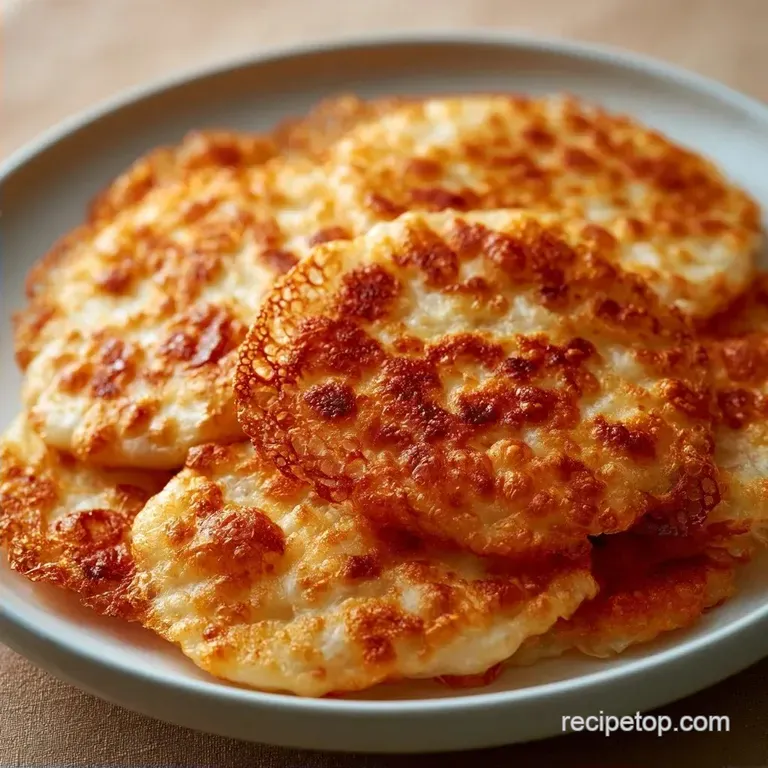
- Time: 20 min active + 10 min cook
- Flavor/Texture Hook: Shattering mahogany crust with juicy pork filling
- Perfect for: Quick weeknight appetizer or high protein starter
Rice Paper Dumplings
Listen for the sound of the spatula. When you tap the side of a finished dumpling and it sounds hollow, that's when you know the shell has hardened into a thin, crisp layer. The smell of toasted sesame oil and fresh ginger hitting a hot skillet fills the kitchen almost immediately, making it impossible to wait until they're all plated.
I used to spend hours rolling out traditional dumpling dough, only to have the skins tear or end up too thick and doughy. Switching to rice paper changed everything for me. It removes the need for kneading and resting, turning a labor intensive process into something you can whip up in half an hour.
These Rice Paper Dumplings aren't just a shortcut, though. They provide a specific type of crunch that you usually only find in professional spring rolls. You get a balanced, protein heavy filling wrapped in a shell that stays crispy long after they leave the pan.
Why the Wrapper Crisps
Starch Gelatinization: Dipping the paper in warm water hydrates the rice starch, which then hardens and fries rapidly.
The Double Wrap: Using two sheets creates a structural wall that keeps pork juices inside, preventing the exterior from getting soggy.
| Method | Time | Texture | Best For |
|---|---|---|---|
| Traditional Dough | 2 hours | Chewy and tender | Dim Sum style |
| Rice Paper | 30 minutes | Shattering crisp | Quick appetizers |
What Each Ingredient Does
| Ingredient | What It Does | Best Swap |
|---|---|---|
| Ground Pork | Provides fat and savory protein | Ground Turkey (leaner) |
| Shredded Cabbage | Adds bulk and nutritional fiber | Napa Cabbage |
| Rice Paper | Acts as the crispy structural shell | gluten-free spring roll wraps |
| Toasted Sesame Oil | Adds a deep, nutty aroma | Toasted walnut oil |
What You'll Need
For the filling, you'll need 1 lb ground pork. Pair this with 2 cups of finely shredded cabbage and 3 finely minced scallions. To season the meat, use 1 tbsp soy sauce, 1 tsp toasted sesame oil, 1 tsp grated fresh ginger, 2 cloves of minced garlic, and 1/2 tsp white pepper.
For the assembly and frying, grab 20-24 sheets of circular rice paper wrappers and 2 cups of warm water for dipping. You will also need 3 tbsp of neutral oil (like canola or vegetable) for the skillet.
Chef's Note: If your cabbage is too wet after shredding, squeeze it in a paper towel. Excess moisture in the filling is the fastest way to tear a rice paper wrapper.
Equipment Needed
A large mixing bowl is necessary for the filling. You'll also need a wide, shallow dish or bowl to hold the warm water for dipping the papers. For the cooking process, a heavy bottomed non stick skillet or a cast iron pan works best to ensure even heat distribution.
Tongs are helpful for rotating the dumplings without piercing the delicate skins.
Step-by-step Instructions
Phase 1: Mixing the Filling
- Combine the ground pork, shredded cabbage, scallions, soy sauce, sesame oil, ginger, garlic, and white pepper in a large bowl.
- Mix vigorously by hand or a fork until the mixture becomes tacky. Note: The tackiness means the proteins have bonded, which keeps the filling from crumbling.
Phase 2: The Wrapping Technique
- Dip one sheet of rice paper into warm water for 2-3 seconds until it feels slightly firm.
- Lay it on a clean surface and place 1 tbsp of filling in the center.
- Fold the bottom over the filling, tuck in the sides, and roll tightly into a cylinder.
- Dip a second sheet of rice paper into the water and wrap it over the first dumpling. Note: This second layer is what prevents leaks and ensures a crunchier finish.
Phase 3: Searing to Perfection
- Heat neutral oil in a skillet over medium high heat until the oil shimmers.
- Place your Rice Paper Dumplings in the pan, leaving one inch of space between each to avoid sticking.
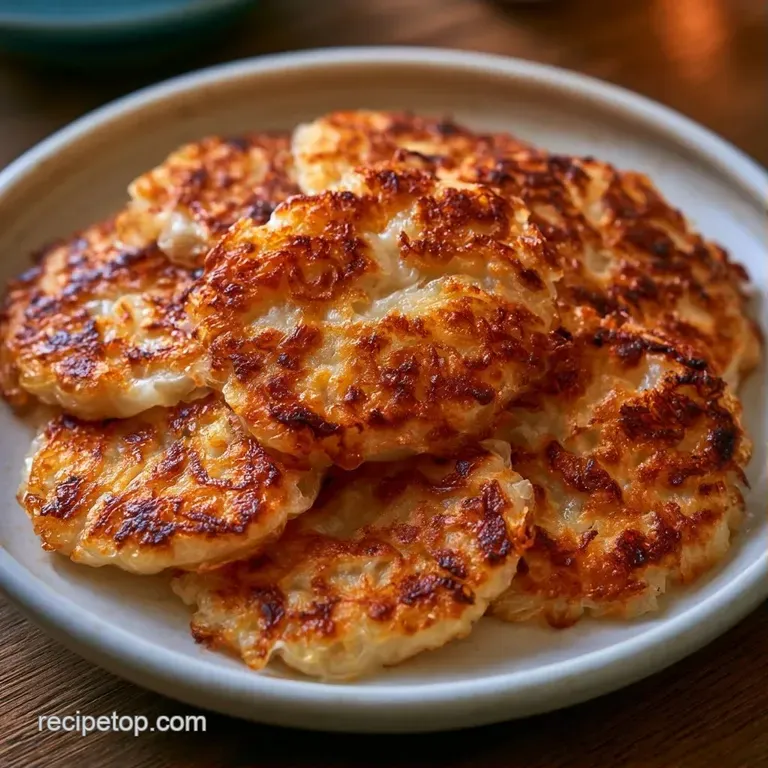
- Fry for 3-4 minutes per side, rotating with tongs until the exterior is mahogany colored.
- Remove once they sound hollow when tapped with a spatula.
Fixing Common Issues
When I first started making these, I had a few disasters where the wrappers would just melt or stick together in one giant clump. Most of these problems come down to water temperature or pan heat.
Troubleshooting Common Issues
| Issue | Solution |
|---|---|
| Why Wrappers Tear | If you soak the rice paper for too long, it becomes overly soft and loses its structural integrity. Only dip for a few seconds. |
| Why Dumplings Stick | Overcrowding the pan causes the rice paper to steam rather than fry. When they touch, they fuse together. Give them plenty of room to breathe in the oil. |
| Why Filling Leaks | A single layer of rice paper is often too thin for juicy pork. If you see oil bubbling through the skin, it means a hole formed. Always use the double wrap method for Fried Rice Paper Dumplings. |
Adjusting the Batch Size
If you're cooking for one, you can easily halve this recipe. Use 1/2 lb of pork and 1 cup of cabbage. Your cook time will stay roughly the same, but you'll likely use a smaller skillet, which helps maintain the oil temperature.
For larger crowds, I recommend working in batches. If you put 40 dumplings in one pan, the temperature drops, and you'll end up with greasy, limp skins instead of Crispy Rice Paper Dumplings. When doubling the recipe, only increase the salt and soy sauce by 1.5x to keep the flavor balanced.
If you want a different texture, you can try these in an air fryer. My Paper Rolls with Prawns recipe use a similar wrapping logic and can be adapted for this pork filling by spraying the rolls generously with oil.
Common Kitchen Myths
Some people think you need a deep fryer to get that restaurant style crunch. That's not true. A simple skillet with a thin layer of oil is more than enough to crisp the rice starch without soaking the food in grease.
Another common misconception is that you should soak the rice paper until it's completely limp. Actually, leaving it slightly firm makes the rolling process much easier and prevents the wrapper from ripping under the weight of the pork.
Storage and Waste
You can keep uncooked Rice Paper Dumplings in the fridge for up to 3 days. Place them on a tray lined with parchment paper and freeze them individually before transferring them to a bag. This prevents them from sticking together. They stay good in the freezer for about 2 months.
To avoid waste, don't toss the cabbage cores or the ends of the scallions. I usually throw them into a freezer bag for making vegetable stock. If you have leftover filling, it works great as a base for a quick stir fry or as a topping for a healthy grain bowl.
Serving Suggestions
These pair best with a sharp, acidic dipping sauce to cut through the richness of the pork. Mix soy sauce, rice vinegar, a drop of sesame oil, and some chili flakes. The acidity balances the fried exterior and makes the flavors pop.
For a balanced plate, serve your pan fried Rice Paper Dumplings alongside steamed bok choy or a smashed cucumber salad. If you're looking for other ways to use your rice paper, these Egg Rolls with Shrimp recipe are a great lighter alternative for a party platter.
Whether you're making Vegetarian Rice Paper Dumplings by swapping the pork for tofu or sticking with the classic pork version, the key is the heat. Keep that pan shimmering, and you'll have a snack that's balanced, high in protein, and satisfyingly crunchy.
Recipe FAQs
How to fry Vietnamese rice paper spring rolls?
Heat neutral oil in a skillet over medium high heat until shimmering. Fry for 3-4 minutes per side, rotating with tongs until the exterior is mahogany colored and sounds hollow when tapped with a spatula.
What are Vietnamese rice paper spring roll wrappers?
Dried sheets made from rice flour and water. They are translucent when dry and become pliable and sticky after a brief dip in warm water.
What makes spring rolls crispy?
High heat frying and moisture control. Using a double wrap method creates a sturdier barrier that crisps up more effectively without leaking filling into the oil.
Is it true that one layer of rice paper is sufficient for frying?
No, this is a common misconception. A single layer is often too thin for juicy pork, making the double wrap method essential to prevent holes and oil bubbling.
Why do the rice paper wrappers tear during rolling?
Over soaking the paper. Dip the sheets in warm water for only 2-3 seconds so they stay slightly firm; soaking them too long destroys their structural integrity.
Why do the dumplings stick together in the pan?
Overcrowding the skillet. Leave at least one inch of space between each dumpling to ensure they fry in the oil rather than steaming and fusing together.
What are some great side dishes for spring rolls?
Fresh vegetable salads or savory bowls. If you enjoyed the crunch and bold flavors here, see how the same textural balance works in our Bang Bang Chicken Bowl.
Crispy Rice Paper Dumplings