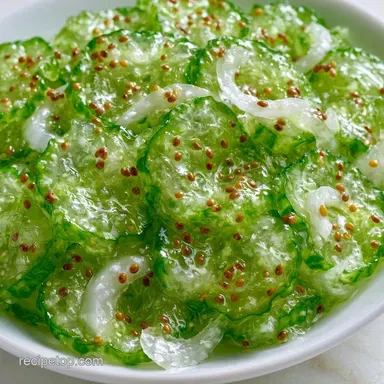
Refrigerator Mustard Seed Pickles: Snappy and Sharp
- Time: 20 min active + 26 hours 5 mins chilling
- Flavor/Texture Hook: Pungent, sharp tang with a crisp snap
- Perfect for: Summer BBQ sides, healthy meal prep, or sandwich toppings
The smell of simmering vinegar and toasted mustard seeds always takes me back to my grandmother's kitchen during the August harvest. She used to make these in huge batches for the family reunion, and they were always the first thing gone from the buffet table.
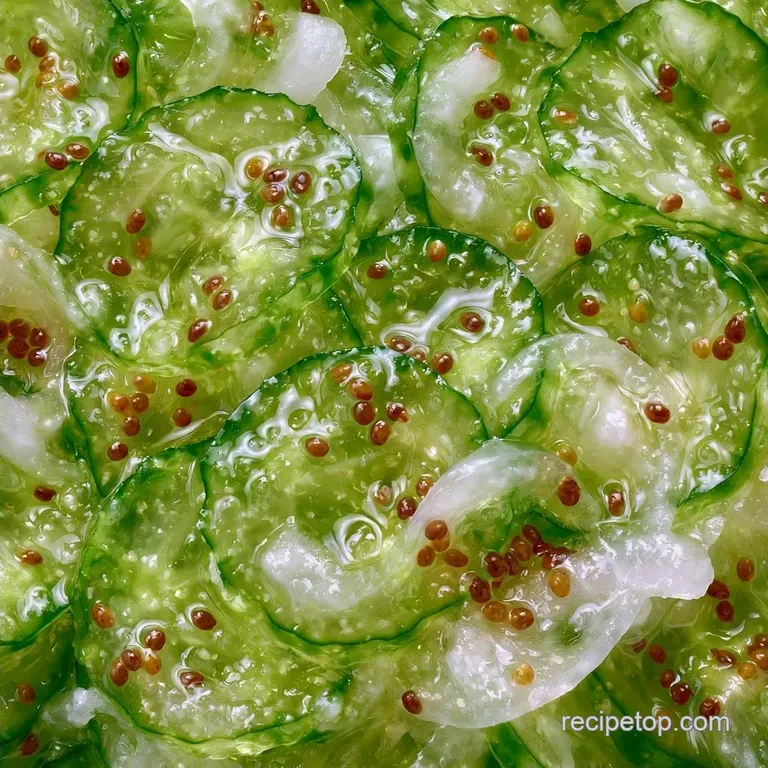
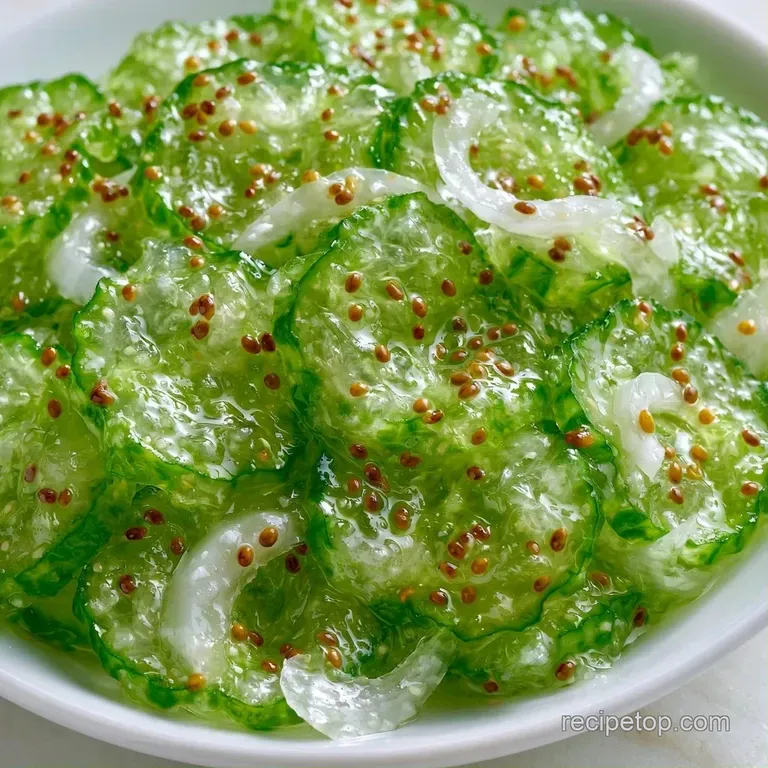
There's something about that specific golden glow and the way the seeds cling to the cucumber slices that just feels like summer in a jar.
I used to think you needed a huge canning setup to get this kind of flavor, but honestly, the refrigerator method is way more practical for most of us. You get the same punchy taste without the stress of boiling water baths.
These Mustard Seed Pickles are all about balance. We're avoiding the sugar bomb approach of store-bought brands and leaning into the natural heat of the seeds and the earthy brightness of turmeric. You'll end up with a snack that's high in flavor but keeps the nutritional profile clean.
Quick Guide to Mustard Seed Pickles
Right then, let's look at the numbers. This recipe focuses on precision ratios to ensure the brine penetrates the cucumber without making it mushy. We aren't guessing here, as the salt to water ratio is what keeps the cell walls of the vegetable intact.
| Goal | What to change |
|---|---|
| Extra Tangy | Increase vinegar by 2 tbsp |
| Milder Heat | Reduce mustard seeds to 1 tbsp |
| Sweeter Finish | Add 1 extra tbsp honey |
For those who prefer a faster version, you can try mustard seed dill pickles which cut down the wait time, though the depth of flavor differs slightly.
What Makes This So Good
The "magic" here isn't a secret, it's just basic food science applied to a jar.
- The Salt Sweat: Salting the cucumbers first draws out excess water, which prevents the brine from getting diluted and keeps the slices crisp.
- Mustard Seed Heat: These seeds contain compounds that create a sharp, nasal heat, cutting through the acidity of the white vinegar.
- Turmeric Tint: Aside from the earthy flavor, turmeric provides that iconic neon gold color without using artificial dyes.
Gathering Your Essentials
I suggest using Kirby cucumbers since their skins are thicker and seed cavities are smaller. Persian cucumbers are also a great choice, but steer clear of English cucumbers, as they tend to be too watery for these Mustard Seed Pickles.
| Ingredient | What It Does | Best Swap |
|---|---|---|
| Kirby Cucumbers | Ensures a crisp base | Persian Cucumbers |
| White Vinegar | Main acid for preservation | Apple Cider Vinegar (milder) |
| Yellow Mustard Seeds | Provides pungent, spicy pops | Brown Mustard Seeds (stronger) |
| Turmeric | Earthy taste and golden color | Saffron (expensive, floral) |
The Full List:
- 2 lbs Persian or Kirby cucumbers, cut into ¼ inch rounds
- 1 medium white onion, thinly sliced
- 2 tbsp kosher salt (for sweating)Why this? Coarse grains draw moisture more evenly.
- 1.5 cups distilled white vinegar
- 1 cup filtered water
- 2 tbsp honeyWhy this? Balanced sweetness without refined sugar.
- 2 tbsp whole yellow mustard seeds
- 1 tsp celery seeds
- 0.5 tsp ground turmeric
- 1 tsp kosher salt
- 1 tsp black peppercorns
- 4 cloves garlic, smashed
Equipment Needed
You don't need a professional lab for this, just a few basics. I use a large stainless steel bowl for the sweating process because plastic can sometimes hold onto scents from previous meals.
- Large mixing bowl
- Colander
- Medium saucepan
- Glass jars with lids (Mason jars are best)
- Sharp chef's knife or a mandoline for consistent slices
The Cooking Process
Ensuring a Crispy Texture
- In a large bowl, toss the sliced cucumbers and onions with 2 tbsp kosher salt. Let them sit for 1 hour until the vegetables soften and liquid accumulates at the bottom. This process is key to the final texture.
- Thoroughly rinse the vegetables under cold water to wash away excess salt and drain them in a colander.
Preparing the Infused Brine
- Combine the distilled white vinegar, water, honey, mustard seeds, celery seeds, turmeric, salt, and peppercorns in a medium saucepan.
- Using medium high heat, bring the brine to a light simmer. Stir until the salt and honey dissolve, then take it off the heat once the scent is pungent and aromatic.
Jarring the Pickles
- Distribute the smashed garlic cloves evenly among the jars.
- Pack the rinsed cucumbers and onions tightly into each jar, leaving about ½ inch of headspace.
- Pour the hot brine over the vegetables until they are completely covered.
- Keep the jars on the counter for 1 hour to reach room temperature, then seal and refrigerate for at least 24 hours before eating.
What Can Go Wrong
Even with a precision approach, things happen in the kitchen. Here is how to handle them.
Fixing Mushy Pickles
If your Mustard Seed Pickles lack a snap, you likely skipped the sweating process or used English cucumbers. The high water content in English varieties makes them soft. Always use Kirby and let them sit in salt for the full hour.
Reducing Overly Sour Taste
If the brine feels too aggressive, it's usually a vinegar to water ratio issue. You can fix this by adding a pinch more honey or a splash of filtered water to the jar, though it's best to stick to the measured ratios.
Handling Cloudy Brine
Cloudiness often comes from the turmeric or the garlic. It's purely aesthetic and doesn't affect the safety or taste. If it bothers you, ensure you're using distilled white vinegar rather than a cloudy cider vinegar.
Make It Your Own
I love these as they are, but depending on what's in your pantry, you can tweak the profile. If you're feeling bold, try adding a sliced jalapeño to the jar for a "Sweet Heat" version.
For a more savory, garlic heavy punch, double the garlic to 8 cloves and slice them thinly instead of smashing them. This distributes the flavor more evenly through the brine. If you're watching your sugar, you can swap the honey for a monk fruit sweetener, though the viscosity of the brine will change slightly.
If you find you love this style, you might also enjoy these spiced mustard seed pickles which use a slightly different spice blend for meal prep.
Keeping It Fresh
Since these aren't canned, keep them refrigerated. They'll remain crisp and flavorful for roughly 3 to 4 weeks. To prevent premature spoilage, always use a clean fork when serving to avoid introducing bacteria.
Save that remaining liquid! It's essentially a ready-made vinaigrette. I like to use it for kale salads or as a marinade for grilled chicken. It also works wonders for quick pickling sliced red onions or carrots for taco night.
What to Serve This With
These Mustard Seed Pickles are the perfect acidic counterpoint to rich foods. I usually pile them high on a turkey sandwich with provolone and spicy mayo. The snap of the cucumber cuts right through the fat of the cheese.
They also work brilliantly on a charcuterie board alongside sharp cheddar, smoked gouda, and some salty salami. For a healthier snack, pair them with hummus and carrot sticks. If you're looking for something similar but a different twist, my garlic dill pickles are another great option for a snack platter.
What Makes This So Good
We've handled the science; now let's dive into the taste. The real magic of this recipe is the textural contrast. Unlike typical pickles that offer a single salty sour profile, these feature whole mustard seeds that create tiny explosions of flavor in every bite.
It's all about balance. You get the sharp acidity of vinegar, the mild sweetness of honey, the earthy notes of turmeric, and a pungent kick from the seeds. Combined with the firm crunch of a well sweated Kirby cucumber, it's a sophisticated snack that requires minimal effort.
Debunking Common Pickling Myths
Some claim you need to boil or sear the cucumbers to "lock in" the moisture. That isn't the case here. The signature snap is a result of osmotic pressure during the salting stage, not the temperature of the brine.
You might also hear that specialized pickling salt is required to prevent a cloudy liquid. In reality, kosher salt is an excellent choice for refrigerator pickles. Any slight cloudiness you see is typically just the turmeric settling, which is perfectly normal.
Recipe FAQs
How much mustard seed to add to refrigerator pickles?
Add 2 tablespoons of whole yellow mustard seeds to the brine.
Tip: using whole seeds rather than ground keeps the liquid clear.
What's the secret to keeping these pickles crisp?
Toss the cucumber and onion slices with kosher salt for one hour before rinsing.
Tip: this sweating process removes excess water to prevent a mushy texture.
What is the 321 rule for pickles?
The 321 rule refers to a ratio of 3 parts vinegar, 2 parts water, and 1 part sugar.
Tip: if you prefer a different brine balance, see the technique used in our quick homemade pickle guide.
Do pickles significantly boost potassium levels?
This one's false: the high sodium content in most pickles can actually disrupt potassium balance in the body.
Tip: stick to fresh cucumbers if you are prioritizing potassium intake.
How to make pickle relish from these?
Pulse the chilled pickles and onions in a food processor until they reach a coarse chop.
Tip: stir in a small amount of extra honey if the relish tastes too sharp.
Is it true that refrigerator pickles require a boiling water bath?
Not true. These are kept chilled and do not require heat processing for preservation.
Tip: let the jars cool on the counter for one hour before sealing them.
Mustard Seed Pickles