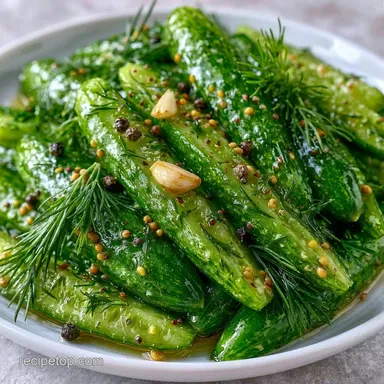
Extra Crunchy Mustard Seed Dill Pickles
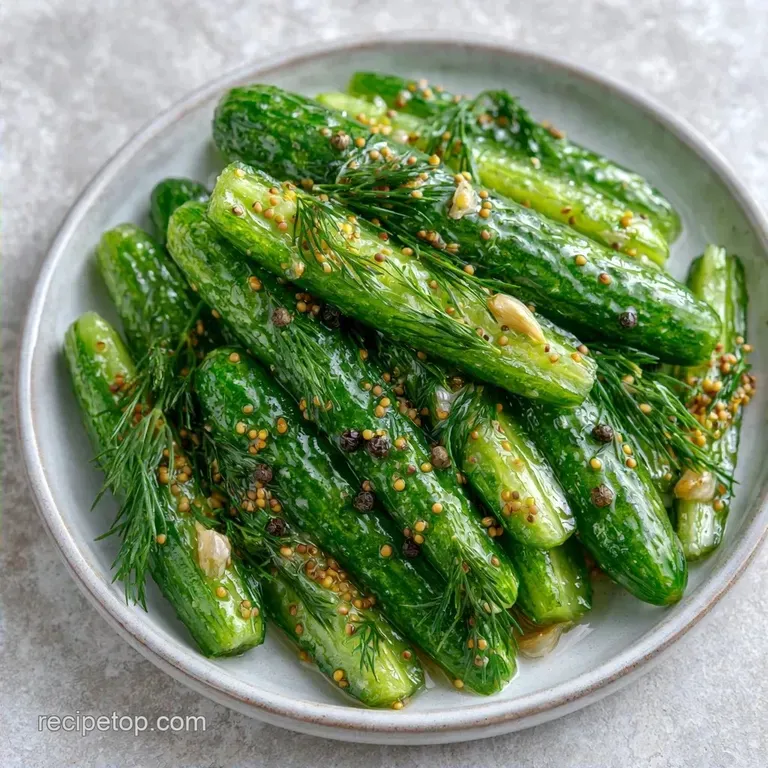
- Time: 15 min active + 24 hours chilling
- Flavor/Texture Hook: Pungent, sharp, and a shattering crunch
- Perfect for: Burger toppings, meal prep, or a low-calorie salty snack
The resounding snap of a cold pickle is the definitive sign of success. Many store-bought versions are limp and rubbery, feeling more like a soaked sponge than a fresh vegetable. It's a total letdown when you're hunting for that precise, crisp texture.
I used to attempt to fix this by adding extra vinegar, but that only made them taste like battery acid. Usually, the problem is the brine temperature or the type of salt used. If you pour boiling brine over the cucumbers too quickly, you're essentially blanching the vegetable, which ruins the crunch.
These Mustard Seed Dill Pickles solve this by using a specific cooling window and a high salt brine to extract moisture without compromising the structure. You end up with a clean, pungent taste that mirrors a classic old-school deli.
Mustard Seed Dill Pickles Specs
Precision matters here. If the salt ratio is off, the cucumbers will either stay too soft or become overly shriveled.
- 1. Brine Temp
- Bring to a rolling boil, but let it sit for 60 seconds before pouring.
- 2. Salt Weight
- Use exactly 3 tbsp of kosher salt; table salt is too dense and will over salt the batch.
- 3. Cure Time
- Do not open the jars before the 24 hour mark.
Fresh vs Shortcut Comparison
| Feature | Homemade Fresh | store-bought Shortcut |
|---|---|---|
| Crunch | Shattering snap | Often soft or rubbery |
| Flavor | Bold garlic and mustard | Generic vinegar tang |
| Additives | Zero preservatives | Sodium benzoate/Polysorbate 80 |
Key Techniques Explained
Salt Concentration: High salt levels create osmotic pressure that pulls water out of the cucumber while keeping the pectin in the cell walls firm.
Mustard Seed Role: These seeds act as natural stabilizers and add a pungent warmth that cuts through the sharp acidity of the vinegar.
Temperature Control: Using a hot brine helps the vinegar penetrate the skin quickly, but the rapid cooling in the fridge locks in the texture. For more on the chemistry of pickling, Serious Eats explains how acidity prevents spoilage.
Quick Decision Guide
| Goal | What to change |
|---|---|
| Extra Spicy | Add 1 tsp red pepper flakes |
| Sweeter Tang | Increase sugar to 2 tsp |
| More Pungent | Double the smashed garlic |
What You'll Need
Choose Persian or Kirby cucumbers for this recipe. English cucumbers are generally too watery with skins that are too thin, which often results in a mushy pickle.
- 2 lbs Persian or Kirby cucumbers, cut into spears Why this? Thicker skins stand up better to the brine
- 8 garlic cloves, crushed Why this? Crushing the cloves extracts oils more efficiently
- 4 sprigs fresh dill, including stems Why this? The stems offer a more potent flavor
- 2 tsp whole black peppercorns Why this? Provides a gentle, earthy warmth
- 2 cups distilled white vinegar Why this? Offers crisp acidity without clouding the brine
- 2 cups filtered water Why this? Gets rid of any chlorine taste
- 3 tbsp kosher salt Why this? Large grains help prevent over salting
- 1 tbsp yellow mustard seeds Why this? Delivers that classic, old-world punch
- 1 tsp sugar Why this? Softens the harshness of the vinegar
Substitutions
| Original Ingredient | Substitute | Why It Works |
|---|---|---|
| Distilled White Vinegar | Apple Cider Vinegar | Similar acidity levels. Note: Results in a darker color and fruitier taste |
| Kosher Salt | Sea Salt | Comparable grain size. Note: Avoid table salt because of anti caking agents |
| Fresh Dill | Dried Dill Weed (2 tbsp) | Similar flavor profile. Note: The aroma and color are less vivid |
Equipment Needed
You don't need professional equipment, though having the right items keeps the workspace tidy. I use a medium saucepan for the brine and two 1 quart Mason jars. While a digital scale is a plus, standard measuring cups work just as well.
Chef's Note: Sterilize your jars using a dishwasher cycle or by rinsing them with boiling water. Any remaining bacteria can cause the brine to look cloudy.
The Cooking Process
- Rinse the cucumbers well and cut them into thick coins or spears.
- Distribute the crushed garlic, fresh dill sprigs, and peppercorns equally among two sterilized 1 quart Mason jars.
- Firmly pack the cucumbers into the jars. Make sure they are snug so they don't float to the top.
- In a medium saucepan, combine the distilled white vinegar, filtered water, kosher salt, mustard seeds, and sugar.
- Heat the brine over medium high heat until it boils, stirring constantly until the salt and sugar have fully dissolved.
- Slowly add the hot liquid to the jars, leaving a 1/2 inch gap at the top.
- Gently nudge the jars to remove any trapped air, tighten the lids, and let them reach room temperature.
- Place the jars in the refrigerator to cure for at least 24 hours.
How to Fix Common Problems
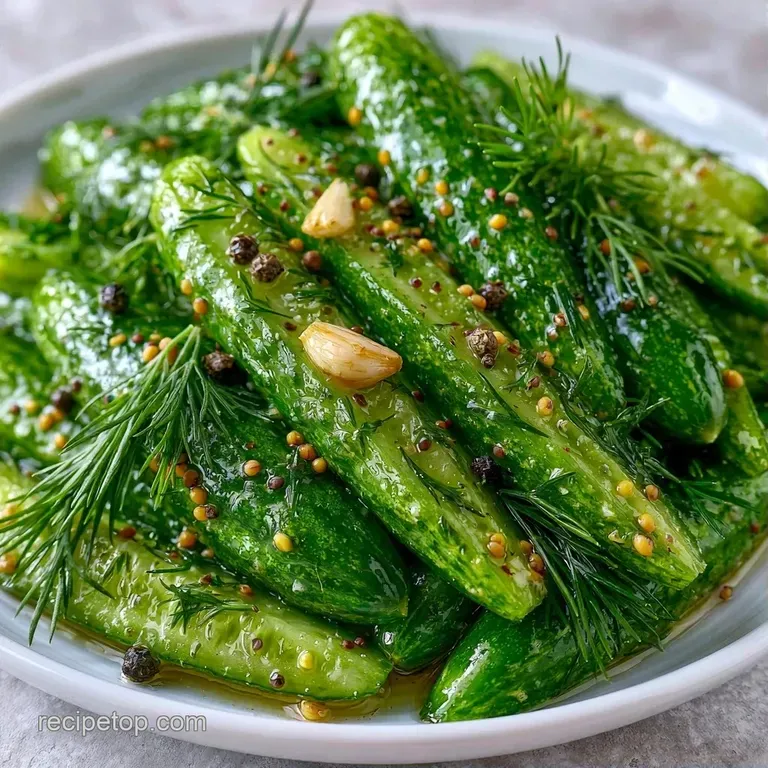
The most frequent problem with Mustard Seed Dill Pickles is a lack of snap. This typically occurs if the cucumbers were too warm when the brine was added, or if you used a salt containing additives. As noted by USDA FoodData, the specific mineral content of different salts can alter how plant tissues respond to the pickling process.
Soft Texture
This results from the breakdown of pectin. Use ice-cold cucumbers and avoid boiling the vegetables themselves.
Cloudy Brine
Hazy liquid usually stems from mineral deposits in the water or improperly sterilized jars. Use filtered water to ensure the brine stays clear.
Floating Cucumbers
When cucumbers float, they aren't absorbing the brine uniformly. Pack them more tightly next time or utilize a glass weight to keep them submerged.
| Problem | Fix |
|---|---|
| Mushy pickles | Use Kirby cucumbers and cold start the veg |
| Too salty | Dilute with a bit of filtered water before serving |
| Dull flavor | Ensure garlic is smashed, not minced |
Make It Your Own
You can easily customize the aromatics to suit your taste. If you prefer a punchier, garlic heavy flavor, try these Garlic Dill Pickles instead.
Spicy Twist
Place some sliced jalapeño or a teaspoon of red pepper flakes in the jar prior to pouring in the brine. This spiciness complements the mustard seeds perfectly.
Sweet and Sour
Increase the sugar to 2 tsp. This won't turn them into full-on "bread and butter" pickles, but it will mellow out the sharp white vinegar.
Herb Variations
Replace half of the dill with a few thyme leaves or some fresh oregano to give the Homemade Mustard Seed Dill Pickles a Mediterranean touch. For those in a hurry, these Pickles in 24 Hours recipe are an option, although the taste is less complex.
Keeping It Fresh
Since these are refrigerator pickles and not canned in a water bath, they need to stay cold. Store them in the fridge for up to 2 months. The flavor actually peaks around day 4 or 5.
To avoid waste, don't toss the leftover brine. It's a great base for a potato salad dressing or a quick marinade for grilled chicken. You can also use the leftover dill stems to flavor a compound butter for steak.
Perfect Complements
These pickles are a balanced addition to heavy meals. The acidity cuts through the fat of a cheeseburger or a rich roast.
They work well on a charcuterie board with sharp cheddar and salami. For a healthier snack, pair them with hummus and carrot sticks. If you're serving them as a side, try them alongside a grilled turkey sandwich to add a punch of salt and tang.
Key Techniques Explained
I've spent a lot of time figuring out why some batches stay crisp while others fail. It comes down to the interaction between the vinegar and the cucumber's cellular structure.
The Mustard Seed Catalyst
Mustard seeds do more than add flavor. They contain natural compounds that help distribute the brine's acidity more evenly across the cucumber, which ensures the center is just as tangy as the skin.
Acetic Acid Balance
The 1:1 ratio of vinegar to water is the sweet spot. Too much vinegar destroys the texture over time, while too little doesn't provide enough protection against spoilage.
Osmotic Pressure and Crunch
The salt draws water out of the cells, replacing it with the brine. This process, if done at the right temperature, prevents the cucumber from becoming waterlogged and soft. This is why these Easy Mustard Seed Dill Pickles have a better snap than the quick soak versions you find in most cookbooks.
Critical Sodium Level
2120 mg 2,120 mg of sodium per serving (92% 92% of daily value)
The American Heart Association recommends a daily sodium limit of no more than 2,300 mg, with an ideal limit of 1,500 mg for most adults to reduce cardiovascular risk.
Tips to Reduce Sodium
-
Reduce Kosher Salt-25%
Cut the amount of kosher salt by one-third or use a potassium based salt substitute to significantly lower the sodium content.
-
Increase Acidity-15%
Add a tablespoon of lemon juice or increase the vinegar slightly to mimic the sharp taste of salt.
-
Boost Aromatics-10%
Double the amount of smashed garlic and fresh dill to provide a more robust flavor profile that compensates for less salt.
-
Enhance Spices
Add a pinch of red pepper flakes or increase the black peppercorns to add complexity and heat without adding sodium.
Recipe FAQs
What does mustard seed add to the flavor?
It provides a pungent, spicy depth. This balances the sharp acidity of the distilled white vinegar and the aroma of the fresh dill.
How to add mustard seeds to the process?
Combine the seeds with the vinegar, water, salt, and sugar in a saucepan. Bring the brine to a rolling boil to ensure the flavors are fully integrated before pouring over the cucumbers.
Is it true you can pickle using only vinegar without water?
No, and here's why. A pure vinegar brine is too aggressive and can result in a rubbery texture or an overwhelming sour taste.
Do homemade vinegar pickles need to be refrigerated?
Yes, keep them chilled. These cure in the refrigerator for a minimum of 24 hours to develop their shattering crunch. If you loved the sweet tart balance in this recipe, see how we use the same acid technique in our Italian dressing salad.
Mustard Seed Dill Pickles