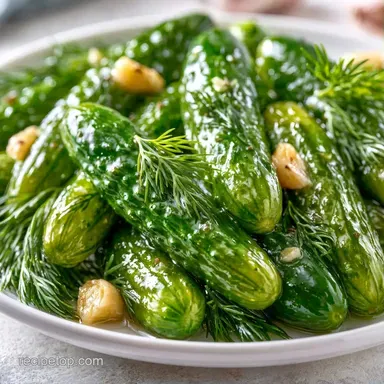
Garlic Dill Sprig Pickles: Crispy Refrigerator Snack
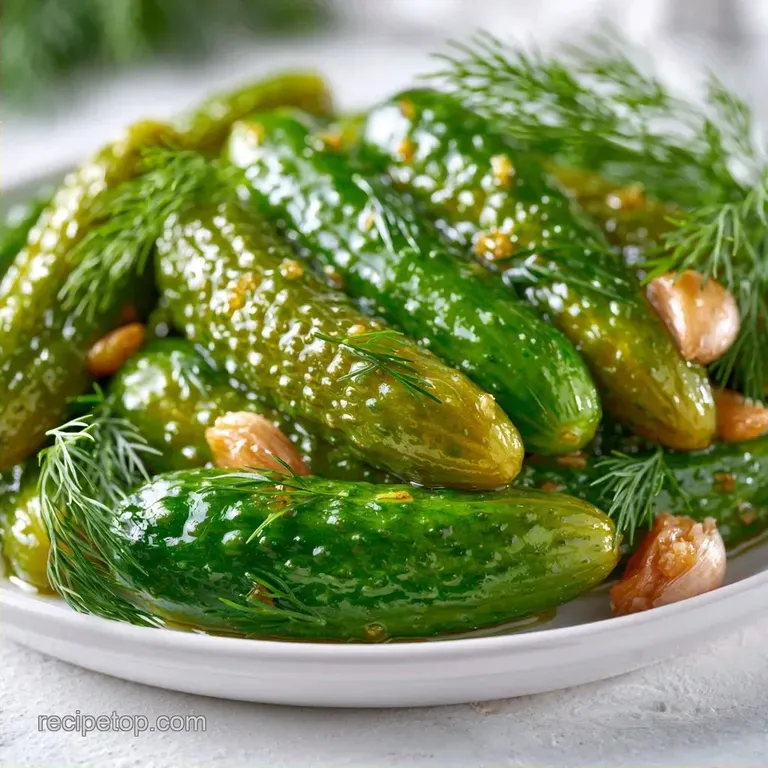
- Time: 10 min active + 24 hours chilling
- Flavor/Texture Hook: Sharp, salty snap with a pungent garlic punch
- Perfect for: Meal prep, sandwich toppings, or a low calorie snack
Garlic Dill Pickles
There is nothing quite like the loud, satisfying snap of a cold pickle spear right out of the jar. I remember the first time I tried making these at home, I used standard garden cucumbers. They were way too watery, and the result was a limp, soggy mess that lacked any real bite. It was a total letdown.
The real hero here is the Kirby cucumber. These small, bumpy guys have a thicker skin and a denser interior, which means they can handle the vinegar bath without turning into mush. Once you switch to the right variety, the whole process becomes a breeze.
You can expect a sharp, tangy flavor that hits the back of your throat, balanced by the freshness of the dill. These Garlic Dill Pickles don't need weeks of fermenting to taste great. With the hot brine method, they're ready to eat in a day.
Quick Recipe Specs
I like to keep things simple when prepping snacks. This method is designed for those who want the taste of a deli pickle without the hassle of traditional canning. Since these are refrigerator pickles, we skip the boiling water bath and let the cold air do the preserving.
The prep is fast, but the patience comes in the waiting. You have to let them sit for a full day to let the salt and acid penetrate the center of the cucumber. If you try them too early, you'll just taste raw cucumber and vinegar.
For those tracking nutrition, these are a great choice. They provide a salty kick with very few calories, making them a balanced addition to any plate. I often pair these with a lean protein for a quick, satisfying lunch.
Why This Recipe Works
I've spent a lot of time wondering why some pickles stay crunchy while others go soft. It mostly comes down to how the brine interacts with the cucumber's cell walls.
Hot Brine: The heat helps the salt and sugar dissolve instantly and opens up the cucumber's pores to absorb flavor faster. Pickling Salt: Using a pure salt without additives keeps the liquid clear and prevents a weird cloudiness in the jar.
The balance of water and vinegar is key here. Too much vinegar can actually break down the pectin in the vegetables over time, leading to a softer texture. By splitting the liquid 50/50, we get the preservation and tang we need without sacrificing that crunch.
| Brine Method | Flavor Depth | Texture | Best For |
|---|---|---|---|
| Hot Brine | Develops in 24 hours | Slightly softer | Fast meal prep |
| Cold Brine | Develops in 48+ hours | Very firm | Long term fridge storage |
What You'll Need
The ingredients are basic, but the quality matters. I always suggest using filtered water because chlorine in tap water can sometimes react with the vinegar and alter the taste. For the dill, don't throw away the stems. They hold a lot of the essential oils that give the Garlic Dill Pickles their characteristic aroma.
Ingredient Deep Dive
| Ingredient | What It Does | Best Swap |
|---|---|---|
| Kirby Cucumbers | Provides the structural snap | Persian cucumbers (thinner skin) |
| White Distilled Vinegar | Preserves and adds acidity | Apple cider vinegar (milder, fruitier) |
| Pickling Salt | Draws out moisture, seasons | Kosher salt (avoid table salt with iodine) |
| Fresh Dill | Adds the "classic" pickle herb note | Dried dill weed (use 1 tbsp per 4 sprigs) |
Ingredients & Substitutes
- 1.5 lbs (680g) Kirby or Persian cucumbers, sliced into spears or rounds Why this? Thicker skins prevent sogginess
- 2 cups (480ml) white distilled vinegar Why this? Neutral taste, high acidity
- 2 cups (480ml) filtered water Why this? Prevents chlorine aftertaste
- 2 tbsp (34g) pickling salt Why this? No additives for clear brine
- 1 tbsp (12g) granulated sugar Why this? Balances the sharp acidity
- 6 cloves (18g) garlic, smashed Why this? Pungent, aromatic base
- 4 sprigs (10g) fresh dill, stems included Why this? Essential for the dill profile
- 1 tsp (2g) black peppercorns Why this? Subtle woody heat
- 1 tsp (2g) mustard seeds Why this? Adds a tangy depth
- ½ tsp (1g) red pepper flakes Why this? Very slight back end warmth
Equipment Needed
You don't need a professional kitchen for this. A few basic tools will do. I prefer using wide mouth Mason jars because it's much easier to pack the cucumbers tightly without bruising them. If the cucumbers have too much room to move, they won't stay submerged, and that's when you run into trouble.
A small stainless steel saucepan is best for the brine. Avoid aluminum pots, as the vinegar can react with the metal and leave a metallic taste in your Garlic Dill Pickles. A simple slotted spoon or tongs helps when you're moving the cucumbers around.
Finally, make sure your jars are sterilized. You don't need to boil them since these are fridge pickles, but a hot soapy wash and a good rinse are mandatory to keep them fresh for a month.
Step-by-step Instructions
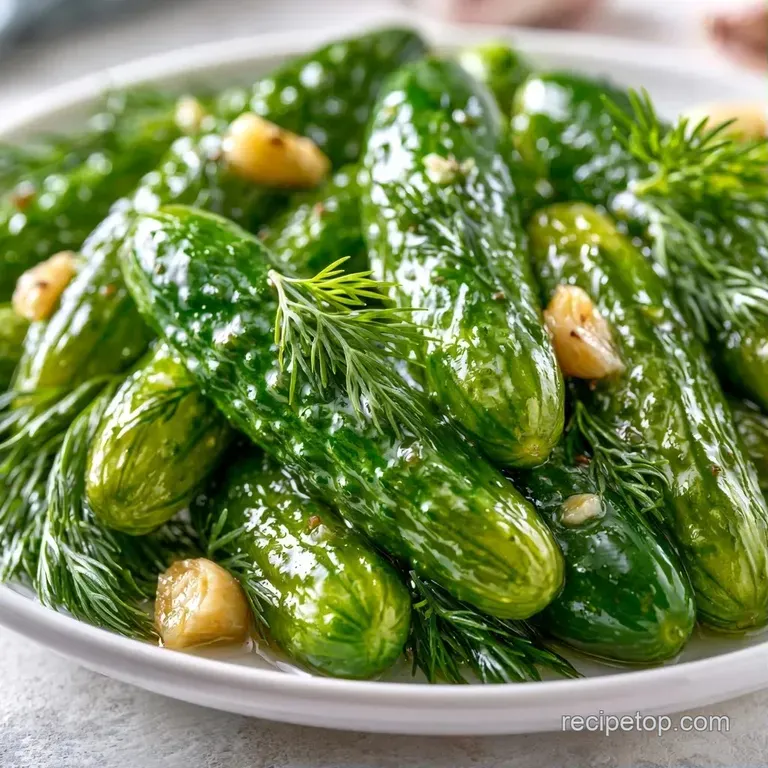
Right then, let's get into the actual making. The process is straightforward, but the details in the packing stage are where most people trip up.
- Wash the cucumbers thoroughly in cold water and slice them into uniform spears or rounds. Note: Consistent size ensures they brine evenly
- Smash the garlic cloves with the flat side of a knife to release aromatic oils.
- Divide the smashed garlic, fresh dill sprigs, peppercorns, and mustard seeds evenly between two clean quart sized Mason jars.
- Pack the cucumbers tightly into the jars, sliding them in carefully to avoid bruising.
- In a small saucepan, combine the vinegar, water, salt, and sugar.
- Bring the mixture to a gentle simmer over medium heat, stirring until the salt and sugar have completely dissolved, then remove from heat immediately.
- Carefully pour the hot brine over the cucumbers, ensuring they are completely submerged with about ½ inch of headspace.
- Tap the jars gently on the counter to release air bubbles.
- Seal with lids, let cool to room temperature, and refrigerate for 24 hours. until the brine is cold and the cucumbers look translucent
Pro Tips and Pitfalls
One thing I've learned is that "tight" packing is relative. You want the cucumbers snug, but if you jam them in too hard, you'll break the skin. When the skin breaks, the cucumber loses its structural integrity and becomes soft. Just slide them in.
Another trick is the "sprig" infusion. Instead of chopping the dill, leave the sprigs whole. This makes it easier to remove them later if you're repurposing the brine, and it keeps the jars looking a bit more like something from a specialty shop.
Troubleshooting Common Issues
| Issue | Solution |
|---|---|
| Why Your Pickles Are Soft | This is the most common complaint. It usually happens because of the cucumber variety or the temperature of the brine. |
| Why Your Brine Is Cloudy | If your liquid looks milky, it's likely your salt. Table salt often contains calcium iodide or anti caking agents. These additives react with the vinegar to create a cloudy haze. |
| Why the Garlic Taste Is Weak | If you leave the garlic cloves whole, the flavor stays trapped inside. Smashing them breaks the cell walls and lets the allicin flow into the brine. |
Make-ahead and Leftover Tips
These Garlic Dill Pickles are the definition of meal prep. Once they've had their 24 hour soak, they stay good in the fridge for about a month. I find the flavor actually peaks around day three or four.
If you find you're making too many, you can scale the recipe down. For a half batch, use 1 cup of vinegar and 1 cup of water. Just remember to reduce the cooking time for the brine by about 20% since a smaller volume heats up faster. When scaling up to 4x, don't quadruple the red pepper flakes.
Salt and spice can become overwhelming in large batches, so I usually only go to 2x or 3x for the seasonings.
Don't throw away the leftover brine. It's basically a seasoned vinegar. I use it to marinate chicken breasts or as a base for a quick vinaigrette. If you enjoy this style of preserving, you might also like my Quick Homemade Pickle Recipe for other vegetable variations.
Make It Your Own
I love experimenting with the flavor profile. If you want more heat, add a sliced jalapeño to the jar. For a more "deli" style, add a pinch of celery seed. If you prefer a sweeter pickle, you can bump the sugar up to 2 tablespoons, but don't go too far or you'll lose that sharp snap.
There are a few myths about pickling that I want to clear up. Some people think you have to boil the jars to make them safe. That's only for shelf stable canning. For fridge pickles, a clean jar is plenty. Another myth is that adding more vinegar makes them crunchier.
In reality, too much acid can eventually break down the vegetable's structure, making them softer over time.
For a different twist, try using "Dill Sprig Pickles" by adding extra bunches of dill and omitting the mustard seeds for a cleaner, more herbal taste. I've also tried "Garlic Dill Sprig Pickles" with a touch of turmeric to give them a bright yellow color, similar to what you see in commercial jars.
Presentation Tips
When serving, I like to slice the spears lengthwise into thin ribbons. It looks a bit more sophisticated on a platter. If you're putting them out for a party, serve them in a chilled glass bowl with a few fresh dill leaves on top for a pop of color.
These go great with a side of creamy potato salad or a sharp cheddar cheese plate. If you're making a meal, they pair beautifully with a Homemade Italian Dressing on a fresh garden salad. The acidity of the pickles cuts through the richness of the dressing perfectly.
Just remember to use a clean fork every time you dive into the jar. Introducing bacteria from your mouth or other foods can shorten the shelf life and make the brine go cloudy. Keep it clean, keep it cold, and enjoy the crunch.
Critical Sodium Level
2266 mg 2,266 mg of sodium per serving (99% 99% of daily value)
The American Heart Association recommends a daily sodium limit of 2,300 mg for most adults, and ideally closer to 1,500 mg for those with hypertension.
Tips to Reduce Sodium
-
Reduce Pickling Salt-25%
The pickling salt is the primary sodium source; reduce the amount by half or use a potassium based salt alternative.
-
Increase Acidity-10%
Add lemon juice or a small amount of apple cider vinegar to enhance the 'tang' and compensate for less salt.
-
Amp Up the Heat-5%
Increase the red pepper flakes to provide a spicy kick that distracts the palate from the lower sodium content.
-
Boost Fresh Aromatics
Double the fresh dill and garlic to add depth and complexity of flavor without adding any sodium.
Recipe FAQs
How to make simple dill pickles?
Pack cucumber spears, smashed garlic, and dill into jars. Pour a hot simmered brine of white distilled vinegar, water, salt, and sugar over the vegetables and refrigerate for 24 hours.
How to make homemade dill pickle juice?
Simmer equal parts filtered water and white distilled vinegar with pickling salt and sugar. Stir until the solids are completely dissolved and remove the mixture from heat immediately.
How to make pickle relish from dill pickles?
Pulse the finished pickles, garlic, and dill in a food processor. Stir in a small amount of granulated sugar to create a balanced sweet and-sour flavor profile.
How is a pickle made?
Soak cucumbers in an acidic brine of vinegar and salt. This process preserves the vegetable and transforms the flavor through osmosis and acid penetration.
Is it true that table salt is a good substitute for pickling salt?
No, this is a common misconception. Table salt contains anti caking agents that react with vinegar to create a cloudy haze in the brine.
Why are my pickles soft?
Use Kirby or Persian cucumbers for a firmer crunch. Softness typically occurs when using the wrong cucumber variety or when the brine temperature is incorrect.
What are some good ways to use fresh dill?
Garnish potato salads, steamed fish, or creamy yogurt dips. If you enjoyed the flavor balancing technique used here, see how we apply similar principles in our homemade mac and cheese.
Garlic Dill Pickles 4