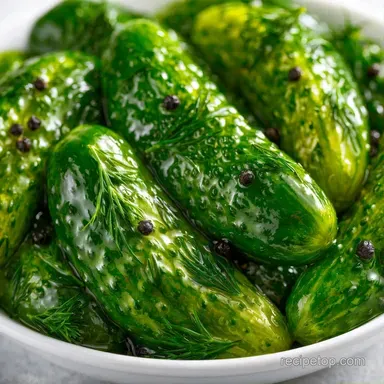
Crispy Dill Pickle Spears: Bold and Garlic
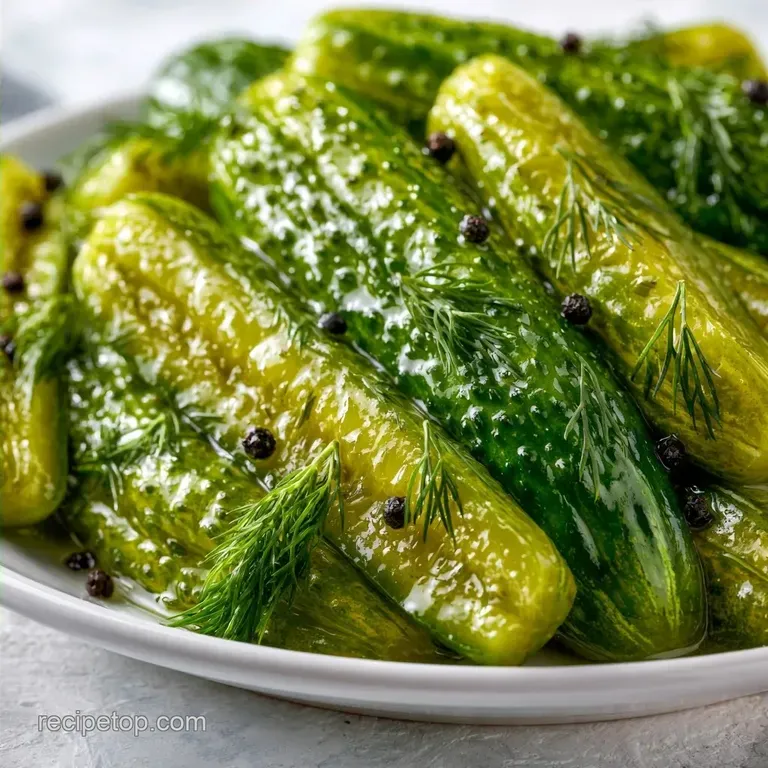
- Time: 15 min hands-on + 24 hours refrigerating
- Flavor/Texture Hook: Bold garlic with a firm, brittle crunch
- Perfect for: Weekly meal prep or classic deli sandwiches
Making Crispy Dill Pickle Spears
That specific snap is what makes or breaks a pickle. I remember my first batch of homemade pickles was a total disaster. I didn't trim the ends, and they came out with the texture of wet cardboard. They were limp, flavorless, and honestly a bit depressing.
I spent a few weekends messing with different salt types and brine temperatures until I figured out why the store-bought ones always felt firmer. It comes down to those tiny enzymes in the cucumber and the type of salt you use.
Now, I make these Dill Pickle Spears whenever I have a few extra cucumbers. They're way cheaper than the fancy jars at the store and have a much cleaner, sharper taste. You'll get that classic deli vibe right in your fridge.
Why These Stay Crunchy
- Blossom End Trim: Cutting off the blossom end removes enzymes that break down pectin, which prevents the spears from softening.
- Pickling Salt: Using salt without iodine stops the brine from turning cloudy and keeps the skin firm.
| Feature | Fast Method | Classic Method |
|---|---|---|
| Wait Time | 2 hours | 24 hours |
| Texture | Soft crunch | Hard snap |
| Flavor | Sharp vinegar | Balanced tang |
Picking Your Ingredients
Choosing the right cucumber is half the battle. I always go for Kirbys or Persians because they have thinner skins and denser interiors. Standard slicing cucumbers are too watery and will turn mushy almost instantly.
| Ingredient | Role | If You Don't Have It |
|---|---|---|
| Pickling Salt | Pure brine | Kosher salt (avoid iodized) |
| White Vinegar | Acid | Apple cider vinegar (milder) |
| Fresh Dill | Herb flavor | Dried dill (use 1 tbsp) |
- 2 lbs Kirby or Persian cucumbers
- 4 cloves garlic, smashed Why this? Smashed garlic releases oils faster than minced
- 1/2 cup fresh dill sprigs
- 1 tbsp black peppercorns
- 1 tsp mustard seeds
- 2 cups distilled white vinegar Why this? High acidity for safety and snap
- 2 cups filtered water
- 1/4 cup pickling salt Why this? Prevents cloudiness in the jar
- 1 tbsp granulated sugar
If you're on a budget, don't worry about buying the most expensive organic dill. The basic bunches from the grocery store work just fine. Also, distilled water is a smart move if your tap water is heavy on minerals, as those can react with the vinegar and make the brine look murky.
The Right Gear
You don't need a professional canning set, although certain pieces of equipment simplify the process. I prefer wide mouth quart jars since they allow the spears to be packed more densely. Narrow mouth jars often create excessive air pockets, which can cause the cucumbers to drift upward.
For the brine, a small stainless steel pot works perfectly. Steer clear of aluminum cookware; the acidity of the vinegar can react with the metal and impart an unpleasant metallic flavor to your Dill Pickle Spears. You will also need a sharp chef's knife to ensure every cut is straight and clean.
Putting It Together
Preparing the Produce
Rinse the cucumbers well with cold water. Cut about 1/8 inch from both the stem and blossom ends of each piece. Then, slice each cucumber lengthwise into quarters to create uniform spears.
Building the Jar
Distribute the crushed garlic, fresh dill, black peppercorns, and mustard seeds equally into two sterilized wide mouth quart glass jars. Fit the cucumber spears in tightly, placing them upright to optimize the available space.
Crafting the Brine
Place the distilled white vinegar, filtered water, pickling salt, and sugar into a small stainless steel saucepan. Heat the liquid over medium, stirring now and then, until the granules have fully melted. This process typically takes about 5 minutes.
The Final Pour
Slowly add the steaming brine to the jars, ensuring every spear is fully covered. Maintain a gap of 1/2 inch from the top of the jar.
The Cure
Tighten the lids securely. Allow the jars to reach room temperature while sitting on the counter. Once cooled, transfer them to the fridge to cure for a minimum of 24 hours.
Chef Note: Be patient with the 24 hour wait. Although they are edible sooner, this time allows the brine to soak into the core of the spears for a balanced taste.
Fixing Common Issues
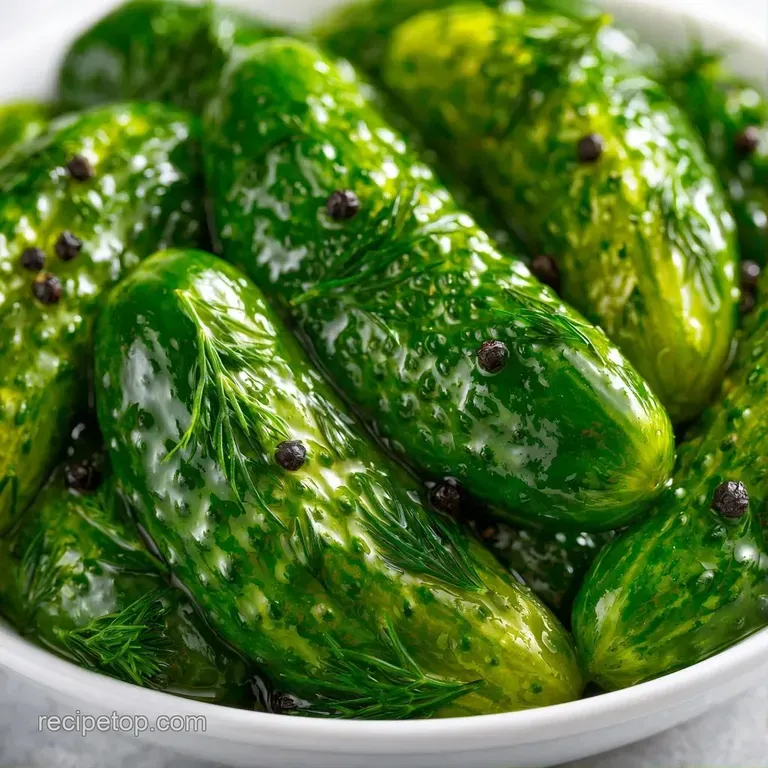
Sometimes things don't go as planned. If your spears lack crunch, it's often because the cucumbers weren't cool enough during the brining process. For a better snap, I recommend chilling the cucumbers for an hour before you start slicing.
Another issue is the brine color. If it looks like cloudy apple juice, you likely used iodine rich table salt. Stick to kosher or pickling salt for your next batch. If you're after a faster result, you can try this Quick Dill Pickle Recipe, though the texture won't be quite as firm.
Soggy Texture
This occurs if the brine wasn't hot enough or the blossom ends weren't trimmed. Ensure you cut both ends of the cucumber.
Cloudy Brine
This is the result of iodine in the salt or minerals in the water. Use pure pickling salt and distilled water.
Floating Spears
If the cucumbers float, they aren't fully submerged and may spoil. Press them down firmly during packing.
| Problem | Fix |
|---|---|
| Soft spears | Trim blossom ends |
| Cloudy liquid | Use distilled water |
| Floating | Pack spears tighter |
Flavor Twists
You can easily customize the flavor of these Dill Pickle Spears by tweaking the spices. For more heat, add a sliced jalapeño or 1 tsp red pepper flakes; this provides a nice kick without losing the crunch.
If you're after a more complex, earthy profile, I suggest adding extra mustard seeds. For a version that really emphasizes that savory, seeded flavor, take a look at my Mustard Seed Dill Pickles.
| Goal | What to change |
|---|---|
| More Tang | Add 1/4 cup vinegar |
| Sweeter | Add 1 tsp sugar |
| Spicier | Add red pepper flakes |
To make a "half sour" version, use half the vinegar and increase the water. This creates a less tart pickle, reminiscent of a New York deli style. Keep in mind that the reduced vinegar means they won't stay fresh in the refrigerator for as long.
Storage and Waste
Store these in the refrigerator, where they will remain crunchy and zesty for 4 to 6 weeks. Avoid freezing them, as the water inside the cucumbers expands, which would turn the spears mushy once they thaw.
Once the cucumbers are gone, save the leftover liquid. This flavorful mixture works well as a marinade for grilled chicken or as a bright, acidic addition to potato salad. If you have any remaining dill stems, chop them finely and stir them into a homemade vinaigrette.
Ways to Serve
These Dill Pickle Spears are the ideal partner for a hearty deli sandwich. I personally enjoy them alongside roast beef with melted provolone, as the tanginess perfectly balances the richness of the meat.
They are also a fantastic addition to a burger platter. A spear offers a more rewarding crunch than a typical round slice. If you're assembling a snack board, try pairing them with sharp cheddar cheese and some spicy brown mustard.
Plus, they make for an excellent late night treat. A chilled, garlicky pickle is exactly what you need when a salty craving hits. Believe me, you'll want to keep a jar stocked in your fridge at all times.
Common Beliefs
Some people think you have to boil the cucumbers to make them safe. That's not true for refrigerator pickles. The vinegar does the work of preserving the food, and boiling would actually destroy the crunch.
Another myth is that you need a vacuum sealer to keep them fresh. A simple tight fitting lid on a glass jar is plenty. As long as the cucumbers stay submerged in the brine, they'll stay fresh for weeks.
Critical Sodium Level
1438 mg 1438 mg of sodium per serving (63% 63% of daily value)
The American Heart Association recommends a daily sodium limit of no more than 2,300 mg (ideally 1,500 mg for those with hypertension).
Tips to Reduce Sodium in Your Pickles
-
Reduce Pickling Salt-30%
The pickling salt is the primary sodium source; reducing this amount by half will drastically lower the sodium content.
-
Use a Salt Substitute-25%
Replace a portion of the salt with a potassium based salt substitute to maintain the savory profile with less sodium.
-
Increase Acidity-15%
Add a small amount of lemon juice or increase the vinegar ratio to provide a 'sharp' taste that mimics saltiness.
-
Boost Fresh Aromatics
Increase the amount of fresh dill and smashed garlic to add bold, natural flavor without adding any sodium.
Recipe FAQs
How to make dill pickle spears?
Slice cucumbers lengthwise into quarters after trimming the ends. Pack them tightly into jars with garlic, dill, and spices before pouring over a simmering vinegar brine.
Why do some pickles stay crispier than others?
Trim 1/8 inch off the blossom end of each cucumber to remove enzymes that soften the vegetable. Keeping them refrigerated also maintains the snap of the spears.
Can I make a quick version?
Simmer distilled white vinegar, water, salt, and sugar in a saucepan. Pour the hot liquid over sliced cucumbers and store them in the refrigerator.
Is it true I must boil the jars for refrigerator pickles?
Surprisingly, no. Since these are refrigerator pickles, you only need sterilized jars and cold storage to keep them fresh.
What can I do with the leftover brine?
Use the seasoned vinegar as a marinade for grilled chicken. It also adds a sharp, acidic punch to potato salads.
How do I turn these into relish?
Chop the finished pickle spears into very fine pieces. Stir in a bit of extra sugar if you prefer a sweeter condiment.
Where is the best NY style recipe?
Check out our kosher dill pickles for a more authentic city style flavor.
Which ways are best for using fresh dill?
Chop the stems and leaves finely to mix into a homemade vinaigrette. You can also toss whole sprigs into jars for infusion.
Crispy Dill Pickle Spears