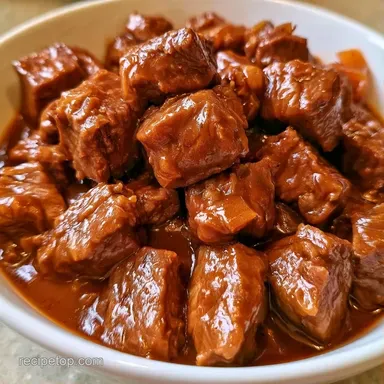
Old Fashioned Campfire Beef Stew
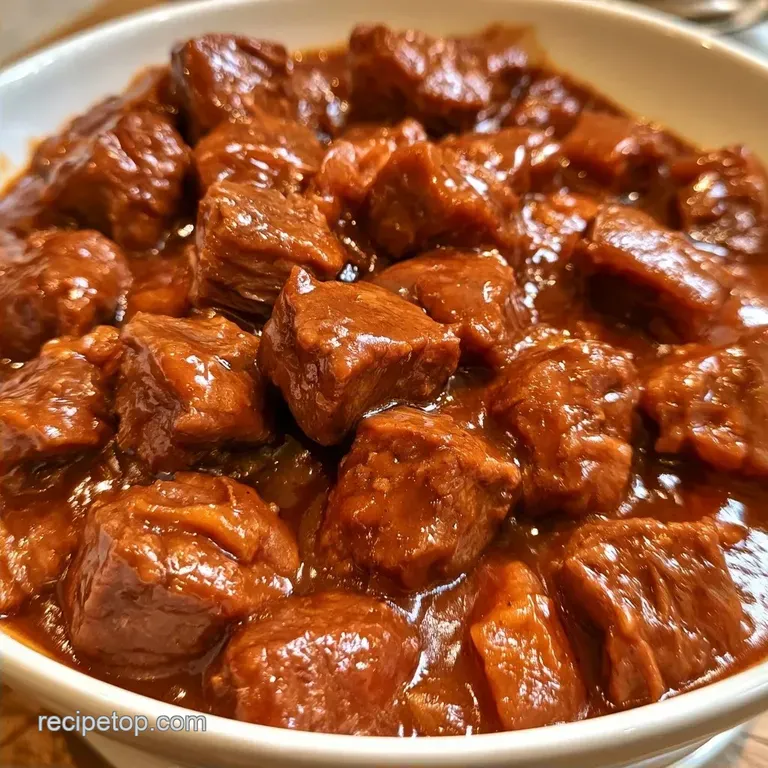
- Time: 20 min active + 140 min cooking
- Flavor/Texture Hook: Mahogany seared beef and tender root vegetables
- Perfect for: Cold camping trips and family gatherings
- Why Most Recipes Get This Wrong
- Recipe Specs and Timings
- Why These Ingredients Work
- Gathering Your Essentials
- Gear for the Fire
- Bringing It All Together
- Fixing Common Stew Problems
- Serving Your Stew
- Keeping and Reheating Leftovers
- Creative Stew Variations
- Adjusting the Batch Size
- High in Sodium
- Recipe FAQs
- 📝 Recipe Card
The smell of cedar smoke and searing beef is the best part of any camping trip. I remember my first try at this; I just plopped the pot on a roaring fire and ended up with a charred, bitter bottom and raw carrots. It was a mess, but it taught me that managing the embers is more important than the fire itself.
Once I stopped treating the fire like a stovetop, everything changed. You want a steady, glowing bed of coals, not a wall of flame. This approach makes a Campfire Beef Stew that actually tastes like it spent hours in a professional kitchen, even though you're probably sitting on a folding chair in the woods.
You can expect a thick, glossy sauce and meat that falls apart with a fork. This Campfire Beef Stew is all about patience and the right cut of meat. Trust me, the wait is worth every single minute.
Why Most Recipes Get This Wrong
Most guides just tell you to put the pot "over the fire." That's a recipe for hot spots and burnt beef. The real trick is using a grate to keep the pot an inch or two above the coals. This creates a steady heat that mimics a slow cooker. If you're cooking at home, you can follow my Dutch Oven Beef Stew recipe to get a similar result without the smoke.
Collagen Breakdown: Many people buy lean "stew meat," but that often stays tough. Beef chuck is the hero here because its connective tissue melts into gelatin. This is what gives the stew that rich, clingy body.
Layered Searing: Searing meat in a crowded pot just steams the beef. You need to brown it in batches to get a mahogany crust. That crust, known as the fond, is where the deep, savory flavor of Campfire Beef Stew comes from.
The difference between a stovetop and a campfire is how the heat hits the pot.
| Feature | Stovetop | Campfire |
|---|---|---|
| Heat Source | Direct, concentrated | Radiant, ambient |
| Temp Control | Dial/Knob | Shifting coals |
| Flavor Profile | Clean, savory | Smoky, rustic |
Recipe Specs and Timings
This version of Campfire Beef Stew is designed to feed a hungry group of 8. It's budget friendly since it uses tougher cuts of meat and root vegetables that are cheap and filling.
The prep takes 20 minutes, mostly chopping and seasoning. The cooking takes 140 minutes, but you aren't hovering over the pot the whole time. Total time is 160 minutes.
Why These Ingredients Work
For a Campfire Beef Stew, you want ingredients that can handle a long simmer without turning into mush.
| Ingredient | Role | If You Don't Have It |
|---|---|---|
| Beef Chuck | Provides fat and collagen | Chuck roast or brisket |
| Tomato Paste | Adds acidity and color | 1 tbsp tomato puree |
| Yukon Gold Potatoes | Holds shape while thickening | Russet (will be softer) |
| Beef Broth | The savory liquid base | Water + beef bouillon |
Gathering Your Essentials
Gather everything you need to bring this Campfire Beef Stew to the table.
- 2 lbs beef chuck, cut into 1 inch cubes Why this? High collagen ensures tender meat
- 3 tbsp vegetable oil Why this? Withstands high heat for browning
- 1 tsp kosher salt
- 1 tsp coarse black pepper
- 1 large yellow onion, diced
- 3 cloves garlic, minced
- 4 cups low sodium beef broth
- 2 tbsp tomato paste Why this? Enhances the sauce's rich color
- 1 tbsp Worcestershire sauce
- 2 bay leaves
- 3 large carrots, sliced into thick rounds
- 1.5 lbs Yukon Gold potatoes, cubed Why this? Naturally creamy consistency
- 2 stalks celery, chopped
- 1 cup frozen peas
Budget Swaps: If beef chuck is too pricey, pork shoulder is a viable substitute. It slightly alters the taste but keeps that melt-in-your mouth tenderness. For a cheaper broth option, a bouillon cube is a smart way to save a few dollars.
Gear for the Fire
While you don't need a complex arrangement, certain tools simplify the process. A 12 inch cast iron Dutch oven is essential, as it ensures even heat distribution and won't warp over direct coals.
I typically rely on a heavy duty campfire grate to keep the pot steady. You will also need a sturdy wooden spoon for scraping the bottom of the pot. A meat thermometer is a useful tool, though the "fork tender" test remains the gold standard here.
Bringing It All Together
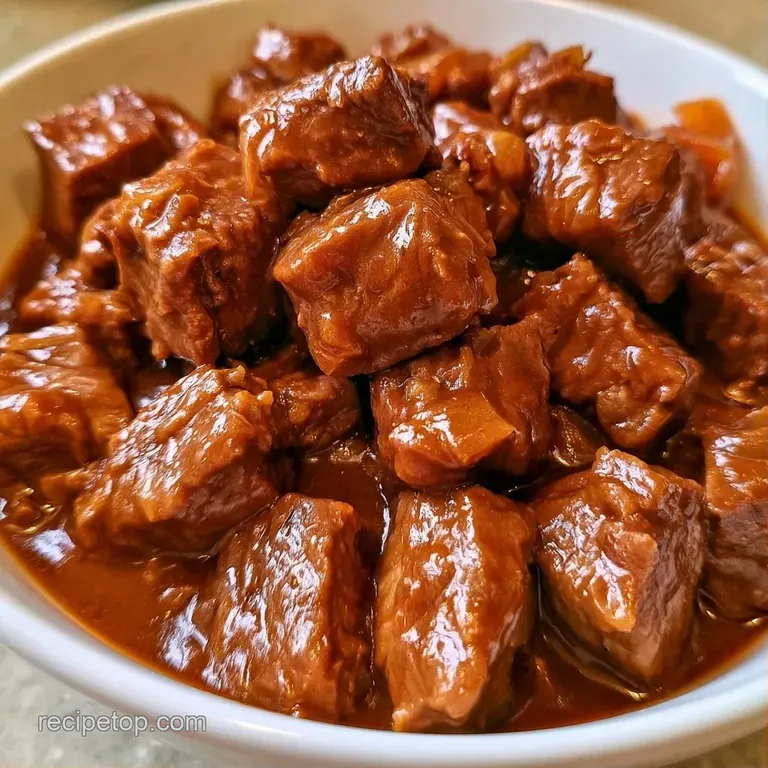
Time to get your Campfire Beef Stew started. Ensure your fire has settled into a bed of glowing embers before beginning.
Searing the Protein
Use paper towels to pat the beef cubes completely dry, then season them well with salt and pepper. Bring the vegetable oil to a shimmer in your Dutch oven using medium high heat. Sear the beef in batches avoiding overcrowding until each piece develops a deep mahogany crust.
Remove the meat and set it aside on a plate.
Building the Flavor Base
Drop the temperature to medium. Sauté the diced onion and celery in the remaining beef fat until the onion is translucent and aromatic. Mix in the tomato paste and minced garlic, cooking for 2 minutes until the paste turns a dark brick red.
Deglazing and Simmering
Add the beef broth and Worcestershire sauce. Use a wooden spoon to scrape the flavorful browned bits from the bottom of the pot; this is essential for the richness of your Campfire Beef Stew. Return the seared beef and its juices to the pot.
Stir in the bay leaves, cover with the lid, and place the pot over a managed bed of hot coals.
Incorporating Root Vegetables
Allow the stew to simmer slowly for roughly 2 hours to tenderize the meat. Once the beef begins to soften, add the sliced carrots, cubed potatoes, and celery. Continue simmering until both the meat and vegetables are tender.
Finishing the Stew
Fold in the frozen peas at the very end. Heat for a final 5 minutes before serving. The peas should be bright green and warmed through without becoming mushy.
Chef Note: If your fire is running too hot, move the pot to the outer edges of the coal bed to prevent the bottom from scorching.
Fixing Common Stew Problems
Cooking over an open flame is unpredictable. Sometimes the liquid evaporates too fast, or the meat stays tough.
Thin Gravy Fix
If your Campfire Beef Stew looks more like a soup than a stew, you've got too much liquid. Leave the lid off for the final 20 minutes of simmering. This lets the steam escape and allows the natural starches from the potatoes to thicken the sauce.
Burnt Bottom Fix
If you smell something acrid, stop stirring immediately. Carefully scoop out the top layer of stew into a clean pot. Do not scrape the bottom, or you'll mix the burnt flavor into the whole batch.
Tough Meat Fix
Usually, this means the beef didn't simmer long enough. Put the lid back on and give it another 30 minutes. According to USDA guidance, the safe internal temperature for beef is 145°F, but for stew, you want it much higher so the collagen actually melts.
| Problem | Fix |
|---|---|
| Sauce is too thin | Simmer without lid for 20 mins |
| Bottom is scorching | Move pot to cooler coals |
| Beef is chewy | Simmer for an additional 30 mins |
Serving Your Stew
This dish is rustic, so don't overthink the presentation. I love serving this in wide bowls with a big dollop of sour cream on top. It cuts through the richness of the beef.
Since the Campfire Beef Stew is so filling, you don't need much on the side. A piece of crusty sourdough or some buttered corn on the cob works great. If you're still in camping mode, just scoop it straight from the Dutch oven into mugs for something easier to hold.
For those who want a different campfire vibe, you might like a Campfire Hobo Dinner, which is faster but lacks the deep sauce of a stew.
Keeping and Reheating Leftovers
Leftover Campfire Beef Stew is often even tastier the following day, as the ingredients have more time to harmonize.
Storage Guidelines Keep remaining portions chilled in a sealed vessel for about 4 days. For longer preservation, this stew freezes perfectly for up to 3 months. Remember to leave some headspace in your container, as the liquid will expand once frozen.
Reheating Tips To warm it up, place the stew in a small pot over medium low heat. If the sauce has thickened during chilling, stir in a splash of beef broth or water. Stir every so often to ensure the potatoes don't stick to the bottom.
Zero Waste Don't throw away those veggie trimmings. I collect carrot ends and onion skins in a freezer bag to prepare a quick vegetable stock later. If there is a bit of broth left in the pot, use it as a base for cooking quinoa or rice.
Creative Stew Variations
Once you've got the basics of Campfire Beef Stew down, you can start playing with the ingredients.
Adding Campfire Dumplings For a real comfort meal, drop spoonfuls of biscuit dough on top of the stew during the last 15 minutes of cooking. Put the lid on tight and don't open it until the time is up. The dumplings steam right on top of the beef.
The Pub Style Twist Stir in a tablespoon of dark beer or a splash of Guinness during the deglazing step. It adds a bitter, malty depth that pairs great with the beef chuck.
Low Carb Root Swap If you're skipping potatoes, try using turnips or rutabaga. They hold their shape well and provide a similar earthy flavor without the heavy carbs.
- For a thicker sauce
- leave lid off last 20 mins.
- For more smoke
- move pot closer to the ember edge.
- For softer carrots
- add them 30 mins earlier.
Adjusting the Batch Size
Your pot's capacity will determine how you scale this Campfire Beef Stew.
Scaling Down To serve 4 people, simply cut all ingredients in half. Switch to a smaller 6 inch Dutch oven and cut the simmering time by roughly 20%. Be careful not to over brown the beef when working with smaller quantities, as it can dry out more quickly.
Scaling Up When cooking for a larger crowd, you can double the vegetables and meat, but avoid doubling the Worcestershire sauce and salt. Begin with 1.5x the seasoning and adjust to taste. Reduce total liquids by about 10% for doubled batches, since deeper pots experience less evaporation.
Sear the beef in batches to ensure it browns rather than steams.
When baking dumplings for a larger batch, decrease the heat slightly and add an extra 5 minutes to the steaming time so the centers cook through completely.
High in Sodium
980 mg 980 mg of sodium per serving (43% 43% of daily value)
The American Heart Association recommends a daily sodium limit of no more than 2,300 mg for most adults to maintain heart health.
Tips to Reduce Sodium
-
Switch to Unsalted Broth-30%
Replace the low-sodium beef broth with unsalted beef stock or a homemade version to significantly cut down on base sodium.
-
Eliminate Added Salt-25%
Remove the 1 tsp of kosher salt entirely; the broth and tomato paste already contain sufficient sodium for seasoning.
-
Substitute Worcestershire Sauce-20%
Replace Worcestershire sauce with balsamic vinegar or a splash of lemon juice to maintain tanginess without the salt.
-
Use No-Salt Tomato Paste-20%
Check the label and ensure you are using a no-salt added tomato paste to reduce hidden sodium.
-
Enhance with Fresh Herbs
Increase the garlic and black pepper, or add fresh thyme and rosemary to boost the flavor profile naturally.
Recipe FAQs
Which cut of meat works best for this stew?
Beef chuck is the ideal choice. Its high collagen content breaks down into gelatin during the slow simmer, creating a tender texture and rich sauce.
How long should the stew simmer over the fire?
Simmer the pot for approximately two hours. This duration allows the tough connective tissues to melt and the root vegetables to soften perfectly.
Is it true that any beef cut will tenderize if cooked long enough?
That's a myth. Lean cuts like sirloin will actually become tough and dry when simmered for hours, whereas chuck becomes more tender.
How to prevent the beef from steaming instead of searing?
Brown the meat in small batches to avoid overcrowding the Dutch oven. This keeps the temperature high enough to develop a deep mahogany crust.
What makes the gravy so rich and thick?
The mahogany crust and browned bits left in the pot provide the base flavor. Deglazing these bits with beef broth creates a deeply savory, glossy sauce.
Can this recipe be scaled for a large group?
Yes, this stew is an excellent choice for feeding ten or more people. It pairs wonderfully with grilled onions for a complete campfire feast.
Campfire Beef Stew