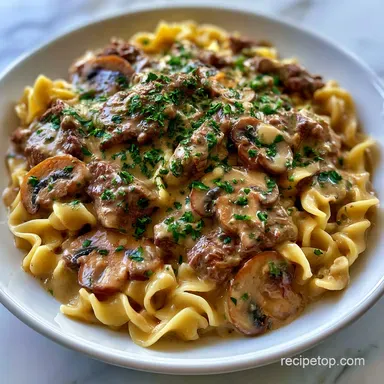
Beef Stroganoff: Creamy and Lean
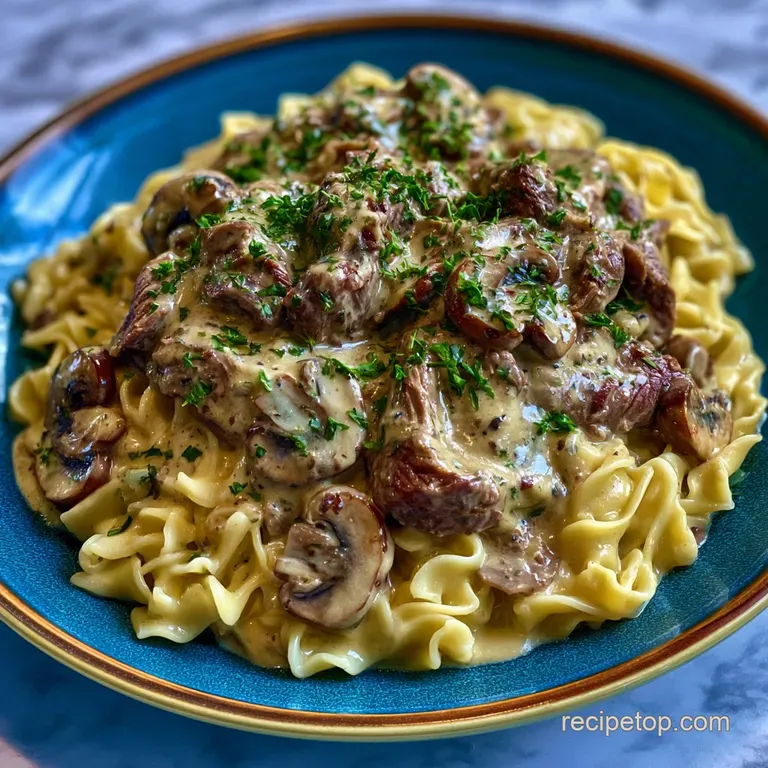
- Time: 10 min active + 20 min cooking = Total 30 minutes
- Flavor/Texture Hook: Velvety, tangy sauce with tender, browned beef strips
- Perfect for: A cozy weeknight dinner that feels special
The first thing that hits you is that loud, aggressive sizzle the second the beef hits the hot oil. I remember the first time I tried making this for my family on a rainy Tuesday in November.
The house was freezing, and the only thing that sounded right was something heavy, warm, and smelling of garlic and sautéed mushrooms. I wanted that comfort, but I didn't have hours to simmer a stew.
That's where this version of Beef Stroganoff comes in. It's not the slow cooked, all day version that takes over your kitchen, but it doesn't taste like a shortcut. We're focusing on high heat and smart timing to get those deep flavors in a fraction of the time.
It's the kind of meal that makes your living room smell like a bistro and makes everyone actually want to sit at the table together.
You can expect a sauce that is silky and glossy, cutting through the richness of the beef with a bit of tang from Greek yogurt. It's a balanced dish that doesn't feel too heavy but still satisfies that craving for something hearty.
We'll use a few simple tricks to make sure the meat stays tender and the sauce doesn't break, ensuring your Beef Stroganoff is a hit every single time.
Beef Stroganoff
The beauty of this Beef Stroganoff is how it balances the earthy tones of mushrooms with the sharp hit of Dijon mustard. It's a dish that relies on a few key moments of high heat to build depth. By searing the beef quickly, we create a caramelized exterior that adds a huge amount of flavor to the eventual gravy.
Most people make the mistake of crowding the pan, which turns the searing process into a steaming process. If you see your meat releasing a lot of grey liquid, you've added too much at once. I've learned to do this in batches, even if it takes an extra two minutes. That brown crust is where the magic happens.
When we move into the sauce phase, the goal is a velvety consistency. The combination of beef broth and Greek yogurt creates a creamy profile without the heaviness of traditional heavy cream. It's a smarter, budget friendly approach that keeps the dish bright and savory.
Secrets of the Texture
To get this right, we have to look at how the ingredients interact. It's not just about following steps, but understanding why we do them in a specific order.
- Against the Grain: Slicing the sirloin across the muscle fibers shortens them, meaning your teeth don't have to do the hard work. This is why the beef feels tender instead of chewy.
- The Flour Bridge: Adding flour to the sautéed vegetables creates a roux like base. This binds the beef broth to the fat, ensuring the sauce is glossy rather than watery.
- Temperature Control: Adding the yogurt at the end prevents it from curdling. Since Greek yogurt has more protein than sour cream, it can split if it hits a boiling liquid.
- Mushroom Moisture: Sautéing mushrooms until they brown means we've evaporated their water content. This concentrates the flavor and allows them to absorb the sauce later.
Since this is a fast paced meal, choosing the right method is everything. Depending on your time and budget, you might want to switch things up.
| Method | Time | Texture | Best For |
|---|---|---|---|
| Skillet (This Recipe) | 30 minutes | Tender & Glossy | Weeknight meals |
| Slow Cooker | 6-8 hours | Fall apart shred | Meal prep |
| Ground Beef | 20 minutes | Hearty & Crumbly | Ultra low budget |
By sticking to the skillet method, we keep the beef from becoming "mushy" and maintain that distinct steak like bite that makes a traditional Beef Stroganoff so satisfying.
The Recipe Specs
When you're planning your evening, it's helpful to have the exact numbers. This is a lean, efficient process. For the best results, make sure your steak is patted dry before it hits the pan. According to the USDA FoodData Central, lean cuts like sirloin provide high protein with less saturated fat, which keeps the dish from feeling overly greasy.
The timing is tight: 10 minutes for prep and 20 minutes for cooking. The total of 30 minutes means you can start this the moment you walk through the door and be eating shortly after.
I've found that the most important "invisible" time is letting the pan get truly hot. Don't rush the oil. If the oil isn't shimmering, your beef will stick and steam rather than sear.
Gather Your Ingredients
Here is everything you'll need. I've suggested some budget friendly swaps that still deliver a great result.
- 1 lb (450g) sirloin steak, thinly sliced against the grain Why this? Lean but flavorful; holds its shape (Sub: Flank steak for a chewier, beefier bite)
- 2 tbsp olive oil Why this? High smoke point for searing (Sub: Butter for a richer, nuttier flavor)
- 8 oz (225g) cremini mushrooms, sliced Why this? More depth than white buttons (Sub: Portobello for a meatier texture)
- 1 small yellow onion, finely diced Why this? Balanced sweetness (Sub: Shallots for a more delicate taste)
- 3 cloves garlic, minced Why this? Essential aromatic base (Sub: 1 tsp garlic powder in a pinch)
- 1/2 tsp salt Why this? Enhances all other flavors
- 1/4 tsp black pepper Why this? Adds a subtle woody heat
- 2 tbsp all purpose flour Why this? Thickens the sauce naturally (Sub: Cornstarch, but use 1 tbsp mixed with water)
- 1 cup (240ml) low sodium beef broth Why this? Controls salt levels (Sub: Water + 1 extra tsp bouillon)
- 1 tbsp Dijon mustard Why this? Adds acidity and emulsification (Sub: Whole grain mustard for more texture)
- 1/2 cup (120g) plain Greek yogurt Why this? Tangy, creamy, and high protein (Sub: Sour cream for a more traditional, heavier feel)
- 1 tsp Worcestershire sauce Why this? Adds umami and depth (Sub: Soy sauce for a salty, fermented note)
- 12 oz (340g) whole grain egg noodles Why this? Hearty texture that holds sauce (Sub: Fettuccine or mashed potatoes)
Before we move to the gear, let's look at how these ingredients actually function in the pan to build a cohesive Beef Stroganoff.
| Ingredient | Science Role | Pro Secret |
|---|---|---|
| Sirloin Steak | Primary Protein | Freeze for 15 mins before slicing for paper thin strips |
| Greek Yogurt | Acidic Thickener | Stir in off heat to keep it velvety |
| Dijon Mustard | Emulsifier | Bridges the fat of the oil and the water of the broth |
| Beef Broth | Flavor Solvent | Deglaze the pan with it to lift the browned bits (fond) |
Essential Cooking Gear
You don't need a professional kitchen for this, but a few specific tools make it way easier.
- Large Stainless Steel or Cast Iron Skillet: I prefer stainless steel because it creates the best "fond" (those brown bits on the bottom). If you use non stick, you won't get as much caramelization, but it still works.
- Sharp Chef's Knife: Essential for slicing the steak against the grain. A dull knife will tear the meat, making it tougher.
- Tongs: Much better than a spatula for flipping beef strips quickly without breaking them.
- Whisk or Wooden Spoon: To ensure the flour is fully incorporated and there are no lumps in your gravy.
- Large Pot: For boiling the noodles.
Chef's Note: If you're worried about the sauce breaking, keep a small bowl of warm water nearby. If the sauce looks too thick or "split" when you add the yogurt, a tablespoon of warm water can help bring it back together.
From Prep to Plate
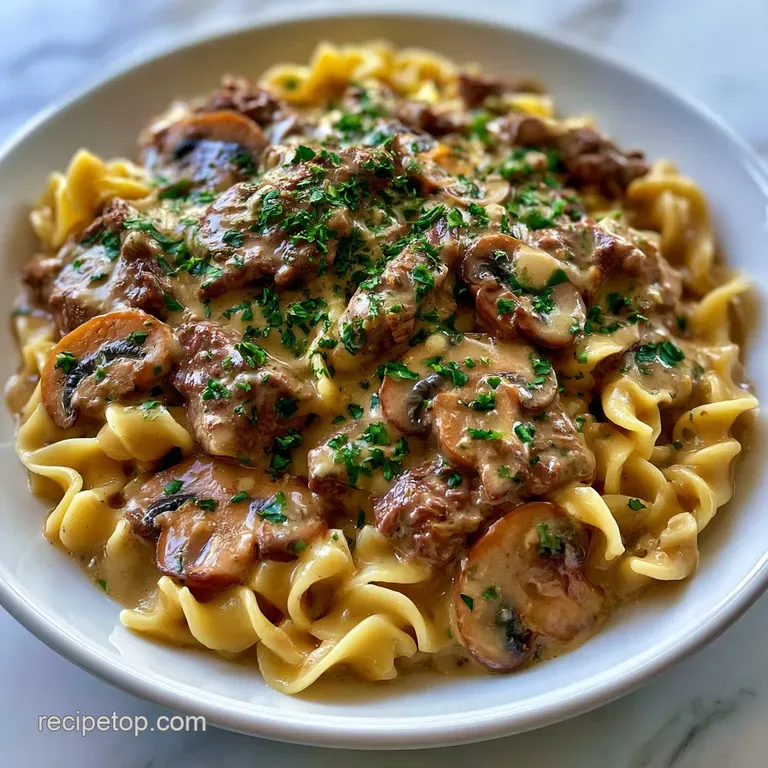
Right then, let's get into the actual cooking. Follow these steps closely, and keep an eye on those sensory cues.
- Boil the noodles. Fill a large pot with salted water and cook the whole grain egg noodles according to the package. Drain them just before the sauce is finished to avoid them getting mushy.
- Sear the beef. Heat olive oil in your skillet over medium high heat. Add beef strips in a single layer. Cook for 1-2 minutes per side until a deep brown crust forms. Remove the meat to a plate immediately. Note: Do not overcook here, as the beef will return to the pan later.
- Sauté the vegetables. In the same skillet, add sliced mushrooms. Sauté until they release their moisture and turn golden brown. Add the onion and garlic, cooking for 3 minutes until they are translucent and smell fragrant.
- Create the roux. Sprinkle the flour over the mushrooms and onions. Stir for 1 minute until the flour smells slightly toasted.Note: This removes the raw flour taste from your Beef Stroganoff.
- Deglaze and simmer. Slowly pour in the beef broth, Worcestershire sauce, and Dijon mustard. Use your spoon to scrape up all those brown bits from the bottom. Simmer for 3-5 minutes until the sauce thickens and becomes glossy.
- Finish with creaminess. Turn the heat to low or remove the pan from the burner. Stir in the Greek yogurt until the sauce is smooth and velvety.
- Combine. Return the seared beef and any juices on the plate back into the pan. Toss gently for 1 minute until the beef is warmed through and coated in sauce.
- Serve. Spoon the Beef Stroganoff over the drained noodles.
Precision Checkpoints:
- Searing Temp: The oil should shimmer and almost smoke before adding beef.
- Sauce Thickness: The gravy should coat the back of a spoon without dripping off instantly.
- Beef Texture: The strips should have a firm exterior but remain juicy inside.
Solving Common Problems
Even with a simple Beef Stroganoff, things can occasionally go sideways. Usually, it's a matter of temperature or timing.
Troubleshooting Common Issues
| Issue | Solution |
|---|---|
| Why Your Sauce Curdled | If you see small white clumps in your sauce, the yogurt has split. This happens when dairy is exposed to high heat or extreme acidity too quickly. To prevent this, always remove the pan from the heat |
| Why Your Beef is Tough | Rubbery beef is usually caused by two things: slicing with the grain or overcooking. If you slice parallel to the muscle fibers, you're forcing your teeth to chew through long strands of protein. Alwa |
| Why Your Sauce is Too Thin | If the gravy is more like a soup, you likely didn't cook the flour long enough or the broth didn't simmer down. You can fix this by letting it simmer for another 2 minutes before adding the yogurt, or |
Common Mistakes Checklist:
- ✓ Did you pat the beef dry before searing? (Prevents steaming)
- ✓ Did you slice against the grain? (Ensures tenderness)
- ✓ Did you remove the beef before adding vegetables? (Prevents overcooking)
- ✓ Did you scrape the brown bits off the bottom? (Maximizes flavor)
- ✓ Did you turn off the heat before adding yogurt? (Prevents curdling)
Easy Swaps and Tweaks
Depending on what's in your fridge, you can pivot this Beef Stroganoff into a few different styles. If you're looking for a more comforting side, this pairs beautifully with a Cheesy Hashbrown Casserole for a truly indulgent meal.
Switching to Ground Beef
If you're on a tight budget, you can use ground beef instead of sirloin. The process is similar, but instead of searing strips, brown the meat fully, drain the excess fat, and then proceed with the mushrooms. It changes the texture to be more like a "hamburger helper" style, but the flavors remain authentic.
Utilizing Stew Meat
Stew meat is cheaper but much tougher. You cannot use the 30 minute method with stew meat. Instead, you'll need to brown the meat and then simmer it in the beef broth for 1-2 hours until tender before adding the flour and yogurt.
Making it dairy-free
For a dairy-free version, swap the Greek yogurt for a full fat coconut milk or a cashew based sour cream. The coconut milk adds a slight sweetness, so I recommend adding an extra teaspoon of Dijon mustard to keep the tanginess balanced.
Decision Shortcut:
- If you want a healthier version, use Greek yogurt and whole grain noodles.
- If you want maximum richness, use ribeye steak and full fat sour cream.
- If you want a budget win, use ground beef and serve over white rice.
Myths and Misconceptions
There are a few things people often get wrong when making Beef Stroganoff. Let's clear them up.
Myth: Searing the beef "locks in" the juices. This is a common kitchen tale, but it's not true. Searing creates a crust that adds flavor through browning, but it doesn't create a waterproof seal. Moisture loss happens regardless of how you sear.
The reason we do it is for the taste, not to keep the meat "juicy."
Myth: You must use sour cream for an authentic taste. While sour cream is traditional, Greek yogurt is a fantastic substitute. It provides the same lactic acid tang but with more protein and a cleaner finish.
In a blind taste test, most people can't tell the difference once it's mixed with the beef broth and mustard.
Myth: You need to flour the beef before searing. Some recipes tell you to dredge the meat in flour first. I avoid this because the flour often burns in the hot oil, creating a bitter taste. Adding the flour to the vegetables is a much cleaner way to thicken the sauce without risking burnt flour.
Storage and Reheating
Because Beef Stroganoff contains dairy, you have to be careful with how you handle leftovers.
Fridge Storage: Store the beef and sauce in an airtight container for up to 3 days. I recommend storing the noodles separately; if they sit in the sauce for days, they'll absorb all the liquid and become bloated.
Freezing: I don't recommend freezing this dish. The Greek yogurt and beef broth mixture tends to separate and become grainy when thawed. If you must freeze it, freeze the beef and vegetable base before adding the yogurt, then stir the dairy in after reheating.
Reheating: This is the tricky part. If you microwave it on high, the sauce will likely split. Instead, heat it on the stove over low heat. Add a splash of beef broth or water to loosen the sauce, and stir gently until warmed through. Do not let it reach a boil.
Zero Waste Tips:
- Mushroom Stems: If your mushrooms have woody stems, don't toss them. Throw them into a freezer bag with other veggie scraps to make a homemade vegetable stock later.
- Leftover Sauce: If you have extra sauce but no noodles, it makes an incredible topping for a baked potato or a piece of toasted sourdough.
- Beef Trimmings: Any small scraps of sirloin can be frozen for use in a future stir fry or soup.
Best Side Pairings
While egg noodles are the classic choice, you can really change the vibe of Beef Stroganoff by swapping the base or adding a side.
For a lighter approach, serve this over a bed of steamed cauliflower or sautéed spinach. The acidity of the sauce cuts through the bitterness of the greens perfectly. If you want something more traditional, mashed potatoes provide a velvety bed that catches every drop of the gravy.
If you're looking for a condiment to push the flavors further, a side of Creamy Horseradish Sauce is an absolute game changer. The sharp, nasal heat of the horseradish complements the rich beef and tangy yogurt, adding a layer of sophistication to a simple weeknight meal.
Whether you're serving it to kids who just want "creamy pasta" or adults who appreciate the depth of a good reduction, this Beef Stroganoff is a versatile winner. It's honest, comforting food that doesn't pretend to be something it's not just a great, hearty meal that brings people together.
Trust me, once you nail the sear on that beef, you'll never go back to the bland, boiled versions.
Recipe FAQs
How do you make beef stroganoff easy?
Sear the beef quickly and use a simple flour slurry. This ensures a deep crust without long braising times, keeping the total cook time to 20 minutes.
How do you make lazy stroganoff?
Use thinly sliced sirloin steak and whole grain egg noodles. Searing the meat in a single layer and simmering the sauce for just 3-5 minutes minimizes effort while maintaining flavor.
What is the secret ingredient in stroganoff?
Dijon mustard and Worcestershire sauce. These add a tangy, umami depth that balances the Greek yogurt. If you loved this flavor balance, see how we use similar savory depth in our Massaman curry.
What are common mistakes when making stroganoff?
Overcooking the beef or boiling the dairy. Slicing against the grain prevents toughness, and removing the pan from heat before adding yogurt prevents curdling.
Why is my beef tough?
You likely sliced the meat with the grain. Always slice sirloin perpendicular to the muscle fibers to ensure the beef is tender and easy to chew.
Is it true I can boil the Greek yogurt to thicken the sauce?
No, this is a common misconception. Boiling dairy causes it to split into small white clumps; always stir in yogurt over low heat or after removing the pan from the burner.
Can I freeze Beef Stroganoff?
No, it is not recommended. The Greek yogurt and beef broth mixture typically separates and becomes grainy upon thawing.
Creamy Beef Stroganoff