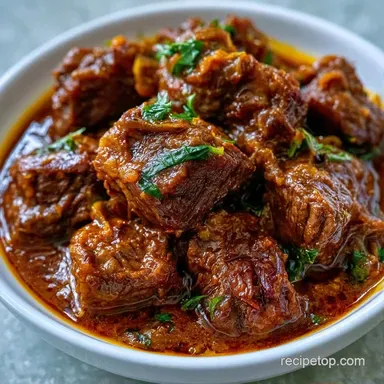
Dutch Oven Beef Stew: Tender and Hearty
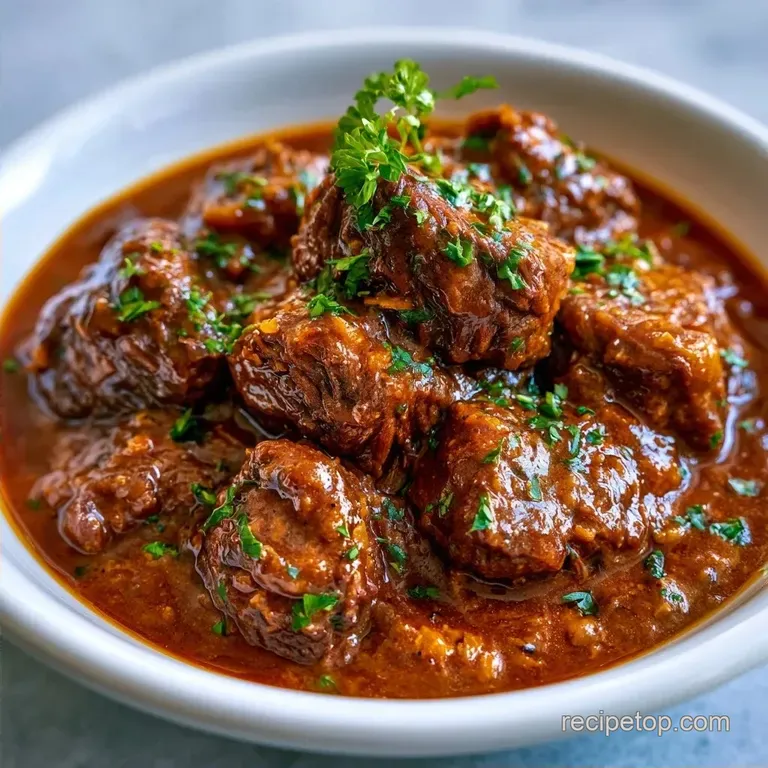
- Time: 30 min active + 180 min cooking
- Flavor/Texture Hook: Fall apart tender beef in a deep mahogany sauce
- Perfect for: Sunday family dinners or meal prep
- Easy Dutch Oven Beef Stew Guide
- Recipe Specs and Timing
- Gear for the Job
- Necessary Ingredients and Swaps
- Step by Step Cooking
- Fixing Common Texture Issues
- Adjusting the Serving Size
- Cooking Myths Debunked
- Storage and Waste Tips
- Serving Suggestions
- Ways to Change It
- Final Thoughts
- High in Sodium
- High in Sodium
- Recipe FAQs
- 📝 Recipe Card
Listen to that sizzle. There is nothing like the sound of beef hitting a hot pot to make a house feel like a home. For years, people have told me that a real beef stew requires you to stand over the stove, stirring every twenty minutes to make sure nothing sticks. Honestly, forget that. It is a waste of your afternoon.
I used to think the stovetop was the only way to get that thick consistency, but I was wrong. Once I started using the oven, the whole process changed. You get the same deep flavor without the stress of a boiling pot threatening to spill over the side.
This homemade Dutch Oven Beef Stew is about working smarter. We do the hard work at the start with a good sear, then we let the oven handle the rest. You end up with meat that gives way at the touch of a fork and a sauce that tastes like it simmered for two days.
Easy Dutch Oven Beef Stew Guide
The trick to a great stew is heat management. When you cook this on a stovetop, the heat only comes from the bottom, which can lead to scorched spots and uneven cooking.
Enveloping Heat: The oven heats the pot from all sides, which means the beef breaks down evenly without you needing to stir it constantly.
Collagen Breakdown: Using a low and slow Dutch Oven Beef Stew approach allows the tough connective tissue in the chuck roast to melt into gelatin. This is what gives the sauce that rich, glossy body.
Moisture Control: A heavy lid keeps the steam inside, so the liquid doesn't evaporate too quickly. This keeps the beef submerged and tender.
| Method | Time | Texture | Best For |
|---|---|---|---|
| Stovetop | 2-3 hrs | Slightly firmer | Quick weeknights |
| Oven | 3+ hrs | Fall apart tender | Weekend comfort |
Recipe Specs and Timing
This is an old fashioned Dutch Oven Beef Stew that feeds a crowd. Because it is a slow braise, the timing is pretty set in stone. If you rush it, the meat stays chewy.
The total time is 210 minutes. You spend about 30 minutes prepping and searing, and the remaining 180 minutes are hands off while the pot sits in the oven. This makes it an easy Dutch Oven Beef Stew for anyone who doesn't want to spend their whole day in the kitchen.
Gear for the Job
Professional equipment isn't necessary, although a few tools are helpful. A 5 to 7 quart cast iron Dutch oven is ideal here, as it retains heat better than any other pot.
I suggest a wide wooden spoon or a silicone spatula for scraping the bottom. You'll also need paper towels to dry the beef, since wet meat won't brown. Use a keen knife to cut the beef into consistent 1.5 inch chunks.
Necessary Ingredients and Swaps
Selecting the right cut of meat is essential for this Dutch Oven Beef Stew. I always recommend beef chuck roast, as its blend of fat and connective tissue allows it to hold up perfectly during three hours of cooking.
Why These Ingredients Work
| Component | Purpose | Substitute Notes |
|---|---|---|
| Beef Chuck | Collagen for body | Stew meat: leaner but can be tougher |
| Red Wine | Acidity and depth | Beef broth + 1 tbsp vinegar: less punchy |
| Tomato Paste | Umami and color | Ketchup: adds sweetness, less depth |
| Beef Broth | Liquid base | Chicken broth: lighter, less savory |
The Shopping List
For the Beef
- 2 lbs beef chuck roast, cut into 1.5 inch chunksWhy this? Ideal fat-to-lean ratio for braising
- 2 tbsp vegetable oil
- 1 tsp kosher salt
- 1/2 tsp black pepper
- 1/4 cup all purpose flour
For the Aromatics
- 3 tbsp unsalted butter
- 1 large yellow onion, diced
- 3 cloves garlic, minced
- 3 large carrots, sliced into thick rounds
- 2 stalks celery, sliced
For the Liquid
- 2 cups beef broth, low sodium
- 1 cup dry red wineWhy this? Balances the heavy flavors of the beef
- 2 tbsp tomato paste
- 2 bay leaves
- 1 tsp dried thyme
- 3 large russet potatoes, cut into 1 inch chunks
Step by step Cooking
Here is how to prepare the dish. Following these directions will ensure a restaurant quality finish.
- Start by preheating your oven to 325°F (160°C). Use paper towels to pat the beef cubes dry, then coat them in flour, salt, and pepper. Note: Drying the meat prevents steaming and ensures a crust.
- Warm vegetable oil in a Dutch oven over medium high heat. Sear the beef in batches until deep mahogany color, then set the meat aside.
- Turn the heat down to medium and melt the butter. Sauté the celery, carrots, and diced onion for 5-7 minutes until onions are translucent.
- Mix in the tomato paste and minced garlic. Sauté for 2 minutes until the paste turns brick red.
- Deglaze the pan with red wine, scraping the browned bits from the bottom. Simmer for 3 minutes.
- Add the thyme, bay leaves, and beef broth. Return the browned beef and any accumulated juices to the pot.
- Stir in the potato chunks, pressing them beneath the surface of the liquid.
- Secure a tight fitting lid and roast in the oven for 2.5 to 3 hours until beef is fork tender.
Fixing Common Texture Issues
Even easy recipes can occasionally run into trouble. Usually, a few minor tweaks are all that's needed.
Sauce is too thin
If the liquid is too runny when the timer goes off, don't worry. Move the pot from the oven back to the stove over medium heat. Let it simmer without the lid for 10-15 minutes; as the water evaporates, the gravy will thicken.
Beef is still tough
If the meat isn't shredding easily, it simply requires more time. Put the lid back on and cook for another 30 minutes. Because meat varies, some beef cuts take longer to break down their collagen.
Potatoes are mushy
This happens when potatoes are cut into pieces that are too small. Stick to 1 inch chunks so they maintain their shape. If you're concerned, you can add the potatoes during the final hour of cooking instead of at the start.
Adjusting the Serving Size
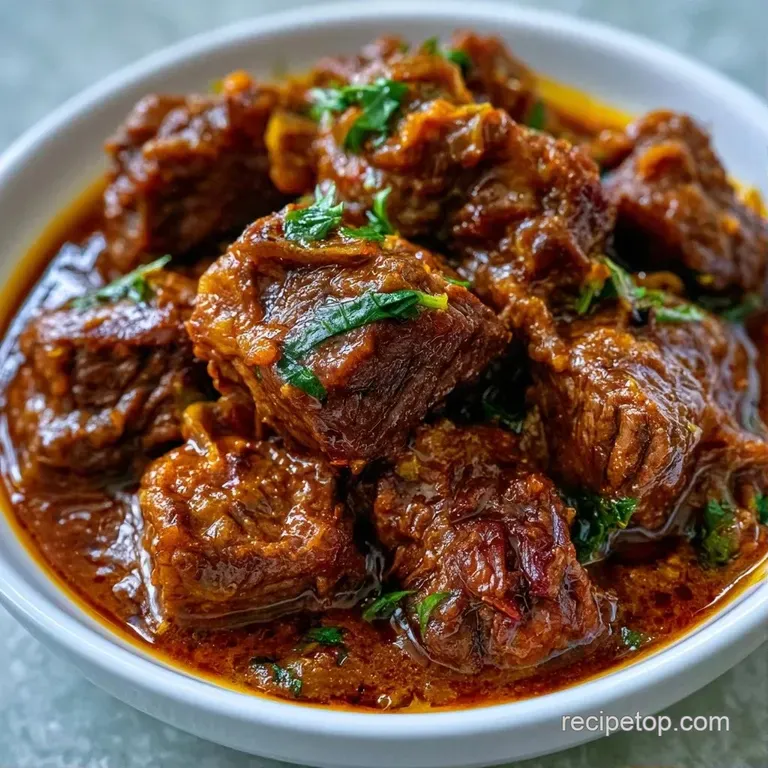
Adjusting the size of your Dutch Oven Beef Stew batch is simple, though you shouldn't simply multiply every ingredient by two.
Scaling Down (Half Batch) Switch to a 3 or 4 quart pot. Because a smaller volume of liquid reaches temperature faster, reduce the oven time by roughly 20%. If you need to halve a single egg or a small amount of thickener, beat it first and then measure half.
Scaling Up (Double Batch) Avoid doubling the salt and thyme. Start with 1.5x these spices and taste before serving. You may reduce the total liquid by about 10%, as larger pots retain moisture more efficiently.
Most importantly, brown the beef in small batches; overcrowding the pan leads to steaming and grey meat instead of a proper sear.
Cooking Myths Debunked
Certain misconceptions often surface when it comes to preparing Dutch Oven Beef Stew.
The most common belief is that searing the beef "seals in the juices." In reality, you lose a small amount of moisture during this step. Searing is actually about flavor; that caramelized brown crust provides the deep, savory notes the dish needs.
Some also believe that expensive meat is necessary for a high-quality result. However, lean cuts such as sirloin tend to become dry and stringy when slow cooked. For this method, cheaper, tougher cuts are actually the superior choice.
Storage and Waste Tips
This dish actually tastes even better the following day, giving the flavors more time to meld together while chilling.
Keep leftovers in a tightly sealed dish in the refrigerator for up to 4 days. It also freezes well for up to 3 months if you need longer storage. When you're ready to eat, reheat it gently on the stove, adding a bit of beef broth or water if the sauce has thickened.
To minimize waste, save vegetable trimmings (carrot peels, celery tops, and onion ends) in a freezer bag. Once the bag is full, simmer them in water for a quick veggie stock. You can also freeze spare beef broth in ice cube trays to use in future pan sauces. Trust me, adding a dollop of horseradish sauce to a warmed bowl makes it feel like a brand new meal.
Serving Suggestions
A hearty meal like this needs a bit of balance. I love serving it in deep bowls with a sprinkle of fresh parsley on top for a pop of color.
You can serve this over a pile of mashed potatoes if you want extra comfort, or a piece of crusty sourdough bread to soak up every drop of the sauce. If you want something different, it goes great with a simple side of steamed green beans or a crisp garden salad to cut through the richness.
Ways to Change It
Depending on what you have in the pantry, you can easily tweak this variation of Dutch Oven Beef Stew.
- Low Carb? → Swap the potatoes for radishes or cauliflower florets.
- No Wine? → Use extra beef broth and a tablespoon of balsamic vinegar.
- Extra Veggies? → Add parsnips or turnips along with the carrots.
If you're in the mood for another hearty meal, you might like my Irish Pasties which use similar savory flavors in a portable crust.
Final Thoughts
Cooking a Dutch Oven Beef Stew doesn't have to be a chore. By using the oven, you get a meal that tastes like it took all day but only required a few minutes of your actual attention. It is a reliable, family friendly way to handle a tough cut of meat and turn it into something special.
Now, go get your pot heating up and enjoy the smell of your kitchen.
High in Sodium
920 mg 920 mg of sodium per serving (40% 40% of daily value)
The American Heart Association recommends a daily sodium limit of no more than 2,300 mg for most adults to maintain heart health.
Tips to Reduce Sodium
-
Swap the Broth-30%
Replace the low-sodium beef broth with water or homemade unsalted beef stock to significantly lower the base sodium level.
-
Reduce Added Salt-25%
Cut the 1 tsp of kosher salt in half or eliminate it entirely, relying on the natural flavors of the beef and vegetables.
-
Choose No-Salt Tomato Paste-20%
Substitute standard tomato paste with no-salt added tomato paste or fresh pureed tomatoes to reduce hidden sodium.
-
Boost Aromatics
Increase the amount of dried thyme or add fresh rosemary and paprika to enhance the savory profile without adding salt.
High in Sodium
920 mg 920 mg of sodium per serving (40% 40% of daily value)
The American Heart Association recommends a limit of 2,300mg of sodium per day for most adults to maintain heart health.
Tips to Reduce Sodium
-
Upgrade Your Broth-30%
Swap the low-sodium beef broth for homemade salt free beef stock or water mixed with a splash of coconut aminos for a deeper flavor.
-
Omit Added Salt-25%
Eliminate the 1 tsp of kosher salt and instead use lemon juice or apple cider vinegar at the end of cooking to brighten the flavors.
-
Switch Tomato Paste-15%
Replace standard tomato paste with a no-salt added version or use fresh pureed tomatoes to lower the sodium content.
-
Boost Aromatics
Increase the amount of dried thyme, black pepper, and garlic to create a rich flavor profile without relying on salt.
Recipe FAQs
How long does beef stew cook in a Dutch oven?
Bake for 2.5 to 3 hours. This duration at 325°F ensures the beef chuck roast becomes fork tender and the sauce thickens naturally.
What makes a Dutch oven ideal for stew?
Heavy walls and a tight lid. These features maintain a consistent temperature and trap moisture, preventing the liquid from evaporating too quickly during the long braise.
Which "secret" ingredient adds depth to this stew?
Tomato paste. Sautéing it until it turns brick red adds a concentrated umami base that richens the overall color and flavor of the beef broth.
How to achieve a rich, dark sauce?
Brown the beef in batches. Searing the meat until it reaches a deep mahogany color creates the Maillard reaction, which provides the foundation for a professional tasting sauce.
Is it true that searing the meat is optional for flavor?
Not true. Skipping the sear removes the caramelized bits from the bottom of the pot, resulting in a pale sauce and a much flatter taste.
Can I substitute red wine for something else?
Use extra beef broth or a splash of vinegar. If you prefer a non-alcoholic version, a similar flavor balancing approach is used in our Massaman Curry to create depth without wine.
Why is the beef still tough after cooking?
It needs more time. Beef chuck is a hardworking muscle that requires slow heat to break down connective tissue; simply simmer it for another 30 minutes.
Dutch Oven Beef Stew