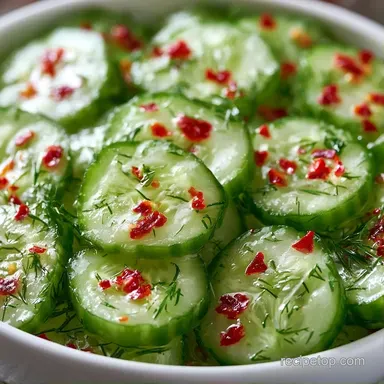
Crunchy Red Pepper Flake Pickles
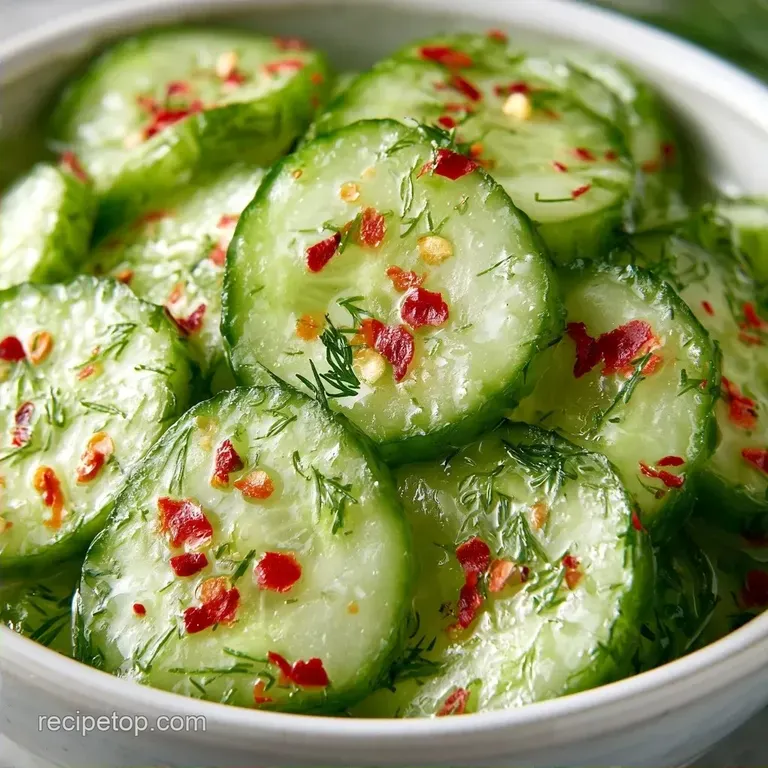
- Time: 15 min active + 24 hours chilling
- Flavor/Texture Hook: Tangy, sharp, and satisfyingly crunchy
- Perfect for: High protein meal prep, sandwich toppers, or a low calorie snack
- Red Pepper Pickles: Quick Spicy Batch
- Quick Recipe Specs
- The Essential Building Blocks
- Necessary Kitchen Gear
- Making Your Spicy Pickles
- Tips for Maximum Crunch
- Fixing Common Issues
- Troubleshooting Common Issues
- Adjusting the Batch Size
- Debunking Pickle Myths
- Storage and Waste
- Fun Flavor Twists
- Great Pairing Ideas
- Recipe FAQs
- 📝 Recipe Card
Red Pepper Pickles: Quick Spicy Batch
The scent of simmering vinegar and smashed garlic hits you the moment the brine boils. I remember making a batch of these on a Sunday afternoon, hoping to have something to brighten up my bland meal prep chicken and quinoa for the week.
I wanted that specific snap that you only get from a fresh pickle, but a heat that lingers just long enough to wake up your taste buds.
These Red Pepper Pickles are about balance. We aren't looking for a heat that burns your tongue, but a glow that complements the cool crunch of the cucumber. By using a high acid brine, we create a snack that is low in calories but high in flavor, making it a great addition to any nutrition focused diet.
You can expect a snack that stays crisp for weeks in the fridge. The process is straightforward, requiring minimal active work, but the 24 hour wait is where the magic happens. The flavors meld, the garlic mellows, and the red pepper flakes infuse every single slice.
Quick Recipe Specs
When you're planning your week, knowing exactly how this fits into your schedule is key. This is a "set it and forget it" kind of project. You spend about 15 minutes in the kitchen, and then the refrigerator does the heavy lifting.
Because we use distilled white vinegar, the acidity level is consistent, which helps in maintaining a stable environment for the vegetables. This makes it a reliable option for those who want a consistent, balanced condiment without the guesswork of fermentation.
The total time includes a full day of chilling. Trust me, if you try to eat them after only two hours, you'll miss out on that deep, spicy penetration. The 24 hour mark is where the flavor profile truly stabilizes.
The Essential Building Blocks
Why the Hot Brine Helps: Hot liquid pushes air out of the cucumber cells. This allows the vinegar and salt to move in faster, speeding up the pickling process.
| Method | Time | Texture | Best For |
|---|---|---|---|
| Hot Brine | 24 hrs | Crisp & Sharp | Rapid flavor infusion |
| Cold Soak | 72 hrs | Softer/Mild | Delicate herbs |
What Each Ingredient Does
| Ingredient | What It Does | Best Swap |
|---|---|---|
| Kirby Cucumber | Provides a firm, thick skin that resists softening | Persian cucumbers |
| White Vinegar | Creates the acidic environment for preservation | Apple cider vinegar |
| Pickling Salt | Draws out moisture without adding minerals that cloud brine | Sea salt |
| Red Pepper Flakes | Adds a controlled, spicy heat | Sliced fresh jalapeños |
Ingredients & Substitutes
- 2 lbs Kirby or Persian cucumbers, sliced into 1/4 inch rounds Why this? Thicker skins prevent the pickles from getting mushy.
- Substitute: English cucumber (Note: seeds are larger, may be softer).
- 4 cloves garlic, smashed Why this? Smashed cloves release more allicin for better flavor.
- Substitute: 1 tsp garlic powder (though fresh is far superior).
- 2 tbsp red pepper flakes Why this? Provides consistent, dried heat throughout the jar.
- Substitute: 1 tbsp crushed red pepper or sliced Thai chilies.
- 4 sprigs fresh dill, stems included Why this? Stems hold a lot of the aromatic oils.
- Substitute: 1 tbsp dried dill weed.
- 2 cups distilled white vinegar Why this? High acidity ensures a clean, sharp tang.
- Substitute: White wine vinegar for a softer acidity.
- 1 cup filtered water Why this? Prevents chlorine taste from affecting the brine.
- Substitute: Distilled water.
- 2 tbsp pickling salt Why this? No additives mean the brine stays clear.
- Substitute: Kosher salt (use slightly more as grains are larger).
- 1 tbsp granulated sugar Why this? Balances the harshness of the vinegar.
- Substitute: Honey or maple syrup for a different sweetness.
Necessary Kitchen Gear
You don't need a fancy lab to make these. A few basic tools will do the trick. I prefer using glass Mason jars because they don't react with the acid in the vinegar, which is vital for maintaining the flavor of your Red Pepper Pickles.
A medium saucepan is necessary for the brine. Make sure it's large enough that it won't boil over when the sugar and salt dissolve. If you're slicing 2 lbs of cucumbers, a sharp chef's knife or a mandoline is your best friend to keep those 1/4 inch rounds consistent.
Finally, have a slotted spoon handy. It makes transferring the aromatics and cucumbers into the jars much cleaner, preventing you from splashing hot brine all over your counters.
Making Your Spicy Pickles
Right then, let's get into the process. The goal here is a tight pack and a hot pour.
- Pack the smashed garlic cloves, red pepper flakes, and fresh dill sprigs into the bottom of two clean Mason jars.
- Divide the sliced cucumbers evenly between the jars, packing them tightly but without crushing the slices to ensure they stay submerged.
- Combine the white vinegar, water, pickling salt, and sugar in a saucepan over medium heat.
- Stir constantly until the salt and sugar are completely dissolved and the liquid reaches a simmer, then remove from heat immediately. Note: Do not let it reach a rolling boil or you'll evaporate too much vinegar.
- Carefully pour the hot brine over the cucumbers, leaving about 1/2 inch of headspace at the top.
- Tap the jars gently on the counter to release any trapped air bubbles.
- Seal the lids tightly and let the jars cool to room temperature.
- Transfer the jars to the refrigerator for 24 hours until the brine is cold and the cucumbers are translucent.
Chef's Note: If you find your cucumbers floating, you can use a glass weight or a folded piece of parchment paper to keep them submerged. Anything exposed to air is a prime spot for spoilage.
Tips for Maximum Crunch
The biggest worry with any Pepper Flake Pickles recipe is the "soggy factor." To avoid this, keep your cucumbers cold until the very second they hit the brine. Cold vegetables have more rigid cell walls.
Another trick is the salt. If you have an extra 30 minutes, toss your sliced cucumbers with a bit of extra salt and let them sit in a colander. This draws out excess water before you add the brine, which means the vinegar can penetrate the cells more efficiently without being diluted by the cucumber's own water.
Finally, check your vinegar. According to the USDA FoodData, the acetic acid content is what preserves the crispness. Use a vinegar with at least 5% acidity to ensure your Red Pepper Pickles stay snappy.
Fixing Common Issues
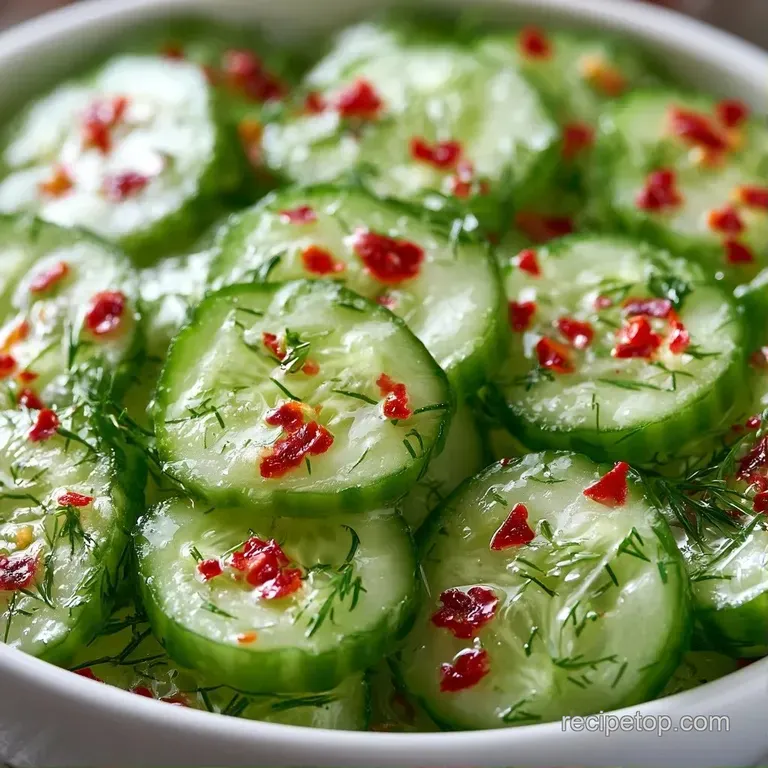
Even with a simple recipe, things can go sideways. Usually, it comes down to temperature or ingredient quality. If your pickles feel soft, it's often because the brine was too hot for too long, or the cucumbers were too ripe.
Troubleshooting Common Issues
| Issue | Solution |
|---|---|
| Why Your Pickles Are Soft | This usually happens if you used a "slicing" cucumber instead of a "pickling" cucumber. Slicing varieties have higher water content and thinner skins, which collapse under the heat of the brine. |
| Why the Heat is Too Low | Red pepper flakes can vary in potency. If your Pepper Flake Pickles aren't hitting the right note, you might have used a mild variety or didn't let them cure long enough. |
| Why the Brine is Cloudy | Cloudiness is typically caused by using table salt instead of pickling salt. Table salt contains anti caking agents that react with the vinegar. |
Adjusting the Batch Size
If you're just making a small snack for yourself, scaling down is easy. For a half batch, use 1 lb of cucumbers and half of everything else. Since you're using less liquid, the brine will reach a simmer faster, so keep a close eye on the pan to avoid over evaporation.
When scaling up to 4x or more, don't just quadruple the red pepper flakes. Spices and heat tend to compound in larger volumes. I recommend starting with 1.5x the spices for every 2x of vegetables, then tasting a sample jar before committing to the full amount.
If you love these and want to try a different style, my homemade pickle recipe offers a more classic approach without the heat. It's a great way to compare how different aromatics change the final profile.
Debunking Pickle Myths
You might hear that you need to boil the cucumbers to make them safe. This is false for refrigerator pickles. The acidity of the vinegar handles the preservation, and boiling the vegetable actually destroys the cell structure, leaving you with a mushy product.
Another common thought is that sugar is only for sweetness. In these Red Pepper Pickles, the sugar acts as a buffer. It doesn't make them "sweet," but it rounds off the sharp edges of the white vinegar, allowing the garlic and pepper to shine.
Storage and Waste
Keep your jars in the coldest part of your fridge. These will stay fresh and crisp for about 4 to 6 weeks. Always use a clean fork to remove the pickles to avoid introducing bacteria into the brine.
Don't toss the leftover brine! It's basically a spicy, acidic goldmine. You can use it as a marinade for grilled chicken or whisk it into a vinaigrette for a zesty salad. If you have cucumber ends that were too small to slice, toss them into the jar anyway they'll still pickle and make great snacks.
Since this is a refrigerator pickle, do not freeze them. Freezing ruptures the cell walls of the cucumber, and once they thaw, they will be completely soft and unappealing.
Fun Flavor Twists
Once you've nailed the base Red Pepper Pickles, you can start playing with the aromatics. I love adding a few peppercorns or a pinch of mustard seed for an extra layer of complexity.
For a different kind of heat, try a "double fire" approach. Use the red pepper flakes for the slow glow, but add two thinly sliced fresh habaneros for an immediate punch. Just be careful the heat will intensify as the pickles sit.
If you want a more balanced, nutrition focused version, add some sliced carrots or cauliflower florets to the jar. They soak up the spicy brine beautifully and add more vitamins to your snack plate.
Great Pairing Ideas
These pickles are the perfect foil for rich, creamy foods. The acidity cuts through fat, which is why they work so well with a side of classic macaroni salad. The tang of the vinegar balances the mayo, while the red pepper adds a necessary kick.
They are also incredible on a turkey sandwich or a burger. Instead of using a generic relish, these sliced Red Pepper Pickles provide a clean, sharp contrast to the savory meat.
For a low carb snack platter, pair them with sharp cheddar cheese, smoked almonds, and some celery sticks. The combination of salt, fat, and acid creates a balanced profile that keeps you satisfied without feeling weighed down.
Recipe FAQs
Can you put red pepper flakes in pickles?
Yes, they add a great kick. Simply pack the red pepper flakes at the bottom of the jar with garlic and dill before adding your sliced cucumbers.
Is it true that crushed red pepper flakes are the same as cayenne pepper?
No, this is a common misconception. Red pepper flakes are crushed dried pods containing seeds, whereas cayenne is a finely ground powder.
How to make spicy pickles at home?
Pack garlic, red pepper flakes, and dill into Mason jars. Fill with sliced cucumbers and pour over a hot simmered brine of white vinegar, water, pickling salt, and sugar.
How to make sweet pickles without canning?
Increase the granulated sugar in the brine. Because these are refrigerator pickles, you can simply seal the lids and store them in the fridge for 24 hours.
Is it true that salting cucumbers before pickling makes them soggy?
No, this is a common misconception. Tossing slices with extra salt for 30 minutes draws out excess water, which helps the vinegar penetrate the cells and actually improves crunch.
How to keep pickles crunchy in the refrigerator?
Keep cucumbers cold until the second they hit the brine. This ensures the cell walls remain rigid, preventing the soggy texture often found in home pickling.
Can the leftover brine be used for other things?
Yes, it works perfectly as a marinade. Use it for grilled chicken or a zesty vinaigrette; if you enjoyed the bold flavor balance here, see how we use a similar profile in our Bang Bang Chicken.
Spicy Red Pepper Pickles 2