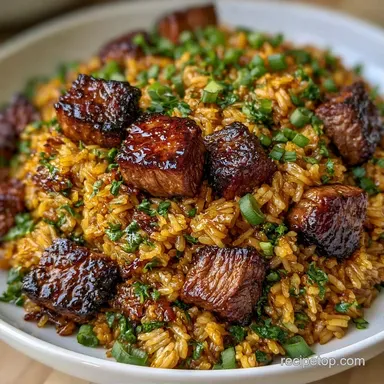
Hibachi Steak Fried Rice: Japanese-American Style
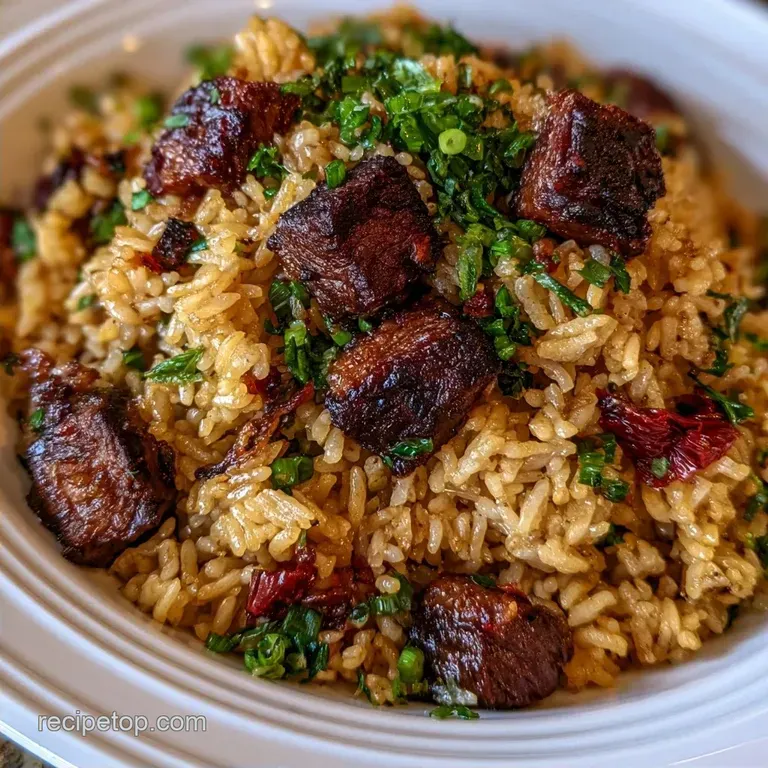
- Time: 10 min active + 15 min cook (requires overnight rice chilling)
- Flavor/Texture Hook: Mahogany seared steak with toasted, separate rice grains
- Perfect for: Quick weeknight dinner or high protein meal prep
The smell of browning butter and soy sauce hitting a hot pan is honestly the best part of the day. I used to think you needed a massive flat top grill to get that specific steakhouse taste, but a heavy cast iron skillet does the job just as well.
You don't need a fancy reservation to get this right. The goal is a dish where the steak is juicy and the rice doesn't clump together into a mushy pile. This Hibachi Steak Fried Rice delivers exactly that without the expensive bill.
We're focusing on high heat and cold ingredients. When you get the timing right, the rice toasts instead of steaming. It's a fast, protein packed meal that feels like a treat but fits into a balanced diet.
Hibachi Steak Fried Rice Specs
This meal balances lean protein from the sirloin with complex textures from the fried rice. Since we use a small amount of butter and soy, the flavors stay clean and savory.
For those watching their macros, the sirloin provides a lean protein base, while the addition of peas and carrots adds a bit of fiber and color. It's a one pan wonder that keeps the cleanup minimal.
| Method | Heat Level | Texture Result |
|---|---|---|
| Stovetop | High | Toasted grains, seared meat |
| Oven | Medium | Softer rice, evenly cooked meat |
What You'll Need
The quality of your rice is the most important part of this Hibachi Steak Fried Rice. Using freshly cooked rice is a mistake because the excess moisture creates a gummy texture.
I prefer long grain white rice, but you can use others if you adjust the cooking time. The butter provides that signature rich taste, while the toasted sesame oil adds a nutty depth at the very end.
| Component | Purpose | Substitute Notes |
|---|---|---|
| Chilled Rice | Prevents clumping | Brown rice: Takes longer to fry, denser bite |
| Sirloin Steak | Lean protein | Ribeye: More fat, richer flavor, higher calories |
| Unsalted Butter | Searing and flavor | Avocado oil: Higher smoke point, less richness |
| Soy Sauce | Salt and color | Tamari: gluten-free option with similar saltiness |
The Full List:
- 1 lb (450g) Sirloin steak, cubed into ½ inch pieces
- 2 tbsp (30ml) Soy sauce (for steak)Why this? Provides the deep mahogany color
- 1 tbsp (15g) Unsalted butter (for steak)
- 1 tsp (5g) Garlic powder
- ½ tsp (3g) Black pepper
- 3 cups (450g) Long grain white rice, cooked and chilled overnightWhy this? Dry grains fry instead of steaming
- 2 tbsp (30g) Unsalted butter (for rice)
- 2 tbsp (30ml) Soy sauce (for rice)
- 1 tbsp (15ml) Toasted sesame oilWhy this? Adds the authentic nutty aroma
- 2 large eggs, lightly beaten
- ½ cup (75g) Frozen peas and carrots, thawed
- ½ cup (50g) White onion, finely diced
- 2 stalks (30g) Green onion, sliced
Equipment Needed
A cast iron skillet is ideal here because of its excellent heat retention. For larger batches, a Blackstone or a big griddle is an even better choice.
You'll also need a heavy-duty spatula. Since you'll be pressing the rice into the pan and tossing steak cubes rapidly, a tool that can handle high heat is essential. A simple mixing bowl for the eggs and a sharp chef's knife for the steak cubes will finish your setup.
Step-by-step Instructions
- Heat a cast iron skillet on high. Check that it's hot enough by seeing if a drop of water dances on the surface.
- Add 1 tablespoon of butter and the cubed sirloin, spreading them in a single layer.
- Sear the steak without moving it for 2 minutes until a mahogany colored crust forms.
- Stir the meat and cook for another 1-2 minutes. During the final 30 seconds, stir in the pepper, garlic powder, and soy sauce.
- Transfer the steak to a plate. Note: This keeps the steak from overcooking while you work on the rice.
- Melt another tablespoon of butter in the same skillet. Sauté the diced onions for 2-3 minutes until they look translucent.
- Stir in the carrots and peas, cooking just until they are heated through and vibrant.
- Move the vegetables to the edges of the pan and pour the beaten eggs into the center. Let them set for 30 seconds, then scramble until velvety and just cooked.
- Crank the heat to maximum. Add the remaining butter and the chilled rice.
- Use your spatula to press the rice into the pan and fry for 3-5 minutes, stirring occasionally until the grains are toasted and separate.
- Drizzle on the soy sauce and toasted sesame oil, tossing rapidly to coat.
- Fold the cooked steak and sliced green onions back in. Toss for 60 seconds until cohesive and steaming.
Pro Tips & Pitfalls
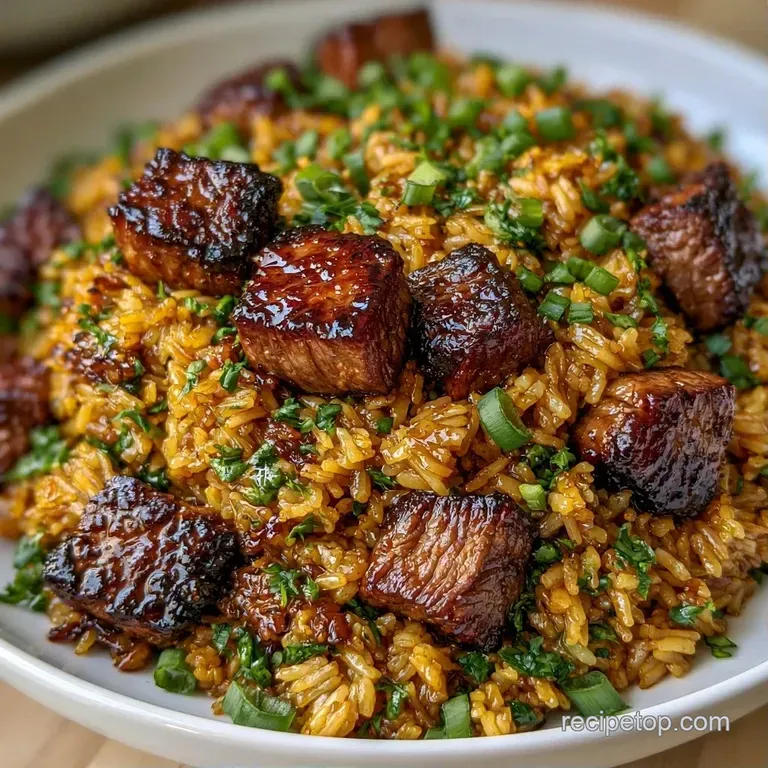
The key to authentic Hibachi Steak Fried Rice is achieving the perfect texture. To avoid a "mushy" result and get that "steakhouse style," you must prioritize moisture control.
Fixing Mushy Rice
Mushiness usually stems from using rice that is too fresh or overcrowding the pan. If the grains start clumping, turn up the heat and let them sit undisturbed for a minute to sear. For future attempts, always refrigerate or freeze your rice for at least 12 hours.
Preventing Tough Steak
Sirloin can become chewy if left in the pan for too long. Remove the beef as soon as it develops a brown crust. Carryover cooking will finish the steak while you fry the rice.
Managing Pan Temperature
If your butter smokes or browns too rapidly, the pan is too hot. Slide it off the burner for 30 seconds before adding more ingredients. Conversely, if the rice isn't toasting, you likely have too much moisture in the pan from the vegetables.
Flavor Variations to Try
For those who want a more complete meal, this Hibachi Steak Fried Rice pairs perfectly with a side of 5 Minute Yum Yum Sauce recipe. The creamy, tangy dressing cuts through the richness of the butter and steak.
If you're feeling adventurous, you can turn this into a Hibachi steak and shrimp fried rice recipe. Just sear the shrimp for 90 seconds per side before you start the onions.
For a different carb base, you can use my Hibachi Noodles method. Just swap the rice for cooked yakisoba or spaghetti noodles, and follow the same over high heat searing process for the steak.
Quick Goal Based Adjustments:
- For more protein: Add an extra egg or increase steak to 1.5 lbs.
- For lower sodium: Use low sodium soy sauce and increase the black pepper.
- For a crispier finish: Add a teaspoon of cornstarch to the soy sauce mixture.
Preservation Secrets
Place any leftover Hibachi Steak Fried Rice in a sealed glass container. It will keep well in the refrigerator for 3 to 4 days.
For the freezer, I suggest dividing the rice into single portions, which last about 2 months. When reheating, try to avoid the microwave; instead, toss the rice into a hot skillet with a bit of butter to bring back the toasted texture.
To minimize waste, save your onion skins and steak trim. Simmer these with water and soy sauce to make a fast pan sauce for other meals. You can also freeze any extra green onion stems in a bag for future stir-fries.
Presentation Tips
This dish looks best when the colors pop. The bright green of the onions and the orange of the carrots should contrast against the dark brown steak.
Serve it in a wide, shallow bowl to keep the rice from steaming itself. Garnish with an extra sprinkle of toasted sesame seeds or a few fresh slices of green onion on top.
If you're serving a crowd, use a large platter and pile the rice high in the center, placing the steak cubes prominently on top. A side of steamed broccoli or zucchini adds a fresh element that balances the meal.
Key Techniques Explained
The secret to a perfect Hibachi Steak Fried Rice lies in how the ingredients interact with temperature.
Cold Rice: Chilling the rice triggers starch retrogradation. This keeps the grains firm and distinct, preventing them from clumping together during the frying process.
High-Heat Searing: Searing the steak at high temperatures develops a caramelized crust, creating a rich, savory depth of flavor that slow-cooking cannot achieve.
Butter Soy Blend: The fats in the butter emulsify with the soy sauce to create a glossy glaze that adheres perfectly to every grain of rice.
Decision Shortcuts:
- For a firmer texture: Freeze the cooked rice for 2 hours before frying.
- For a darker color: Substitute dark soy sauce for regular soy.
- For a lighter meal: Use olive oil instead of butter for the rice.
Recipe FAQs
What is the secret to authentic hibachi fried rice?
Start with day-old, refrigerated rice. Cold grains remain distinct and crisp up more effectively at high temperatures instead of becoming mushy. To apply this high-heat searing technique to another dish, check out our Bang Bang Chicken.
How do I make hibachi steak at home?
Sear cubed sirloin in a hot cast iron skillet with butter. Cook undisturbed for 2 minutes for a mahogany crust, then toss for 1-2 minutes before stirring in soy sauce, garlic powder, and pepper.
Which seasonings create that restaurant-style flavor?
Soy sauce, toasted sesame oil, and butter. These three ingredients provide the essential salty, nutty, and rich profile that defines the dish.
Is it true that freshly cooked rice works best for frying?
No, and here's why. Fresh rice contains too much moisture, which leads to clumping and steaming rather than the toasted texture required for fried rice.
In what order should I cook the steak and rice?
Sear the steak first and remove it from the pan. This prevents the meat from overcooking while you sauté the vegetables and fry the rice in the remaining pan juices.
Hibachi Steak Fried Rice for 4 Servings