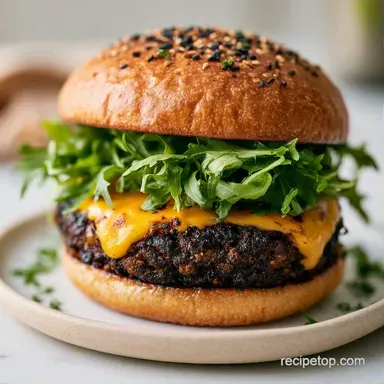
Black Bean Summer Burgers: Hearty and Firm
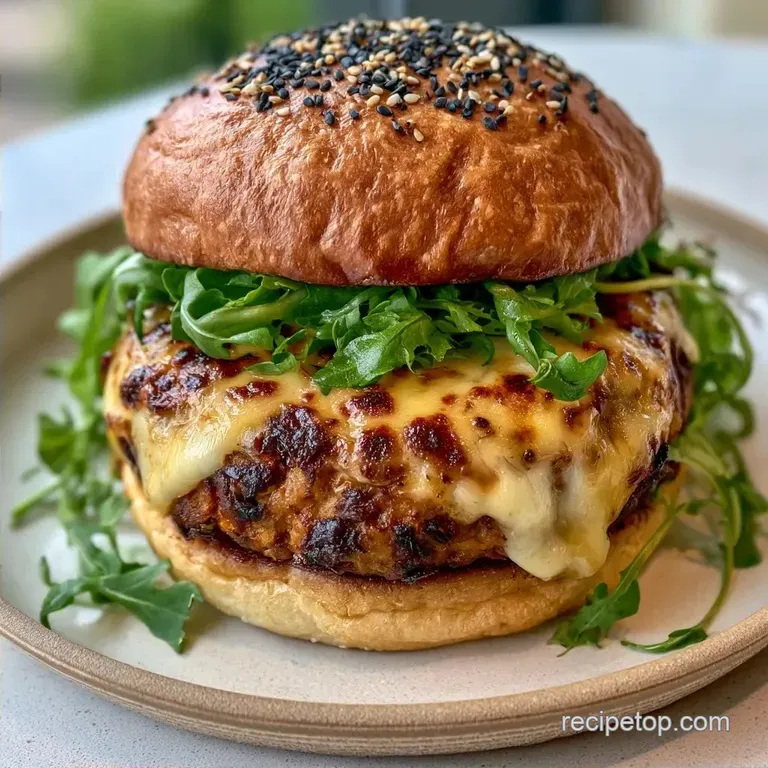
- Time: 10 min active + 10 min cooking = Total 20 mins
- Flavor/Texture Hook: Charred, savory crust with a tender, hearty center
- Perfect for: Weeknight dinners, high protein vegetarian meal prep
- Perfectly Firm Black Bean Burgers
- Solving the Mushy Texture
- Essential Ingredient Breakdown
- Necessary Kitchen Tools
- Detailed Cooking Steps
- Fixing Common Texture Issues
- Troubleshooting Common Issues
- Taste and Flavor Twists
- Adjusting the Batch Size
- Busted Kitchen Beliefs
- Freshness and Storage Tips
- The Best Side Pairings
- Recipe FAQs
- 📝 Recipe Card
That sudden sizzle when the patty hits the hot oil is where the magic happens. I can still smell the smoked paprika and toasted garlic filling the kitchen, which is a huge upgrade from the bland, grey disks most people associate with veggie burgers.
For a long time, I avoided making these because I always ended up with something that felt like a warm bean dip held together by hope.
The real issue with most recipes is the moisture. If you just mash beans and hope for the best, you get a rubbery, soggy mess that slides right out of the bun. I found that the secret isn't adding more flour or breadcrumbs until it's a brick, but rather managing the hydration of the beans and using a protein based binder to create a structural lattice.
This approach turns those Black Bean Burgers into something with actual bite and a velvety interior. We're focusing on a high protein, balanced profile that satisfies without feeling heavy. You'll get a patty that holds its shape and develops a deep, dark crust that mimics the satisfaction of a traditional burger.
Perfectly Firm Black Bean Burgers
The goal here is a balanced texture. We want the patties to be hearty and substantial, but not so dense that they feel like hockey pucks. By using a mix of mashing and folding, we keep some of the whole beans intact, which provides a necessary contrast in the mouthfeel.
When you're assembling these, the toppings are just as important as the patty. The creamy avocado and the peppery bite of arugula cut through the richness of the beans and soy sauce. It transforms the dish from a simple meat substitute into a complete, nutrition focused meal.
Right then, let's get into the specifics of why this version actually holds together. If you've ever had a burger crumble the second you flipped it, you know the frustration. This method eliminates that risk entirely.
Solving the Mushy Texture
The biggest hurdle with veggie patties is preventing them from becoming a paste. Most people over process their beans, which releases too much starch and creates a gluey consistency. We avoid that by keeping some texture in the base.
Moisture Absorption: Panko breadcrumbs act like tiny sponges, soaking up excess liquid from the canned beans and soy sauce. This prevents the interior from steaming instead of searing.
Protein Binding: The egg creates a physical network that locks the beans and aromatics in place. According to USDA FoodData, eggs provide the structural proteins needed to maintain the shape during the temperature shift from pan to plate.
Surface Dehydration: Searing at medium high heat quickly evaporates surface moisture. This allows the sugars in the soy sauce and the starches in the beans to brown, creating a protective, charred shell.
Flavor Depth: Smoked paprika and cumin provide an earthy, charred profile. This tricks the palate into perceiving a "grilled" flavor even when using a stovetop skillet.
| Method | Time | Texture | Best For |
|---|---|---|---|
| Stovetop | 10 mins | Charred and crispy | Maximum flavor and speed |
| Oven | 20 mins | Uniform and softer | Large batches / healthier |
I usually stick to the stovetop because that crust is non negotiable for me. However, if you're feeding a crowd, the oven is a lifesaver. Just remember that you'll miss out on that specific "sizzle" and the resulting deep browning.
Essential Ingredient Breakdown
Every component here serves a specific purpose beyond just taste. We're building a structure that mimics the density of a protein heavy burger while keeping the nutrition profile balanced and plant forward.
| Ingredient | Science Role | Pro Secret |
|---|---|---|
| Black Beans | Bulk & Protein | Rinse thoroughly to remove metallic can taste |
| Panko | Texture Stabilizer | Toasts faster than standard crumbs for more crunch |
| Egg | Structural Binder | Beat well before adding to ensure even distribution |
| Soy Sauce | Umami Booster | Adds salt and deep color for a "meatier" look |
It's all about the balance of wet and dry ingredients. If the mixture feels too wet, it's usually because the beans weren't drained well enough. If it's too dry, the burger will crack. We're aiming for a tacky, dough like consistency that feels secure in your hand.
Necessary Kitchen Tools
You don't need a fancy lab to get this right, but a few specific tools make the process smoother. I've found that using a heavy bottomed skillet is the biggest upgrade you can make.
For the mashing, a sturdy fork is my go to. While a food processor is faster, it's too easy to over blend. If you do use a processor, use the pulse setting. You want "mostly smashed," not "bean smoothie."
A silicone spatula is great for folding in the binders without overworking the mixture. If you over mix once the egg and Panko are in, you can develop a rubbery texture. Just fold until the ingredients are incorporated and the dough feels tacky.
Detailed Cooking Steps
Now, let's get these on the heat. Follow these steps closely, especially the shaping and searing parts, as that's where the texture is won or lost.
- Mash the drained black beans in a bowl using a fork or pulse them in a food processor until mostly smashed but still containing some whole beans for texture. Note: Keeping some whole beans prevents the "mush" factor.
- Stir in the diced onion, garlic, smoked paprika, cumin, salt, and pepper until the mixture looks like a thick, textured paste.
- Fold in the breadcrumbs, egg, and soy sauce. Mix until the dough feels tacky and holds together when squeezed. Note: Don't over mix or the burgers will become dense.
- Divide the mixture into 6 equal portions and form them into disks about 2.5cm thick, pressing firmly to prevent air pockets.
- Heat 2 tbsp of oil in a skillet over medium high heat. Wait until the oil shimmers to ensure the patties don't stick.
- Place patties in the pan and cook for 4-5 minutes per side without pressing down, until a dark golden brown, charred crust develops. Note: Pressing down squeezes out the juices and ruins the texture.
- Remove from heat and let them rest for 2 minutes. This allows the internal proteins to set.
- Assemble the burgers on whole grain buns with sliced avocado, sprouts or baby arugula, and thinly sliced red onion.
Trust me on this: do not flip them too early. If the burger isn't releasing easily from the pan, the crust hasn't formed yet. Wait for that dark brown edge to appear before you even think about the spatula.
Fixing Common Texture Issues
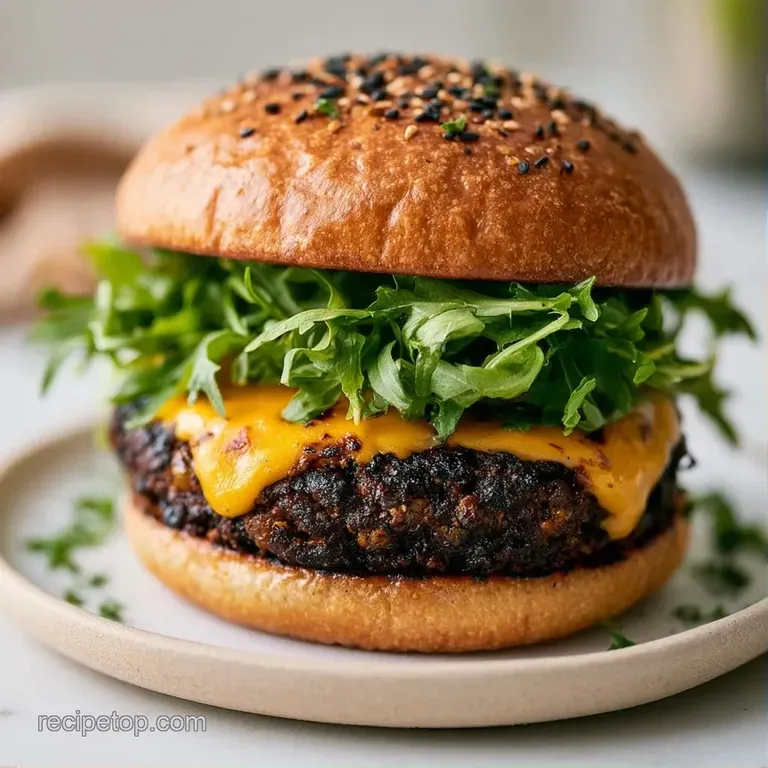
Even with a good recipe, things can go sideways. Most problems with Black Bean Burgers come down to moisture management or heat control.
Troubleshooting Common Issues
| Issue | Solution |
|---|---|
| Why Your Patty Crumbles | This usually happens if the binder didn't integrate or the beans were too dry. If the mixture feels crumbly while shaping, add a teaspoon of water or soy sauce. |
| Why Your Burger Is Mushy | Mushiness is the result of over processing the beans or using a heat that is too low. When the temperature is low, the burger steams in its own moisture instead of searing. |
| Why the Crust Isn't Browning | If your patties look grey, you're likely overcrowding the pan. This drops the temperature instantly, leading to steaming. Cook in batches if necessary to maintain that medium high heat. |
Common Mistakes Checklist
- ✓ Did you drain and rinse the beans thoroughly?
- ✓ Is the oil shimmering before the patties hit the pan?
- ✓ Did you avoid pressing down on the patties with the spatula?
- ✓ Are the patties exactly 2.5cm thick for even cooking?
- ✓ Did you let the burgers rest for 2 mins before serving?
Taste and Flavor Twists
Once you've mastered the base Black Bean Burgers, you can start playing with the flavor profile. The beauty of this recipe is that the base is neutral enough to handle a lot of variation.
Adding a Smoky BBQ Twist
Swap the cumin for a tablespoon of smoked paprika and add a teaspoon of brown sugar to the mix. This creates a caramelized exterior that pairs perfectly with a drizzle of BBQ sauce and a slice of sharp cheddar.
Creating a Spicy Southwest Flare
Fold in some diced pickled jalapeños and a pinch of cayenne pepper. Instead of arugula, use shredded cabbage and a dollop of chipotle mayo to lean into that zesty, spicy vibe.
Making it gluten-free
Simply swap the Panko breadcrumbs for certified gluten-free breadcrumbs or almond flour. Almond flour adds a nice nuttiness and extra protein, though the texture will be slightly denser.
Switching to a Fully Vegan Binder
If you're avoiding eggs, a "flax egg" (1 tbsp ground flaxseed mixed with 3 tbsp water, rested for 5 mins) works well. It provides a similar binding property and adds a subtle nutty flavor.
If you're looking for another high protein option for your meal prep, you might enjoy my Marry Me Salmon recipe for a different kind of balanced dinner.
Adjusting the Batch Size
Scaling this recipe is straightforward, but you have to be careful with the binders. You can't always just double everything and expect the same result.
Scaling Down (Half Batch): When making 3 patties, the egg is the tricky part. I recommend beating one large egg in a small bowl and using exactly half of it. Reduce the cooking time by about 20% if you're using a smaller skillet, as the heat distribution changes.
Scaling Up (Double or Triple Batch): If you're making 12 or 18 patties, don't triple the salt and spices. Start with 1.5x the seasoning and taste a small piece of the mixture (be careful with raw egg) before adding more.
Work in batches in the pan; if you crowd the skillet, the temperature will plummet, and you'll end up with mushy burgers.
Baking Adjustments: If you decide to bake a double batch in the oven, lower the temperature by about 15°C and extend the time. This ensures the middle cooks through without the outside burning.
Busted Kitchen Beliefs
There are a few common misconceptions about veggie burgers that I want to clear up. Some of these are actually what lead to those failures we talked about earlier.
The Food Processor Myth: Many people think a food processor is mandatory for a smooth texture. In reality, over processing is the enemy. A fork gives you much better control over the "chunkiness," which is what makes a burger feel like a burger and not a bean cake.
The "Seal in Juices" Lie: You'll hear people say searing "seals" the meat or beans. It doesn't. Moisture loss happens regardless of how you cook it. The sear is entirely about flavor and texture, creating that charred crust through the browning of proteins and sugars.
The Freezer Fallacy: Some believe that freezing the patties ruins the texture. Actually, freezing them for 30 minutes before cooking can help them hold their shape even better in the pan.
Freshness and Storage Tips
These Black Bean Burgers are great for meal prep because they hold up well in the fridge, provided you store them correctly.
Fridge Storage: Keep cooked patties in an airtight container for up to 4 days. To reheat, avoid the microwave if you can. Use a skillet over medium heat for 2-3 minutes per side to bring back that crispy exterior.
Freezer Guidelines: You can freeze these patties raw or cooked for up to 3 months. If freezing raw, place a piece of parchment paper between each patty so they don't stick together. Thaw them in the fridge overnight before searing.
Zero Waste Tips: Don't throw away the liquid from the canned beans (aquafaba). You can use it as a vegan egg substitute in other recipes or whisk it with a bit of lemon and salt to make a light, frothy topping for your burger.
If you have leftover diced onion or garlic, sauté them and freeze them in ice cube trays for a quick flavor starter for future meals.
The Best Side Pairings
A burger is only as good as its sides. Since these are nutrient dense and earthy, you want sides that provide acidity, crunch, or a hit of freshness to balance the plate.
For something with a bit of a kick, try serving these with a side of mini onion bites. The sharp, crispy onion flavor contrasts beautifully with the creamy avocado on the burger.
If you prefer something more traditional, a crisp slaw with apple cider vinegar and honey is the way to go. The acidity cuts through the richness of the black beans. Another great option is a side of roasted sweet potato wedges seasoned with the same smoked paprika we used in the patties.
For a dipping sauce, you can't go wrong with a spicy sriracha aioli or even a bit of my Summer Garden Tomato Sauce simmered down into a thick relish. The sweetness of the summer tomatoes complements the savory soy and cumin notes.
Right then, you've got everything you need to nail these Black Bean Burgers. Just remember: heat the oil until it shimmers, don't over mash the beans, and for the love of all things tasty, don't flip them too early. Happy cooking!
Recipe FAQs
Why are my black bean burgers mushy?
Avoid over processing the beans and maintain high heat. Over mashing turns the beans into paste, while low heat causes them to steam in their own moisture instead of searing.
Why do my patties crumble while cooking?
Add a teaspoon of water or soy sauce. This usually happens if the binder didn't integrate properly or the beans were too dry during mixing.
Why is the crust not browning?
Stop overcrowding the pan. Adding too many patties at once drops the surface temperature, which prevents a dark golden brown, charred crust from developing.
How to prevent air pockets when shaping the burgers?
Press firmly while forming the mixture into disks about 1 inch thick. This creates a dense structure that holds together better in the skillet.
Is it true I should press down on the patties to cook them faster?
No, this is a common misconception. Pressing the patties releases moisture and prevents the formation of a proper charred crust.
How to get the perfect texture when mashing the beans?
Pulse in a food processor or mash with a fork until mostly smashed but still containing some whole beans. If you enjoyed this textural balance, see how we use a similar base in our black bean salad.
What is the best way to assemble the burger?
Use whole grain buns topped with sliced avocado, sprouts or baby arugula, and thinly sliced red onion.
Hearty Black Bean Burgers