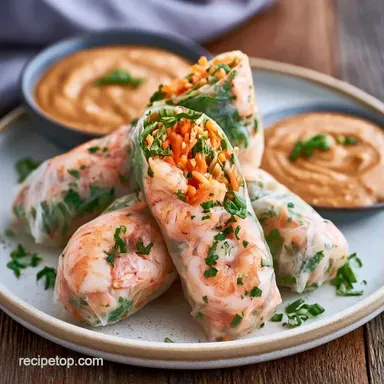
Fresh Vietnamese Spring Rolls: Goi Cuon with Peanut Sauce
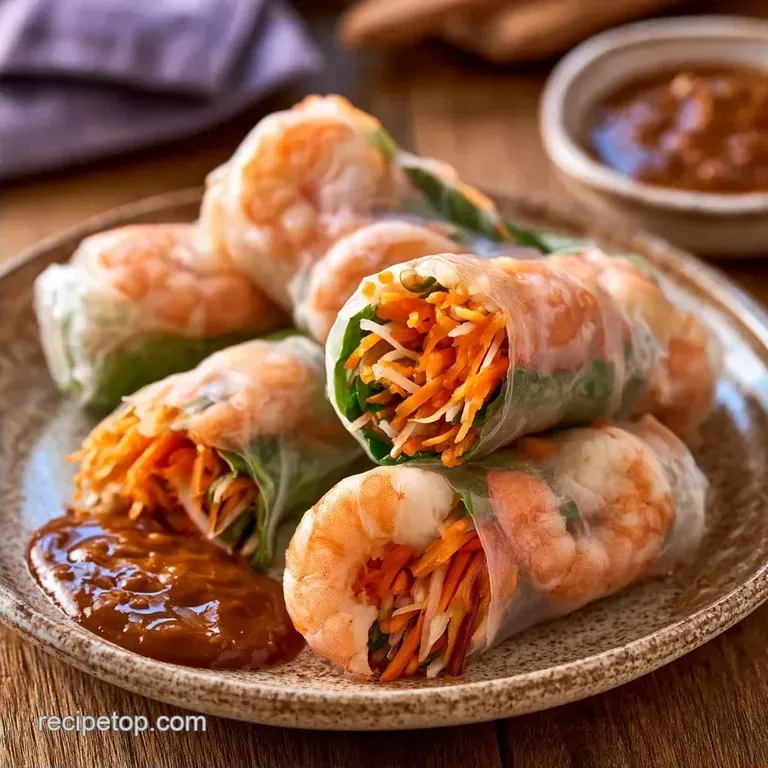
- Time: 20 min active + 10 min cooking
- Flavor/Texture Hook: Crisp, cool vegetables wrapped in a chewy, translucent skin
- Perfect for: Healthy lunch, meal prep, or a light party appetizer
Vietnamese Spring Rolls
The smell of fresh mint and Thai basil always takes me back to the first time I tried to roll these at home. I remember the sheer frustration of my first batch, where I soaked the rice paper for way too long. The result was a sticky, gluey mess that tore the moment I tried to add a single shrimp.
It was a disaster, but it taught me that this dish is all about the timing of the water.
Once I figured out the "dip and drop" method, these Vietnamese Spring Rolls became a staple in my kitchen. They're a win for anyone who wants a meal that feels fancy but requires almost no actual cooking. You get a huge hit of nutrition from the raw carrots and cucumber, balanced by the protein from the pork and shrimp.
Expect a process that's more like an assembly line than a cooking session. The real work is in the chopping and layering. If you keep your ingredients organized, you can whip these up in 30 minutes and have a bright, savory meal that doesn't leave you feeling sluggish.
Why These Rolls Work
- Rice Paper Hydration: Dipping the wrapper for only a few seconds prevents the starch from over gelatinizing. This keeps the wrap chewy and strong instead of mushy.
- Structural Anchoring: Placing the shrimp and pork first creates a solid base. This prevents the lighter vegetables from shifting, which keeps the rolls tight.
- Emulsified Sauce: Using warm water to whisk the peanut butter creates a stable emulsion. This ensures the sauce clings to the rolls rather than separating on the plate.
| Type | Wrapper | Texture | Best For |
|---|---|---|---|
| Fresh | Rice Paper | Chewy, Translucent | Healthy, Light Meals |
| Shortcut | Fried Flour | Crunchy, Golden | Indulgent Appetizers |
| Vegan | Soy based | Soft, Pliable | Plant based diets |
Ingredient Roles
Knowing what each component does helps you adjust the recipe without ruining the balance. For example, the lime juice isn't just for flavor, it's what keeps the peanut sauce from feeling too heavy.
| Ingredient | What It Does | Best Swap |
|---|---|---|
| Rice Paper | gluten-free structure | Soy based wraps |
| Shrimp/Pork | Lean protein base | Firm tofu or tempeh |
| Peanut Butter | Healthy fat & creaminess | Almond or Cashew butter |
| Hoisin Sauce | Sweet/Salty depth | Tamarind paste |
Ingredients and Swaps
Get everything chopped and ready before you touch the water. Rice paper waits for no one, and once it's wet, you have a very short window to get your fillings inside.
- 8 oz (225g) shrimp, peeled and deveined Why this? High protein, low fat, and looks great through the paper. (Swap: Poached scallops)
- 4 oz (115g) pork tenderloin, thinly sliced Why this? Leaner than belly, provides a savory contrast. (Swap: Sliced chicken breast)
- 4 oz (115g) rice vermicelli noodles Why this? Absorbs flavors without adding bulk. (Swap: Glass noodles)
- 9 sheets Vietnamese rice paper wrappers Why this? Traditional, gluten-free, and chewy. (Swap: None for authenticity)
- 2 cups (60g) shredded carrots Why this? Adds crunch and beta carotene. (Swap: Daikon radish)
- 2 cups (50g) sliced cucumber, julienned Why this? High water content for freshness. (Swap: Red bell pepper)
- 3 cups (40g) mixed lettuce Why this? Adds volume and a light crispness. (Swap: Spinach or Arugula)
- 1/2 cup (15g) fresh mint leaves Why this? Essential aromatic lift. (Swap: Thai basil)
- 1/2 cup (15g) fresh Thai basil or cilantro Why this? Deepens the herbal profile. (Swap: Mint)
- 2 tbsp (30ml) warm water (for the wrappers)
For the Vietnamese Spring Roll Dipping Sauce: 1/3 cup (85g) creamy peanut butter Why this? Provides the rich, nutty base. (Swap: Almond butter) 1 tbsp (15ml) hoisin sauce Why this? Adds sweetness and umami. (Swap: BBQ sauce + honey) 1 tbsp
(15ml) soy sauce or fish sauce Why this? Provides necessary salinity. (Swap: Coconut aminos) 1 tbsp (15ml) fresh lime juice Why this? Cuts through the fat. (Swap: Rice vinegar) 1 tsp (5ml) sriracha or chili garlic sauce Why this?
Adds a mild heat. (Swap: Sambal oelek) 3 tbsp (45ml) warm water Why this? Adjusts the viscosity. (Swap: None) 1 tsp (5g) crushed peanuts (for garnish)
Rolling Your Rolls
Follow these steps closely to avoid the dreaded "torn wrapper" syndrome. If you're new to this, don't worry if your first two rolls look a bit lumpy. It's all about the muscle memory.
Phase 1: Preparing the Fillings
- Bring a small pot of water to a simmer. Poach the shrimp and thinly sliced pork tenderloin for 2-3 minutes until the shrimp are opaque and pork is cooked through. Note: Don't overcook them or they'll become rubbery.
- Drain the proteins and let them cool completely. This prevents the rice paper from steaming and tearing from the inside.
Phase 2: Whisking the Peanut Sauce
- In a small bowl, whisk together peanut butter, hoisin sauce, soy or fish sauce, lime juice, and sriracha.
- Gradually add 3 tbsp of warm water and whisk until a smooth emulsion forms. If it's too thick to pour, add one more teaspoon of water at a time.
Phase 3: The Rolling Technique
- Fill a wide shallow bowl with lukewarm water. Dip one sheet of rice paper for 2-3 seconds until it's pliable but still feels slightly firm. Note: It will continue to soften on your work surface.
- Lay the rice paper flat on a clean damp board. Place 2-3 poached shrimp and a few slices of pork in the center to create a structural anchor.
- Layer shredded carrots, julienned cucumber, mixed lettuce, mint, and Thai basil/cilantro over the proteins. Keep the pile narrow so the roll doesn't bulge.
- Fold the sides of the rice paper inward over the filling. Roll tightly from the bottom up until the seam is sealed.
- Repeat for the remaining sheets. Serve the Vietnamese Spring Rolls fresh with the peanut sauce on the side, garnished with crushed peanuts.
Chef's Note: If you want the shrimp to be clearly visible, slice them in half lengthwise. Lay the pink side down on the rice paper first so they show through the translucent skin.
Fix Common Roll Issues
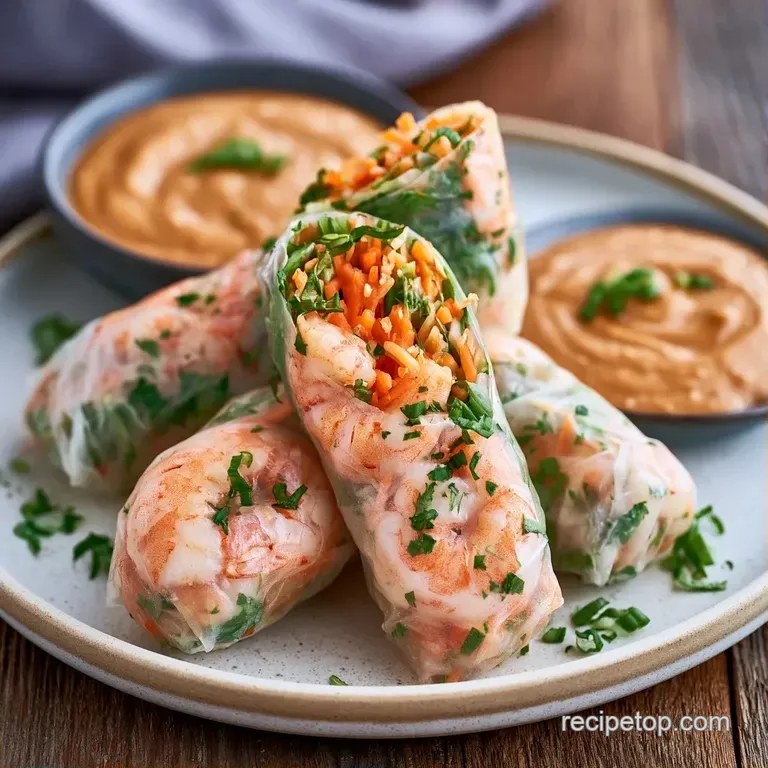
Even experienced cooks deal with rice paper tantrums. Most issues come down to water temperature or filling volume. According to guides on Serious Eats, the starch in rice paper reacts quickly to moisture, which is why precision is key.
Troubleshooting Common Issues
| Issue | Solution |
|---|---|
| Rice paper tearing | Tearing usually happens because the paper was over saturated or the filling was too wet. If the paper is too soft, it loses its structural integrity. |
| Why are my rolls sticking together | Rice paper is naturally tacky. If you stack the Vietnamese Spring Rolls on top of each other, they will fuse into one giant mass. |
| Why is the filling falling out | This is a layering problem. If you put the lettuce and herbs at the bottom, they create a "slippery" base. |
Changing the Batch Size
Adjusting the quantity of Vietnamese Spring Rolls is straightforward, but the physics of the sauce and the rolling space change.
Scaling Down (½ Batch): If you're making 4 rolls, reduce all ingredients by half. For the sauce, you can use a small jar and shake it instead of whisking in a bowl.
Since you have fewer items to prep, you can keep the vegetables in the fridge until the very last second to maintain maximum crispness.
Scaling Up (2x-4x Batch): When making 16-32 rolls for a party, don't try to roll them all at once. Rice paper can dry out if they sit too long, or they can get too soggy if they're piled up. Work in batches of 4.
Increase the salt and sriracha in the sauce by only 1.5x rather than doubling, then taste and adjust. You'll need a much larger platter to ensure they don't touch and stick together.
Roll Myths Debunked
Myth 1: You need a bamboo mat to roll. You don't. While mats are used for sushi, Vietnamese Spring Rolls are handled entirely by hand. Your fingers provide the necessary tension to keep the roll tight.
Myth 2: Rice paper must be fully soft before you lay it down. Actually, if the paper is fully soft in the bowl, it's already over soaked. It should feel slightly stiff when it hits the board, then finish softening as you add the fillings.
Myth 3: You have to fry these to make them "real" spring rolls. There's a big difference between Gỏi cuốn (fresh) and Chả giò (fried). Both are authentic, but these fresh Vietnamese Spring Rolls are the standard for a healthy, light meal.
Storage and Waste
These are best eaten immediately, but you can store them for a short time. Store the finished rolls in an airtight container lined with a damp paper towel. They'll stay fresh in the fridge for about 2 days. After that, the rice paper begins to harden or the vegetables release too much water, making the wraps soggy.
Freezing Guide: Do not freeze the assembled rolls. The fresh vegetables will turn to mush upon thawing. However, you can freeze the poached shrimp and pork in a freezer bag for up to 3 months. Just thaw them in the fridge overnight before rolling.
Zero Waste Tips: Don't throw away the carrot tops or the ends of the cucumber. Blend carrot tops with olive oil, garlic, and lemon to make a bright pesto. Cucumber ends can be diced and added to a quick vinegar pickle to serve alongside your rolls.
If you have leftover rice vermicelli, toss them into a stir fry the next day.
Serving Suggestions
These rolls are a protein powerhouse, but they pair well with other bright flavors. If you're hosting a dinner, I suggest serving these alongside a light ginger soy salad. For those who want something with a bit more crunch, you might enjoy my Thai Spring Rolls which offer a fried alternative.
If you're looking for a different way to use wrappers, the Southwest Chicken Egg Rolls are a great fusion twist that uses a different style of wrap and filling.
For a balanced platter, include: A side of pickled daikon and carrots. Extra lime wedges for squeezing over the rolls. Fresh chili slices for those who want more heat than the sauce provides.
When serving, arrange the Vietnamese Spring Rolls in a circle around the peanut sauce bowl. This makes it easy for guests to dip without reaching across the table. Remember to keep the platter chilled until the moment you serve to ensure the vegetables stay snappy.
Recipe FAQs
What are Vietnamese spring rolls made of?
They consist of rice paper wrappers filled with poached shrimp, pork tenderloin, rice vermicelli, carrots, cucumber, lettuce, mint, and Thai basil or cilantro. These are served fresh with a side of peanut sauce.
What is the difference between Chinese and Vietnamese spring rolls?
Vietnamese spring rolls use translucent rice paper and are served fresh. Chinese spring rolls typically use a wheat based wrapper and are deep fried.
Are spring rolls good for diabetics?
Yes, they are generally a good choice. The combination of lean proteins and fresh vegetables is nutrient dense, though those monitoring sugar should be mindful of the hoisin sauce in the dip.
Can I make these spring rolls in advance?
Yes, but only for about two days. Store them in an airtight container lined with a damp paper towel to prevent the rice paper from hardening or becoming too soggy.
Why is my rice paper tearing?
You likely over saturated the paper or used filling that was too wet. Dip the sheet for only a few seconds until pliable but not overly soft.
How to prevent spring rolls from sticking together?
Place the rolls side-by-side rather than stacking them. Rice paper is naturally tacky and will fuse into one mass if layered on top of each other.
Can I make these gluten-free?
Yes, provided you use gluten-free soy sauce or fish sauce. The rice paper and vermicelli noodles are naturally gluten-free.
Fresh Vietnamese Spring Rolls