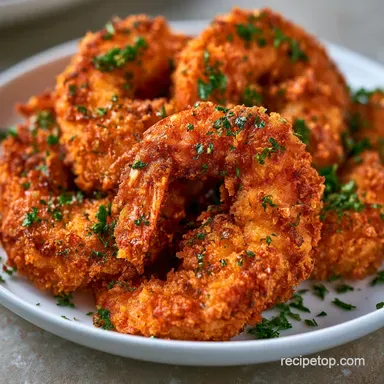
Crispy Baked Shrimp: Golden and Crunchy
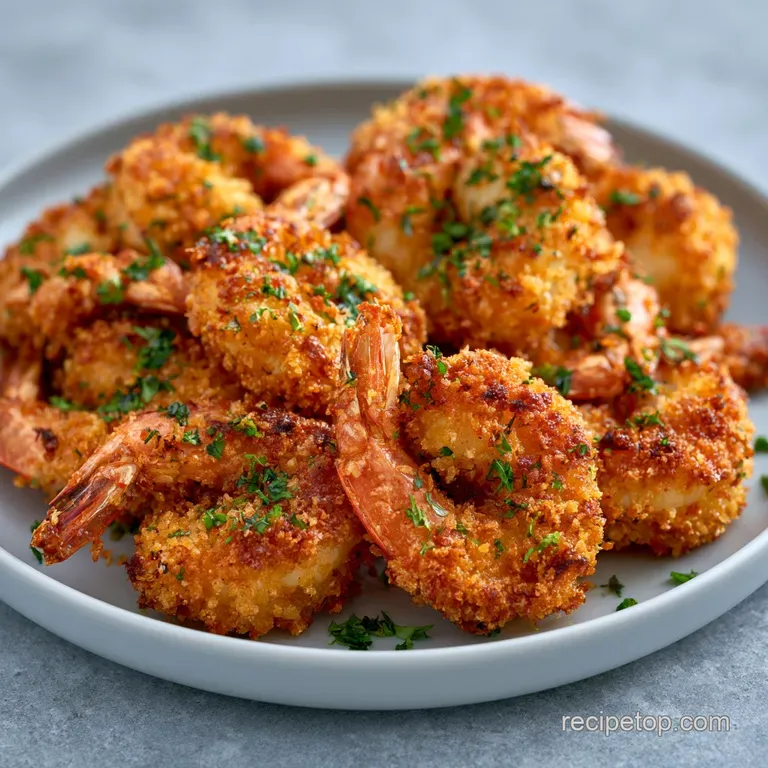
- Time: 10 min active + 15 min cook = 25 min total
- Flavor/Texture Hook: Shatter crisp golden crust with a savory parmesan punch
- Perfect for: Stress free weeknight dinners or a crowd-pleasing appetizer
That specific sound is what I live for: the loud, audible crack when you bite into a piece of shrimp that has been baked just right. It is that moment where the panko gives way to a succulent, snappy center, and you realize you didn't have to spend an hour scrubbing oil splatters off your kitchen backsplash.
I remember one Tuesday night about three years ago when I was desperate for something "fried" but absolutely exhausted. I tried a basic breading method, but the result was a sad, pale shrimp that tasted like wet cardboard.
I spent the next few weeks tinkering with the heat and the breadcrumb ratio until I realized that the oven needs to be scorching and the shrimp need to be bone dry. Once I nailed that, this became my go to for when the family wants a treat but I want my sanity.
You can expect a result that rivals any deep fryer. We are talking about a mahogany colored crust that actually stays crunchy even after a dip in cocktail sauce. This Crispy Baked Shrimp recipe is all about efficiency and a few clever tricks to mimic the texture of oil frying without the mess.
Get Perfect Crispy Baked Shrimp
Right then, let's get into why this actually works. Most people make the mistake of baking shrimp at a moderate temperature, which just steams the seafood and makes the breading mushy. To get that "fried" feel, we need a over high heat environment that evaporates surface moisture instantly.
The combination of panko and parmesan is the real hero here. Panko is a Japanese style breadcrumb that is larger and airier than standard crumbs, which means it has more surface area to crisp up. When you add grated parmesan, the cheese melts and acts like a glue, fusing the crumbs together into a rigid, savory shell.
Since we are using a high heat of 425°F, the shrimp cook in a flash. This prevents them from becoming rubbery. If you are looking for other high impact seafood options, you might like the way my Marry Me Salmon handles rich flavors with a quick cook time.
The Secrets Behind the Crunch:
- Surface Tension: Patting the shrimp dry removes the water layer that usually creates steam and softens the crust.
- Fat Distribution: A light coating of olive oil helps the flour adhere and conducts heat directly into the breading.
- Airflow Gap: Leaving space between the shrimp on the pan allows hot air to circulate 360 degrees, preventing soggy bottoms.
- Protein Set: The high heat causes the shrimp proteins to tighten quickly, locking in the juices before they leak out.
| Method | Time | Texture | Best For |
|---|---|---|---|
| Deep Fried | 3-5 mins | Heavy Crunch | Restaurants/Parties |
| air fried | 8-10 mins | Lightly Crisp | Single Servings |
| Oven Baked | 12-15 mins | Evenly Golden | Family Meals |
The balance of ingredients is what makes this a reliable weeknight win. You don't need fancy additives, just a few pantry staples used in the right order.
The Component Breakdown
| Ingredient | Science Role | Pro Secret |
|---|---|---|
| Panko Crumbs | Structural Crunch | Shake the bag to break up clumps for a smoother coat |
| Parmesan | Flavor & Binding | Use the finely grated kind for better adhesion |
| All Purpose Flour | Primary Anchor | Keep the layer thin to avoid a "cakey" crust |
| Large Eggs | Protein Glue | Beat them until completely smooth to avoid streaks |
The Full Shopping List
For this recipe, we are keeping it simple. Make sure your shrimp are large; small ones tend to overcook before the crust gets that mahogany color we want.
- 1 lb large shrimp, peeled and deveined Why this? Large size prevents overcooking during the over high heat bake
- 1 tbsp olive oil Why this? Acts as a conductor for heat and a base for the flour
- 1/2 tsp kosher salt Why this? Coarser grains provide more even seasoning
- 1/4 tsp black pepper Why this? Adds a subtle warmth to the savory crust
- 1/2 cup all purpose flour Why this? Creates a dry surface for the egg to grip
- 2 large eggs, beaten Why this? The essential bridge between flour and crumbs
- 1 cup panko breadcrumbs Why this? Provides the "shatter" texture
- 1/2 cup grated parmesan cheese Why this? Adds umami and helps the crumbs brown
- 1 tsp garlic powder Why this? Distributes flavor evenly without burning like fresh garlic
- 1/2 tsp paprika Why this? Gives that classic golden red "fried" look
| Original Ingredient | Substitute | Why It Works |
|---|---|---|
| Panko Breadcrumbs | Cornflakes (crushed) | Extreme crunch. Note: Adds a slight sweetness |
| Parmesan Cheese | Pecorino Romano | Similar saltiness. Note: Sharper, tangier flavor profile |
| All Purpose Flour | Almond Flour | Grain free option. Note: Denser coat, slightly nuttier taste |
| Eggs | Flax egg mixture | Vegan binder. Note: Less structural strength, may flake more |
Honestly, don't even bother with low-fat cheese here. The fat in the full fat parmesan is what helps the crust brown and taste like it came from a professional kitchen.
Essential Tools for Breading
You don't need a kitchen full of gadgets for this. A few basic items will do, but the parchment paper is non negotiable. Trust me on this: without it, you'll be scrubbing shrimp proteins off your pan for an hour.
I recommend using three shallow bowls for the dredging station. It keeps the process moving fast and prevents your fingers from getting too messy. If you have a wire cooling rack that fits inside your baking sheet, that's even better for airflow, though a lined sheet works great for most.
For those who love a little more crunch in their meals, you might also enjoy my Bang Bang Chicken Bowl, which uses a similar philosophy of contrasting textures.
Step-by-step Cooking Flow
The key to a flawless result is the prep. If you rush the drying process, the breading will slide right off the shrimp like a wet coat.
- Preheat oven to 425°F (220°C) and line a large rimmed baking sheet with parchment paper. Note: High heat is vital for the "fry" effect.
- Pat the shrimp extremely dry with paper towels. Toss them in a bowl with olive oil, kosher salt, and black pepper. Note: Oil helps the flour stick.
- Set up a dredging station with three shallow bowls: one with all purpose flour, one with beaten eggs, and one with a mixture of panko breadcrumbs, grated parmesan cheese, garlic powder, and paprika.
- Dip each shrimp into the flour, shaking off any excess. Note: Too much flour creates a thick, doughy layer.
- Submerge the floured shrimp into the beaten egg.
- Press the shrimp firmly into the Panko Parmesan blend until fully coated. Note: Press hard so the crumbs embed into the egg.
- Arrange shrimp on the prepared baking sheet, ensuring they are not touching to allow for airflow.
- Bake for 10–12 minutes until the crust is mahogany colored and the shrimp have curled into a 'C' shape and are opaque.
Chef's Note: To get an even more intense crunch, try freezing your butter for 10 minutes and grating it into the panko mix, or simply spray the topped shrimp with a tiny bit of oil spray right before they hit the oven.
Fixing Common Coating Issues
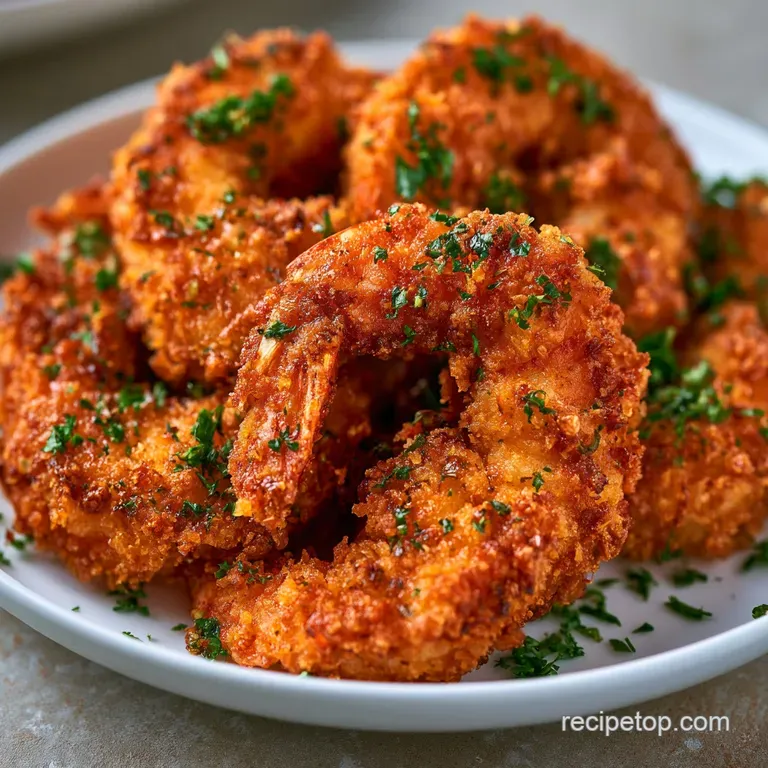
It can be frustrating when you pull a tray out and the breading is peeling or the bottoms are soft. Most of these issues come down to moisture management.
Troubleshooting Common Issues
| Issue | Solution |
|---|---|
| Crust falling off | This usually happens because the shrimp were too wet before the flour hit them. If there's a layer of water, the flour turns into a paste instead of a dry anchor, and the rest of the coating just slid |
| Why are the bottoms soggy | Sogginess is almost always caused by overcrowding. If the shrimp are touching, they trap steam between them, which essentially boils the bottom of the crust. Always leave at least half an inch of spac |
| Why is the shrimp rubbery | Overcooking is the enemy. Shrimp cook incredibly fast at 425°F. As soon as they form that "C" shape, they are done. If they curl into a tight "O," they've been in too long. |
Common Mistakes Checklist
- ✓ Did you pat the shrimp dry with paper towels?
- ✓ Is the oven truly at 425°F before the pan goes in?
- ✓ Did you shake off the excess flour?
- ✓ Are the shrimp spaced apart on the sheet?
- ✓ Did you stop cooking at the 'C' shape?
Adjusting Your Batch Size
If you're just cooking for yourself or hosting a party, you'll need to tweak the flow. Shrimp are sensitive to volume changes in the oven.
For smaller batches (½ or ¼), you can use a smaller pan, but keep the temperature the same. You might find they cook 1-2 minutes faster because there's more room for heat to circulate. If you're using one egg for a small batch, just beat it and use half.
When scaling up (2x-4x), do not try to cram everything onto one tray. Work in batches. If you crowd the pan, you lose the crispiness. Also, be careful with the spices; don't just double the salt and paprika, or it can become overwhelming. Go for 1.5x the seasoning and taste a piece of the coating first.
If you're baking a massive amount, you can lower the temperature by 25°F and extend the time by 2-3 minutes to ensure the middle of the tray gets as much heat as the edges.
Common Kitchen Myths
There's a lot of bad advice out there about oven frying. Let's clear a few things up.
One big misconception is that you need to "sear" the shrimp in a pan before baking to lock in the juices. This is false. Searing just adds more cooking time, which increases the risk of overcooking the shrimp. The over high heat bake does all the work you need.
Another myth is that using more flour makes the crust crunchier. In reality, too much flour creates a thick, doughy barrier that prevents the heat from reaching the shrimp, often resulting in a layer of raw flour between the meat and the crust.
Storage and Zero Waste
If you have leftovers, keep in mind that the "shatter" effect fades in the fridge. Store them in an airtight container with a piece of paper towel at the bottom to absorb excess moisture. They'll stay good for about 3 days.
For reheating, avoid the microwave at all costs. The microwave vibrates water molecules, which will turn your crust into a sponge. Instead, pop them back in a 400°F oven or an air fryer for 3-5 minutes until they sizzle again.
To avoid waste, don't toss the leftover egg wash. You can whisk it into your morning scrambled eggs. If you have leftover panko parmesan mix, it's a great topper for baked pasta or a crunchy coating for zucchini fries. If you're following a similar shrimp scampi vibe, you can find great inspiration from Ina Garten for handling shrimp with elegance.
Great Ways to Serve
This Crispy Baked Shrimp is versatile. I love serving them with a spicy remoulade or a simple squeeze of fresh lemon and a dip of garlic aioli. If you want a full meal, toss them on top of a Caesar salad or slide them into warm corn tortillas for zesty tacos.
For a more formal dinner, pair them with a side of steamed asparagus or a light quinoa salad. The richness of the parmesan crust balances beautifully with something acidic or green.
Right then, you're all set. Just remember: dry shrimp, high heat, and plenty of space on the pan. You've got this!
Recipe FAQs
What is the secret to crispy breaded shrimp?
Patting the shrimp extremely dry. Excess moisture creates steam that softens the breading and causes it to slide off. If you enjoyed mastering this texture control here, see how the same principle works in our mini onion bites.
How do you make shrimp crispy without frying?
Bake them at a high temperature of 425°F (220°C). This intense heat mimics the searing effect of frying to brown the panko and parmesan quickly.
How do you bake breaded shrimp in the oven?
Preheat your oven to 425°F (220°C) and line a baking sheet with parchment paper. Bread the shrimp in flour, egg, and the panko parmesan blend, then bake for 10 12 minutes.
How to get a nice crust on shrimp?
Press the shrimp firmly into the panko parmesan mixture. This ensures the coating adheres tightly and develops a mahogany colored crust in the oven.
Can I use regular breadcrumbs instead of panko?
No, stick with panko. Regular breadcrumbs are too fine and typically result in a denser, less airy crunch.
Why are the bottoms of my baked shrimp soggy?
You likely overcrowded the baking sheet. When shrimp touch, they trap steam between them, which boils the bottom of the crust instead of crisping it.
Is it true that the microwave is the best way to reheat breaded shrimp?
No, this is a common misconception. Microwaves vibrate water molecules, turning the crust into a sponge; use a 400°F oven or air fryer for 3 5 minutes instead.
Crispy Baked Shrimp