Creamy Sausage Pasta Recipe with Spinach
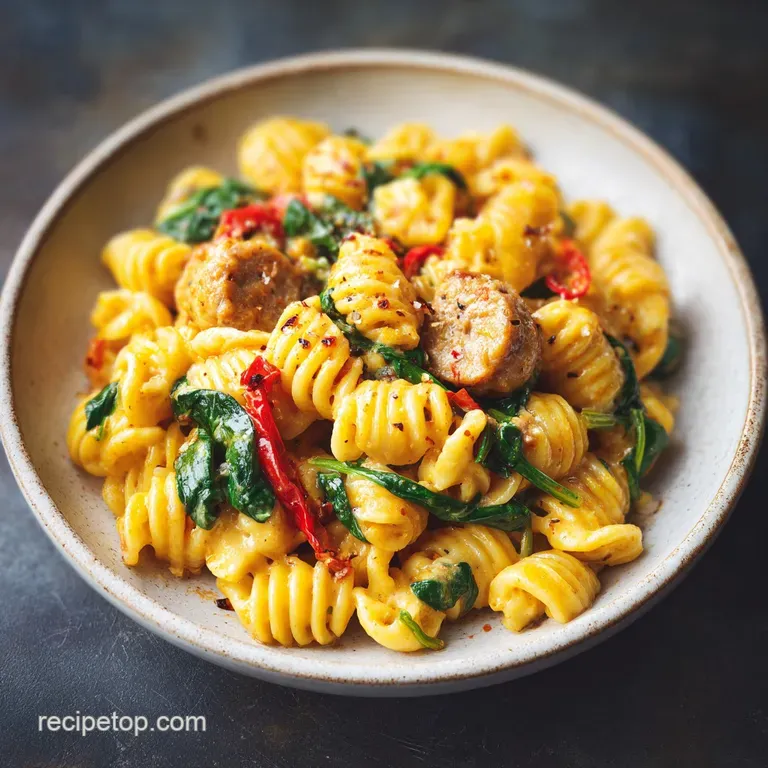
- Time: Active 10 minutes, Passive 15 minutes, Total 25 minutes
- Flavor/Texture Hook: Savory, silky, and slightly spicy with a satisfying pasta bite
- Perfect for: Busy weeknight dinners, budget-friendly meal prep, or beginner cooks
- Master the Creamy Sausage Pasta Recipe with Spinach
- The Physics of the Velvet Sauce Emulsion
- Strategic Ingredient Selection for Budget Friendly Comfort Meals
- Essential Equipment for Achieving Professional Kitchen Results
- Executing the Precise Cooking Sequence for Maximum Texture
- Fixing Common Mistakes for a Flawless Pasta Finish
- Scaling Your Meal Prep for Different Family Sizes
- Debunking Myths About Traditional Cream Based Pasta Sauces
- Effective Storage Solutions and Zero Waste Kitchen Practices
- Simple Presentation Ideas for a Restaurant Quality Look
- Very High in Sodium
- Recipe FAQs
- 📝 Recipe Card
Master the Creamy Sausage Pasta Recipe with Spinach
The first time I attempted a creamy pasta, I ended up with a pool of oil at the bottom of the bowl and pasta that felt like it had been through a car wash. I was so focused on the heavy cream that I ignored the most important ingredient in my kitchen: the pasta water.
Since then, I’ve realized that the secret isn't just about what you add, but how you marry the fats and liquids together. When that hot, starchy water hits the rendered sausage fat and the cream, it creates a transformation that is nothing short of culinary magic.
Picture this: the pork hits the pan and you hear that immediate, aggressive sizzle as the fat begins to render. The smell of toasted fennel and garlic fills your kitchen, and suddenly, that Tuesday night exhaustion starts to fade.
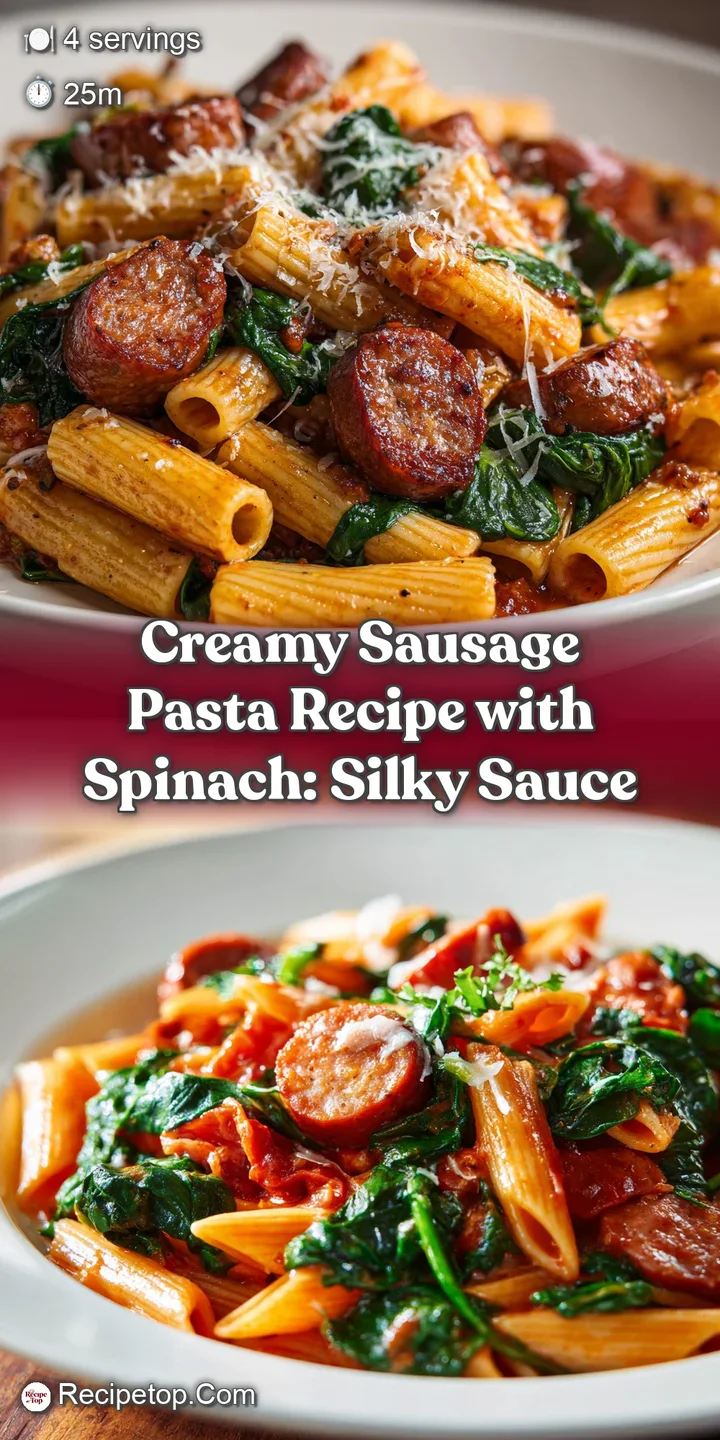
This creamy sausage pasta recipe with spinach delivers delicious comfort food in every bite because it hits every sensory note the crunch of the browned meat, the silky coating on the fusilli, and the fresh, earthy pop of the greens.
It is the kind of meal that makes your family think you spent hours at the stove when you really just mastered a few basic physics principles.
We are going to focus on building layers of flavor without breaking the bank. You don't need expensive artisanal oils or imported cheeses to make this work. By using a single pan for the sauce and protein, we trap every bit of flavor (the "fond") and use it to season our velvet like sauce.
Trust me, once you see how easily this comes together in 25 minutes, you’ll never reach for a jar of pre made Alfredo again.
The Physics of the Velvet Sauce Emulsion
Starch Binding: Pasta water contains released amylose, which acts as a bridge between the water and fat, preventing the sauce from separating into an oily mess.
The Maillard Reaction: Searing the 450g of ground Italian sausage creates complex flavor compounds that dissolve into the cream, deepening the overall savory profile.
Wilting Kinetics: Adding the fresh baby spinach at the very end uses residual heat to break down cell walls without destroying the bright color or fiber.
| Thickness of Meat | Internal Temp | Rest Time | Visual Cue |
|---|---|---|---|
| Small Crumbles | 160°F (71°C) | 2 mins | Deep golden brown edges |
| Medium Chunks | 160°F (71°C) | 3 mins | No pink visible in centers |
| Large Patties | 160°F (71°C) | 5 mins | Juices run clear when pressed |
The key to that signature "shatter" texture in the sausage is making sure your pan is properly preheated before the meat ever touches the surface. If the pan is cold, the meat will steam in its own juices rather than searing, leaving you with grey, rubbery bits instead of those crispy, flavorful nuggets we want.
Always wait for that first wisp of smoke from the oil before you drop the protein in.
Strategic Ingredient Selection for Budget Friendly Comfort Meals
| Ingredient | Science Role | Pro Secret |
|---|---|---|
| 340g Short Pasta | Surface Area Provider | Choose Campanelle; the ruffles trap more sauce than smooth Penne |
| 450g Italian Sausage | Primary Fat Source | Use "Hot" variety to skip extra spices and save on grocery costs |
| 240ml Heavy Cream | Emulsion Stabilizer | High fat content (36%+) prevents the sauce from curdling when boiled |
| 240ml Pasta Water | Thickening Agent | Scoop the water in the last minute of boiling for maximum starch |
For the pasta base, 340g of short pasta like Fusilli or Campanelle is ideal because the twists and ridges act like little cups for the sauce. If you’re out of sausage but still want that richness, my Creamy Sun Dried recipe is a legendary vegetarian alternative that uses similar emulsion techniques.
- - 340g short pasta
- Penne, Fusilli, or Campanelle all work beautifully.
- - 450g ground Italian sausage
- Pork is traditional for the best fat render.
- - 140g fresh baby spinach
- It looks like a lot, but it wilts down to almost nothing.
- - 3 cloves garlic
- Thinly sliced for a mellow, sweet flavor rather than a sharp bite.
- - 240ml heavy cream
- This provides the "velvety" mouthfeel we’re after.
- - 50g grated Parmesan
- The saltiness helps season the entire dish from within.
- - 1 tsp red pepper flakes
- For a gentle heat that cuts through the richness.
- - 240ml reserved pasta water
- Your liquid gold for sauce consistency.
Chef's Tip: Freeze your Parmesan wedge for 10 minutes before grating. It makes the cheese much firmer, allowing you to get those wispy, ethereal strands that melt instantly into the sauce without clumping.
Essential Equipment for Achieving Professional Kitchen Results
You don't need a drawer full of gadgets for this pasta recipe with spinach for delicious comfort food. A heavy bottomed skillet is your best friend here think cast iron or stainless steel.
These materials hold heat much better than thin aluminum, which means your sausage will sear beautifully rather than just turning grey. You'll also need a large pot for the pasta and a reliable colander.
A pair of tongs is surprisingly helpful for tossing the pasta into the sauce. It allows you to lift and swirl the noodles, ensuring every single piece is coated in that creamy goodness. If you use a spoon, you tend to just push the pasta around.
Tongs give you the control of a pro chef, helping you emulsify the sauce through mechanical action as you stir.
Executing the Precise Cooking Sequence for Maximum Texture
- Boil the water. Use a large pot with plenty of salt; it should taste like the sea to season the 340g of pasta from the inside out.
- Sear the sausage. Add the 450g of pork to a hot skillet, breaking it into small crumbles. Note: Don't move it too much at first to get that deep brown crust.
- Cook the pasta. Drop your 340g of short pasta into the boiling water 2 minutes less than the box instructions until it is firm to the bite (al dente).
- Toast the aromatics. Add the 3 sliced garlic cloves and 1 tsp red pepper flakes to the sausage fat until the garlic is fragrant and golden.
- Save the liquid. Before draining, dunk a liquid measuring cup into the pot to retrieve 240ml of the starchy pasta water.
- Deglaze the pan. Pour the 240ml of heavy cream into the skillet with the sausage, scraping up all those brown bits from the bottom.
- Simmer the base. Let the cream bubble for 2 minutes until it starts to slightly thicken.
- Combine the components. Toss the drained pasta into the skillet along with half of the reserved pasta water.
- The final fold. Add the 140g of baby spinach and 50g of Parmesan, tossing constantly until the leaves are wilted and the sauce is glossy.
- Adjust consistency. If the sauce looks too thick, add the remaining pasta water a tablespoon at a time until it reaches a velvety finish.
Fixing Common Mistakes for a Flawless Pasta Finish
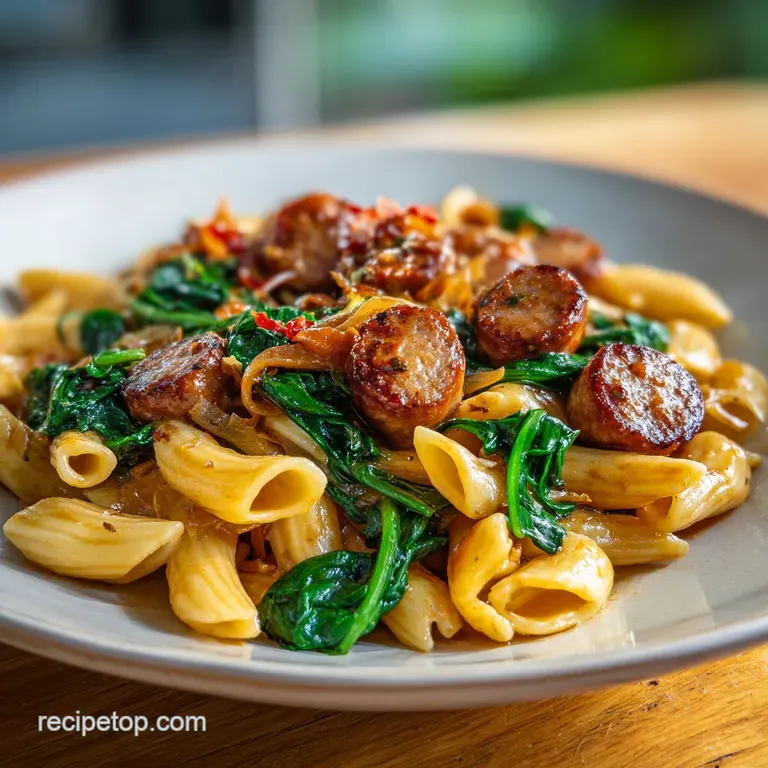
Why Your Sausage Pasta Sauce is Breaking or Oily
If you see yellow oil separating from the white cream, your heat was likely too high or you didn't have enough starch to bind the fat. This usually happens if you boil the cream too aggressively before adding the pasta water. The starch acts as a stabilizer; without it, the fat molecules simply clump together.
| Problem | Root Cause | Solution |
|---|---|---|
| Oily sauce | Sauce overheated | Remove from heat, add 1 tbsp pasta water, and whisk vigorously |
| Bland flavor | Not enough salt in water | Add a pinch of sea salt and extra Parmesan at the end |
| Wilted grey spinach | Spinach cooked too long | Fold in spinach at the very end; the residual heat is enough |
Another common hurdle with this sausage pasta recipe with spinach is mushy pasta. Remember, the pasta continues to cook once it hits the hot cream sauce. If you boil it to "perfectly soft" in the water, it will be overdone by the time it reaches the plate.
Common Mistakes Checklist - ✓ Pat the sausage completely dry with a paper towel before searing to prevent steaming. - ✓ Avoid using pre shredded cheese; the cellulose coating prevents it from melting smoothly. - ✓ Don't rinse the pasta!
You need those surface starches to help the sauce stick. - ✓ Ensure the garlic is sliced, not pressed, to prevent it from burning and becoming bitter. - ✓ Always reserve your pasta water before you tip the pot into the colander.
Scaling Your Meal Prep for Different Family Sizes
When you need to feed a crowd, this pasta recipe with spinach for delicious comfort food scales easily, but you have to be careful with the liquids. If you double the recipe (using 680g of pasta), do not simply double the red pepper flakes or the salt immediately. Spices can become overwhelming when scaled linearly.
Start with 1.5x the spices and adjust at the very end.
For a smaller household, you can easily halve this. When using half an egg in other recipes, it's a pain, but here, you just use half the cream and half the sausage. The cook time remains largely the same, though the sauce will thicken faster in a smaller pan, so keep your pasta water close by! When doubling this for a crowd, keep an eye on your liquid ratios just like we do in my Creamy Garlic Butter recipe.
| Fresh Ingredient | Shortcut Substitute | Why It Works |
|---|---|---|
| Fresh Baby Spinach | Frozen Spinach (thawed/squeezed) | Same nutrient profile. Note: Texture is softer; add earlier. |
| Heavy Cream | Full fat Coconut Milk | Similar fat content. Note: Adds a slight nutty flavor. |
| Italian Sausage | Ground Turkey + Fennel seeds | Leaner protein. Note: Requires more oil for the sear. |
Debunking Myths About Traditional Cream Based Pasta Sauces
A huge myth is that adding oil to the pasta water prevents sticking. In reality, oil just floats on top and then coats the pasta as you drain it, which prevents the sauce from sticking to the noodles! You want the sauce to cling, not slide off. Just use a large pot and stir occasionally to keep the pasta moving.
Another misconception is that you need to cook the spinach for a long time to "soften" it. In this creamy sausage pasta recipe with spinach, the leaves are so delicate that they only need about 60 seconds of contact with the hot sauce.
Overcooking spinach not only ruins the vibrant green look but also releases excess water, which can thin out your carefully emulsified sauce and make it watery.
Effective Storage Solutions and Zero Waste Kitchen Practices
Storage Guidelines: This dish keeps beautifully in the fridge for up to 3 days. However, the pasta will soak up the sauce as it sits. When reheating, add a splash of milk or water to the bowl before microwaving to loosen the sauce back into a creamy state.
I don't recommend freezing this specific recipe, as the heavy cream can take on a grainy texture once thawed and reheated.
Zero Waste Tips: Don't throw away those garlic skins or the stems from the spinach! I keep a "stock bag" in my freezer where I toss all my veggie scraps. Once the bag is full, I boil it with water and some salt to make a quick vegetable broth for soups.
If you have leftover sausage fat in the pan that feels like too much, save it in a small jar in the fridge. It’s basically liquid gold for roasting potatoes the next night.
Simple Presentation Ideas for a Restaurant Quality Look
Plating is where you can really make this sausage and spinach pasta recipe feel like a $30 bistro meal. Instead of just scooping it into a bowl, use your tongs to twirl the pasta into a high mound in the center of the plate. This creates height and makes the portion look more intentional.
Finish with a final dusting of fresh Parmesan and a crack of black pepper. If you have any fresh parsley or even the small, tender leaves from the center of a celery bunch, a little sprinkle of green on top adds a "shatter" of freshness that contrasts with the rich, velvety sauce.
It's these tiny details that turn a quick weeknight meal into a genuine experience. Trust me, the extra 30 seconds of effort is worth the look on everyone's face when you put the bowls down.
Very High in Sodium
1310 mg mg of sodium per serving (57% % of daily value)
The American Heart Association recommends limiting sodium intake to about 2,300mg per day.
Sodium Reduction Tips for Your Pasta Dish
-
Swap Sausage-25%
Italian sausage is a significant source of sodium. Substitute it with fresh ground pork and add your own blend of Italian herbs and spices to control the sodium content. This will drastically reduce sodium while maintaining flavor.
-
Reduce Parmesan-15%
Parmesan cheese is high in sodium. Use half the amount of Parmesan cheese or substitute with a lower sodium cheese option like fresh mozzarella. Alternatively, try nutritional yeast for a cheesy flavor with less sodium.
-
Rinse & Reduce Water-10%
Rinse the cooked pasta thoroughly with fresh water to remove excess starch and some surface sodium. Also, start with less pasta water, and add only enough to achieve the desired sauce consistency.
-
Boost Flavor
Enhance the dish's flavor with fresh herbs and spices like basil, oregano, black pepper, and garlic powder. Experiment with different combinations to create a complex and satisfying taste without relying on salt.
Recipe FAQs
Can I use frozen spinach instead of fresh baby spinach?
Yes, but you must thaw and squeeze out excess water first. Frozen spinach releases significant moisture when heated, which will thin your carefully constructed sauce base if not fully drained.
How to ensure the sauce doesn't separate into oil and liquid?
Reserve and incorporate the starchy pasta water gradually. This starchy liquid is essential for emulsifying the fat from the sausage with the heavy cream, creating a stable, velvety coating.
What is the ideal pasta shape for this creamy recipe?
Use short pasta with ridges, like Fusilli or Campanelle. The twists and crevices capture the creamy sauce and small bits of sausage far better than smooth shapes like spaghetti.
How to make this dish richer if I don't want to use heavy cream?
Use a mixture of half and-half and a tablespoon of cream cheese. If you master the technique of binding fats here, you can achieve great results, similar to the stability we aim for in our Creamy Garlic Butter recipe.
Is it true I must use ground pork sausage?
No, ground turkey or chicken sausage works, but adjust your fat content. If you use a leaner substitute, you may need to add 1-2 tablespoons of olive oil before searing to ensure enough fat renders for the sauce emulsion.
How to store leftovers to maintain sauce texture?
Store separately or add liquid upon reheating. Pasta absorbs sauce rapidly when refrigerated; add a splash of milk or reserved pasta water when microwaving to loosen the sauce back to its original creamy state.
How to properly sear the sausage for the best flavor base?
Preheat your skillet until hot before adding the sausage. The meat must hit a hot surface to sear and brown rather than steam; stir minimally in the first three minutes to allow a flavorful crust to form.
Creamy Sausage Spinach Pasta
Ingredients:
Instructions:
Nutrition Facts:
| Calories | 842 kcal |
|---|---|
| Protein | 31.9 g |
| Fat | 49.1 g |
| Carbs | 67.8 g |
| Fiber | 3.8 g |
| Sugar | 2.9 g |
| Sodium | 1310 mg |
