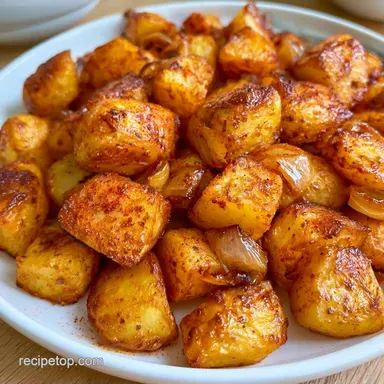
Crispy Campfire Breakfast Potatoes
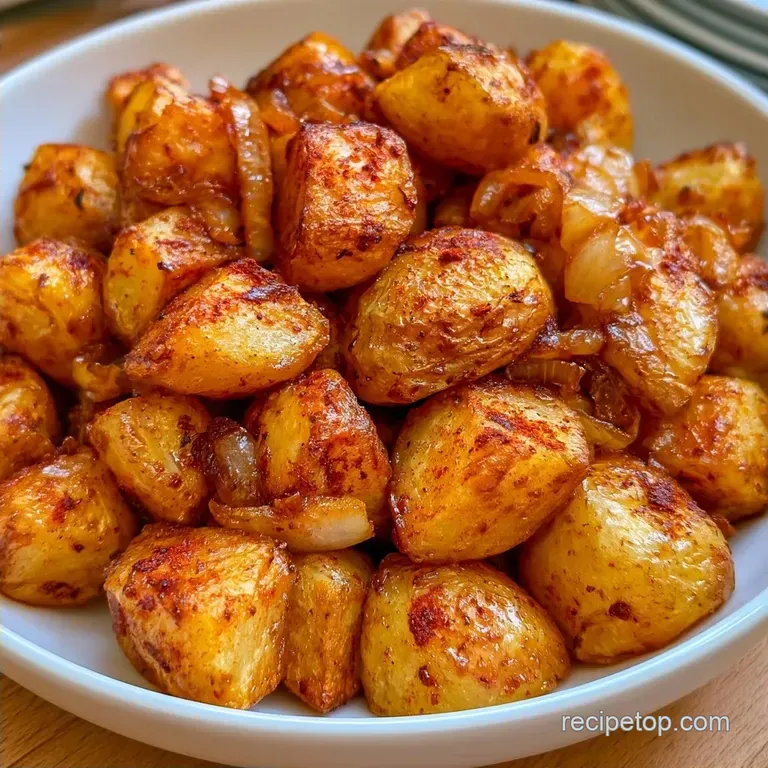
- Time: 15 min active + 30 min cook
- Flavor/Texture Hook: Smoky, salty, and crisp edged
- Perfect for: Group camping trips or outdoor brunch
That smell of woodsmoke and sizzling bacon in the morning is basically the best part of camping. But let's be real, most outdoor potato recipes end up either raw in the middle or charcoal on the outside. I spent a few trips fighting with a cast iron skillet only to realize the fire was too hot for a slow cook.
That's why I switched to foil packets. It's a much easier way to get consistent heat. You aren't fighting a flickering flame, and the cleanup is basically zero because you just toss the foil when you're done.
These Campfire Breakfast Potatoes are a huge win because they're hearty enough to keep you full until dinner. They've got that classic salty hit from the bacon and a bit of a kick from the paprika. Trust me, once you try the foil method, you'll never go back to scrubbing a greasy skillet over a riverbank.
Crispy Campfire Breakfast Potatoes
The Coal Method: Using glowing embers instead of open flames provides steady, radiant heat that cooks the potato through without scorching the skin.
The Steam then Sear: Sealing the foil first traps moisture to soften the potato, then opening it lets the water evaporate so the edges can brown.
The difference between a soggy potato and a crispy one is how you handle the steam. If you keep the foil sealed the whole time, you just get boiled potatoes. Opening them for the last 10 minutes is where the magic happens.
| Method | Time | Texture | Best For |
|---|---|---|---|
| Foil Packets | 30 min | Steam crisped | Low cleanup |
| Cast Iron | 45 min | Deep fried | Maximum crust |
Essential Cooking Gear
Selecting the right foil is crucial. I always opt for heavy duty aluminum foil because the thinner options often rip the moment you move the packets with tongs, sending your potatoes sliding into the ash.
Long handled tongs are essential since you shouldn't hover your hands over 400 degree coals. A large mixing bowl is also useful for combining the ingredients, although you can just mix everything directly in the foil if you want to save a dish.
Choosing the Right Ingredients
Choosing the right potato is key. I recommend Yukon Golds because they maintain their structure while remaining buttery inside. Avoid using Russets, as they often break down and turn into mashed potatoes when wrapped in foil.
What Each Ingredient Does
| Ingredient | Role | If You Don't Have It |
|---|---|---|
| Yukon Gold Potatoes | Core foundation | Red potatoes (sturdier) |
| Smoked Paprika | Smoky depth and hue | Sweet paprika or chili powder |
| Unsalted Butter | Flavor and golden color | Ghee or lard |
| Heavy Duty Foil | Heat distribution | Cast iron skillet (adjust technique) |
And here is the full list for your shopping trip:
- 2 lbs (907g) Yukon Gold potatoes, cubed into ½ inch pieces Why this? Buttery taste and maintains structure
- 1 large (150g) yellow onion, diced Why this? Provides sweetness when caramelized
- 3 cloves (9g) garlic, minced
- 3 tbsp (42g) unsalted butter, melted
- 2 tbsp (30ml) olive oil Why this? Prevents the butter from scorching
- 1 tsp (6g) smoked paprika
- 1 tsp (6g) kosher salt
- ½ tsp (3g) cracked black pepper
- 6 oz (170g) thick cut bacon, precooked and chopped
- 1 cup (113g) sharp cheddar cheese, shredded
- 2 tbsp (8g) fresh chives, chopped
| Original Ingredient | Substitute | Why It Works |
|---|---|---|
| Sharp Cheddar | Pepper Jack | Melts similarly. Note: Adds a bit of heat |
| Olive Oil | Avocado Oil | Better heat tolerance. Note: More neutral taste |
| Yukon Gold | Red Potatoes | Similar starch content. Note: Keeps its shape well |
Quick Timing and Yield
This recipe feeds a decent sized group, making it ideal for a camping site. The total time is 45 minutes, but most of that is just waiting for the coals to do the work.
- Prep time: 15 minutes
- Cook time: 30 minutes
- Total time: 45 minutes
- Yield: 8 servings
Cooking the Potatoes
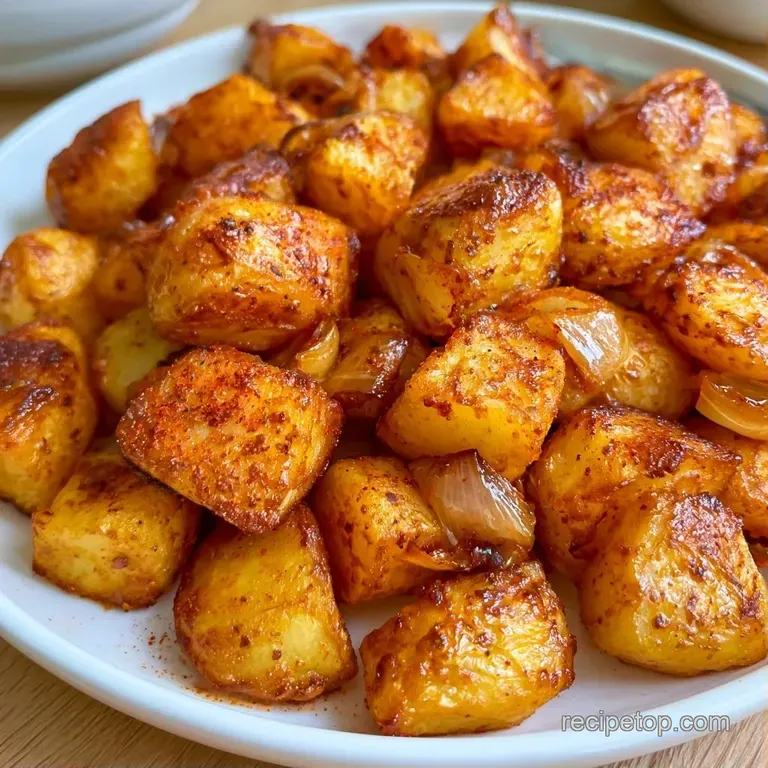
Time to get started. The goal is to ensure every potato cube is thoroughly coated in fat, which is the secret to achieving that golden color.
Potato Prep
In a large bowl, combine the cubed potatoes and diced onions with the melted butter, olive oil, smoked paprika, salt, and pepper. Stir everything until every piece is glistening. This layer of oil prevents the potatoes from sticking to the foil.
Foil Packing
Divide the mixture among four large squares of heavy duty foil. Top each portion with the precooked bacon. Fold up the sides and seal the edges, leaving a small vent at the top. This gap allows the initial burst of steam to escape, preventing the packets from bursting.
Coal Management
Find a spot of glowing red coals. Steer clear of active orange flames, as they will char the foil too quickly. Place the packets directly onto the embers.
The Final Sear
Cook for 20 minutes, then flip the packets using tongs. Open the top of each pack and press the potatoes down. Let them sear uncovered for 10 minutes until the cheese is bubbly and the edges are crisp. Garnish with fresh chives just before serving.
Pro Tip: When using a campfire, stay mindful of the wind. A strong breeze can concentrate heat on one side of the packet, so rotate them every few minutes.
Fixing Common Problems
Even with a plan, campfires are unpredictable. The main issue is usually the heat source. If your coals are too cool, you'll just have steamed potatoes. If they're too hot, the foil can actually scorch the food.
Raw Centers
If the edges are brown but the middle is hard, your heat is too high. Next time, double wrap the foil to create an insulating layer, or move the packets to the edge of the coal bed.
Preventing Burn
When the potatoes start to smell like they're charring, lift the packets immediately. You can move them to a cooler spot of ash to let them finish slowly.
| Problem | Fix |
|---|---|
| Raw middle | Move to hotter coals or double wrap foil |
| Burnt bottom | Lift packets or move to ash edge |
| Soggy texture | Open foil 10 mins earlier to vent |
If you're looking for something even heartier, you might like my Campfire Breakfast Hash which uses a similar base but adds more veg.
Storage and Zero Waste
You likely won't have any Campfire Breakfast Potatoes remaining, but if you do, keep them in a tight fitting container in the fridge or cooler for up to 3 days.
When reheating, try to skip the microwave. Instead, heat them in a skillet with a touch of butter over medium heat for 5 minutes. This restores the crispy texture that microwaves often ruin.
To reduce waste, save your potato peels if preparing at home. Simply toss them with salt and oil, then roast them in the oven for a quick snack. Similarly, any remaining onion pieces are great additions to a campfire stew.
Simple Flavor Variations
You can easily tweak this recipe depending on what's in your cooler. If you want something more portable, these potatoes fit great inside Campfire Breakfast Burritos.
Making it "Loaded"
Add diced jalapeños and a dollop of sour cream after the potatoes come off the fire. This turns the dish into a loaded potato feast.
Switching the Protein
Instead of bacon, try diced smoked sausage or chorizo. These hold up well to the high heat of the coals and add a deep, spicy flavor to the potatoes.
A Healthy Twist
Swap the butter for extra olive oil and use a sprinkle of nutritional yeast instead of cheddar for a cheesy flavor without the dairy.
| Goal | What to change |
|---|---|
| Extra Crisp | Open foil 15 mins early |
| Softer Inside | Seal foil completely |
| More Smoke | Add 1/2 tsp liquid smoke |
How to Serve It
The best way to serve Campfire Breakfast Potatoes is straight out of the foil. It keeps them hot and means fewer plates to wash.
I like to put them on a large wooden platter in the center of the table. Pair them with some over easy eggs and a strong cup of coffee. According to USDA FoodData Central, potatoes are a great source of potassium, making them a solid fuel for a day of hiking.
Just remember to let them sit for 2 minutes before diving in. The molten cheese and hot oil can be brutal if you're too impatient. Enjoy your morning in the woods!
Recipe FAQs
How to prep breakfast potatoes for camping?
Toss cubed potatoes and diced onions with melted butter, oil, and spices in a bowl.
Tip: Pack the seasoned mix in a sealed bag to simplify your campsite setup.
How long do potatoes take to cook on a campfire?
Cook for 30 minutes total, with 20 minutes sealed and 10 minutes searing uncovered.
Tip: Use tongs to flip the packets halfway through the sealed cooking phase.
How do you make campfire potatoes?
Wrap the seasoned potatoes and bacon in heavy duty foil packets and set them on hot coals.
Tip: If you liked this foil packet approach, try using the same technique for a campfire hobo dinner.
Is it true that I should boil potatoes before making breakfast potatoes?
Not true. Cubing Yukon Gold potatoes into half inch pieces ensures they cook through in the foil.
Tip: Keep the cubes uniform in size to prevent some pieces from staying raw.
Why do campfire potatoes sometimes turn out mushy?
Trapped steam inside the foil prevents the edges from crisping.
Tip: Leave a small gap at the top of the packet to allow initial steam to escape.
Campfire Breakfast Potatoes