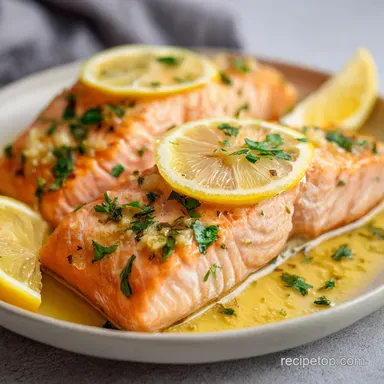
Baked Salmon in Foil: Lemon Garlic Butter
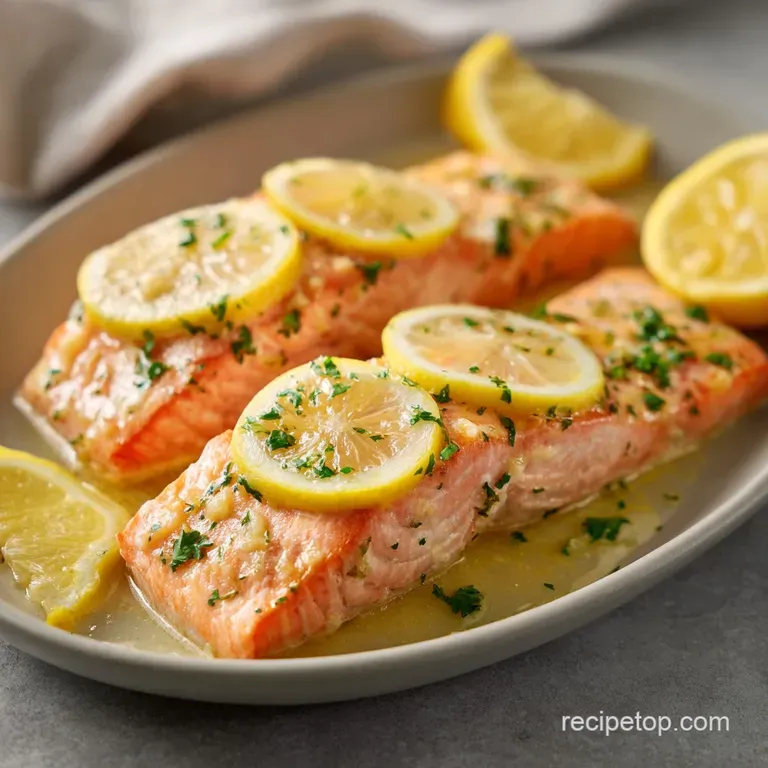
- Time: 5 min active + 15 min cook = 23 min total
- Flavor/Texture Hook: Zesty lemon garlic butter with a flaky, moist finish
- Perfect for: Stress free weeknight dinners and easy cleanup
That specific sound - the soft hiss of steam escaping when you first peel back the foil - is my favorite part of this meal. For the longest time, I struggled with salmon. I’d try to sear it in a pan, but I’d always end up with a piece of fish that had the texture of a dry sponge or, worse, a burnt exterior and a raw center.
It was frustrating because salmon is expensive, and throwing away a fillet because I missed the "window" by two minutes felt like a crime.
Then I started using foil packets. It's a complete shift in how the heat hits the fish. Instead of the harsh, direct heat of a pan, the fish is gently poached in its own juices and butter. This baked salmon in foil approach removes the guesswork. You aren't fighting the pan or worrying about the skin sticking; you're just letting the oven do the heavy lifting while the flavors meld together in a little silver sauna.
The real hero of this dish is the unsalted butter. I've tried using olive oil or margarine, but they just don't have the same magic. Butter acts as a flavor carrier for the garlic and lemon, creating a rich, velvety sauce that coats every flake of the fish.
It prevents the edges from curling and drying out, giving you that luxurious mouthfeel that makes this feel like a restaurant meal without the actual effort.
Easy Baked Salmon in Foil
Right then, let's talk about why this method is so reliable. Most people treat the oven like a giant toaster, but when you use foil, you're actually changing the environment. You're creating a pressurized pocket of moisture.
Steam Lock: The sealed foil traps the water from the lemon juice and the natural moisture of the fish, creating steam that cooks the salmon evenly.
Fat Barrier: The butter creates a layer of insulation, which stops the fish from drying out and helps the garlic infuse directly into the flesh.
Heat Distribution: Because the fish is encased, it avoids the hot spots of the baking sheet, meaning you don't get those weird burnt corners.
Carryover Cooking: The foil holds heat after it leaves the oven, allowing the fish to finish cooking gently during the rest period.
| Selection | Fresh Fillets | Frozen (Thawed) | Impact |
|---|---|---|---|
| Moisture | High | Medium | Fresh is slightly juicier |
| Texture | Firm/Flaky | Softer | Thawed can be more delicate |
| Prep Time | 5 mins | 12+ hours | Frozen requires planning |
Why Most Recipes Fail
The biggest mistake I see is people using thin, cheap foil. If the foil is too thin, it tears when you fold it, and your precious lemon butter sauce leaks out onto the pan. You end up with "dry" salmon because the steam escaped. Always go for the heavy duty stuff.
Another common trip up is ignoring the "rest" time. I used to rip the foil open and plate the fish immediately. But the proteins are still shifting. If you let it sit for 3 minutes, the juices redistribute, and you get that buttery, melt in-your mouth texture instead of a piece of fish that "leaks" all its moisture onto the plate the moment you touch it.
Finally,, some recipes tell you to bake it for 20 or 25 minutes. Trust me on this, that's way too long for a 6oz fillet. Overcooked salmon turns rubbery and loses its flavor. Stick to the 12-15 minute window, and you'll stay in the safety zone.
The Recipe Specs
Before we crack on with the cooking, let's look at what's actually happening with the ingredients. We aren't just throwing things together; each part has a job.
| Ingredient | Science Role | Pro Secret |
|---|---|---|
| Unsalted Butter | Emulsifier/Fat | Use melted butter for even coating |
| Lemon Juice | Acid/Tenderizer | Cuts through the richness of the fish |
| Garlic | Aromatics | Mince finely to avoid bitter chunks |
| Sea Salt | Moisture Draw | Season right before folding to avoid leaching |
For the Salmon Base
You need 4 salmon fillets, about 6 oz each. I prefer center cut fillets because they have a consistent thickness, which means they all finish cooking at the same time. If you have one thick piece and one thin piece, the thin one will be overdone by the time the thick one is ready.
For the Lemon Garlic Butter Salmon Sauce
This is where the magic happens. You'll need 2 tbsp of melted unsalted butter, 3 cloves of minced garlic, 1 tbsp of fresh lemon juice, and 1 tsp of lemon zest. The zest is non negotiable.
The juice gives you the tang, but the zest provides that bright, floral citrus aroma that makes the dish smell like a professional kitchen.
The Essential Ingredients
Here is everything you need to get this on the table. I've kept it budget friendly by using staples you likely already have in your fridge.
- 4 salmon fillets, 6 oz each Why this? Standard size for even 15 minute cooking
- 1/2 tsp sea salt Why this? Enhances natural fish flavors
- 1/4 tsp cracked black pepper Why this? Adds a subtle woody heat
- 2 tbsp unsalted butter, melted Why this? Creates the velvety sauce base
- 3 cloves garlic, minced Why this? Provides a savory, pungent punch
- 1 tbsp fresh lemon juice Why this? Brightens the heavy fats
- 1 tsp lemon zest Why this? Concentrated citrus oils for aroma
- 1 tbsp fresh parsley, chopped Why this? Fresh finish to cut the richness
| Original Ingredient | Substitute | Why It Works |
|---|---|---|
| Unsalted Butter | Olive Oil | Healthy fat. Note: Lacks the creamy richness of butter |
| Fresh Parsley | Dried Dill | Similar herbal profile. Note: Use 1/3 the amount of dried |
| Fresh Lemon | Lime Juice | Similar acidity. Note: Shifts flavor toward a tropical vibe |
| Sea Salt | Kosher Salt | Same function. Note: Adjust quantity based on grain size |
Necessary Kitchen Tools
You don't need a fancy arsenal for this. A few basics will do.
- Heavy Duty Aluminum Foil: This is the most important part. The thick gauge prevents leaks and holds the steam better.
- Rimmed Baking Sheet: The rim is critical. If any butter does leak, you don't want it dripping into the bottom of your oven and causing smoke.
- Small Mixing Bowl: For whisking your sauce.
- Meat Thermometer: If you're nervous about doneness, a digital probe is your best friend.
Step by step Process
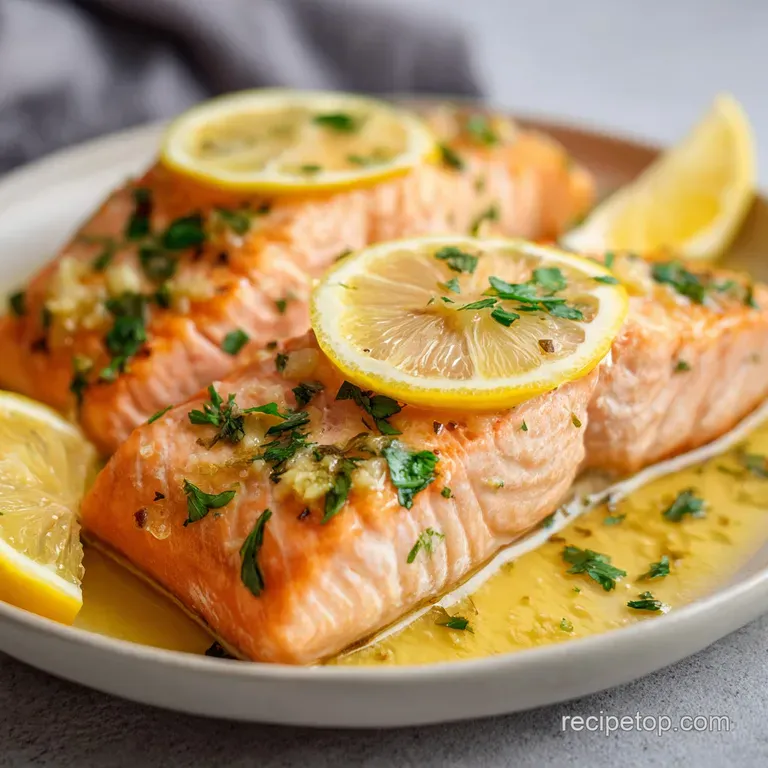
Let's get into the actual making of the baked salmon in foil. Follow these steps closely, and you can't mess it up.
Prepping the Foil
- Tear four large squares of heavy duty aluminum foil and place one salmon fillet in the center of each square. Note: Leave enough room on the sides to fold the edges over.
- Season each fillet evenly with sea salt and cracked black pepper. Note: Don't over salt; the butter will carry the seasoning.
- In a small mixing bowl, whisk together the melted unsalted butter, minced garlic, lemon juice, and lemon zest.
- Drizzle the lemon garlic butter mixture evenly over each salmon fillet and top with a thin slice of fresh lemon.
- Fold the foil edges tightly to create a sealed pouch for each fillet. Note: Ensure there are no gaps where steam can escape.
The Bake
- Place the packets on a large rimmed baking sheet and bake at 400°F (204°C) for 12 to 15 minutes. until the fish is opaque and flakes easily with a fork. According to FDA guidelines, ensuring the fish reaches a safe internal temperature is key for safety.
The Final Rest
- Carefully open the packets and let the salmon rest inside the foil for 3 minutes to allow juices to redistribute before serving. Note: Be careful of the hot steam when opening!
- Garnish with chopped fresh parsley.
Fixing Common Mistakes
Even the best of us hit a snag. If your baked salmon in foil isn't looking right, it's usually a quick fix.
Rubbery Texture
This usually happens when the fish is overcooked. Salmon proteins tighten up and squeeze out moisture when they get too hot. If this happens, you've likely gone past the 15 minute mark. Use a thermometer next time to hit 135-145°F.
Thin Sauce
If your sauce feels more like water than butter, you might have used too much lemon juice or the butter has separated. To fix this in future batches, ensure your butter is fully melted before whisking in the acid.
Torn Foil
When the foil rips, you lose the steam. This leads to uneven cooking. If it happens mid bake, you can try to patch it with a small piece of foil or just accept that the fish might be slightly drier.
| Problem | Root Cause | Solution |
|---|---|---|
| Fish is raw in middle | Underbaked or fillet too thick | Add 2-3 minutes of cook time |
| Burnt garlic taste | Garlic was too finely minced/burnt | Use slightly larger garlic pieces |
| Foil is soggy | Too much lemon juice | Reduce juice by 1 tsp |
Common Mistakes Checklist:
- ✓ Use heavy duty foil to prevent leaks.
- ✓ Don't skip the 3 minute rest period.
- ✓ Ensure fillets are similar in thickness.
- ✓ Seal the packets tightly before baking.
- ✓ Don't overbake past 15 minutes.
Flavor Twists to Try
Once you've got the basic lemon garlic butter salmon down, you can really play with this. The foil packet is basically a blank canvas. For a more decadent experience, you might enjoy my Marry Me Salmon recipe, which uses a similar flavor profile but adds a rich, creamy sauce.
Mediterranean Twist
Swap the parsley for fresh dill and add a few halved cherry tomatoes and Kalamata olives inside the foil. The tomatoes burst during the baking process, creating a natural sauce that mixes with the butter.
Asian Style
Replace the butter and lemon with a mix of soy sauce, toasted sesame oil, and a teaspoon of honey. Add a few slivers of fresh ginger and a sprinkle of sesame seeds at the end.
Dairy free
Use a high-quality vegan butter or a blend of extra virgin olive oil and a pinch of nutritional yeast. You'll lose a bit of the creamy texture, but the lemon and garlic still shine through.
Veggie Boost
Place the salmon on a bed of thin asparagus spears or julienned carrots. Since the veggies are in the packet, they steam in the salmon juices. Just make sure the veggies are sliced thin so they cook in the same 15 minute window as the fish.
Scaling Your Batch
If you're cooking for a crowd, don't try to put 8 fillets in one giant foil sheet. It creates too much moisture and the fish will boil rather than steam.
- Scaling Down: For 1 or 2 fillets, use the same temperature but check the fish 2 minutes early. Smaller batches can sometimes cook faster because there's more airflow in the oven.
- Scaling Up: Work in batches if your baking sheet is crowded. If the packets are touching too tightly, the heat can't circulate, and the middle packets might stay raw. Give them at least an inch of breathing room.
Storing Your Leftovers
Salmon is best served fresh, but leftovers can be stored in an airtight container in the refrigerator up to 3 days. To reheat, avoid the microwave, as it will make the fish rubbery. Instead, place the fillet back in a piece of foil with a tiny pat of butter and warm it in the oven at 250°F for about 10 minutes.
Zero Waste Tips: Don't throw away the leftover lemon halves! Squeeze the remaining juice into an ice cube tray and freeze it for future recipes. You can also take the lemon peels and simmer them with a bit of water and sugar to make a simple citrus syrup for cocktails or desserts.
Serving and Plating
For a rustic, family style look, just place the closed foil packets directly on the plates. It keeps the fish hot until the very last bite and means zero cleanup. If you're feeling fancy, carefully lift the fillet out and spoon the remaining butter sauce from the foil over the top.
This dish pairs perfectly with something that can soak up that extra lemon butter. I love serving this with homemade naan bread to scoop up the sauce, or a simple side of fluffy jasmine rice.
One last tip: avoid using a fork to check for doneness if you can help it. Use a knife to gently peek at the center. If it's opaque and flakes easily, you're golden. Enjoy your stress free dinner!
Recipe FAQs
How long does salmon take to cook in aluminum foil?
12 to 15 minutes. Bake at 400°F (204°C) to ensure the fish is cooked through while remaining moist.
How to bake salmon for gastritis?
Seal fillets in foil pouches. This gentle steaming method prevents charring and keeps the fish tender, which is easier on the digestive system.
How to cook salmon for diabetes?
Prepare using fresh lemon and garlic. This method focuses on lean protein and healthy fats without adding processed sugars or heavy syrups.
How to cook salmon in an oven in foil?
Wrap seasoned fillets in foil squares. Bake at 400°F (204°C) for 12 to 15 minutes, then let the fish rest inside the foil for 3 minutes before serving.
Is it true that salmon must be seared before baking in foil?
No, this is a common misconception. Baking directly in foil steams the fish in its own juices, which preserves more moisture than searing.
Why is my salmon sticking to the foil?
You may have missed the butter. Drizzling the melted butter mixture creates a necessary barrier that prevents the fillet from clinging to the aluminum.
What is the best way to serve this meal?
Pair it with steamed asparagus or a crisp salad. If you enjoy the rich butter profile in this dish, the same indulgent quality makes our homemade mac and cheese a great side option.
Baked Salmon In Foil