Quick Lemon Herb Baked Tilapia with Asparagus and Garlic
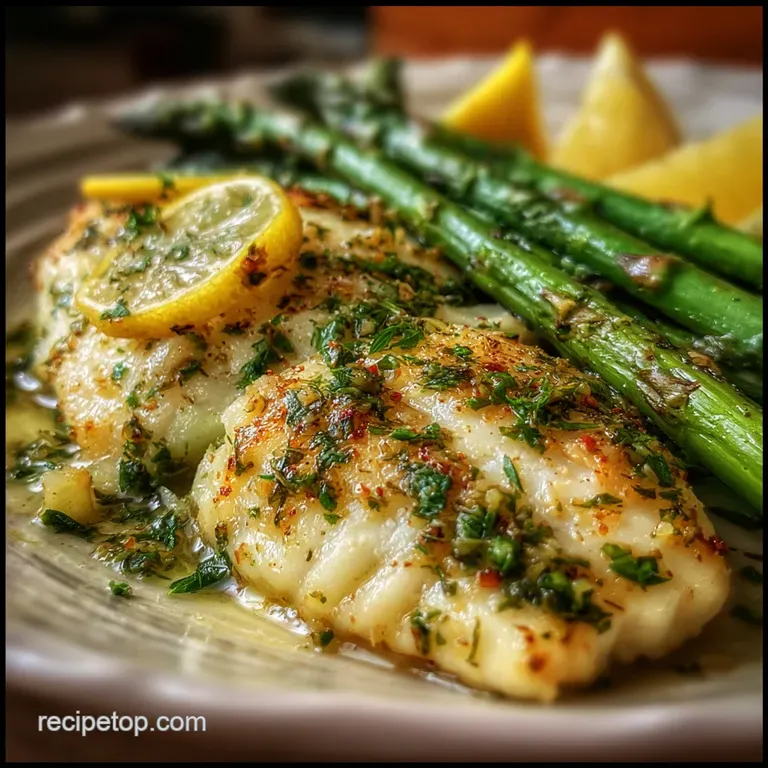
- Time: Active 10 minutes, Passive 12 minutes, Total 22 minutes
- Flavor/Texture Hook: Flaky white fish with snap crisp stalks and zesty garlic butter
- Perfect for: Hectic weeknights or healthy meal prep for the office
- Quick Lemon Herb Baked Tilapia with Asparagus and Garlic
- Why This Sheet Pan Meal Works
- Essential Benchmarks for Flaky Fish
- Picking Your Garlic Herb Ingredients
- Necessary Tools for Easy Cleanup
- Step-by-Step Guide to Roasting
- Fixing Soggy Asparagus or Fish
- Creative Swaps and Flavor Twists
- Storing and Reusing Your Leftovers
- Plating Like a Pro Chef
- Recipe FAQs
- 📝 Recipe Card
Quick Lemon Herb Baked Tilapia with Asparagus and Garlic
The sizzle of a hot pan usually signals the start of a long evening in the kitchen, but the first time I made this, I realized the oven could do all the heavy lifting for me. I remember standing in my kitchen on a rainy Tuesday, staring at a pack of tilapia and a bunch of asparagus, feeling completely drained.
I didn't want a sink full of dishes; I just wanted something that tasted alive and vibrant without the fuss of a multi stage recipe.
That evening was a total revelation in simplicity. As the aroma of minced garlic and lemon zest began to waft from the oven, the kitchen felt less like a chore and more like a sanctuary.
This recipe delivers a remarkably simple and flavorful Quick Lemon Herb Baked Tilapia with Asparagus and Garlic that has since become my go to "reset" meal. It’s light, it’s punchy, and it reminds me that good food doesn't have to be complicated to be satisfying.
We’ve all had that sad, dry piece of fish or the grey, limp asparagus that gives healthy eating a bad name. Trust me, I’ve been there I once over baked tilapia so badly it had the texture of a wool sweater.
But through trial and error, I found the sweet spot of timing and temperature that keeps the fish velvety and the greens bright. You’re going to love how the lemon juice cuts through the richness of the melted butter, creating a sauce right there on the pan.
Why This Sheet Pan Meal Works
Protein Denaturation Control: By using a high heat for a short duration, we coagulate the fish proteins quickly, locking in internal moisture before it can evaporate.
The Maillard Reaction: The combination of melted butter and minced garlic on the asparagus creates a savory, browned crust that balances the high acidity of the lemon.
Conductive Steam: Placing lemon rounds directly on the fish creates a localized steam chamber, ensuring the top of the fillet stays tender while the bottom roasts.
| Fish Thickness | Internal Temp | Rest Time | Visual Cue |
|---|---|---|---|
| 0.5 inch | 145°F | 2 minutes | Flesh is opaque and separates with a fork |
| 0.75 inch | 145°F | 3 minutes | Center loses its translucent, raw look |
| 1 inch | 145°F | 3 minutes | Flakes easily with gentle pressure |
This sheet pan method is remarkably efficient compared to stovetop searing, which often results in the fish sticking or breaking apart when you try to flip it. If you enjoy the hands off nature of this dish, you might also like the workflow of my 20 Minute One recipe which uses a similar over high heat roasting technique for consistent results.
Essential Benchmarks for Flaky Fish
To get this right every single time, you need to watch the clock and the thermometer. Tilapia is a lean fish, meaning it has very little fat to protect it from drying out if left in the heat too long. We are aiming for that moment where the fish transitions from translucent to a solid white.
Syncing the Cook Times
The biggest hurdle with a "one pan" meal is ensuring the vegetable and the protein finish at the same time. I’ve found that 1 lb of fresh asparagus, when trimmed of its woody ends, roasts at almost the exact same rate as a standard tilapia fillet.
If your asparagus stalks are as thick as a thumb, you might want to give them a 4 minute head start in the oven before adding the fish.
Mastering the Emulsified Glaze
When you whisk the melted butter with the lemon juice and garlic, you're creating a temporary emulsion. Don't let it sit too long, or the butter will begin to solidify. I like to whisk it right before I pour it over the fish so the garlic bits stay suspended in the fat, ensuring every bite of the Quick Lemon Herb Baked Tilapia with Asparagus and Garlic gets an equal hit of flavor.
Picking Your Garlic Herb Ingredients
The Component Analysis
| Ingredient | Science Role | Pro Secret |
|---|---|---|
| Tilapia Fillets | Lean Protein | Pat them bone dry with paper towels to ensure they roast rather than boil in their own juices. |
| Fresh Asparagus | Structural Fiber | Snap the ends by hand; they naturally break where the woodiness ends and the tender stalk begins. |
| Unsalted Butter | Fat & Texture | Use European style butter for a higher fat content, which creates a more velvety mouthfeel. |
| Fresh Garlic | Aromatic Depth | Mince it finely so it "melts" into the butter sauce instead of staying crunchy. |
Ingredients and Substitutes
- 4 (6 oz) Tilapia fillets: This is our mild, flaky base. Why this? It's affordable and absorbs citrus flavors beautifully.
- Substitute: Cod or Flounder. Both are mild white fish that behave similarly in the oven.
- 1 lb Fresh asparagus: Provides a crisp, earthy contrast. Why this? It cooks at the same speed as thin fish fillets.
- Substitute: Thinly sliced zucchini or green beans (halved lengthwise).
- 2 tbsp Extra virgin olive oil: For roasting the veggies.
- Substitute: Avocado oil for a higher smoke point.
- 3 tbsp Unsalted butter, melted: The base for our rich herb sauce.
- Substitute: Ghee or a high-quality vegan butter.
- 3 cloves Garlic, minced: For that essential savory punch.
- Substitute: 1 tsp garlic powder in a pinch, though fresh is far superior here.
- 1 small Lemon, juiced (approx. 2 tbsp): Provides the necessary acid.
- 1 tsp Lemon zest: Contains the essential oils for a brighter aroma.
- 0.5 tsp Sea salt: To enhance all the natural flavors.
- 0.25 tsp Cracked black pepper: For a hint of warmth.
- 2 tbsp Fresh parsley: Adds a hit of chlorophyll freshness at the end.
- 1 tbsp Fresh dill or thyme: Dill pairs classically with fish, while thyme offers earthiness.
- 1 Lemon, thinly sliced: To act as a protective heat shield for the fish.
Chef's Tip: Freeze your butter for 10 minutes before melting it if you want to whisk it into a thicker, creamier glaze. The cold to hot transition creates a more stable sauce that clings to the fish.
Necessary Tools for Easy Cleanup
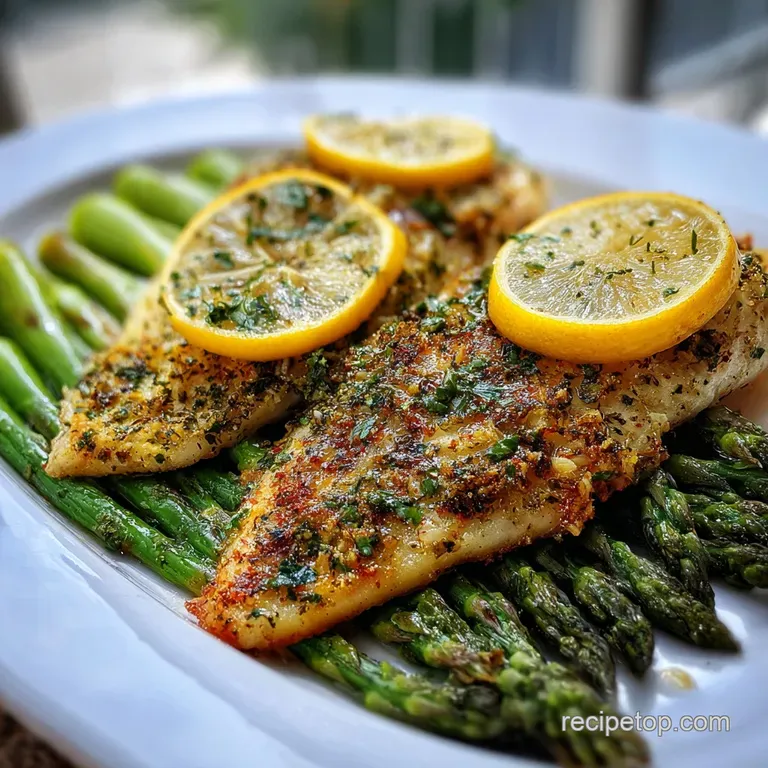
You don't need a professional kitchen to pull this off, but a large, heavy rimmed baking sheet is non negotiable. I prefer a half sheet pan made of aluminized steel because it distributes heat evenly without warping in the high heat of the oven.
If you find yourself making these types of butter based sauces often, you’ll see how the technique mirrors my Creamy Garlic Butter recipe, where fat and aromatics do the heavy lifting. Having a small whisk and a microplane for the lemon zest will make your life much easier and your flavors much more intense.
step-by-step Guide to Roasting
1. Prepping the Foundation
Preheat your oven to 400°F (200°C). Line a large baking sheet with parchment paper or foil. Note: This prevents the delicate fish skin or flesh from sticking to the metal.
2. Seasoning the Greens
Place the 1 lb fresh asparagus on one side of the pan. Drizzle with 2 tbsp olive oil and a pinch of salt and pepper. Toss with your hands until every stalk is glossy.
3. Whisking the Infusion
In a small bowl, whisk together the 3 tbsp melted butter, 3 minced garlic cloves, 2 tbsp lemon juice, and 1 tsp zest. Note: Whisking vigorously helps the lemon juice stay integrated with the fat.
4. Dressing the Tilapia
Pat the 4 tilapia fillets dry and place them on the other side of the pan. Pour the garlic butter mixture evenly over the fish. Note: Ensure the garlic bits are spread across the surface of the fillets.
5. Adding the Aromatics
Sprinkle the 1 tbsp of dill or thyme over the fish and asparagus. Place the lemon slices on top of each fillet.
6. Roasting to Perfection
Slide the pan into the oven and bake for 10-12 minutes. Cook until the fish flakes easily and the asparagus is tender crisp.
7. The Sensory Check
Look for the butter bubbling around the edges of the fish and the asparagus tips starting to slightly brown and "shatter" when bitten.
8. The Aromatic Finish
Remove from the oven and immediately sprinkle the 2 tbsp of fresh parsley over everything. Let it rest for 2 minutes until the juices settle.
Fixing Soggy Asparagus or Fish
One of the most common mistakes is crowding the pan. If the asparagus stalks are piled on top of each other, they will steam instead of roast, leaving you with a limp, watery mess. Give everything its own personal space on the tray.
Why Your Fish Is Mushy
If your fish feels soft and lacks structure, it's likely because it was frozen and not dried properly before cooking. Frozen fish releases a lot of moisture as it thaws. If that moisture stays on the surface, the fish basically "poaches" in the oven instead of roasting.
| Problem | Root Cause | Solution |
|---|---|---|
| Fish is dry | Overcooked by even 2 mins | Pull fish when it hits 140°F; carryover heat will finish it. |
| Asparagus is tough | Woody ends weren't removed | Snap stalks where they naturally bend to remove fiber. |
| Sauce is watery | Fish wasn't patted dry | Use 3 paper towels to press moisture out of the fillets. |
Common Mistakes Checklist
- ✓ Don't skip the lemon zest; the juice adds tartness, but the zest adds the actual "lemon" flavor profile.
- ✓ Ensure the oven is fully preheated; putting fish in a cold oven results in a rubbery texture.
- ✓ Avoid using bottled lemon juice; the preservatives change the flavor and can make the fish taste metallic.
- ✓ Check the thickness of your fillets; thin ones may need only 8 minutes, while thicker ones need 12.
Creative Swaps and Flavor Twists
The Spicy Mediterranean Twist
If you want to move away from the classic herb profile, try swapping the dill for dried oregano and adding a teaspoon of red pepper flakes to the butter. You can also toss some halved cherry tomatoes onto the pan with the asparagus; they will burst in the heat and create a lovely, jammy accompaniment to the fish.
The Foil Packet Method
If you're worried about cleanup or want an even more tender result, you can wrap the fish and asparagus together in individual foil packets. This traps all the steam inside. While you won't get the roasted char on the asparagus, the fish will be incredibly velvety and moist.
Just add 3 minutes to the total cook time.
If you want X, do Y
- If you want a crunchier topping, mix 2 tbsp of Panko breadcrumbs with the garlic butter before spreading.
- If you want a richer flavor, swap the olive oil on the asparagus for more melted butter.
- If you want a low carb boost, add a sprinkle of Parmesan cheese over the asparagus in the last 2 minutes of baking.
Storing and Reusing Your Leftovers
Tilapia is best eaten fresh, as fish can take on a "fishy" aroma when reheated. However, if you have leftovers, they will stay good in an airtight container in the fridge for up to 2 days. I don't recommend freezing the cooked dish, as the texture of the asparagus will become mushy upon thawing.
To reheat, avoid the microwave if possible. Instead, place the fish and asparagus back on a baking sheet, cover loosely with foil to prevent drying, and warm in a 300°F oven for about 8-10 minutes.
For a zero waste hack, flake any leftover cold fish over a bed of greens with the roasted asparagus for a quick, chilled seafood salad. The leftover garlic butter at the bottom of the container makes a fantastic dressing when mixed with a little extra lemon juice.
Plating Like a Pro Chef
Presentation is about contrast. The white of the tilapia, the vibrant green of the asparagus, and the bright yellow of the lemon slices already do most of the work for you. To make it look truly professional, plate the asparagus in a neat row first, then nestle the tilapia fillet slightly over the stalks.
Spoon any remaining garlic butter from the baking sheet directly over the fish right before serving. This adds a glossy sheen that looks beautiful under dining room lights. Finally, the fresh parsley isn't just for flavor it adds a pop of raw green that tells the eye the dish is fresh and vibrant.
A final crack of black pepper over the lemon rounds provides a nice visual "grit" that makes the dish look rustic yet refined.
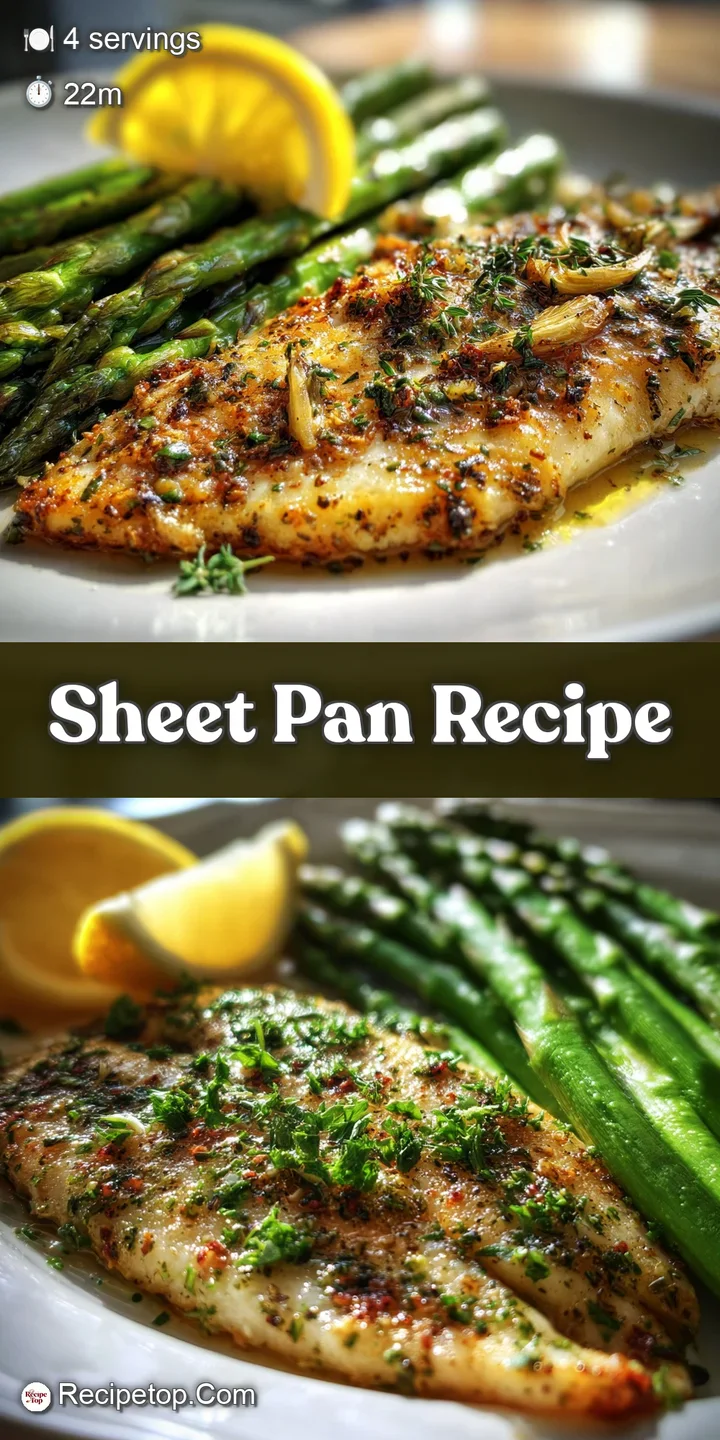
Recipe FAQs
Can I use frozen tilapia for this recipe?
No, use fresh tilapia if possible. Frozen tilapia releases excess moisture when thawing and cooking, which can lead to mushy fish and a watery pan, hindering proper roasting.
What if my asparagus stalks are very thick?
Roast the thick asparagus first for 4 minutes. Thicker stalks need a head start to become tender crisp at the same rate as the tilapia, ensuring everything finishes cooking simultaneously.
How do I prevent the garlic butter sauce from separating?
Whisk the sauce just before pouring it over the fish. While it's a temporary emulsion, whisking right before use ensures the garlic bits remain suspended for even flavor distribution across the fillets.
Why is my fish dry and my asparagus mushy?
This is usually due to overcooking or overcrowding the pan. Ensure your oven is fully preheated and give each fillet and asparagus stalk enough space to roast properly, rather than steam.
Can I substitute the herbs?
Yes, other herbs work well. While dill and parsley are classic, thyme or even a pinch of dried oregano can offer a different, delicious flavor profile.
How do I reheat leftovers?
Reheat gently in a low oven rather than the microwave. Place leftovers on a baking sheet, cover with foil, and warm at 300°F for 8-10 minutes to preserve the texture.
What’s the best way to plate this dish for presentation?
Arrange the asparagus neatly, then nestle the fish on top. Spoon any extra garlic butter over the fish and garnish with fresh parsley for a vibrant, restaurant quality look.
Lemon Herb Tilapia Asparagus
Ingredients:
Instructions:
Nutrition Facts:
| Calories | 336 kcal |
|---|---|
| Protein | 31.2 g |
| Fat | 21.8 g |
| Carbs | 7.1 g |
| Fiber | 2.6 g |
| Sugar | 1.8 g |
| Sodium | 415 mg |
