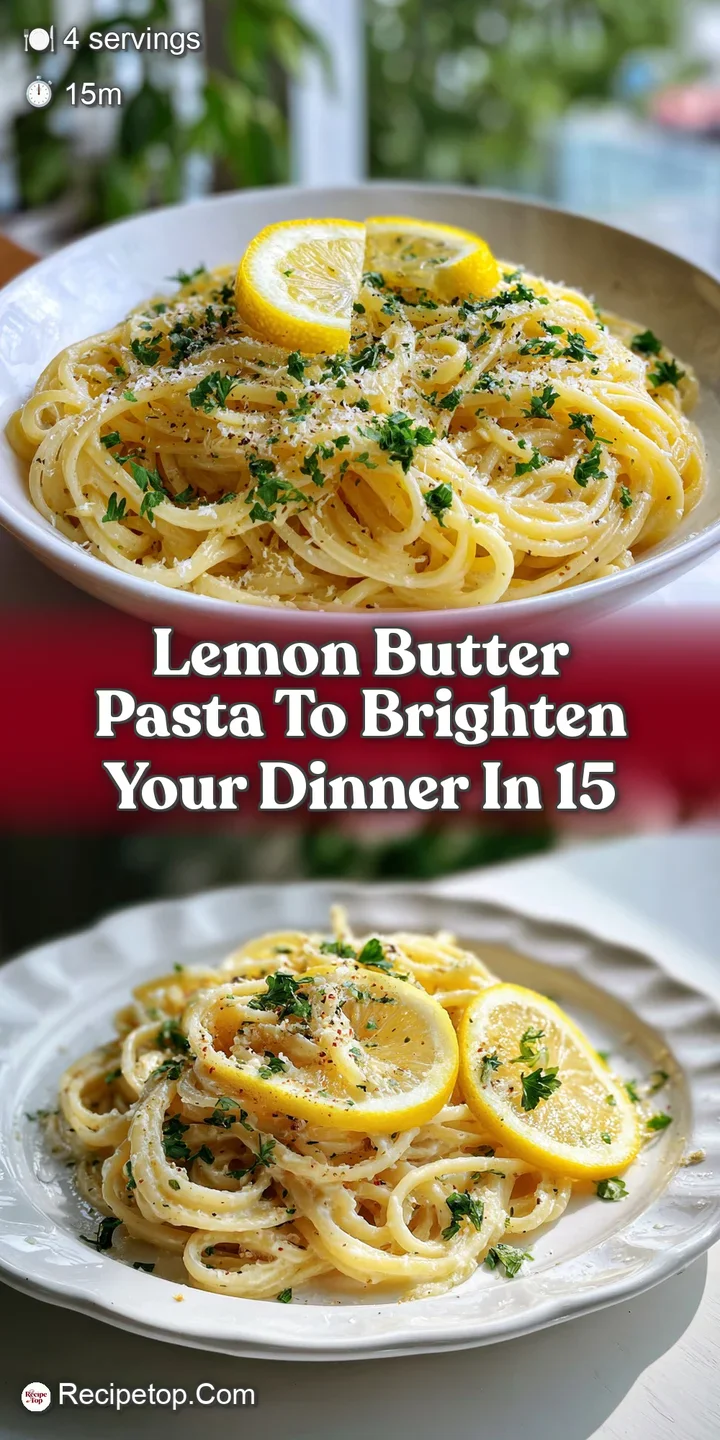
Lemon Butter Pasta to Brighten Your Dinner
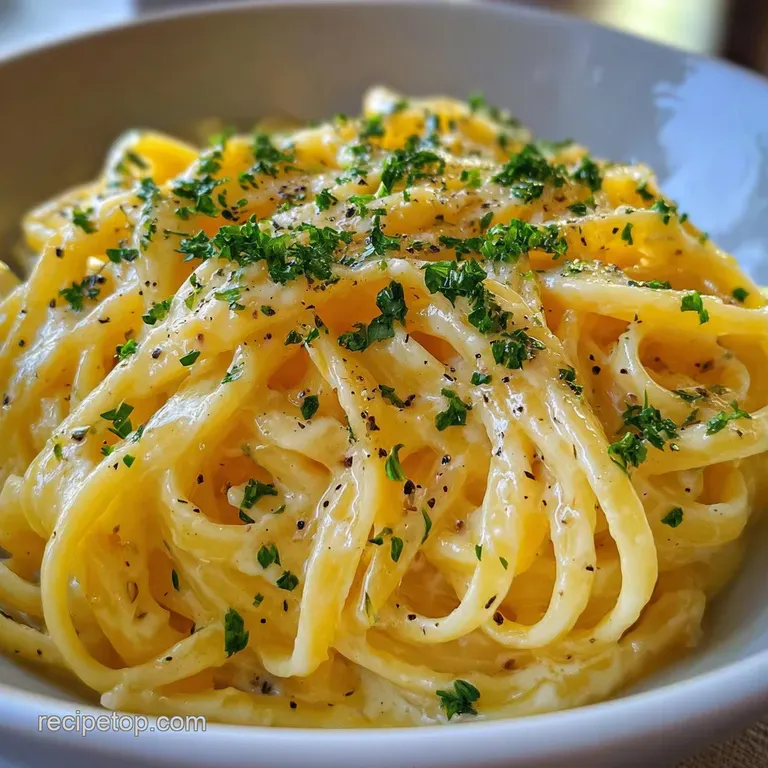
- Time: Active 5 mins, Passive 10 mins, Total 15 minutes
- Flavor/Texture Hook: Zesty, velvety sauce with a garlic infused kick
- Perfect for: Hectic weeknight dinners or a light weekend lunch
- A Lemon Butter Pasta to Brighten Your Dinner
- Why This Simple Emulsion Always Succeeds
- Component Analysis for Better Flavor
- Essential Ingredients for a Bright Pantry Sauce
- Reliable Kitchen Tools for Stress Free Cooking
- Step-by-Step Flow for a Velvety Finish
- Preventing Common Errors and Sauce Separation
- Creative Variations to Suit Your Family
- Storage Guidelines for Preserving Zesty Flavors
- Serving Suggestions for the Best Experience
- Debunking Kitchen Myths
- Recipe FAQs
- 📝 Recipe Card
A Lemon Butter Pasta to Brighten Your Dinner
Imagine walking into your kitchen after a long day, the air feeling a bit heavy, and your energy levels hitting a wall. You want something that tastes like a vacation but requires the effort of a nap. I remember one rainy Tuesday when I was ready to give up and order takeout, but I saw two lonely lemons on the counter.
I threw some pasta in the pot, sliced a few garlic cloves paper thin, and let them sizzle softly in a pool of butter. This article shares a foolproof lemon butter pasta recipe to brighten your dinner.
The second the lemon zest hit that warm fat, the kitchen filled with a floral, citrusy aroma that literally changed my mood. By the time the pasta was "al dente," I had a glossy, golden sauce that clung to every strand of spaghetti. It wasn't just dinner; it was a sensory reset.
We’ve all been there staring at the fridge with no plan. This dish is my secret weapon for those exact moments because it uses pantry staples to create something that feels intentional and bright.
You don't need fancy skills or an hour of your time to pull this off. It's all about the timing and the magic of a little starchy water. I’ve made the mistake of draining all the water away before, and trust me, you'll never do that again once you see how it transforms a dry bowl of noodles into a velvety masterpiece.
We're going to walk through how to balance that sharp acidity with rich, high fat butter for a result that is pure comfort in a bowl.
Why This Simple Emulsion Always Succeeds
Starch Binding: Pasta water contains released starches that act as a bridge between the watery lemon juice and the oily butter, creating a unified sauce.
Citrus Oil Extraction: Zesting the lemon directly into the warm butter releases essential oils that provide a deeper, more floral aroma than juice alone.
Gentle Infusion: Thinly slicing the garlic instead of mincing it allows it to flavor the fat without the risk of burning and turning bitter.
Fat Saturation: Using European style butter ensures a higher fat to water ratio, which results in a thicker, more stable coating on the noodles.
| Method | Time | Texture | Best For |
|---|---|---|---|
| Traditional Stovetop | 15 minutes | Silky and light | Maximum freshness and quick meals |
| Oven Finish (Baked) | 25 minutes | Crispy edges | Casserole vibes with extra cheese |
| Cold Whisk Method | 12 minutes | Thicker, creamier | When you want a richer, heavy coating |
There is a massive difference between just tossing butter on noodles and creating a legitimate sauce. If you’ve ever wondered why restaurant pasta feels so much more cohesive, it’s usually the "mantecatura" stage the vigorous tossing of the pasta with its cooking water and fat. If you are looking for something with a bit more protein, this pairs beautifully with my Lemon Herb Baked recipe.
Component Analysis for Better Flavor
| Ingredient | Science Role | Pro Secret |
|---|---|---|
| Pasta Water | Emulsifier | Never salt the water after boiling; the salt must penetrate the starch early for the best sauce body. |
| European Butter | Fat Source | Use cold butter for the final mount to create a stable, creamy suspension that doesn't feel greasy. |
| Lemon Zest | Aromatic | Only grate the yellow part; the white pith is the culprit behind unwanted bitterness. |
| Parmesan Cheese | Protein/Salt | Hand grate your cheese to avoid the anti clumping starches found in pre shredded bags. |
Essential Ingredients for a Bright Pantry Sauce
- 450g (1 lb) spaghetti, linguine, or fettuccine: A long, flat surface area helps the sauce cling. Why this? Long strands provide the best surface for thin emulsions.
- 15g (1 tbsp) kosher salt: Essential for seasoning the pasta from the inside out.
- 85g (6 tbsp) unsalted high fat European style butter: Divided into two portions for layering flavor and texture. Why this? Higher fat content leads to a smoother, less watery sauce.
- 4 cloves garlic, thinly sliced: Sliced garlic provides sweet, mellow notes rather than sharp pungency.
- 2g (1/2 tsp) red pepper flakes: Adds a gentle background warmth that cuts through the richness.
- 2 large lemons: You’ll need the zest and approximately 60ml (1/4 cup) of juice. Why this? Fresh acidity is the backbone of the entire dish.
- 100g (1 cup) freshly grated Parmesan cheese: Acts as a thickener and adds a savory umami punch.
- 15g (1/2 cup) fresh Italian parsley: Adds a burst of color and a fresh, peppery finish.
- Freshly cracked black pepper: To taste, providing a sharp contrast to the creamy butter.
- 475ml (2 cups) reserved starchy pasta water: The "liquid gold" that saves the sauce.
Reliable Kitchen Tools for Stress Free Cooking
To get that restaurant style finish, I highly recommend using a large stainless steel skillet or a wide sauté pan instead of a deep pot for the final mixing. A wider surface area allows you to toss the pasta effectively, ensuring every strand is coated.
You'll also need a microplane for the lemon zest this tool is a total game changer for getting those fine, aromatic bits without hitting the bitter white pith.
Don't forget a sturdy pair of tongs. While a pasta fork is fine, tongs give you much better control when you're "mounting" the sauce and swirling the noodles into the butter. If you're doubling the recipe for a crowd, a larger Dutch oven might be necessary, but for a standard 4 serving meal, the skillet is king.
It allows for better evaporation and control over the emulsion.
step-by-step Flow for a Velvety Finish
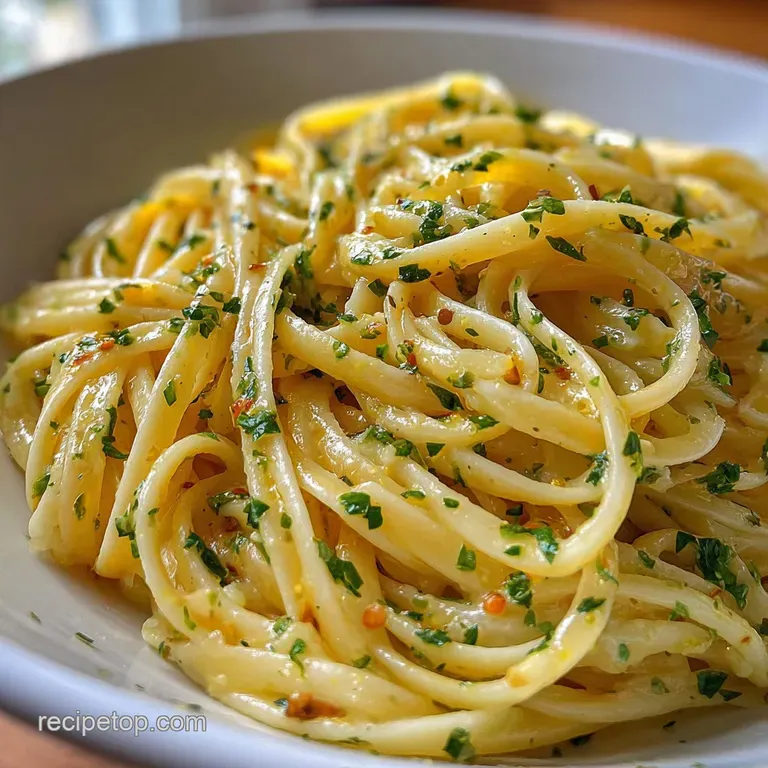
- Boil the water. Fill a large pot with water and add the kosher salt. Wait for a rolling boil before adding your 450g of pasta.
- Cook the pasta. Boil the noodles for about 2 minutes less than the package directions until they are slightly firm to the bite (al dente). Note: They will finish cooking in the sauce later.
- Save the water. Before draining, dip a measuring cup into the pot and reserve 475ml of the cloudy pasta water.
- Sizzle the garlic. In a large skillet over medium low heat, melt 3 tablespoons of the butter. Add the sliced garlic and red pepper flakes.
- Infuse the fat. Sauté for about 2 minutes until the garlic is translucent and fragrant but not browned.
- Add the liquid. Pour in the lemon juice and half of the reserved pasta water, bringing it to a gentle simmer.
- Combine. Transfer the cooked pasta directly into the skillet using tongs. Note: The small amount of water clinging to the noodles helps the process.
- Emulsify the sauce. Add the remaining 3 tablespoons of butter, lemon zest, and Parmesan cheese. Toss vigorously over medium heat for 1 to 2 minutes.
- Adjust consistency. If the pasta looks dry, add more pasta water 1/4 cup at a time until the sauce looks glossy and clings to the noodles.
- Final touch. Turn off the heat and stir in the chopped parsley and plenty of black pepper. Serve immediately while it's steaming and vibrant.
Preventing Common Errors and Sauce Separation
The most frequent heartbreak with this recipe is a broken sauce where the oil separates from the water and leaves a greasy puddle at the bottom of the bowl. This usually happens if the heat is too high when you add the cheese or if you don't use enough pasta water.
Think of the pasta water as the glue; without it, the lemon and butter simply won't play nice together.
Why Your Sauce Feels Greasy
If your pasta tastes like plain butter rather than a zesty cream, the emulsion didn't form. This often happens if the pasta wasn't tossed enough. You really have to get in there with the tongs and move the noodles around while the heat is on medium. This physical action, combined with the starch, is what creates that velvety texture we’re after. It's a similar technique to the one I use in my Creamy Garlic Butter recipe.
| Problem | Root Cause | Solution |
|---|---|---|
| Clumpy Cheese | Added to a pan that was too hot | Remove pan from heat before adding cheese, then stir constantly. |
| Dry Noodles | Not enough pasta water reserved | Use a splash of warm chicken broth or hot water if you ran out of pasta water. |
| Bitter Flavor | Garlic burned or too much pith | Keep heat low for garlic; only use the bright yellow zest of the lemon. |
Common Mistakes Checklist
- ✓ Don't rinse your pasta - the surface starch is required for the sauce to stick.
- ✓ Ensure you use a large enough skillet; overcrowding makes it impossible to toss the pasta properly.
- ✓ Grate your own Parmesan; the pre grated stuff contains potato starch which prevents a smooth melt.
- ✓ Reserve your pasta water before you drain the pot it's easy to forget in the heat of the moment!
- ✓ Use unsalted butter so you can control the final saltiness of the dish yourself.
Creative Variations to Suit Your Family
If you want a heartier meal, do this: Add 225g of seared shrimp or sliced grilled chicken right at the end. Stir in a handful of baby spinach or roasted asparagus to get your greens in. Swap the Parmesan for Pecorino Romano for a sharper, saltier kick.
Adopting a Plant Based Approach
You can easily make this vegan by using a high-quality plant based butter and nutritional yeast instead of Parmesan. Just be sure the vegan butter is one that melts well and has a decent fat content. The lemon and garlic do most of the heavy lifting flavor wise, so it still tastes incredibly bright.
Managing Salt Levels
Because the pasta water and Parmesan both contain salt, be cautious with adding more at the end. Always taste the sauce before adding that final sprinkle. If it feels a bit flat, usually a tiny extra squeeze of lemon juice will wake it up better than more salt would.
| Original Ingredient | Substitute | Why It Works |
|---|---|---|
| Garlic Cloves | Garlic Confit | Offers a much mellower, spreadable garlic flavor that melts into the sauce. |
| Spaghetti | Zucchini Noodles | Low carb option. Note: Does not provide starch, so sauce will be thinner. |
| Parsley | Fresh Basil | Adds a sweet, peppery herbal note that pairs perfectly with lemon. |
Storage Guidelines for Preserving Zesty Flavors
This pasta is definitely at its peak about 30 seconds after it leaves the pan. However, life happens, and you might have leftovers. Store them in an airtight container in the fridge for up to 3 days. I don't recommend freezing this dish, as the butter based emulsion will break and turn grainy once thawed.
To reheat, avoid the microwave if you can. It tends to make the butter separate and the noodles mushy. Instead, put the pasta back in a skillet with a splash of water or a tiny bit of milk. Heat it gently over low heat, tossing constantly until it's warmed through and the sauce has loosened up again.
If you have leftover lemon halves, use the rinds to freshen up your garbage disposal zero waste and a great scent!
Serving Suggestions for the Best Experience
When it comes to serving, keep it simple. This dish is the star of the show. I like to serve it in warmed bowls just run them under hot water for a second so the sauce doesn't seize up the moment it hits the plate.
A final flurry of fresh lemon zest right at the table adds a punch of floral aroma that really "brightens your dinner" in a literal sense.
If you’re hosting, a crisp glass of Pinot Grigio or a cold sparkling water with a slice of lime complements the acidity beautifully. For a complete meal, a simple side salad with a light vinaigrette is all you need.
If you're looking for a different vibe for breakfast the next day, you might enjoy my make-ahead Breakfast recipe, but for tonight, let the lemon and butter do their magic.
Debunking Kitchen Myths
"Adding oil to the pasta water prevents sticking." This is a total myth! All it does is make your pasta slippery so the sauce can't cling to it. The best way to prevent sticking is to use a large pot with plenty of water and give it a good stir in the first two minutes of cooking.
"You must boil the lemon juice for a long time." Actually, lemon juice loses its bright, fresh flavor if it's cooked too long. You want to add it toward the end or just simmer it briefly with the butter to keep that "zing" alive. High heat for long periods mutes the very brightness we are trying to achieve.
Recipe FAQs
What does adding lemon juice to pasta sauce do?
It brightens and balances the flavors. Lemon juice adds a zesty acidity that cuts through richness, lifts other flavors, and prevents the sauce from tasting too heavy. If you enjoyed the flavor balancing in this dish, see how we use the same technique in our Air Fryer Salmon Bites with Garlic Butter in 15 Minutes.
Why is it called "marry me pasta"?
It's an affectionate nickname for incredibly delicious pasta. The name implies the dish is so good, it would make someone propose marriage. It's often used for rich, indulgent pasta dishes that are guaranteed crowd pleasers.
What is lemon butter used for?
It's primarily used as a sauce base for pasta and seafood. The combination of lemon's acidity and butter's richness creates a velvety, bright sauce that pairs wonderfully with noodles, chicken, and fish. It’s also fantastic for finishing vegetables.
What is the name of the pasta with lemon sauce?
This specific dish is often called Lemon Butter Pasta. While variations exist, the core components of pasta, butter, and lemon juice define it. You might also hear it referred to informally by names like "Lemon Garlic Pasta" or simply "Citrus Pasta."
Can I use regular butter instead of European style butter?
Yes, you can, but the sauce might be less rich. European style butter has a higher fat content and less water, which helps create a more stable and luxurious sauce emulsion. Your sauce will still be delicious, just potentially a bit thinner.
How do I prevent the sauce from breaking?
Gently whisk in reserved starchy pasta water and don't overheat. The starch in the pasta water acts as an emulsifier, binding the butter and lemon juice together. Adding ingredients like cheese or butter off direct high heat helps maintain the emulsion. If you master this stable emulsion technique, you can apply it to other recipes like our Air Fryer Salmon Bites with Garlic Butter in 15 Minutes.
What kind of pasta works best for lemon butter sauce?
Long, flat pastas are ideal. Spaghetti, linguine, or fettuccine have a large surface area that allows the light, velvety sauce to cling beautifully to every strand. Shorter shapes can work, but they might not hold the sauce quite as effectively.
Lemon Butter Pasta Brighten
Ingredients:
Instructions:
Nutrition Facts:
| Calories | 678 kcal |
|---|---|
| Protein | 24.2 g |
| Fat | 25.2 g |
| Carbs | 86.4 g |
| Fiber | 3.8 g |
| Sugar | 2.1 g |
| Sodium | 785 mg |
