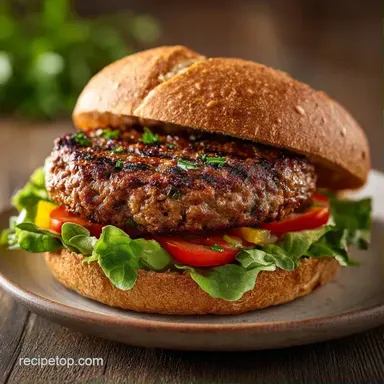
Beef Burgers: Lean and Juicy
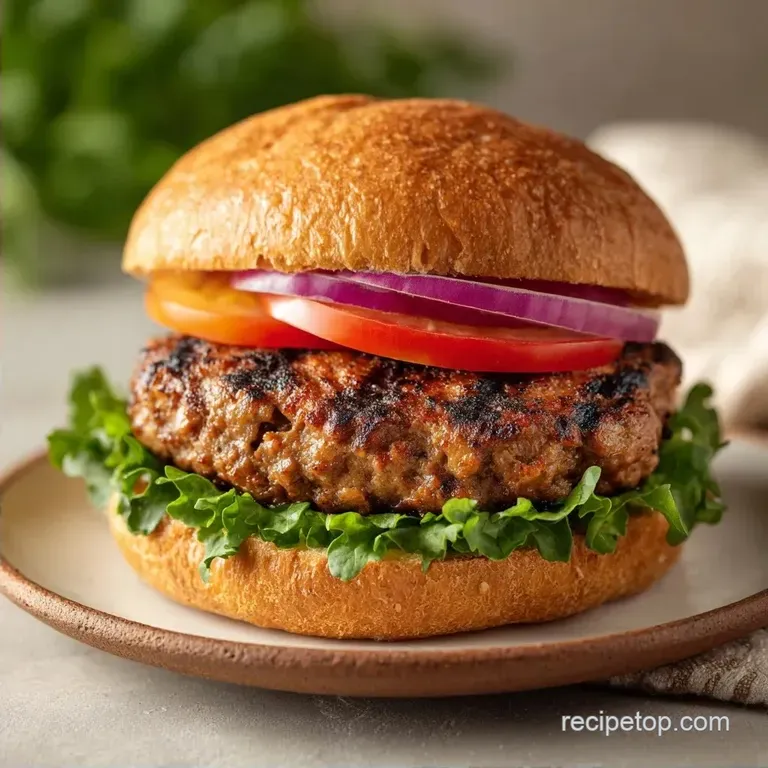
- Time: 15 min active + 10 min cook
- Flavor/Texture Hook: Mahogany crust with a juicy center
- Perfect for: Weeknight dinner
That loud, aggressive sizzle when the meat hits the hot cast iron is the best sound in the kitchen. It tells you immediately if your pan is ready or if you're just steaming your meat. I remember my first few attempts at this, where I spent way too long kneading the beef like it was bread dough. The result?
Rubber balls that bounced around the pan.
The trick is to be gentle. You want to mix the seasonings in, but don't overwork the meat. If you handle it too much, the proteins bond too tightly and you lose that tender, loose texture we all want.
Once you get the heat and the handling right, Beef Burgers become the most reliable meal in your rotation. You'll get a deep brown crust on the outside while the inside stays moist and tender.
Beef Burgers for Weeknight Dinners
Right then, let's talk about why this specific method works. Most people think they need a fancy grill, but a heavy skillet does the job better for a few patties.
Cold Meat: Keeping the beef cold until it hits the pan prevents the fat from melting too early. This keeps the juice inside the meat instead of leaking into the pan.
The Dimple: Pressing a hole in the center stops the burger from puffing up into a football shape. It ensures the patty cooks evenly from edge to center.
High Heat: A hot pan creates a mahogany crust quickly. This adds a deep, savory flavor without overcooking the middle.
| Method | Time | Texture | Best For |
|---|---|---|---|
| Stovetop | 10 mins | Heavy Crust | 1-4 Patties |
| Oven | 15-20 mins | Uniform | Large Crowds |
The Meat Handling Truth
Understanding how the beef behaves helps you avoid those dry, crumbly results.
| Ingredient | What It Does | Best Swap |
|---|---|---|
| 85% Lean Beef | Provides flavor and moisture | 90% Lean (will be drier) |
| Garlic Powder | Adds savory depth | Fresh minced garlic |
| Whole Grain Bun | Absorbs juices without falling apart | Brioche (sweeter, softer) |
The Ingredient List
You don't need a long list of fillers. Just a few basics to make the beef pop.
- 1.5 lbs lean ground beef (85% lean) Why this? Balance of flavor and lean meat
- 1 tsp kosher salt
- 1/2 tsp black pepper
- 1 tsp garlic powder
- 1 tsp onion powder
- 4 whole grain buns (100g each) Why this? Sturdier than white buns
- 4 slices low sodium Swiss or Sharp Cheddar cheese (40g each)
- 1 cup fresh arugula or romaine lettuce
- 1 large beefsteak tomato, sliced
- 1/2 cup red onion, thinly sliced
For the beef, if you can't find 85% lean, just go for the closest thing. Avoid "extra lean" (93%+) unless you're adding a bit of olive oil to the mix, otherwise, the Beef Burgers will feel like cardboard.
Tools You'll Need
You don't need a professional kitchen for this. A few basic tools will do.
- Cast iron skillet or a heavy stainless steel pan
- Large mixing bowl
- Meat thermometer (digital is best)
- Spatula (metal is great for scraping the crust)
- Tongs for handling toppings
Making the Patties
Let's crack on with the actual cooking. Follow these steps for the best results.
- Combine ground beef, salt, pepper, garlic powder, and onion powder in a large bowl. Note: Mix lightly with your fingers; don't squeeze the meat.
- Divide beef into 4 portions and shape into discs 1 inch thick.
- Press a thumb sized indent into the center of each patty. Note: This keeps the burger flat.
- Heat skillet to medium high until a drop of water dances on the surface.
- Place patties in the pan and sear 3–4 minutes until a mahogany crust forms.
- Flip the patties carefully.
- Cook for another 3–4 minutes.
- Add cheese slices during the last minute of cooking.
- Cover with a lid for 30 seconds until the cheese is glossy and melted.
- Remove from heat when the internal temp hits 160°F (71°C) and assemble on buns.
Fixing Common Issues
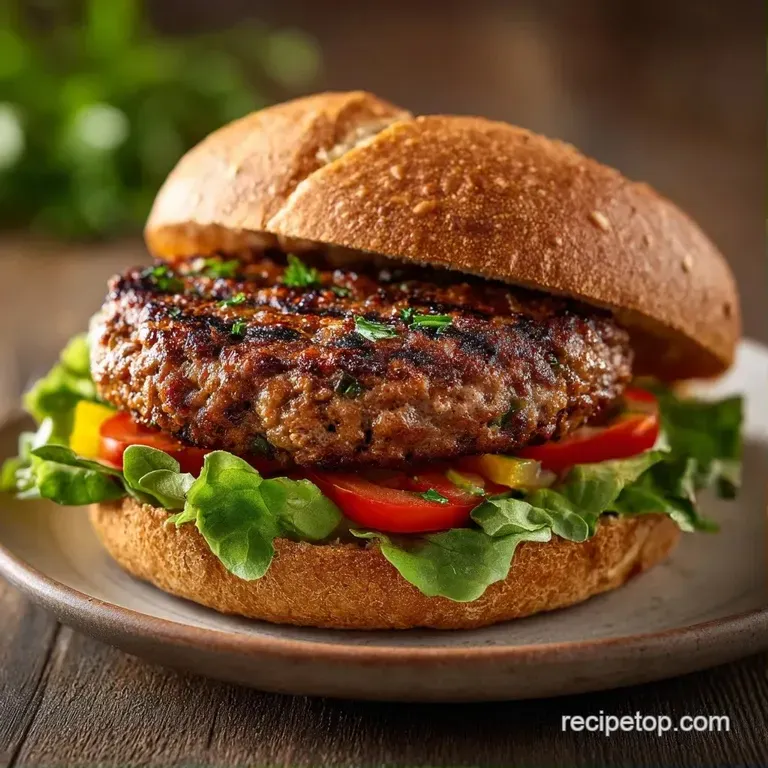
Even the best of us have a burger that falls apart or dries out. Most of these problems come down to temperature and timing. When I first started, I used to flip the meat every minute, which just prevented the crust from forming. Trust the sear.
Handling the Shrinkage
If your Beef Burgers are shrinking too much, you might be using meat that is too lean or cooking it too slowly. High heat locks the structure in faster.
Fighting the Dryness
Dry meat usually means it stayed in the pan too long. Use a thermometer to hit exactly 160°F.
| Problem | Root Cause | Solution |
|---|---|---|
| Patty breaks | Over handled meat | Mix lightly, don't knead |
| No crust | Pan not hot enough | Wait for oil to shimmer |
| Cheese won't melt | No steam in pan | Cover with lid for 30s |
Swaps and Changes
You can easily tweak these Beef Burgers to fit your mood. If you want a punchier flavor, try adding a teaspoon of Worcestershire sauce to the meat.
For a lower carb version, swap the buns for large lettuce wraps. It changes the experience, but the meat stays the star. If you're looking for a bold condiment to go on top, my Creamy Horseradish Sauce recipe adds a great bite that cuts through the richness of the beef.
Adding a spicy kick
Mix in a pinch of cayenne or chopped jalapeños into the beef.
Poultry alternatives
Ground turkey works, but you'll need to add 1 tablespoon of olive oil to the mix to mimic the beef's fat.
Scaling the Recipe
Scaling these Beef Burgers is pretty straightforward, but don't just multiply everything blindly.
Scaling Down (½ batch): Use a smaller 8 inch skillet. Reduce your cooking time by about 1-2 minutes since the pan heats up faster with less meat.
Scaling Up (2x-4x): Don't crowd the pan. If you put 8 patties in a skillet, the temperature drops, the meat releases juice, and you'll end up boiling the beef. Work in batches of 4. Also, only increase the salt and pepper by 1.5x instead of doubling them to avoid over seasoning.
Truth About Burgers
There are a few things people always say that aren't actually true.
Searing the meat does not "seal in the juices." That's a common myth. The moisture loss happens regardless of how you start. The sear is actually about flavor and texture, not moisture.
Adding eggs or breadcrumbs is not necessary. Those are for meatballs or meatloaf. For a real burger, you want the meat to stand on its own. Fillers change the texture and make it more like a sausage than a patty.
Saving and Reheating
You can store cooked Beef Burgers in an airtight container in the fridge for up to 3 days. For the freezer, wrap each patty in foil and place them in a freezer bag for up to 2 months.
To reheat, avoid the microwave if you can. It makes the beef rubbery. Instead, put them in a skillet over medium heat with a splash of water and cover with a lid. The steam warms the meat through without drying it out.
For zero waste, save your red onion scraps and tomato ends in a freezer bag. Once the bag is full, toss them into a pot for a quick vegetable stock.
Great Side Pairings
Beef is rich, so you need something acidic or fresh to balance it out. A simple side of coleslaw or a crisp garden salad works well.
I highly recommend serving these with a Grilled Onion Summer Side to double down on that charred flavor. If you're feeling fancy, some oven baked potato wedges with paprika add a nice crunch.
These Beef Burgers are all about simplicity. Keep your meat cold, your pan hot, and your hands light. You'll have a dinner that tastes like it took hours, but only took 25 minutes.
Recipe FAQs
How to make classic beef burgers?
Combine lean ground beef with salt, pepper, garlic powder, and onion powder. Shape into 1 inch discs with a center indent, then sear in a hot skillet for 3-4 minutes per side until they reach 160°F.
Why do my burgers puff up in the middle while cooking?
This happens because the center cooks slower than the edges. Prevent this by pressing a thumb sized indent into the center of each patty before searing to ensure even cooking.
Is it true I should knead the meat thoroughly to ensure the patties don't fall apart?
No, this is a common misconception. Overworking the meat causes proteins to bond too tightly, which creates a rubbery texture instead of a tender, juicy burger.
What is the best way to get a mahogany crust on a beef burger?
Use a cast iron skillet on medium high heat. Sear the patties for 3-4 minutes without moving them, allowing the high heat to develop a deep, savory exterior.
How do I know when the burger is perfectly cooked?
Check that the internal temperature reaches 160°F (71°C). Using a meat thermometer is the only way to guarantee the beef is safe and moist.
Can I use a grill instead of a stovetop?
Yes, a grill works perfectly. Just ensure the grate is preheated to medium high to achieve the same mahogany crust as the skillet method.
What are some good sides to serve with these burgers?
Pair them with something fresh and charred. These burgers go great with grilled corn or a crisp arugula salad.
Juicy Beef Burgers