Garlic Naan: Soft and Fluffy

- Time:15 minutes active + 60 minutes rising = Total 1 hours 25 mins
- Flavor/Texture Hook: Charred, bubbly exterior with a velvety interior
- Perfect for: Weeknight dinner side or a quick appetizer
That sharp, pungent sizzle when minced garlic hits melted butter is, for me, the smell of a Friday night. I remember the first time I tried making this at home, thinking any flatbread would do.
I ended up with something that felt more like a cracker than a cloud, mostly because I skipped the resting time and used a non stick pan that couldn't hold any real heat.
It wasn't until I started using a heavy cast iron skillet and a big dollop of Greek yogurt that things clicked. The yogurt is the real hero here, giving the bread a slight tang and a softness that makes it feel like it came from a tandoor oven.
This Garlic Naan is all about that contrast, between the blackened charred spots and the buttery, fragrant finish.
You don't need any fancy equipment to get this right, just a bit of patience while the dough rises. Trust me on this, the wait is worth it for that pillowy texture. We're keeping things simple, family friendly, and focused on the flavors that actually matter.
Easy Homemade Garlic Naan
The secret to a soft bread is all about how we treat the gluten. When we mix in the yogurt, we're introducing acidity that relaxes the protein strands in the flour. This means you don't have to spend an hour kneading the dough to get a tender result.
It's a shortcut that preserves the quality without adding a bunch of extra work to your evening.
If you've ever wondered why store-bought versions feel rubbery, it's usually because they lack the fat and acidity found in this recipe. By using full fat Greek yogurt and finishing with a generous brush of butter, we're creating a bread that's rich and supple.
Plus, the high heat of the skillet causes the water in the dough to turn into steam instantly, which is what creates those beautiful, uneven bubbles.
Let's talk about the heat for a second. A cast iron skillet is basically a heat battery. It doesn't drop in temperature the moment the cold dough hits the surface, which is essential for getting that char without overcooking the inside.
If you use a thin pan, you'll likely find your bread drying out before it ever gets those dark, smoky spots.
What Makes it Soft
Yogurt Acidity: The lactic acid breaks down gluten, preventing the bread from becoming too chewy or tough.
Over High heat Steam: Rapid heating in the pan creates steam pockets, which puff up the dough into a pillowy texture.
Fat Integration: Combining oil in the dough and butter on top keeps the crumb velvety and moist.
Resting Time: Allowing the dough to rise relaxes the structure, making it easier to roll thin without it snapping back.
| Method | Time | Texture | Best For |
|---|---|---|---|
| Fast (No Yeast) | 20 mins | Denser, more like a wrap | Emergency sides |
| Classic (Yeast) | 1 hour 25 mins | Airy, bubbly, chewy | Authentic experience |
The Ingredient Deep Dive
Understanding what each part does helps when you're adjusting on the fly. For instance, the sugar isn't there to make the bread sweet, but to feed the yeast so it wakes up faster. The Greek yogurt is non negotiable for that specific tang and softness. If you're used to making a Homemade Challah Bread, you'll notice this dough is much more hydrated and tacky.
Component Analysis
| Ingredient | Science Role | Pro Secret |
|---|---|---|
| Greek Yogurt | Tenderizer | Use full fat for a more velvety crumb |
| Active Dry Yeast | Leavening | Ensure water is warm, not hot, to avoid killing yeast |
| All Purpose Flour | Structure | Measure by spooning into cup to avoid packing |
| Garlic | Aromatics | Mince finely to prevent large burnt chunks |
Essential Tools for Naan
You don't need a professional kitchen for this. A simple mixing bowl and a sturdy spatula will get the job done. For the cooking part, a cast iron skillet is the gold standard, but any heavy bottomed pan will work if it can handle medium high heat without warping.
I also recommend having a pastry brush handy. Trying to spread the garlic butter with a spoon often tears the delicate, bubbly surface of the bread. A brush lets you glide the melted butter over the char, ensuring every inch is covered in that savory glaze.
Step-by-step Cooking Guide
Right then, let's get into the actual process. Keep your workspace clean and your water warm.
1. Activating the Rise
Whisk warm water, sugar, and yeast in a bowl. Let it sit for 5-10 minutes until a frothy foam forms on top. Note: If it doesn't foam, your yeast is dead; start over with fresh yeast.
2. Kneading the Pillowy Base
Mix in the flour, salt, yogurt, and oil. Knead the dough for about 5 minutes until smooth and slightly tacky. Place in a greased bowl, cover, and let rise in a warm spot for 60 minutes until doubled in size.
3. Shaping and Searing
Divide the dough into 6 equal balls. Roll each into an oval shape about 1/4 inch thick. Note: Use a bit of flour on the counter so it doesn't stick.
4. The Sizzle
Heat a cast iron skillet on medium high. Lay the naan in the pan, wait for bubbles to surface (about 1 minute), then flip and cook until golden brown with charred black spots.
5. The Final Infusion
Immediately brush the hot Garlic Naan with the mixture of melted butter, minced garlic, cilantro, and sea salt. Note: Do this while the bread is still steaming to let the butter soak in.
Fixing Common Naan Issues
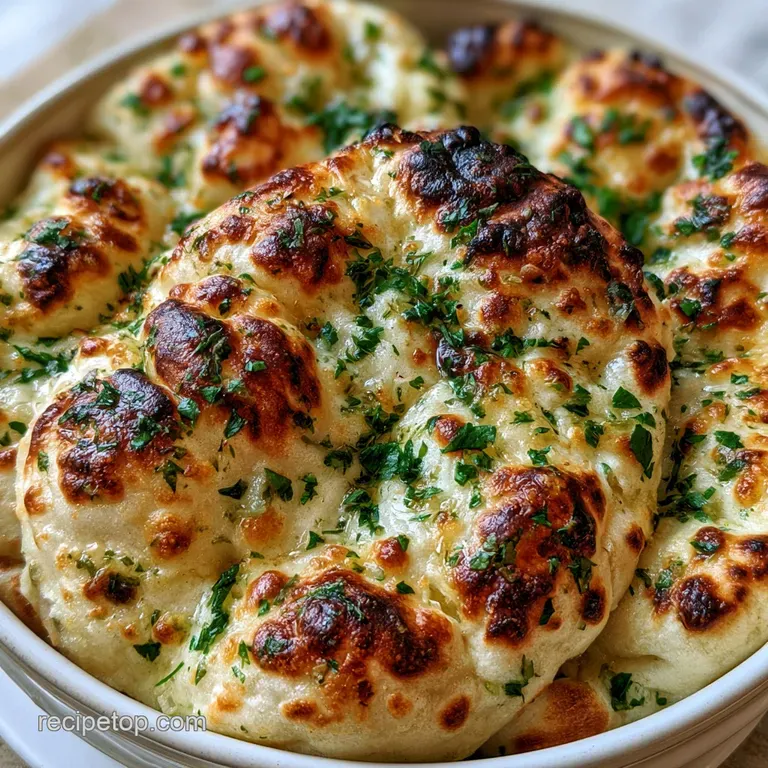
Most problems with Garlic Naan come down to temperature or hydration. If your bread feels like a tortilla, you probably didn't let the dough rise long enough or your pan wasn't hot enough. The "bubble" is the sign of success.
Why Your Naan is Too Tough
This usually happens when the dough is over kneaded or hasn't rested. If the gluten is too tight, the bread will fight you when you roll it and turn out dense. Let it relax for an extra 10 minutes if it keeps shrinking back.
No Charred Bubbles Forming
Your pan is too cold. If you don't see bubbles within 60 seconds, take the bread out and let the pan heat up for another two minutes. You want to hear a distinct sizzle the moment the dough touches the metal.
Dough Sticking to the Pan
This is often caused by too much flour on the bottom of the dough or a pan that isn't properly seasoned. Make sure you're using a cast iron or a well coated skillet.
| Problem | Root Cause | Solution |
|---|---|---|
| Rubbery Texture | Over kneading | Knead only until smooth, not elastic |
| Burnt Garlic | Garlic added too early | Mix garlic into butter and brush AFTER cooking |
| Dry Bread | Overcooked | Reduce cook time to 1-2 mins per side |
Common Mistakes Checklist:
- ✓ Did you check if the yeast foamed?
- ✓ Is the skillet screaming hot before the first piece goes in?
- ✓ Did you roll the dough thin enough (1/4 inch)?
- ✓ Did you brush the butter on while the bread was still hot?
- ✓ Did you avoid over kneading the dough?
Fun Flavor Variations
Once you've got the base down, you can play around with the toppings. I love adding a pinch of cumin to the dough for a more earthy flavor. If you're looking for something different, you can also use your sourdough starter to make fresh naan for a more complex, tangy taste.
Vegan Garlic Naan
Swap the Greek yogurt for an unsweetened soy yogurt or a mix of coconut cream and a teaspoon of lemon juice. Use vegan butter or a high-quality olive oil for the glaze. It's still soft, though the flavor is slightly more nutty.
Nigella Seed & Sesame
Press a few nigella seeds and sesame seeds into the dough before rolling it out. This gives you a crunch and a traditional aroma that's common in Indian style Garlic Naan.
Spicy Chili Garlic
Add 1/2 teaspoon of red chili flakes or a squeeze of Sriracha to the melted butter. It adds a kick that cuts through the richness of the butter.
Whole Wheat Hybrid
Replace 1 cup of all purpose flour with whole wheat flour. Note: You may need an extra tablespoon of water as whole wheat absorbs more liquid, and the texture will be denser.
Adjusting the Batch Size
Scaling this recipe is pretty straightforward, but you have to be careful with the yeast and salt.
Scaling Down (1/2 Batch): Use a smaller mixing bowl and reduce the rising time by about 10-15 minutes. If the recipe calls for an egg in a variation, beat one egg and use half.
Scaling Up (2x Batch): Don't just double the salt and spices; increase them by about 1.5x to avoid an overpowering taste. Work in batches in the skillet so you don't crowd the pan and drop the temperature.
Baking Note: If you decide to use an oven instead of a pan, lower the temperature to 450°F (230°C) and bake for about 5-7 minutes. You'll lose some of the characteristic char, but it's faster for large groups.
Bread Myths
Myth: You need a Tandoor oven for authentic naan. Truth: While a tandoor is traditional, a heavy cast iron skillet mimics the intense, direct heat perfectly. You get the same char and bubbles without needing a clay oven in your backyard.
Myth: Searing the bread "seals" the moisture inside. Truth: Searing is about flavor and texture, not sealing. The bubbles come from steam expansion, and the softness comes from the yogurt, not the searing process.
Storage and Freezing Guide
Garlic Naan is best eaten fresh, but we've all had leftovers. The trick is to keep the moisture locked in.
Fridge Storage: Store in an airtight container or a zip top bag for up to 3 days. To reheat, don't use the microwave if you can avoid it, as it can make the bread rubbery. Instead, toss it back in a dry skillet for 30 seconds per side.
Freezer Storage: Stack the cooled pieces with parchment paper between them so they don't stick. Wrap the whole stack in foil and freeze for up to 2 months.
Reheating for Freshness: For frozen naan, let it thaw slightly, then heat in a pan with a tiny bit of butter. This brings back that velvety texture and the sizzle of the garlic.
Zero Waste Tip: If you have scraps of dough left over, roll them into tiny balls and fry them like poppers. Toss them in the leftover garlic butter for a quick snack.
Perfect Pairing Ideas
This bread is a vessel for flavor, so pair it with something saucy.
The Classic Duo
Serve this with a rich Butter Chicken or a spicy Chana Masala. The creaminess of the Garlic Naan balances the heat of the curry.
The Modern Mezze
Put together a platter with hummus, baba ganoush, and some olives. The charred flavor of the bread works beautifully with the earthy taste of chickpeas and tahini.
Honestly, you could just eat this Garlic Naan on its own, straight off the pan. That's how I usually do it while I'm waiting for the rest of the meal to finish. Just make sure you have plenty of napkins, because the butter glaze is a bit messy, but that's part of the fun. Happy cooking!
Recipe FAQs
How to get the characteristic charred bubbles on naan?
Heat a cast iron skillet on medium high. Lay the dough in the pan and wait about one minute for bubbles to surface before flipping to achieve golden brown charred spots.
Is it true that I need a tandoor oven to make authentic naan?
No, this is a common misconception. A cast iron skillet on medium high heat mimics the high temperature of a tandoor and produces the same charred results.
How to reheat leftover naan without it getting rubbery?
Toss it back in a dry skillet for 30 seconds per side. Avoid using the microwave, as it often ruins the texture of the bread.
Why is my naan dough too sticky to knead?
Knead the dough for a full 5 minutes. This ensures the flour and Greek yogurt are properly incorporated, resulting in a smooth and slightly tacky consistency.
How to store naan for the freezer?
Stack cooled pieces with parchment paper between them. Wrap the stack in foil and freeze for up to 2 months to prevent the pieces from sticking together.
How to prepare the garlic butter topping?
Mix melted butter, minced garlic, chopped cilantro, and sea salt. Brush this mixture immediately onto the hot naan after it leaves the pan for maximum flavor absorption.
What is the best way to serve garlic naan?
Pair it with a savory main course. It complements bold flavors well, similar to how we balance a chicken bowl for a complete meal.
Homemade Garlic Naan Bread