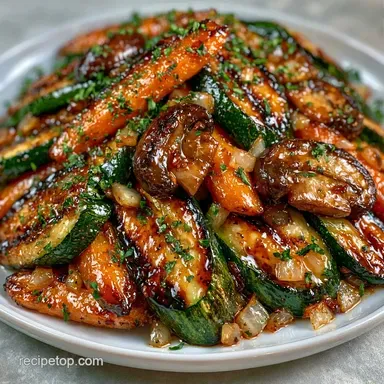
Better-Than-Benihana Hibachi Vegetables
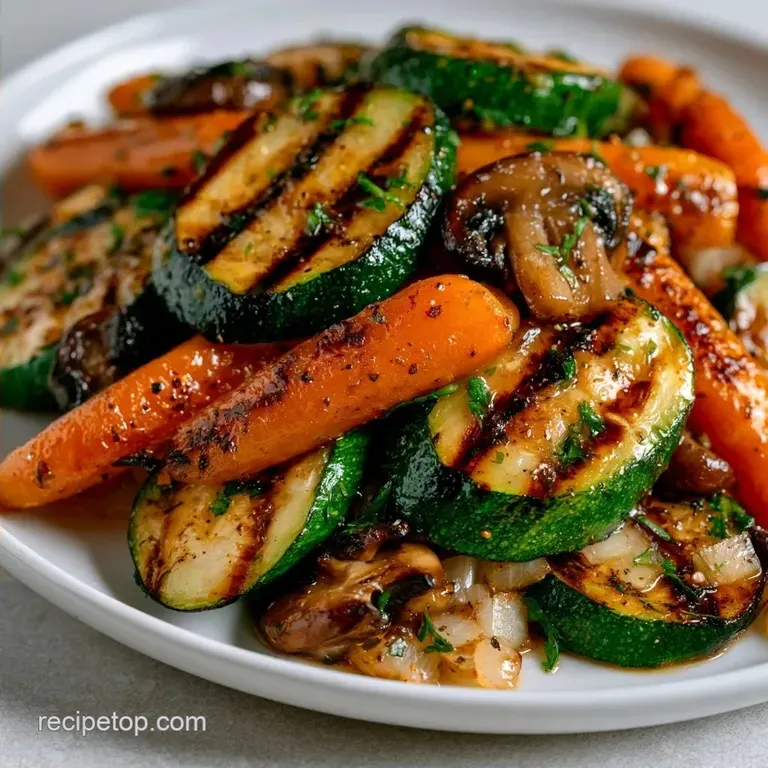
- Time: 10 min prep + 10 min cook
- Flavor/Texture Hook: Savory, charred, and glossy
- Perfect for: Quick weeknight sides or meal prep
The sound of vegetables hitting a scorching hot pan is the best part of this meal. That loud sizzle means you've got the temperature right for a real sear. I used to think I needed a giant flat top grill to get that steakhouse taste, but a cast iron skillet does the job just as well.
You can easily make Hibachi Vegetables at home if you time the additions correctly. The goal is a vibrant mix of colors where nothing turns into mush. It's all about the order of operations.
This approach keeps the nutrients intact and the flavors balanced. You'll get a savory, umami rich glaze that clings to every piece of produce.
Hibachi Vegetables
The trick is using a high smoke-point oil and not crowding the pan. If you add everything at once, the temperature drops and the vegetables boil in their own liquid instead of searing.
Staggered Entry: Adding carrots first and zucchini last prevents the softer vegetables from overcooking. Butter Finish: Adding butter at the end creates a glossy glaze that carries the soy and lemon flavors.
| Method | Time | Texture | Best For |
|---|---|---|---|
| Quick Pan | 10 mins | Crisp tender | Weeknight dinner |
| Classic Flat top | 15 mins | Deeply charred | Large parties |
But what about the equipment? You don't need a professional setup, just something that holds heat.
Quick Recipe Specs
To get this right, follow these precision checkpoints: 1. Oil must shimmer before carrots enter. 2. Carrots cook for exactly 3 minutes. 3. Zucchini is removed the moment the edges brown (about 2-3 minutes).
Gathering Your Essentials
To make a balanced Hibachi Vegetables dish, stick to crisp, firm produce. Overripe zucchini is likely to mush in the pan.
- 1 medium (12 oz / 340g) zucchini, sliced into half moons Why this? Gives it a light, crisp texture
- 1 medium (6 oz / 170g) yellow onion, diced Why this? Forms a sweet, fragrant base
- 8 oz (225g) baby bella mushrooms, sliced Why this? Adds an earthy, savory depth
- 2 medium (6 oz / 170g) carrots, thinly sliced into coins Why this? Provides a pop of color and mild sweetness
- 2 tbsp (30ml) low sodium soy sauce Why this? Serves as the core savory component
- 1 tbsp (15ml) fresh lemon juice Why this? Balances the intensity of the soy
- 1 tsp (5g) garlic powder Why this? Allows for an even garlic flavor throughout
- ½ tsp (2.5g) cracked black pepper Why this? Gives a slight, spicy bite
- 2 tbsp (30ml) avocado oil Why this? High smoke point keeps the oil from burning
- 1 tbsp (14g) unsalted butter Why this? Adds a creamy taste and professional shine
According to USDA FoodData, opting for low sodium soy sauce significantly cuts down on salt without sacrificing the fermented complexity.
Tools You Need
Use a cast iron skillet for the best results. These pans maintain heat more effectively than stainless steel or non-stick alternatives. A wok also works well due to the way it concentrates heat at the bottom.
I suggest using a wide spatula. You'll need to stir the vegetables rapidly to keep the sauce from burning.
Putting It All Together
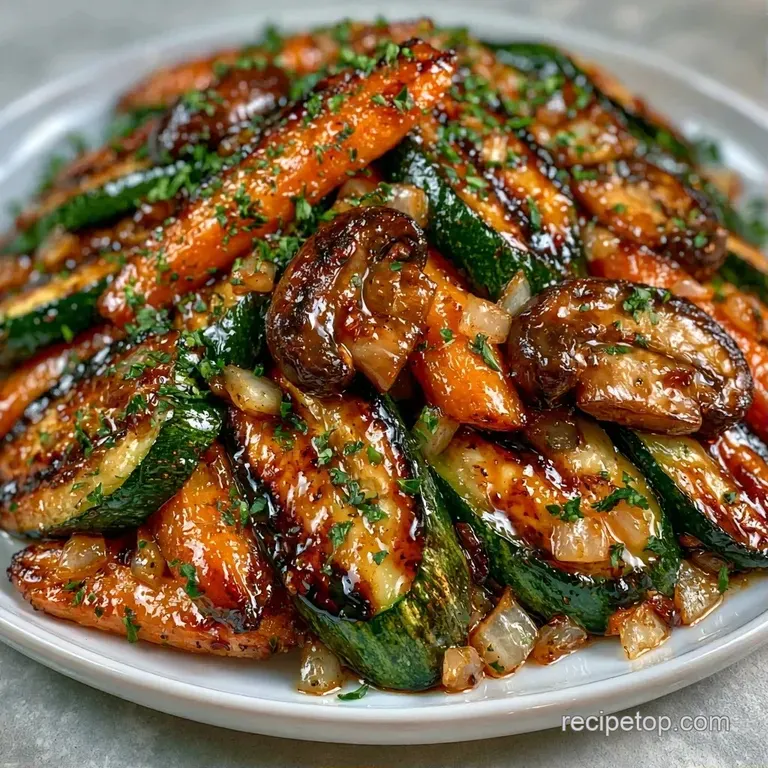
The Mise en Place
Combine the soy sauce, lemon juice, garlic powder, and black pepper in a small bowl and set aside. Because this dish cooks so quickly, ensure all your chopping is finished before you start the heat.
The Searing Phase
Warm the avocado oil in your pan on medium-high until it begins to shimmer.
- Add the sliced carrots. Sauté for 3 minutes until they begin to soften.
- Stir in the diced onions and sliced mushrooms. Sauté for another 3-4 minutes. Note: Avoid stirring too frequently so the mushrooms brown properly.
- Add the zucchini. Sauté for 2-3 minutes until the edges brown and the color stays vibrant.
Adding the Glaze
Pour in the prepared Hibachi Vegetables Sauce and add the butter. Toss everything quickly for about 1 minute until the butter melts and coats the vegetables in a glossy layer.
Pro Tip: Work in two batches if your pan is small. Overcrowding is the fastest way to get steamed, pale vegetables instead of charred ones.
Fixing Common Issues
The most frequent issue with Homemade Hibachi Vegetables is moisture. When vegetables release water, they steam. This happens if the heat is too low or the pan is too full.
Too Much Water
If you see a pool of liquid in the pan, stop stirring. Crank the heat to high and let the liquid evaporate for 2 minutes before adding the sauce.
Burnt Sauce
If the soy sauce turns dark and bitter, you likely added it too early or used too high a heat for the final glaze. Always add the butter at the same time as the sauce to protect the sugars from burning.
| Problem | Fix |
|---|---|
| Mushy Zucchini | Add zucchini last and cook for only 2 minutes |
| Mushrooms not browning | Leave them untouched for 90 seconds |
| Bland flavor | Add a splash more lemon juice at the end |
Mix and Match Options
This recipe is flexible for various dietary needs. For a vegan-friendly version of these Easy Hibachi Vegetables, simply replace the butter with a plant-based substitute or an additional tablespoon of avocado oil.
Keto Swap
To make this low-carb, use cauliflower florets instead of carrots. They develop a great sear and complement the texture of the other vegetables.
Spicy Kick
Stir one teaspoon of red pepper flakes or Sriracha into the sauce. This provides a heat that balances the sweetness of the onions perfectly.
Seasonal Veggies
Try broccoli florets or snap peas during the winter months. Be sure to toss them in when you add the carrots, since they need more time to soften than zucchini.
For a full dinner, serve these alongside a Hibachi Steak recipe.
| Goal | What to change |
|---|---|
| More Umami | Add 1 tsp Worcestershire sauce |
| Brighter Taste | Increase lemon juice to 2 tbsp |
| More Crunch | Reduce zucchini cook time by 1 min |
Storage and Scraps
These Hibachi Vegetables stay fresh in the refrigerator for 3 to 4 days. Keep them in a sealed glass container so moisture doesn't make them soggy.
When reheating, try to skip the microwave. Instead, toss the vegetables into a hot skillet for 2 minutes to restore the sear that microwaves usually ruin.
Save your onion skins and mushroom stems instead of tossing them. I collect veggie scraps in a freezer bag and simmer them with water and peppercorns to create a simple vegetable stock.
The Best Side Pairings
The savory profile of these vegetables needs something creamy or starchy to balance it. I always serve them with a side of steamed jasmine rice.
The real finishing touch is a drizzle of 5 Minute Yum Yum Sauce recipe. The tanginess of the mayo based sauce cuts through the richness of the butter and soy.
A Quick Myth
Many people believe you must use a professional Blackstone grill to get the Benihana Hibachi Vegetables style. That's simply not true. The key is the heat intensity and the order of ingredients, not the brand of the grill.
Whether you're making Quick Hibachi Vegetables for a Tuesday night or a full spread for guests, the result is a balanced, nutrient dense side that tastes like a restaurant treat. Trust the timing, keep the heat high, and enjoy the sizzle.
Recipe FAQs
Which vegetables go into this hibachi mix?
This recipe uses sliced carrots, diced onions, sliced baby bella mushrooms, and zucchini. These ingredients provide a balance of sweetness and earthy flavors.
How to prevent the mushrooms from getting soggy?
Sauté the mushrooms for 3-4 minutes without stirring frequently. This allows them to brown properly instead of releasing too much moisture.
Why are my hibachi vegetables steaming instead of searing?
You are likely stirring the vegetables too often or overcrowding the pan. Let the ingredients sit undisturbed for a few minutes to develop a brown crust.
Is it true that I must use a professional grill for these?
No, this is a common misconception. A cast iron skillet or wok over medium-high heat achieves the same sear.
What is the best way to reheat these vegetables?
Toss them back into a hot skillet for 2 minutes. This restores the sear and prevents the sogginess caused by a microwave.
Do these vegetables need a long time to cook?
False. The total cook time is only 10 minutes once the oil is shimmering.
Hibachi Vegetables in 20 Minutes