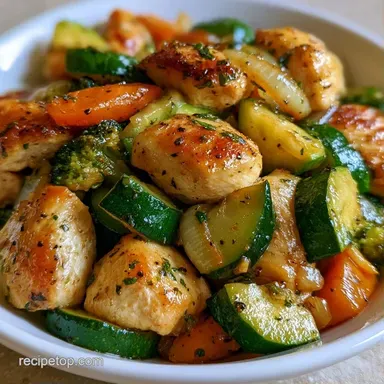
Hibachi Chicken Bowls: Better Than Takeout
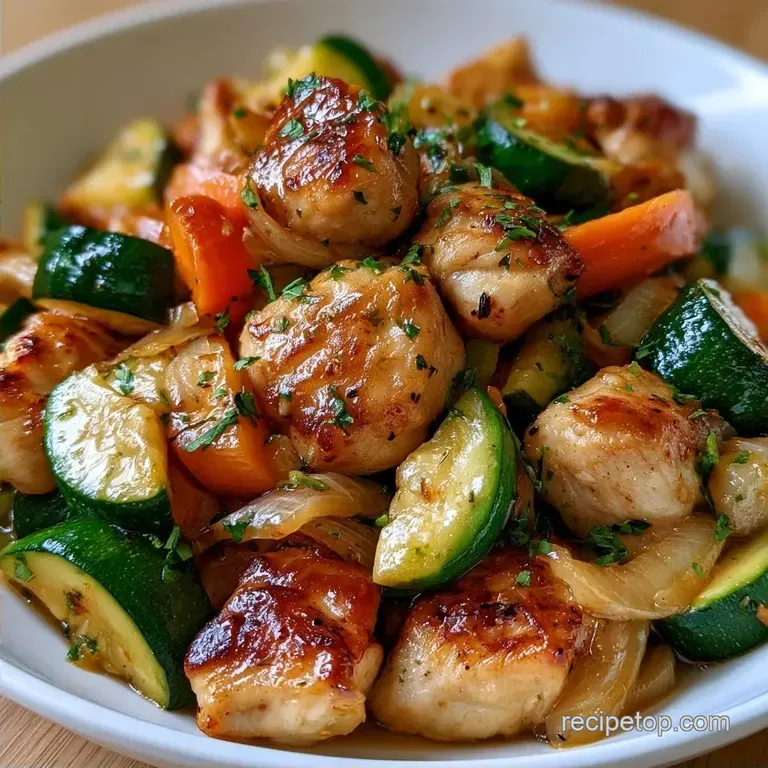
- Time: 20 min prep + 15 min cook
- Flavor/Texture Hook: Mahogany seared chicken and tender crisp zucchini
- Perfect for: Healthy weeknight dinner or balanced meal prep
That specific sound of chicken hitting a screaming hot pan is the best part of this meal. I used to make a huge mistake where I'd crowd the pan with all the meat at once, which basically turned my dinner into a steamed chicken stew. It was grey, rubbery, and totally lacked that steakhouse char.
Once I realized that space in the pan equals flavor, everything changed. These Hibachi Chicken Bowls are all about high heat and patience. You want that deep brown crust on the chicken and a slight snap in the carrots.
We're focusing on a balanced plate here. By using lean breast meat and loading up on the zucchini and onions, you get a high protein meal that doesn't feel heavy. Trust me, the homemade sauce is where it all comes together.
Hibachi Chicken Bowls: Easy Steakhouse Style
Here is why this approach outperforms your usual takeout. The objective is to replicate a commercial flat top grill using a basic home skillet. Because we lack a giant steel surface, precise heat and timing are essential to ensure the vegetables stay crisp rather than becoming mushy.
The rice is where most home cooks stumble. Using warm, freshly made rice creates a sticky mass once the soy sauce is added. However, rice chilled overnight in the refrigerator loses excess moisture.
This allows each grain to fry independently, achieving that signature separate texture you find in professional restaurants.
Cubed chicken breast is our protein of choice because it is lean and clings well to the glaze. Searing it in a combination of oil and butter provides the best result; the butter brings a nutty depth, while the oil raises the smoke point to keep the butter from burning.
This simple balance produces a high-quality, professional crust.
Why These Bowls Actually Work
- Chilled Rice: Cold grains have less surface moisture, which means they fry instead of steaming.
- Butter Oil Mix: The oil raises the smoke point, allowing the butter to brown the meat without scorching.
- Single Layer Searing: Leaving the chicken undisturbed for 3 minutes creates a mahogany crust through caramelization.
| Method | Time | Texture | Best For |
|---|---|---|---|
| Stovetop | 15 mins | Charred & Crispy | Traditional flavor |
| Oven | 25 mins | Uniform & Soft | Large crowds |
If you're looking for something with a different flavor profile, you might like a Bang Bang Chicken Bowl for a bit more heat.
The Right Ingredients for Success
Ensure your vegetables are cut to similar sizes. If the carrots are thick chunks and the zucchini is finely diced, the zucchini will overcook before the carrots are tender.
| Ingredient | What It Does | Best Swap |
|---|---|---|
| Jasmine Rice | Aromatic, neutral foundation | Basmati rice |
| Unsalted Butter | Adds browning and richness | Ghee (better for high heat) |
| Soy Sauce | Adds salt and umami | Tamari (for gluten-free) |
| Lemon Juice | Balances the richness | Rice vinegar |
For the Chicken and Veggies 1 lb boneless skinless chicken breast, cubed into 1 inch pieces Why this? Lean meat that browns quickly 2 tbsp vegetable oil Why this? Stable at high cooking temperatures 3 tbsp unsalted butter Why this? Authentic steakhouse taste 2 cups zucchini, diced Why this? Increases volume and nutrition 1 cup carrots, thinly sliced Why this? Adds a sweet, crisp element 1 cup white onion, diced Why this? Builds aromatic depth 3 tbsp soy sauce Why this? Essential savory saltiness 1 tbsp lemon juice Why this? Cuts through the rich butter 2 cloves garlic, minced Why this? Pungent, aromatic kick
For the Hibachi Fried Rice 3 cups cooked jasmine rice, chilled overnight Why this? Keeps grains from clumping 2 tbsp vegetable oil Why this? Stops rice from sticking to the pan 2 large eggs, lightly beaten Why this? Provides protein and color 2 tbsp soy sauce Why this? Seasons each grain 1 tsp toasted sesame oil Why this? Toasty, nutty aroma 2 stalks green onions, sliced Why this? Zesty, fresh contrast
For the Homemade Yum Yum Sauce 1/2 cup mayonnaise Why this? Creamy foundation 1 tbsp melted unsalted butter Why this? Enhances the richness 1 tbsp tomato paste Why this? Gives color and tang 1 tsp paprika
Why this? Mild earthy note 1 tsp garlic powder Why this? Uniform garlic taste 1 tbsp maple syrup Why this? Balanced sweetness 1 tbsp rice vinegar Why this? Acidity to balance the mayo 3 tbsp
Water Why this? Thins it for easy pouring
| Original Ingredient | Substitute | Why It Works |
|---|---|---|
| Maple Syrup | Honey | Comparable sweetness. Note: Honey is a bit thicker |
| Mayonnaise | Greek Yogurt | More protein, less fat. Note: More tart |
| White Onion | Yellow Onion | Nearly identical flavor. Note: Slightly milder |
I usually use vegetable oil because it has a neutral taste. Avoid using extra virgin olive oil here, as it burns too easily at the high temperatures required for Hibachi Chicken Bowls.
Tools You Need to Use
You don't need a professional grill, but a heavy bottomed skillet is a must. Cast iron or stainless steel works best because they hold heat. Non stick pans are okay, but you won't get as deep of a sear on the chicken.
A sturdy spatula is also key. You'll be pressing the rice down and flipping the chicken, so something that can handle high heat without melting is essential. If you have a wide pan, use it. The more surface area you have, the less likely you are to overcrowd the ingredients.
Step by step Cooking Guide
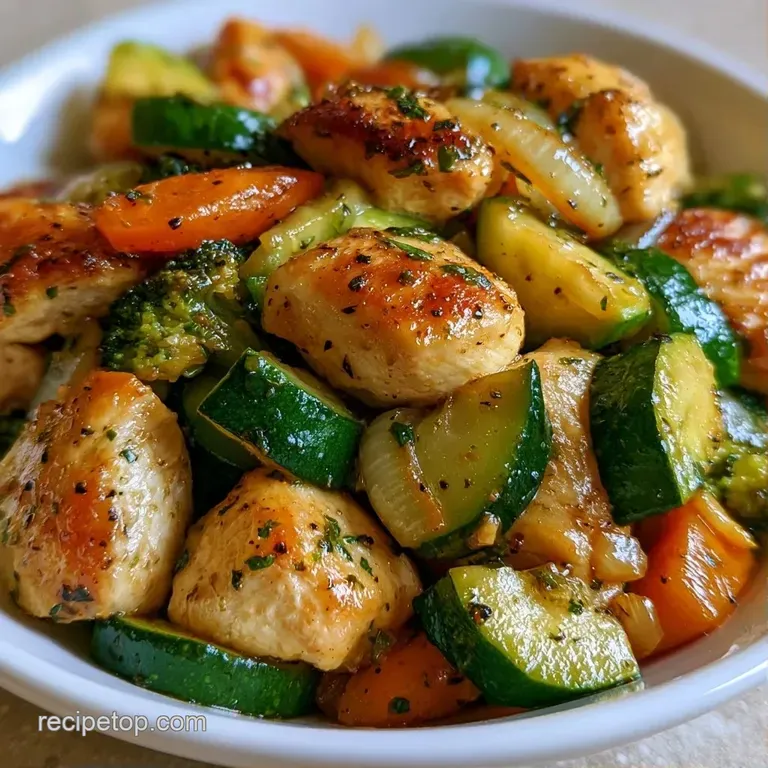
1. The Prep Work
Combine the mayonnaise, melted butter, tomato paste, paprika, garlic powder, maple syrup, and rice vinegar in a small bowl. Gradually stir in water until the sauce reaches a pourable consistency, then refrigerate. Cube the chicken and chop the vegetables, ensuring the carrots and zucchini are uniform in size.
2. Searing the Chicken
Bring 1 tbsp oil and 1 tbsp butter to medium-high heat. When the butter starts foaming, add the chicken in a single layer. Leave it untouched for 2-3 minutes until a mahogany crust forms. Turn the pieces over and cook fully.
In the final minute, stir in the lemon juice, soy sauce, and minced garlic. Transfer the chicken to a plate.
3. Sautéing the Vegetables
Using the same pan, add the rest of the butter and oil. Toss in the onion, carrots, and zucchini. Sauté for 4-5 minutes until tender crisp with charred edges. Add a splash of soy sauce for seasoning, then transfer the vegetables to the plate with the chicken.
4. Frying the Rice
Heat 2 tbsp oil in the pan. Stir in the cold jasmine rice, using a spatula to break up any clumps. Fry for 3-4 minutes until the rice is heated through and slightly toasted. Move the rice to the side of the pan, pour in the beaten eggs, and scramble them until set.
5. The Final Mix
Mix the eggs into the rice. Stir in the sesame oil, soy sauce, and sliced green onions. Toss everything together for about 1 minute.
6. Assembly
Scoop the fried rice into four bowls. Top each serving with the hibachi chicken and vegetables. Finish with a drizzle of the cold Yum Yum sauce.
Fixing Common Cooking Errors
The biggest issue is usually texture. When things get soggy, it's almost always due to moisture or temperature. If your chicken is grey, your pan wasn't hot enough, or you added too many pieces at once.
If the rice is clumping, don't panic. You can use a pressing motion with your spatula to flatten the clumps against the hot metal. This helps the rice fry more evenly.
The Rice is Mushy
This happens if you use warm rice or add too much liquid too early. The grains absorb the soy sauce and swell rather than frying.
The Chicken is Grey
This is a result of "steaming" the meat. It happens when the pan temperature drops because it's overcrowded, trapping steam instead of searing.
The Sauce is Too Thick
If the sauce doesn't drizzle, you likely didn't add enough water. It should be smooth and glossy.
| Problem | Root Cause | Solution |
|---|---|---|
| Mushy Rice | Used fresh/warm rice | Use 24 hour chilled rice |
| Grey Chicken | Overcrowded the pan | Cook in two smaller batches |
| Bland Veggies | Not enough sear time | Cook until edges are brown |
| Thick Sauce | Not enough water | Whisk in water 1 tsp at a time |
Chef Note: If you're using a small skillet, definitely cook the chicken in two batches. It's better to spend an extra 3 minutes than to end up with boiled chicken.
Ways to Change the Flavor
If you want to make these Hibachi Chicken Bowls a bit more exciting, try adding a teaspoon of sriracha or chili garlic sauce to the Yum Yum sauce. It adds a nice kick that cuts through the richness of the mayo.
For a lower carb version, you can swap the jasmine rice for cauliflower rice. Just be sure to sauté the cauliflower rice on high heat for a few minutes first to cook off the excess moisture before adding the eggs and soy sauce.
If you have leftover sauce, it also works great on grilled shrimp. You can even pair this meal with some Hibachi noodle sauce if you want to add a side of stir fried noodles to the bowl.
| Goal | What to change | Impact |
|---|---|---|
| Lower Calorie | Swap rice for cauliflower rice | Lighter meal |
| Higher Fiber | Double the zucchini and carrots | More nutrients |
| Bolder Flavor | Add sriracha to Yum Yum sauce | Spicy finish |
Storage and Leftover Tips
These Hibachi Chicken Bowls remain fresh when refrigerated for 3 days. Store the chicken, vegetables, and fried rice together in an airtight container, but keep the Yum Yum sauce in its own jar. If you combine them before storing, the rice will soak up the sauce and turn mushy.
For reheating, I suggest using a skillet over medium heat with a splash of oil to help the rice regain its fried texture. A microwave is an option, but the rice may become softer.
To minimize waste, toss any leftover carrot or onion scraps into a vegetable stock. Any remaining Yum Yum sauce also makes a wonderful dip for raw cucumbers or carrots.
How to Serve Your Meal
Serve these bowls immediately while the chicken is hot for the best results. I suggest adding a sprinkle of toasted sesame seeds for a bit of extra crunch and a professional finish.
If you are feeding a crowd, try setting this up as a "build-your-own" bar. Place the fried rice in a large bowl and use separate platters for the vegetables and chicken. A squeeze bottle is perfect for easy sauce drizzling.
To keep the meal balanced, ensure there is a healthy ratio of protein to vegetables in every bowl. A good rule of thumb is one handful of rice, one handful of veg, and 4-5 ounces of chicken to keep the meal satisfying without feeling too heavy.
Recipe FAQs
How to prepare the fried rice?
Heat oil in the pan and add chilled jasmine rice. Break up clumps and fry until heated through before scrambling in eggs and stirring in soy sauce and sesame oil.
Is it true that freshly cooked rice is best for this dish?
That's a myth. Using jasmine rice chilled overnight prevents the grains from becoming mushy and allows them to fry properly.
Which vegetables are recommended for the bowls?
Sauté diced zucchini, carrots, and white onion. These provide the traditional hibachi flavor; if you enjoy preserving vegetables this way, see how we use acidity in our quick pickle recipe.
What goes into the Yum Yum sauce?
Whisk mayonnaise, melted butter, tomato paste, paprika, garlic powder, maple syrup, and rice vinegar. Add water to reach your desired consistency and keep it refrigerated until serving.
Hibachi Chicken Bowls for 4 Servings