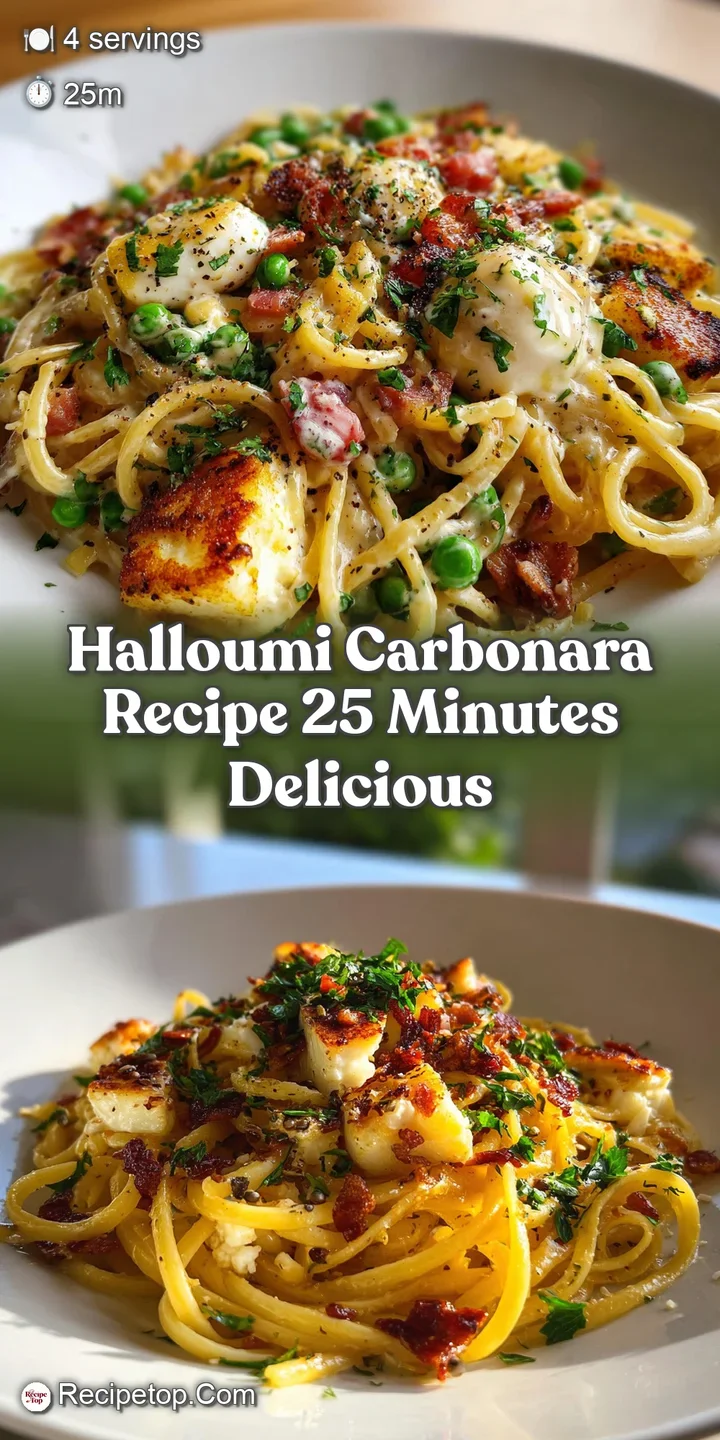
Halloumi Carbonara Recipe: 25 Minutes Delicious
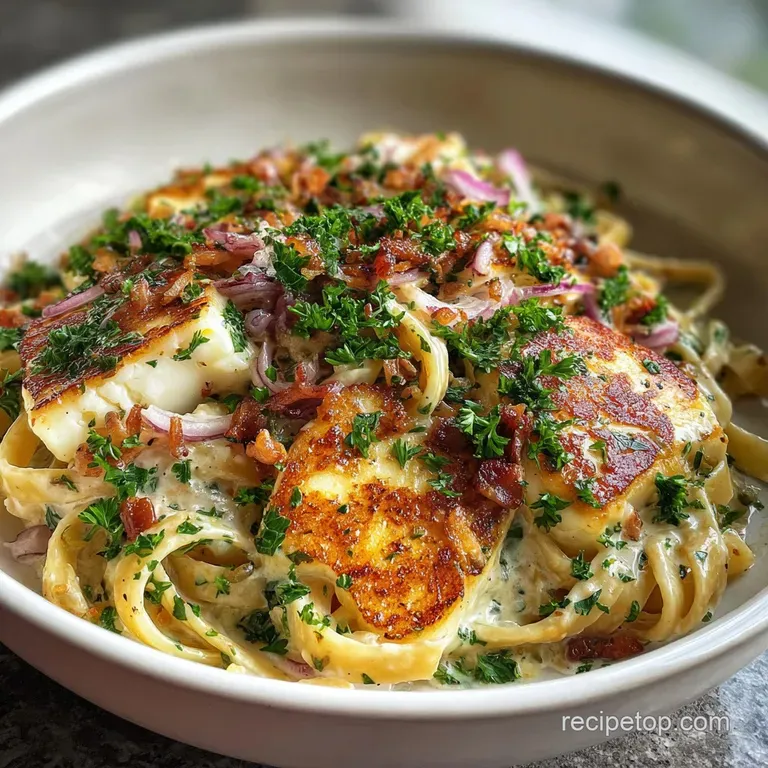
- Time: Active 15 minutes, Passive 10 minutes, Total 25 minutes
- Flavor/Texture Hook: Savory, squeaky halloumi meets velvety, pepper flecked sauce
- Perfect for: Stressful weeknight dinners and meat free Mondays
- Strategic Advantages of This Fast Pasta Method
- Specific Specs for the Home Cook
- Selecting Your Component Elements
- Ingredients and Substitutes
- Executing the Recipe Flow
- Troubleshooting Your Pasta Texture
- Adjusting for Different Groups
- Debunking Carbonara Misconceptions
- Storage and Zero Waste Tips
- Creative Serving Suggestions
- High in Sodium
- Recipe FAQs
- 📝 Recipe Card
The first time I tried this, I was standing in my kitchen at 6:30 PM with a half empty fridge and a very loud, hungry toddler. I had a block of halloumi destined for a salad that never happened and a craving for something comforting.
As soon as those white cubes hit the hot oil, the sizzle was so loud it drowned out the evening news. The aroma of toasted cheese and garlic filled the air, and I knew I was onto something better than my usual buttered noodles.
We've all been there where we want the luxury of a carbonara but don't have the bacon or the energy for a long prep. This dish is my secret weapon. It’s not a "fake" carbonara; it’s a brilliant evolution that uses the saltiness of the halloumi to mimic that classic pork punch.
You get these golden, crispy edges that shatter slightly when you bite into them, contrasting perfectly with the soft, spinach folded pasta.
I've made the mistake of using cold eggs before, which led to a clumpy mess. Trust me, you'll want to set them on the counter first. We’re going for a glossy, emulsified finish that looks like it came from a bistro, but it actually only took us 25 minutes and one decent frying pan.
It's efficient, it's reassuring, and it's honestly become our most requested family meal.
Strategic Advantages of This Fast Pasta Method
- The Physics of the Golden Squeak: over High heat searing triggers the Maillard reaction on the halloumi’s surface while the internal protein structure remains firm. This creates a savory crust that replaces the umami typically provided by cured meats.
- Thermal Carryover: Using the pasta’s residual heat to cook the egg sauce prevents the proteins from tightening too quickly. This ensures a fluid, sauce like consistency rather than a dry, scrambled egg texture.
- Starch Suspension: Emulsifying the Pecorino and egg with starchy pasta water creates a stable fat in-water emulsion. The starch acts as a stabilizer, keeping the cheese from clumping into rubbery balls.
- Flash Wilting: Adding raw spinach to the hot pasta at the final stage preserves the leaves' vibrant color and nutritional integrity. It wilts just enough to become tender without turning into a soggy, watery mess.
| Method | Total Time | Primary Fat Source | Texture Profile |
|---|---|---|---|
| Quick Halloumi | 25 minutes | Extra Virgin Olive Oil | Crispy cubes, silky sauce |
| Classic Roman | 45 minutes | Rendered Pork Fat (Guanciale) | Chewy pork, heavy emulsion |
If you are looking for more fast weeknight inspiration, you might enjoy my One Pot Taco recipe which uses a similar one vessel logic to save time on the cleanup.
Specific Specs for the Home Cook
To get this right on the first try, you need to follow a specific flow. Carbonara is all about timing, so having your ingredients measured out before the water even boils is the only way to avoid a kitchen disaster.
3 Step Execution Timeline
- The Boil (Minutes 0-10): Get the water salted and the spaghetti dropped. While it dances in the pot, whisk your eggs and cheese in a bowl and cube the halloumi.
- The Sear (Minutes 10-18): Fry the halloumi cubes in olive oil until golden on at least two sides. Throw the garlic in for the last 2 minutes just to perfume the oil.
- The Marriage (Minutes 18-25): Toss the pasta directly into the pan with the spinach, remove from heat, and flood it with the egg mixture and pasta water.
Precision Checkpoints
- Halloumi Size: Cut exactly into 1cm cubes to ensure even browning without the middle getting rubbery.
- Water Reserve: Save exactly 100ml of pasta water; you might not use it all, but you’ll regret not having it if the sauce tightens.
- Heat Control: The pan must be off the flame for 30 seconds before adding the eggs to prevent curdling.
Selecting Your Component Elements
| Ingredient | Science Role | Pro Secret |
|---|---|---|
| Large Eggs | Emulsifier | Use room temperature eggs to prevent the sauce from "shocking" and breaking. |
| Halloumi | Salt & Texture | Pat the cheese dry with a paper towel before frying to get a faster, deeper sear. |
| Pecorino Romano | Stabilizer | Grate it on the finest setting so it melts instantly into the egg mixture. |
| Pasta Water | Liquid Gold | The starch binds the oil and egg into a cohesive, glossy coating. |
For a lighter side to pair with this, I often serve my healthy mediterranean chickpea recipe which cuts through the richness of the cheese with fresh lemon and herbs.
Ingredients and Substitutes
- 250g halloumi cheese: Cut into 1cm cubes. Why this? It provides the salt and "bite" usually found in bacon.
- Substitute: pan-fried firm tofu with a dash of soy sauce (for a vegan adjacent twist).
- 1 tbsp extra virgin olive oil: For searing. Why this? High smoke point and flavor.
- Substitute: Avocado oil or unsalted butter.
- 2 cloves garlic: Smashed. Why this? Infuses the oil with a subtle, aromatic base.
- Substitute: 1/2 tsp garlic powder mixed into the eggs.
- 400g dried spaghetti: The classic vessel. Why this? Long strands hold the silky sauce best.
- Substitute: Linguine or fettuccine.
- 3 large eggs: Room temperature. Why this? Creates the rich, custard like base.
- Substitute: 2 whole eggs plus 2 yolks for an even richer finish.
- 50g Pecorino Romano cheese: Finely grated. Why this? Sharp, salty flavor profile.
- Substitute: Parmesan (Parmigiano Reggiano) for a milder taste.
- 1 tsp coarsely cracked black pepper: Freshly ground. Why this? Essential for the "charcoal" flavor of carbonara.
- Substitute: Red pepper flakes for heat.
- 100g baby spinach: Fresh leaves. Why this? Adds color and a needed vegetal note.
- Substitute: Arugula or finely chopped kale.
Executing the Recipe Flow
- Prepare the egg base. Whisk the 3 large eggs, 50g grated Pecorino Romano, and 1 tsp black pepper in a small bowl. Note: Whisking well ensures the cheese is suspended in the egg for a smoother melt.
- Boil the pasta. Cook 400g spaghetti in salted boiling water until al dente (usually 1-2 mins less than the box says).
- Sear the halloumi. While pasta boils, heat 1 tbsp olive oil in a large skillet over medium high heat. Add 250g halloumi cubes.
- Brown the cheese. Fry the halloumi for about 5 minutes until golden and crackling on all sides.
- Aromatize the oil. Add 2 smashed garlic cloves to the halloumi pan for the final 2 minutes until fragrant and pale gold.
- Save the liquid. Scoop out a cup of pasta water before draining. Note: Never forget this step; it's the difference between dry pasta and a velvety sauce.
- Combine the basics. Add the drained spaghetti and 100g baby spinach to the skillet with the halloumi.
- The Emulsion. Remove skillet from heat. Pour in the egg mixture and 60ml of the reserved pasta water.
- The Final Toss. Use tongs to vigorously stir the pasta for 1 minute until the sauce thickens into a glossy coating.
- Adjust and serve. Add more pasta water if it looks too thick. Serve immediately while the sauce is at its peak creaminess.
Troubleshooting Your Pasta Texture
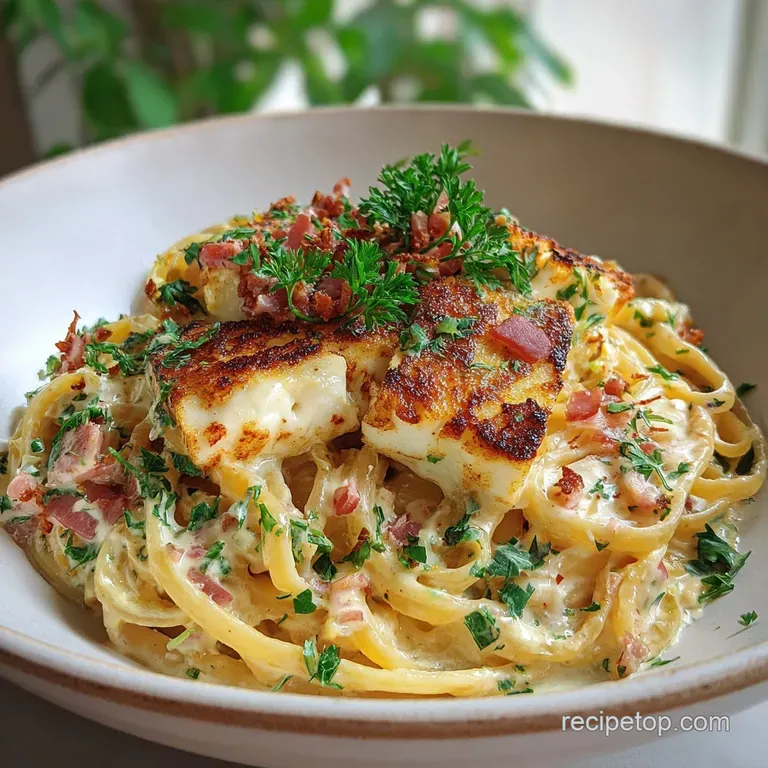
The Egg Scramble Disaster
If your sauce looks like breakfast eggs rather than a smooth cream, the pan was likely too hot when you added the mixture. Residual heat is powerful. Always move the pan to a cool burner or a trivet before adding the eggs.
The Dry Noodle Problem
Sometimes the pasta absorbs the sauce faster than you can serve it. This usually happens if the pasta wasn't wet enough when hitting the pan or if you waited too long to eat.
| Problem | Root Cause | Solution |
|---|---|---|
| Clumping Cheese | Cheese was grated too coarsely | Use a microplane or the finest side of a box grater next time. |
| Watery Sauce | Not enough cheese or too much water | Add an extra handful of cheese and stir over very low heat for 10 seconds. |
| Tough Halloumi | Overcooked or cut too large | Sear quickly on high heat; keep cubes to 1cm or smaller. |
Common Mistakes Checklist
- ✓ Using eggs straight from the fridge (leads to clumping).
- ✓ Throwing away all the pasta water (the sauce will be dry).
- ✓ Adding the egg mixture while the pan is still on the active burner.
- ✓ Not seasoning the pasta water with enough salt (the pasta itself will taste bland).
- ✓ Overcooking the spaghetti in the boiling water (it continues to cook in the skillet).
Adjusting for Different Groups
When you need to scale this recipe down for a solo lunch, it's quite simple. For a half batch (2 servings), use 200g of pasta and 2 eggs. You’ll find the halloumi sears faster in a smaller pan, so keep an eye on the clock reduce the frying time by about 20%.
If you're doubling this for a family gathering of 8, do not double the oil or the black pepper. Use 1.5x the spices and work in two batches for the halloumi. Crowding the pan with 500g of cheese will cause it to steam and release water rather than getting that essential crispy crust.
Use your largest pot to toss everything at the end to ensure every strand gets coated.
Debunking Carbonara Misconceptions
Adding cream is a common "cheat" to get a silky texture, but it actually masks the delicate flavor of the Pecorino and the halloumi. A true carbonara relies on the emulsion of fat and starch, not dairy fat. The result is a much cleaner, more sophisticated palate.
Another myth is that you need a lot of oil. Since halloumi is a high fat cheese, it will release some of its own oils as it sears. You only need that initial tablespoon of olive oil to get the process started. Using too much will result in a greasy mouthfeel that weighs down the fresh spinach.
Storage and Zero Waste Tips
Storage Guidelines: Carbonara is notoriously difficult to reheat because the egg sauce tends to scramble when hit with high heat again. If you have leftovers, store them in an airtight container in the fridge for up to 2 days.
To reheat, add a splash of water or milk to a pan over low heat and toss the pasta gently just until warmed through. Never use the microwave for this; it's a one way ticket to rubbery noodles.
- Garlic Skins
- Save the skins from your smashed cloves for your next batch of homemade vegetable stock.
- Spinach Stems
- If your baby spinach has longer stems, don't toss them! Chop them finely and sauté them with the halloumi for extra fiber.
- Leftover Halloumi
- If you have a small nub of cheese left, grate it over a salad or use it to top a bowl of soup for a salty garnish.
Creative Serving Suggestions
While this dish is a powerhouse on its own, a few simple additions can change the vibe entirely. I love serving this with a side of roasted cherry tomatoes. The acidity of the tomatoes cuts through the salty cheese beautifully.
You can also add a squeeze of fresh lemon juice right before serving to brighten the whole experience.
Chef's Tip: If you want a bit of crunch, toast some panko breadcrumbs with a little lemon zest and sprinkle them over the top. It adds a "shatter" texture that mimics the crispy halloumi edges even further.
For those who want a bit more heat, a drizzle of chili oil or a sprinkle of Aleppo pepper at the very end works wonders. It transforms the dish from a comforting classic into something a bit more modern and edgy.
Just remember to keep the wine pairing simple a crisp Pinot Grigio or a dry sparkling water with lime is all you need.
High in Sodium
1040 mg mg of sodium per serving (45% % of daily value)
The American Heart Association recommends limiting sodium intake to about 2,300mg per day.
Tips to Reduce Sodium in Your Spaghetti Carbonara
-
Lower Sodium Cheese-20%
Halloumi and Pecorino Romano cheeses are high in sodium. Consider using a lower sodium cheese like mozzarella or ricotta salata, or reduce the quantity used.
-
Rinse Halloumi-15%
Rinsing the halloumi cheese before cooking can help to remove some of the surface sodium. Place the cubed halloumi in a colander and rinse thoroughly under cold water before adding it to the recipe.
-
Egg Yolks Only-10%
Consider using only egg yolks instead of whole eggs for the carbonara sauce. Using 3-4 egg yolks instead of 3 whole eggs can create a richer sauce, allowing you to reduce the amount of cheese needed for flavor.
-
Fresh Garlic Power
Garlic adds great flavor to the dish without any sodium. Increase the amount of fresh garlic or garlic powder used for a richer flavor.
-
Herbs & Spices
Experiment with fresh or dried herbs and spices like basil, oregano, or red pepper flakes to enhance the flavor without adding sodium. They can help you reduce reliance on saltier ingredients.
Recipe FAQs
Can I use regular cheese instead of halloumi?
No, it won't be the same. Halloumi's unique firm texture and salty bite are key to this recipe's flavor profile, mimicking the role of cured pork in traditional carbonara.
Why is my sauce scrambled instead of creamy?
The pan was too hot when the eggs were added. Carbonara sauce relies on the residual heat of the pasta and pan to gently emulsify the eggs, not direct heat which causes them to scramble.
How do I prevent the pasta from being too dry?
Always reserve pasta water. The starchy water is crucial for creating a smooth, glossy sauce and preventing the pasta from becoming dry or clumpy. It helps emulsify the egg and cheese mixture.
What's the secret to getting the halloumi crispy?
Pat it dry and use medium high heat. Moisture prevents crisping; drying the halloumi cubes thoroughly before searing helps them brown nicely. For similar texture control, see how we manage dough in our Focaccia recipe.
Can I make this ahead of time?
It's best served immediately. Carbonara's creamy sauce is an emulsion that doesn't reheat well and can become scrambled or oily. For other quick pasta options, try our Creamy Sun Dried Tomato Pasta Recipe in 20 Minutes.
Is it essential to use Pecorino Romano?
It's highly recommended for authenticity. Pecorino Romano provides the sharp, salty flavor characteristic of carbonara. While Parmesan can be used as a substitute, the taste will be milder.
Can I add other vegetables to this recipe?
Yes, but keep it simple. Besides the spinach, consider adding quickly sautéed mushrooms or peas. For more elaborate vegetable dishes, check out our Easy Low Carb Zucchini Boat Recipe with Ground Beef Ready in 40 Minutes.
Halloumi Carbonara Recipe
Ingredients:
Instructions:
Nutrition Facts:
| Calories | 689 kcal |
|---|---|
| Protein | 34.7 g |
| Fat | 28.3 g |
| Carbs | 74.9 g |
| Fiber | 2.8 g |
| Sugar | 1.6 g |
| Sodium | 1040 mg |
