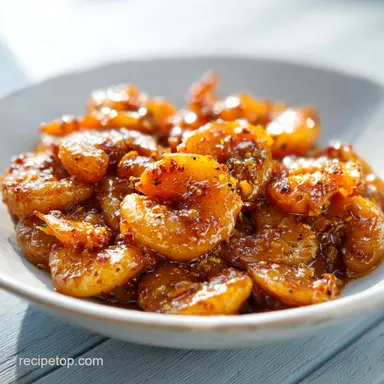
Garlic Butter Stir Fry: Glossy and Pan-Seared
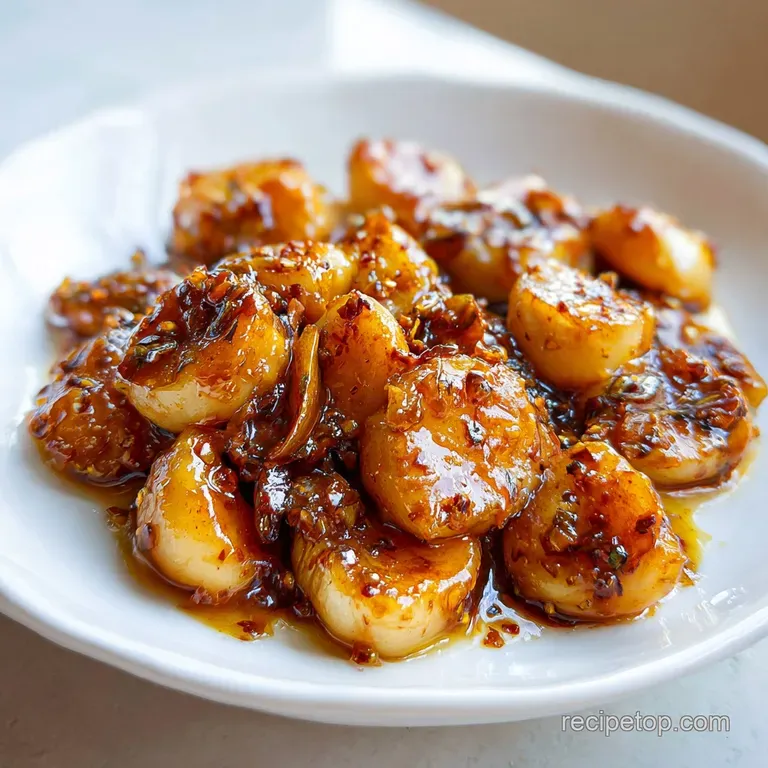
- Time: 10 min prep + 10 min cook = Total 20 minutes
- Flavor/Texture Hook: Velvety, glossy sauce with blistered, snap crisp vegetables
- Perfect for: Fast weeknight dinners or high protein meal prep
- Easy Garlic Butter Stir Fry Secrets
- Logic Behind the Glaze
- Choosing Your Cooking Method
- Component Analysis
- Essential Pantry Elements
- Step by Step Cooking
- Common Cooking Fixes
- Adjusting the Serving Size
- Debunking Kitchen Myths
- Keeping Leftovers Fresh
- Best Side Dish Pairings
- High in Sodium
- Recipe FAQs
- 📝 Recipe Card
Easy Garlic Butter Stir Fry Secrets
The first thing you'll notice is that aggressive sizzle when the chicken hits the oil. It's a sound that usually means dinner is actually going to happen on time tonight. I used to think you needed a commercial grade wok and a jet engine burner to get those charred edges on the broccoli, but that's a total myth.
You can get the same result in a heavy skillet if you just stop stirring for a minute.
Right then, the secret is in the butter. Most people add butter at the start, and then it burns and turns bitter. I learned the hard way after a few blackened pans that you have to treat butter as the finishing touch.
When you drop it in at the end, it foams up and carries the garlic flavor into every single nook and cranny of the meat and veg.
Trust me on this, don't overthink the prep. Get everything chopped and sitting in bowls before you even turn on the stove. Once that oil starts shimmering, things move fast. You'll be going from raw chicken to a glossy, velvet coated meal in about ten minutes. Let's crack on with how to actually make this work.
Logic Behind the Glaze
Instead of a thick, floury gravy, this recipe uses a specific sequence to build flavor layers. We start with oil for the over high heat sear and end with butter for the richness.
- The Sear: High heat creates a brown crust on the chicken, which adds a deep, savory layer that boiling or steaming just can't touch.
- Butter Foaming: When butter melts and bubbles, the water evaporates, allowing the milk solids to toast and create a nutty base for the garlic.
- Starch Binding: The cornstarch slurry acts like a glue, pulling the soy sauce and honey together into a thick coating that clings to the food.
- Aromatic Timing: Adding garlic and ginger late prevents them from scorching, which would otherwise make the whole dish taste acrid.
Choosing Your Cooking Method
Depending on what gear you have in the kitchen, the texture of your Garlic Butter Stir Fry will shift slightly. Here is how to pick your path.
| Method | Time | Texture | Best For |
|---|---|---|---|
| Heavy Skillet | 10 min | Charred edges | Quick weeknight |
| Traditional Wok | 8 min | Ultra crispy | High volume cooking |
| Non Stick Pan | 12 min | Softer finish | Easier cleanup |
Component Analysis
Before we start chopping, it's helpful to understand why these specific ingredients are in the pan. It's not just about taste, it's about how they react to the heat.
| Ingredient | Science Role | Pro Secret |
|---|---|---|
| Unsalted Butter | Flavor Carrier | Adds a velvety mouthfeel and toasts the garlic |
| Soy Sauce | Umami Base | Provides the salt and depth needed to balance honey |
| Cornstarch | Thickener | Creates that glossy, restaurant style shine |
| Honey | Glaze Agent | Caramelizes quickly to create a sticky coating |
Essential Pantry Elements
Make sure you have these ready to go. I've included some swaps if you're missing something, but keep in mind that changing the fat or the salt source will alter the final vibe of the dish.
- 1 lb chicken breast, cubed Why this? Lean protein that sears quickly
- 3 cups mixed vegetables (broccoli, carrots, red bell peppers, snap peas) Why this? Variety of textures and colors
- 2 tbsp neutral oil Why this? High smoke point prevents burning
- 4 tbsp unsalted butter Why this? Creates the signature rich glaze
- 6 cloves garlic, minced Why this? Bold, pungent aromatic base
- 1 tsp fresh ginger, grated Why this? Adds a sharp, zesty contrast
- 2 tbsp soy sauce Why this? Essential salty umami component
- 1 tbsp honey Why this? Balances the salt with a floral sweetness
- 1 tsp sriracha Why this? Adds a subtle, warming heat
- 1 tsp cornstarch Why this? Thickens the sauce instantly
- 1 tbsp water Why this? Dissolves cornstarch for a smooth slurry
Smart Ingredient Swaps
| Original Ingredient | Substitute | Why It Works |
|---|---|---|
| Unsalted Butter | Ghee (4 tbsp) | Higher smoke point. Note: Slightly nuttier flavor |
| Soy Sauce | Coconut Aminos (2 tbsp) | Lower sodium. Note: Sweeter and less salty |
| Honey | Maple Syrup (1 tbsp) | Similar viscosity. Note: Adds a distinct autumnal sweetness |
| Chicken Breast | Shrimp (1 lb) | Same cook time. Note: Cook for 2 mins per side only |
If you're looking for a way to bulk this up, you could serve this over a Cheesy Beefy Garlic Butter Rice to turn it into a massive feast. Just make sure the rice is fluffy so it can soak up that extra garlic butter sauce.
Step by step Cooking
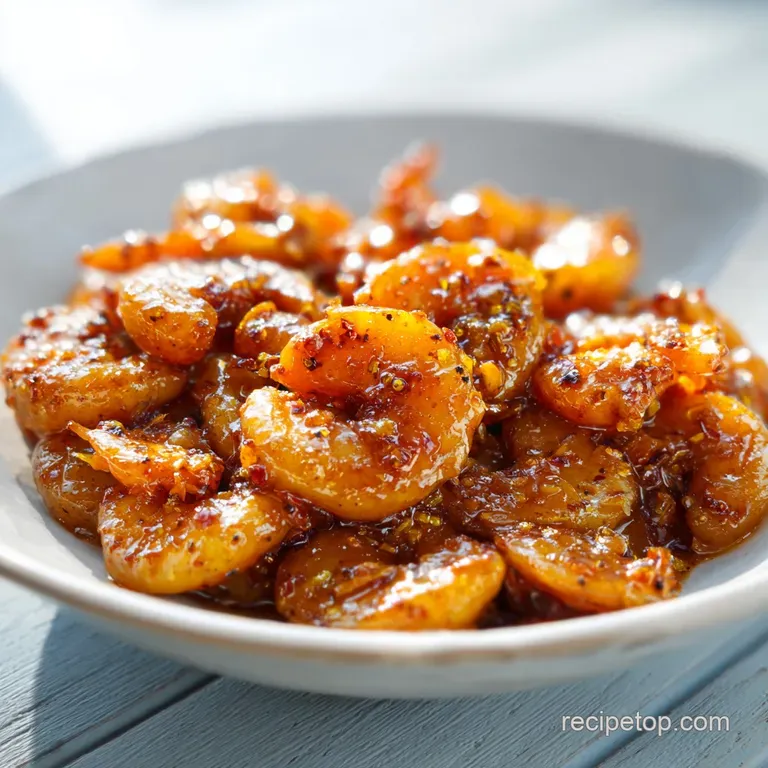
Follow these steps exactly. The timing is tight, so don't wander off to check your phone once the pan is hot.
- Heat neutral oil in a wok or large skillet over high heat until it begins to shimmer.
- Add the cubed chicken in a single layer. Let it sear undisturbed for 2 minutes until a golden brown crust forms, then toss until cooked through.
- Remove the chicken from the pan and set it aside on a plate. Note: This prevents the chicken from getting rubbery while the veg cooks.
- Add the mixed vegetables to the same pan. Stir fry rapidly for 3-5 minutes until the edges are blistered and charred but the center remains crisp.
- Reduce the heat to medium. Push the vegetables to the sides and add the butter and minced garlic to the center.
- Stir the butter and garlic for 60 seconds until the butter foams and smells fragrant.
- Pour in the soy sauce, honey, and sriracha. Stir quickly to combine.
- Return the cooked chicken to the pan and toss until every piece is coated in the bubbling sauce.
- Mix the cornstarch and water in a small cup, then stir the slurry into the pan.
- Cook for 30 seconds until the sauce transforms into a glossy, thick glaze that clings to the ingredients.
Common Cooking Fixes
Even the best of us have a "sauce disaster" now and then. Usually, it comes down to heat management or the ratio of liquid to starch.
Avoiding Soggy Vegetables
Sogginess happens when you overcrowd the pan. If there are too many vegetables, they release moisture and steam instead of searing. To fix this, cook the veg in two batches if your pan is small.
Fixing Thin Sauce
If your sauce looks more like soup than a glaze, you likely didn't let the cornstarch slurry simmer long enough. Give it another 30-60 seconds on medium high heat. If it's still thin, mix another half teaspoon of cornstarch with a drop of water and stir it in.
Preventing Bitter Garlic
Garlic burns in a heartbeat over high heat. That's why we drop the temperature to medium before adding the butter. If you see the garlic turning dark brown instead of golden, add a splash of water immediately to cool the pan.
| Problem | Root Cause | Solution |
|---|---|---|
| Sauce is too salty | Too much soy sauce | Add a squeeze of lime or extra honey |
| Chicken is dry | Overcooked during sear | Remove chicken immediately after browning |
| Veg is raw in middle | Heat too high, time too short | Lower heat slightly and cover for 1 min |
Pro Tip Checklist
- ✓ Pat chicken completely dry with paper towels before searing (essential for the crust)
- ✓ Use a wide pan to ensure ingredients have space to breathe
- ✓ Mix cornstarch with cold water, never hot, to avoid clumps
- ✓ Let the oil reach the shimmering point before adding protein
Adjusting the Serving Size
Scaling a stir fry is different from scaling a cake. You can't just double everything and expect the same result because the pan surface area stays the same.
Scaling Down (Half Recipe): Use a smaller skillet. Reduce the vegetable cook time by about 20% since there is less moisture in the pan. If the recipe calls for an egg in a variation, beat it first and use half.
Scaling Up (Double/Triple): This is where people mess up. Do NOT double the soy sauce or salt immediately; start with 1.5x and taste. Most importantly, work in batches. If you put 2 lbs of chicken in one pan, it will boil in its own juices and you'll lose that shatter crisp texture.
Baking Adjustment: If you're turning this into a baked casserole, lower the oven to 375°F (190°C) and extend the time to 20 minutes. The sauce will thicken differently in the oven, so add an extra tablespoon of water to the slurry.
Debunking Kitchen Myths
Myth: Searing seals in the juices. Truth: Searing doesn't actually "seal" anything. Moisture loss happens throughout the cooking process. The sear is entirely about flavor and texture through browning.
Myth: You need a wok for "Wok Hei". Truth: While a wok is great, any heavy bottomed pan that can hold high heat will give you that charred, smoky flavor. It's more about the temperature of the metal than the shape of the pot.
Myth: Butter cannot be used for stir frying. Truth: You can't use it for the initial over high heat sear because it burns, but using it as a finishing glaze provides a richness that oil alone can't match.
Keeping Leftovers Fresh
Storage: Store this in an airtight container in the fridge for up to 4 days. The sauce will thicken as it cools, which is normal.
Freezing: You can freeze this for up to 2 months. However, be warned that broccoli and bell peppers lose their snap and can become a bit mushy upon thawing. For the best results, freeze only the chicken and sauce, and add fresh veg when reheating.
Reheating: Avoid the microwave if you can. Instead, toss the leftovers into a hot skillet with a teaspoon of water. This loosens the glaze and brings back the sizzle without overcooking the meat.
Zero Waste Tip: Don't throw away the stems of the broccoli or the ends of the carrots. Dice them very small and toss them in during the vegetable phase. They add a great crunch and reduce waste.
Best Side Dish Pairings
Since this dish is heavy on the garlic and butter, you want sides that either cut through the richness or lean into the comfort.
For something light and fresh, I highly recommend my Garlic Lemon Green Beans recipe. The citrusy brightness of the beans balances the salty sweet glaze of the stir fry perfectly.
If you're feeding a crowd and want something more filling, a simple bowl of steamed jasmine rice or quinoa works. For a low carb option, cauliflower rice is a great substitute. The neutral flavor of the rice allows the garlic butter sauce to be the star of the show.
High in Sodium
980 mg 980 mg of sodium per serving (43% 43% of daily value)
The American Heart Association recommends a daily limit of 2,300mg, with an ideal limit of 1,500mg for most adults to reduce the risk of cardiovascular disease.
Tips to Reduce Sodium
-
Low-Sodium Soy Swap-20%
Replace regular soy sauce with low-sodium soy sauce or coconut aminos to significantly lower the salt content of the glaze.
-
Add Acidic Brightness-15%
Add a squeeze of fresh lime or lemon juice to the sauce; the acidity mimics the taste of salt and enhances overall flavor.
-
Sriracha Alternative-10%
Substitute sriracha with fresh chili flakes or chopped red chilies to get the heat without the added processed sodium.
-
Dilute the Base-10%
Reduce the soy sauce by half and increase the water or a splash of apple cider vinegar to maintain the sauce volume.
-
Boost Aromatics
Increase the amount of freshly grated ginger or cracked black pepper to add complexity and depth without adding sodium.
Recipe FAQs
Can a diabetic have stir fry?
Yes, but monitor the honey and soy sauce. These ingredients contain sugars and sodium that can impact blood glucose levels, so adjust quantities based on your dietary needs.
What to have garlic butter stir fry with?
Serve it over steamed white rice or quinoa. For those wanting a more filling meal, it pairs excellently with roasted red potatoes.
Can you eat stir fry with high cholesterol?
Yes, in moderation. Focus on the mixed vegetables and use a heart healthy neutral oil for the initial sear to balance the saturated fat from the butter.
Can you stir fry with butter?
Yes, but not for the high heat phase. Butter has a low smoke point and burns quickly, which is why this recipe uses neutral oil for searing and adds butter only when the heat is reduced to medium.
How to prevent the chicken from getting rubbery?
Remove the chicken from the pan as soon as it is cooked through. Setting it aside prevents it from overcooking while you blister the vegetables.
Is it true that you must add garlic at the beginning with the oil?
No, this is a common misconception. Adding garlic to shimmering high heat oil often burns the garlic; adding it to foaming butter on medium heat ensures a rich, toasted flavor without bitterness.
How to get the sauce to thicken and look glossy?
Stir in a cornstarch slurry made of cornstarch and water at the final stage. Cook for exactly 30 seconds to transform the liquid into a thick, shiny glaze.
Garlic Butter Stir Fry