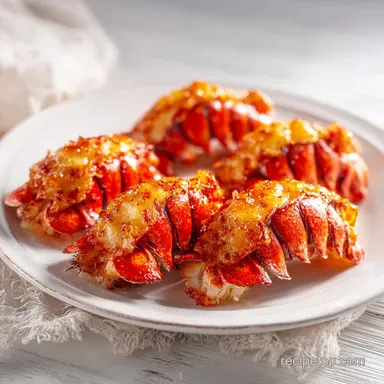
Baked Lobster Tails with Garlic Butter
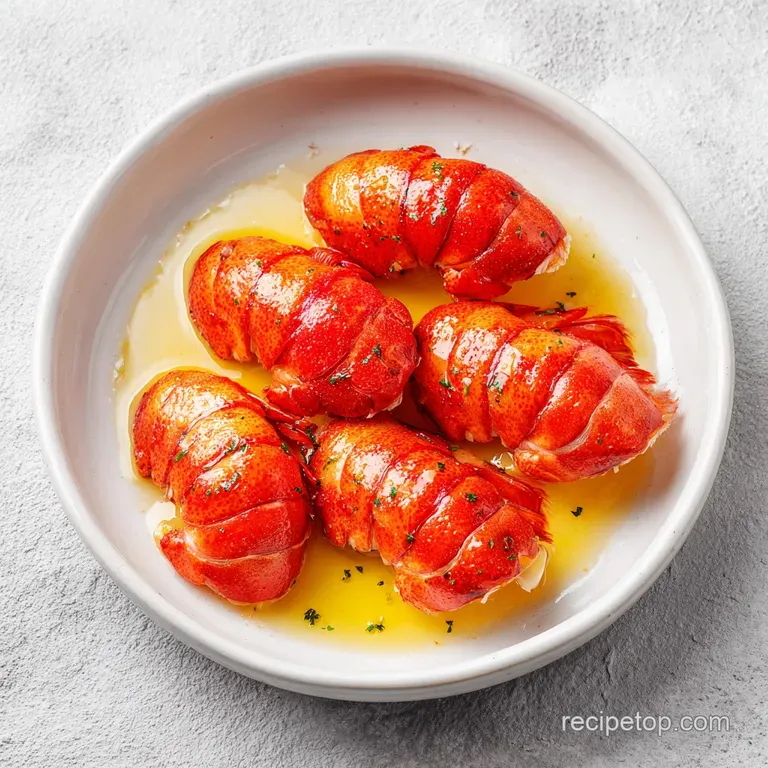
- Time:15 minutes active + 12 minutes cooking = Total 27 minutes
- Flavor/Texture Hook: Velvety garlic butter with a tender, opaque center
- Perfect for: An impressive but quick weeknight treat or a date night
- Easy Baked Lobster Tails For Any Night
- How This Actually Works
- The Garlic Butter Logic
- Essential Ingredients
- Required Tools
- Step-by-Step Method
- Fixing Common Problems
- Customizing Your Meal
- Adjusting the Batch Size
- Debunking Seafood Myths
- Storage And Freshness
- Best Serving Ideas
- Recipe FAQs
- 📝 Recipe Card
That scent of sizzling garlic butter hitting a hot oven is honestly one of the best smells in the world. I remember the first time I tried to make this for a family get together. I was terrified of ruining the expensive tails, so I kept them in the shell and cooked them until they looked "done".
I ended up with something that had the texture of a pencil eraser. It was a total disaster, and I think we all just pretended it tasted fine while chewing for five minutes straight.
Since then, I've learned that the trick isn't about the heat, but about how the heat reaches the meat. Most of us grew up seeing these as "fancy" dishes, but they're actually incredibly straightforward if you stop overthinking them. You don't need a culinary degree to get that steakhouse result at home.
We're going to focus on a method that's budget smart, efficient, and foolproof. You'll get that velvety texture and a rich, savory crust without the stress. These Baked Lobster Tails are all about the balance between the acidity of the lemon and the richness of the butter.
Easy Baked Lobster Tails For Any Night
Right then, let's get into why most people struggle with this. The biggest issue is that lobster meat is incredibly lean and sensitive. One minute too long in the oven and the proteins tighten up, squeezing out all the moisture. This is why you often get that "rubbery" feel.
The goal is to get the internal temperature to exactly 135-140°F, then let the heat finish the job while the meat rests.
Another common mistake is just pouring butter on top. If the butter doesn't actually penetrate the meat, you're just eating steamed lobster with a side of melted fat. By using the butterfly technique, we create a landing pad for the seasoning.
This ensures every bite of your Baked Lobster Tails is infused with garlic and smoked paprika, rather than just the surface.
Finally,, there's the "frozen fear". Many people think they need fresh off-the boat lobster, but most "fresh" lobster at the store was flash frozen anyway. The key is how you thaw it. If you rush it with warm water, you ruin the texture.
A slow thaw in the fridge is the only way to go if you want that tender, succulent bite.
How This Actually Works
Since we're keeping this practical, here's the logic behind the method:
- Direct Heat Access: Lifting the meat onto the shell lets the oven air hit the lobster directly, cooking it faster and more evenly.
- Acid Balance: The lemon juice cuts through the heavy butter, preventing the dish from feeling too greasy on the palate.
- Carry over Heat: Removing the tails at 135°F allows the internal temperature to rise to the safe zone while resting, which keeps the meat tender.
- Paprika Infusion: The smoked paprika doesn't just add color, it provides a woody depth that mimics a charcoal grill.
| Method | Time | Texture | Best For |
|---|---|---|---|
| Fast Broil | 6-8 mins | Charred / Firm | Quick appetizers |
| Classic Bake | 12 mins | Velvety / Even | Main course dinner |
| Steam | 10 mins | Soft / Plain | Purest flavor |
The Garlic Butter Logic
I like to think of the seasoning as a blanket that protects the meat from drying out. Here is a breakdown of what each part is actually doing.
| Ingredient | Science Role | Pro Secret |
|---|---|---|
| Unsalted Butter | Fat Carrier | Use high-quality butter for a silkier mouthfeel |
| Lemon Juice | pH Modifier | Add it at the end of mixing to keep the flavor bright |
| Smoked Paprika | Color & Depth | Use "smoked" instead of "sweet" for a steakhouse vibe |
| Garlic | Aromatic Base | Mince it super fine so it doesn't burn in the oven |
Essential Ingredients
For this to work, you need to be precise with your fats and acids. Don't be tempted to use margarine or low-fat spreads, as they separate at high heat and will leave your lobster greasy.
- 4 lobster tails (approx. 6 oz / 170g each) Why this? Standard size for even cooking
- 1 tbsp olive oil Why this? Prevents the shell from sticking to the pan
- 1/2 cup unsalted butter, melted Why this? The primary flavor and moisture vehicle
- 3 cloves garlic, minced Why this? Adds a sharp, savory punch
- 1 tbsp fresh lemon juice Why this? Cuts through the richness
- 1 tsp smoked paprika Why this? Gives a rich, reddish gold color
- 1/2 tsp kosher salt Why this? Enhances natural sweetness
- 1/4 tsp black pepper Why this? Subtle heat
- 1 tbsp fresh parsley, finely chopped Why this? Adds a fresh, green finish
Smart Substitutions
If you're trying to keep things budget-friendly or dietary specific, these swaps work well.
| Original Ingredient | Substitute | Why It Works |
|---|---|---|
| Unsalted Butter | Ghee (Clarified Butter) | Higher smoke point. Note: Slightly nuttier flavor |
| Smoked Paprika | Old Bay Seasoning | Classic seafood profile. Note: Reduce added salt |
| Lemon Juice | White Wine (dry) | Similar acidity. Note: Adds a more complex, fermented note |
| Fresh Parsley | Dried Chives | Mild onion flavor. Note: Add during the bake, not as garnish |
If you're looking for other ways to use your oven for family dinners, you might enjoy my Oven Baked Tacos recipe which uses a similar over high heat approach for a totally different vibe.
Required Tools
You don't need a professional kitchen, but a few specific tools make this way easier.
- Kitchen Shears: These are non negotiable. Trying to use a chef's knife on a lobster shell is a recipe for a trip to the ER.
- Pastry Brush: A silicone brush is best for getting the garlic butter into every nook and cranny.
- Baking Sheet: A rimmed sheet prevents butter from leaking onto your oven floor.
- Meat Thermometer: An instant read probe is the only way to guarantee you don't overcook these Baked Lobster Tails.
Step-by-step Method
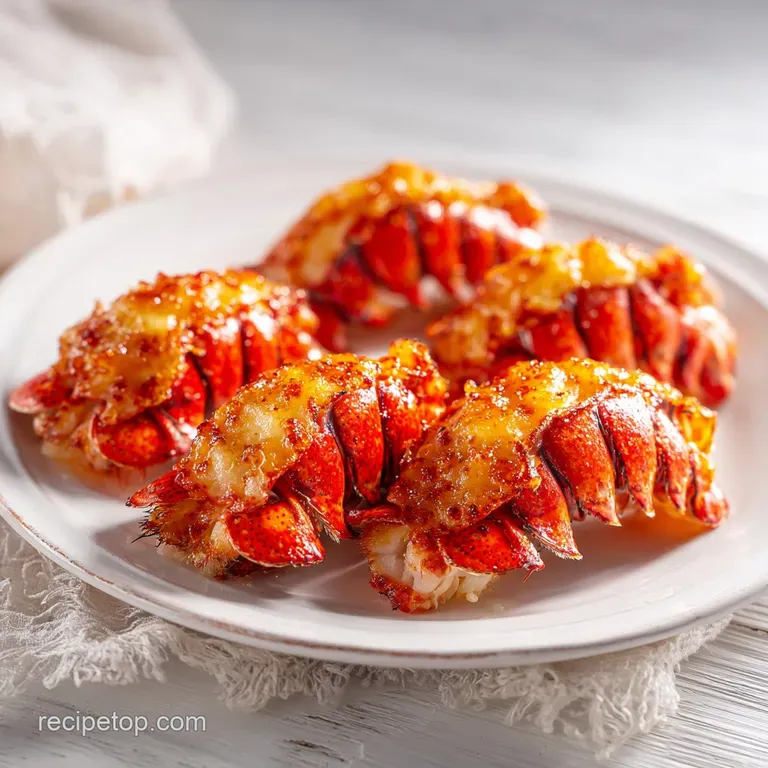
Let's crack on. Make sure your oven is fully preheated to 425°F (218°C) before you start prepping the meat.
- Snip the shell. Use your kitchen shears to cut through the top center of the lobster shell down to the meat. Note: Be careful not to cut into the meat itself.
- Butterfly the meat. Gently pry the shell open and lift the lobster meat upward, resting it on top of the shell. until it looks like a saddle.
- Mix the butter. In a small bowl, whisk together the melted butter, minced garlic, lemon juice, smoked paprika, salt, and black pepper.
- Coat the tails. Using a pastry brush, generously coat the lobster meat with the garlic butter mixture. Note: Ensure the butter seeps between the meat and the shell.
- Prep the pan. Lightly brush your baking sheet with olive oil and place the lobster tails on top.
- Bake the lobster. Roast at 425°F (218°C) for 10-12 minutes until the meat turns opaque and white.
- Check temperature. Use your thermometer to ensure the internal temperature is exactly 135-140°F (57-60°C).
- Rest the meat. Remove from the oven and let the tails rest for 3 minutes. Note: This allows carry over cooking to finish the center.
- Add garnish. Sprinkle with finely chopped fresh parsley right before serving.
Fixing Common Problems
When things go sideways with seafood, it's usually a temperature or timing issue. Don't panic, most things can be managed if you catch them early.
The Meat is Rubbery
This is the classic overcooking trap. If the lobster feels like a rubber band, it's gone past 145°F. You can't "un cook" it, but you can mask it by serving it with an extra dip of warm garlic butter to add moisture back in.
The Butter is Pooling
If you see a lake of butter on your pan, you likely didn't butterfly the meat enough or used too much melted butter. Next time, pat the meat dry with a paper towel before brushing so the butter clings to the surface instead of sliding off.
The Shell is Burning
Because the shells are thin, they can brown quickly at 425°F. If you notice the edges turning black before the meat is opaque, simply slide a piece of foil over the tails for the last 3 minutes of cooking.
| Problem | Root Cause | Solution |
|---|---|---|
| Rubbery Texture | Overcooked (too long) | Use a thermometer; pull at 135°F |
| Bland Taste | Surface only seasoning | Brush butter under the meat too |
| Watery Meat | Frozen tails not thawed | Thaw slowly in fridge for 24 hours |
Common Mistakes Checklist
- ✓ Checking temp at the thickest part of the tail
- ✓ Not overcrowding the baking sheet
- ✓ Patting the meat dry before buttering
- ✓ Letting the meat rest before eating
- ✓ Using a small enough dice for the garlic
Customizing Your Meal
Once you've mastered the basic Baked Lobster Tails, you can start playing with the flavor profile. I usually keep a few different "butter blends" in my notes for different moods.
For a Cajun Garlic Twist, swap the smoked paprika for a teaspoon of Cajun seasoning and add a pinch of cayenne pepper. This gives it a spicy, bold kick that's great for summer parties.
If you're feeling more refined, try a Lemon Herb Garden Style by adding finely minced dill and chives to the butter mixture. It's much lighter and pairs well with a crisp white wine.
If you're working with baked lobster tails from frozen, the process is the same, but the thaw is everything. Never put a frozen tail directly into the oven; it will cook unevenly, leaving the outside burnt and the inside raw. Place them in the fridge 24 hours ahead of time.
If you're in a rush, place the sealed bag in a bowl of cold water, changing the water every 30 minutes.
For those watching their salt intake, a Low Sodium Swap works well. Replace the kosher salt with a teaspoon of onion powder and an extra squeeze of fresh lemon. The acidity mimics the "brightness" of salt without the sodium load. Since this is a rich dish, you can pair it with a decadent dessert like Millionaire Cheesecake to make it a full blown feast.
Adjusting the Batch Size
Cooking for two is different than cooking for a crowd. Lobster takes up a lot of room on a tray, so don't try to cram them all in.
- Scaling Down (1-2 Tails): Use a smaller toaster oven tray. Reduce the bake time by about 1-2 minutes since there's less mass in the oven to absorb the heat.
- Scaling Up (8+ Tails): Work in batches. If you crowd the pan, the tails will steam instead of roast, and you'll lose that velvety crust. Increase the butter and garlic to 1.5x (don't go full 2x or it will be too salty).
- Temperature Tweak: If you're doing a massive batch in a convection oven, lower the temp to 400°F (200°C) and extend the time by 3-5 minutes to ensure the middle tails cook as fast as the edge ones.
Debunking Seafood Myths
There are a lot of "rules" about lobster that just aren't true. Let's clear a few things up.
Myth: You must use fresh, never frozen lobster. The truth is that most lobster is flash frozen almost immediately after being caught. "Fresh" lobster at the store is often just thawed. As long as it was frozen quickly (IQF process), the quality is virtually identical.
Myth: Searing the meat first seals in the juices. Just like with steak, searing is for flavor, not moisture. The "seal" doesn't exist. The butter brushing method we use here is actually better for moisture because the fat acts as a barrier against the dry oven air.
Storage And Freshness
Leftover lobster is a bit of a rarity, but if you have some, you have to be careful. Seafood spoils quickly, and reheating it can easily turn it into rubber.
Fridge Storage: Store cooked Baked Lobster Tails in an airtight container for up to 2 days. To reheat, don't use the microwave. Instead, put them in a 300°F (150°C) oven for 5 minutes with a pat of butter on top just to warm them through.
Freezing: I don't recommend freezing already cooked lobster, as the texture degrades significantly. However, you can freeze the garlic butter mixture in ice cube trays for easy use next time.
Zero Waste: Don't toss those shells! Collect the shells in a bag in the freezer. Once you have enough, simmer them with onion, celery, and carrots to make a rich lobster stock. This stock is a game changer for seafood risottos or chowders.
Best Serving Ideas
Depending on who you're serving, you can change the whole vibe of the meal.
The Classic Pairing
If you want that "date night" feel, serve your tails with a side of steamed asparagus and a wild rice pilaf. The earthiness of the rice balances the buttery richness of the lobster. A simple wedge salad with blue cheese dressing also provides a sharp contrast to the sweet meat.
The Steakhouse Pairing
Go for the "Surf and Turf" approach. Pair the lobster with a reverse seared ribeye or filet mignon. Since the lobster is so rich, keep the steak seasoning simple, just salt, pepper, and a bit of garlic. For a more comforting side, try something like Traditional Irish Pasties for a hearty, rustic contrast to the elegant seafood.
Decision Shortcut:
- If you want a light meal → Serve with a citrus arugula salad.
- If you want a feast → Serve with garlic mashed potatoes and steak.
- If you're on a budget → Serve with a large portion of buttered corn on the cob.
Recipe FAQs
How long do lobster tails take in the oven?
10-12 minutes at 425°F (218°C). Roast until the meat is opaque and white with an internal temperature between 135-140°F (57-60°C).
Is lobster good for your thyroid?
Lobster contains iodine, which is essential for thyroid function. However, those with specific medical dietary restrictions should consult a healthcare provider.
What are some common lobster tail baking mistakes?
Overcooking is the most frequent error. Cooking past 140°F internal temperature turns the meat rubbery and tough.
Is it better to bake or broil lobster tail?
Bake for consistent, tender results. While broiling is faster, baking at 425°F ensures the meat cooks evenly without burning the garlic butter.
How to butterfly lobster tails?
Snip through the top center of the shell using kitchen shears. Gently pry the shell open and lift the meat upward to rest on top of the shell.
How to store and reheat leftover lobster tails?
Store in an airtight container for up to 2 days. Reheat in a 300°F (150°C) oven for 5 minutes with a pat of butter to avoid the rubbery texture caused by microwaves.
What side dishes pair best with baked lobster tails?
Starchy, savory sides complement the rich butter. This pairs perfectly with garlic butter potato for a cohesive meal.
Baked Lobster Tails with Garlic Butter