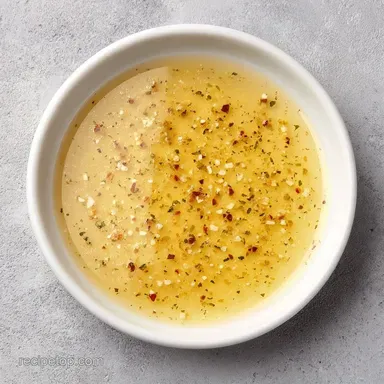
Easy Pasta Salad Dressing: Zesty and Velvety
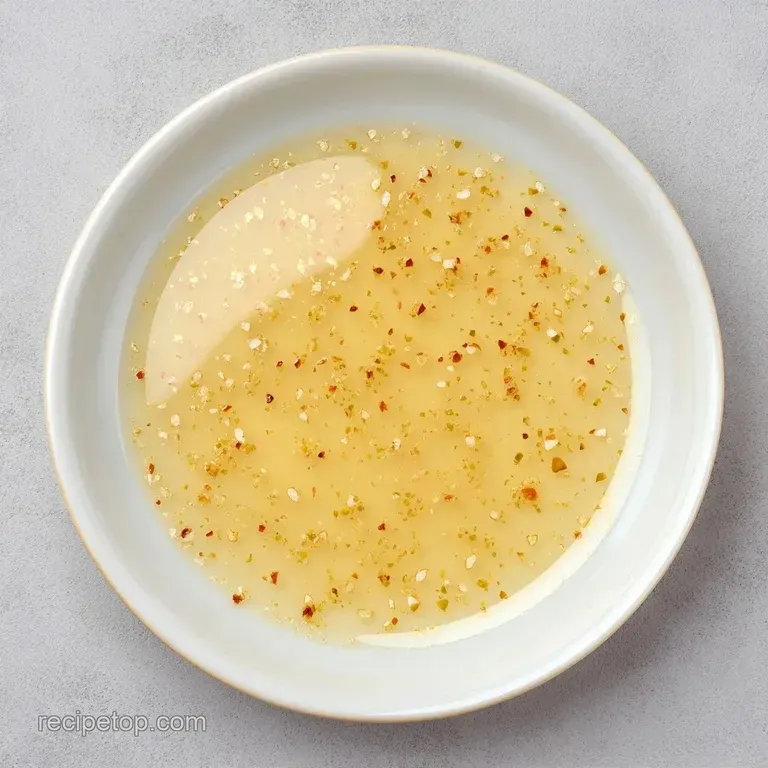
- Time: 5 min active
- Flavor/Texture Hook: Zesty and velvety
- Perfect for: Summer potlucks and meal prep
- The Secret to Easy Pasta Salad Dressing
- The One Thing That Changes Everything
- Component Analysis Breakdown
- Necessary Kitchen Tools
- Step by Step Guide
- Solving Common Dressing Problems
- Troubleshooting Common Issues
- Alternative Ingredient Options
- Adjusting the Batch Size
- Debunking Dressing Myths
- Storage and Waste Tips
- Best Pairing Ideas
- Recipe FAQs
- 📝 Recipe Card
The Secret to Easy Pasta Salad Dressing
That sharp, vinegary scent hitting the air is the best part of a summer BBQ. I remember one July Fourth where I brought a pasta salad that was just... dry. I'd added the dressing, waited an hour, and by the time it hit the table, the noodles had soaked up every drop. It was a bowl of bland pasta.
I realized then that the secret isn't just the flavor, it's how the dressing holds onto the pasta.
Since then, I've focused on the balance of acid and fat. This recipe isn't about being fancy. It's about making something that stays zesty even after sitting in the fridge overnight. We're going for a bright, punchy profile that cuts through the heaviness of the pasta.
If you're tired of those store-bought bottles that taste like salt and preservatives, this is for you. It's a simple mix, but the way we combine the ingredients makes a massive difference in how the flavor distributes. Let's get into how to actually make this work.
The One Thing That Changes Everything
Most people just throw everything in a bowl and whisk. But the real trick is the "flavor paste." By mixing the garlic, mustard, honey, and spices first, you create a concentrated base.
This ensures that every single bite of your salad has the same amount of seasoning, rather than having one bite that's all garlic and another that's just oil.
- Acid Stability
- The red wine vinegar provides a sharp base that keeps the vegetables tasting fresh.
- Natural Binding
- Dijon mustard acts as a bridge between the oil and vinegar, stopping them from splitting.
- Savoriness
- Pepperoncini brine adds a fermented depth that salt alone can't provide.
- Sugar Balance
- A tiny amount of honey neutralizes the harsh edge of the vinegar without making it sweet.
Right then, before we move to the ingredients, let's look at how the mixing method changes the result. Most folks wonder if they should whisk or shake.
| Method | Time | Texture | Best For |
|---|---|---|---|
| Jar Shaking | 2 mins | Very velvety | Quick meal prep |
| Hand Whisking | 5 mins | Slightly grainier | Large batch bowls |
| Warm Infusion | 10 mins | Mellow garlic | Gourmet versions |
Component Analysis Breakdown
Understanding why these specific items are in the jar helps you tweak the recipe later. It's not just about flavor, it's about how they interact.
| Ingredient | Science Role | Pro Secret |
|---|---|---|
| Dijon Mustard | Emulsifier | Use smooth, not grainy, for a silkier feel |
| Red Wine Vinegar | Primary Acid | Provides the "tang" that defines Italian salads |
| Extra Virgin Olive Oil | Lipid Base | Carry the fat soluble flavors of the dried herbs |
| Honey | Flavor Modifier | Just a touch prevents the vinegar from being "acidic" |
Necessary Kitchen Tools
You don't need a fancy blender for this. In fact, a simple jar is better because it's easier to clean and lets you store the leftovers immediately.
- Mason Jar (16 oz): The gold standard for shaking dressings.
- Measuring Cups/Spoons: Precision is key for the acid to oil ratio.
- Microplane or Garlic Press: For getting the garlic into a fine paste.
- Small Whisk: Only if you prefer a bowl over a jar.
Step by step Guide
Follow these steps exactly to get that professional, velvety consistency. Trust me, don't skip the paste step.
- Mix the paste. Add the minced garlic, dijon mustard, honey, salt, pepper, and dried herbs into your mason jar. Stir them together until a thick, uniform paste forms. Note: This prevents garlic clumps in the final salad.
- Add the acids. Pour in the red wine vinegar, lemon juice, and pepperoncini brine.
- Initial shake. Secure the lid tightly and shake vigorously for 30 seconds. until the honey is completely dissolved.
- Slowly introduce oil. Pour in the extra virgin olive oil. Note: Adding oil last helps the emulsifier (mustard) work better.
- Final emulsification. Shake the jar again for 30-60 seconds until the mixture looks opaque and velvety.
- Perform a taste test. Dip a piece of the actual pasta you're using into the dressing.
- Balance the zing. Add a pinch more honey if it's too tart or an extra splash of vinegar if you want more punch.
- Final stir. Give it one last shake before pouring it over your cooled pasta.
Chef's Note: If you're preparing the pasta now, remember to rinse pasta with cold water. This stops the cooking process and prevents the noodles from sticking together in a giant clump.
Solving Common Dressing Problems
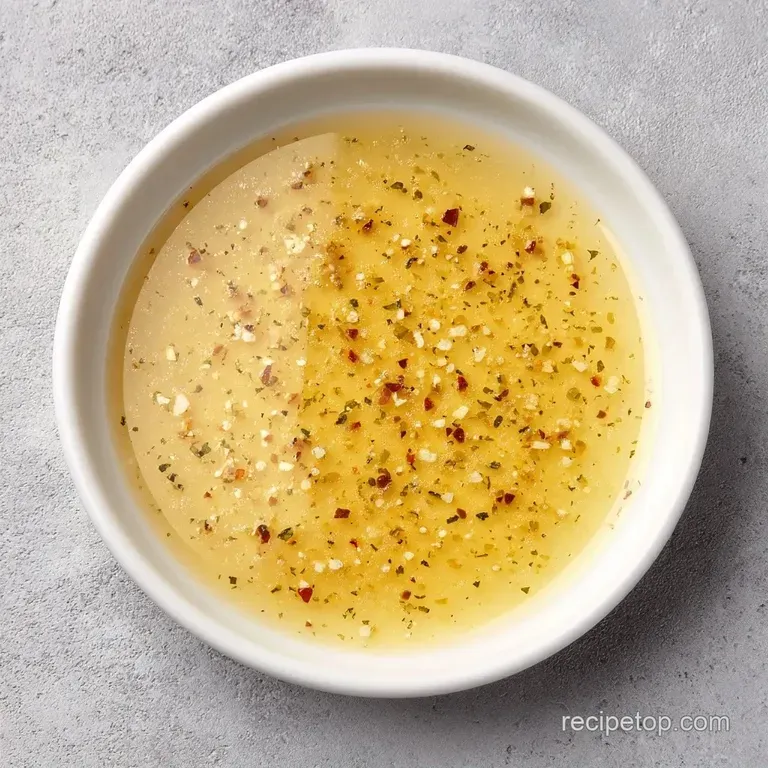
Even a simple Easy Pasta Salad Dressing can go wrong if the ratios are off or the temperature is weird. Here is how to handle the most common issues.
Troubleshooting Common Issues
| Issue | Solution |
|---|---|
| Why Your Dressing Separates | This usually happens if the mustard wasn't fully integrated or if the oil was poured in too fast. The oil and vinegar are like magnets with the same pole - they want to push away from each other. |
| Why Your Dressing Tastes Bitter | Too much garlic or using an overly "grassy" extra virgin olive oil can create a bitter aftertaste. To fix this, add another teaspoon of honey. |
| Why Your Dressing Is Too Tart | If the red wine vinegar is too aggressive, it can overwhelm the other flavors. You can mellow it out with a tiny bit of olive oil or a pinch of salt, which suppresses the perception of acidity. |
Common Mistakes Checklist:
- ✓ Forgot to mince garlic finely (creates spicy chunks)
- ✓ Added oil before the mustard/vinegar mix (causes separation)
- ✓ Used warm pasta (absorbs too much dressing, leaving it dry)
- ✓ Skipped the taste test (vinegar potency varies by brand)
Alternative Ingredient Options
You can easily pivot this recipe based on what's in your pantry. Whether you want it healthier or creamier, it's flexible.
Decision Shortcut:
- If you want a Greek vibe, do: Swap red wine vinegar for lemon juice and add dried oregano.
- If you want it creamy, do: Whisk in 2 tbsp of Greek yogurt or mayo.
- If you want it "no oil", do: Replace olive oil with a splash of pasta water and a bit more mustard.
| Original Ingredient | Substitute | Why It Works |
|---|---|---|
| Red Wine Vinegar | Apple Cider Vinegar | Similar acidity. Note: Adds a slightly fruitier, sweeter tone |
| Honey | Maple Syrup | Same viscosity and sweetness. Note: Adds a subtle woody flavor |
| Olive Oil | Avocado Oil | Neutral taste and healthy fats. Note: Better if you dislike the olive flavor |
| Dijon Mustard | Yellow Mustard | Provides the same binding. Note: Tastes more "classic American" and less sharp |
For those who prefer a slightly different tang, you might enjoy a Homemade Italian Dressing Salad recipe which uses a similar base but varies the herb ratios.
Adjusting the Batch Size
When you're cooking for a crowd, you can't just multiply everything by four and hope for the best. Spices and acids don't always scale linearly.
Scaling Down (1/2 or 1/4 batch): When making a tiny amount, use a smaller jar (like a jam jar) to ensure the ingredients actually touch the sides during shaking. Reduce the garlic to 1 large clove for a quarter batch, as too much garlic can overpower a small amount of oil.
Scaling Up (2x to 4x batch): If you're making this for a huge party, increase the oil and vinegar exactly. However, only increase the salt and dried herbs to 1.5x of the original ratio first. Taste it, then add more if needed. Over salting a large batch is a nightmare to fix.
Debunking Dressing Myths
There are a few things people tell you about salad dressings that just aren't true.
Myth: store-bought is "standardized" and That's why better. Truth: store-bought dressings use stabilizers and gums to prevent separation. While consistent, they lack the fresh acidity of lemon and red wine vinegar. The "standard" taste is usually just a lot of sugar and salt.
Myth: Fresh herbs are always better than dried in dressings. Truth: For a dressing that sits in the fridge, dried herbs are actually superior. They infuse into the oil over time, whereas fresh herbs can wilt and turn brown or lose their punch within 24 hours.
Storage and Waste Tips
This Easy Pasta Salad Dressing lasts in the fridge for up to 2 weeks. Because it contains vinegar and salt (natural preservatives), it's very stable. Just remember to shake it before each use, as some natural separation is normal after a few days of chilling.
To avoid waste, don't throw away the pepperoncini jar when it's "empty." Use that leftover brine to marinate chicken or toss into a potato salad. If you have leftover minced garlic, freeze it in a small ice cube tray with a bit of oil so you can pop a cube into your next pan of sautéed veggies.
Best Pairing Ideas
This dressing is designed for a zesty, cold pasta dish, but it's surprisingly versatile. I love using it as a marinade for shrimp or scallops before grilling them. The acidity tenderizes the protein while the honey creates a beautiful char on the grill.
If you're looking for a more traditional, creamy side, you could pair a zesty pasta salad with my Classic Macaroni Salad for a variety of textures on your buffet table. You could also serve it alongside grilled chicken breasts or a platter of fresh mozzarella and sliced tomatoes for a full Mediterranean feast.
Trust me, once you move away from the bottled stuff, you'll never go back. It's faster, healthier, and tastes like actual food. Let's crack on and get shaking!
Recipe FAQs
What kind of dressing do you use for pasta?
A zesty vinaigrette. A balance of red wine vinegar and lemon juice ensures the pasta doesn't taste bland and cuts through the starch.
How to make a flavorful pasta salad?
Create a flavor paste first. Mix the garlic, mustard, honey, and herbs before adding liquids to prevent garlic clumps. If you enjoyed this method of building deep flavor, see how we use a similar layering process in our summer garden tomato sauce.
Is it true that pasta salad dressing must be creamy to taste good?
No, this is a common misconception. An oil-and-vinegar base provides a bright, fresh profile that is often more refreshing than heavy mayo based dressings.
What is the 3 ingredient salad dressing?
A mix of olive oil, red wine vinegar, and dijon mustard. These three core ingredients create a basic, stable emulsion that works for almost any salad.
What salad dressing is good for diabetics?
Vinaigrettes like this one. Using heart healthy olive oil and a very small amount of honey keeps sugar levels significantly lower than creamy, store-bought alternatives.
How to make a simple pasta salad using canned beans?
Toss cooked pasta and rinsed canned beans with this dressing. This combination creates a filling, protein packed meal that stays fresh in the fridge for several days.
How to store this dressing for later?
Keep it in a sealed mason jar in the refrigerator. The salt and vinegar act as natural preservatives, allowing the dressing to stay fresh for up to 2 weeks.
Easy Pasta Salad Dressing