Creamy Tomato Pasta Sauce
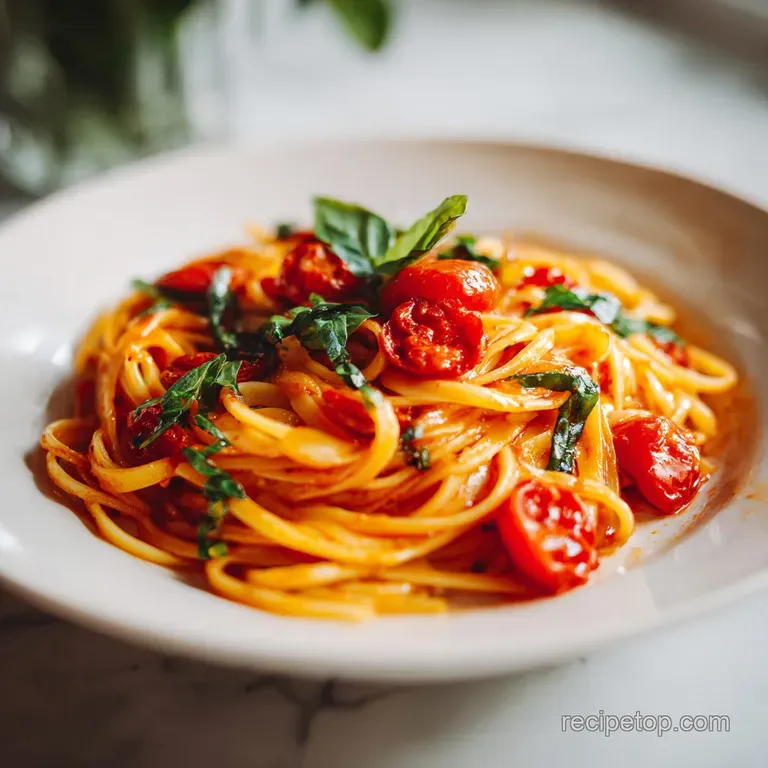
- Time: Active 5 minutes, Passive 15 minutes, Total 20 minutes
- Flavor/Texture Hook: Silky, tangy, and rich with a slight chili kick
- Perfect for: Hectic weeknights or a budget-friendly date night
- Why This Creamy Tomato Pasta Beats Traditional Sauce
- The Science of the Glossy Sauce
- Essential Shopping List for Success
- Necessary Kitchen Tools for Cooking
- Step by Step Cooking Instructions
- Solving Common Sauce Problems
- Adjusting the Recipe Size
- Debunking Common Kitchen Myths
- Storage and Zero Waste Tips
- Making the Plate Look Professional
- High in Sodium
- Recipe FAQs
- 📝 Recipe Card
You know those nights where you're staring at the pantry, exhausted, and the thought of chopping onions for forty minutes makes you want to just eat a bowl of cereal? I’ve been there more times than I’d like to admit.
One Tuesday, I had exactly one chicken breast, a tube of tomato paste, and a half empty box of penne. I decided to stop trying to make a "classic" slow simmered marinara and instead focused on concentrating the flavors I actually had.
The result was a total fluke that turned into my most requested meal. When that tomato paste hits the hot olive oil and starts to sizzle, it loses that metallic "canned" edge and turns into something deeply savory.
I remember the first time I got the emulsion right, the sauce clung to every ridge of the pasta like a velvet blanket. It wasn't just "good for a quick meal," it was genuinely better than the local Italian spot down the road.
We're skipping the hours of simmering today. By using tomato paste as the base instead of watery canned tomatoes, we skip the evaporation phase entirely. This is about working smarter, not harder, to get that concentrated punch of umami.
Trust me, once you see how that starchy pasta water transforms a few basic ingredients into a glossy masterpiece, you'll never go back to the jarred stuff.
Why This Creamy Tomato Pasta Beats Traditional Sauce
This recipe relies on a few fundamental kitchen principles to deliver depth in a fraction of the time. We aren't just tossing things in a pan, we're building layers of flavor through temperature control and chemical bonding.
- Maillard Concentration: Frying the tomato paste in oil caramelizes the natural sugars, removing the raw acidity and creating a deep, savory foundation.
- Starch Fat Bonding: The reserved pasta water contains dissolved starches that act as a bridge, allowing the fat in the cream and cheese to bind with the liquid sauce.
- Aromatic Infusion: Sizzling the red pepper flakes and garlic in oil early on distributes fat soluble flavor compounds throughout the entire dish.
- Protein Carryover: Slicing the chicken thinly ensures it cooks in minutes while staying tender, preventing the rubbery texture often found in boiled pasta meats.
| Method | Time | Texture Result | Best For |
|---|---|---|---|
| This Stovetop Version | 20 minutes | Silky and glossy | Quick weeknight cravings |
| Slow Cooker | 4 hours | Soft and integrated | Hands off meal prep |
| Baked Casserole | 45 minutes | Chewy edges and crusty | Large family gatherings |
Making the choice between methods usually comes down to how much time you have to stand at the stove. While the slow cooker is great for tough cuts of meat, this stovetop method is vastly superior for keeping the chicken juicy and the pasta "al dente" rather than mushy.
The Science of the Glossy Sauce
Getting a sauce to "stick" to pasta isn't about luck, it is about chemistry. When we combine the heavy cream with the concentrated tomato base, we are creating a stable emulsion that needs a little help from the pasta's own starch to stay together.
| Ingredient | Science Role | Pro Secret |
|---|---|---|
| Tomato Paste | Umami concentrate | Fry until it turns brick red to unlock sweetness |
| Pasta Water | Emulsifying agent | Never rinse your pasta, you need those surface starches |
| Heavy Cream | Fat stabilizer | Add at the very end to prevent the sauce from "breaking" |
| Parmesan Cheese | Protein binder | Use freshly grated so it melts without becoming grainy |
The interaction between the acidic tomatoes and the alkaline cheese can sometimes cause clumping if the heat is too high. By keeping the temperature at a gentle simmer when adding the dairy, we ensure the proteins stay relaxed and the sauce remains perfectly smooth.
Essential Shopping List for Success
For this Creamy Tomato Pasta, we are using high impact pantry staples. These items are generally affordable, but the quality of your cheese and paste makes a visible difference in the final shine of the sauce.
- 1 lb short pasta: Penne or Rigatoni work best because their ridges act like little scoops for the sauce.
- 1 lb chicken breast: Thinly sliced across the grain for maximum tenderness.
- 6 oz tomato paste: This is the "soul" of the dish, providing the base for our easy creamy tomato pasta sauce.
- 1/2 cup heavy cream: Provides the velvety mouthfeel.
- 1/2 cup freshly grated Parmesan cheese: Do not use the stuff in the green can, it won't melt correctly.
- 2 tbsp extra virgin olive oil: For blooming the aromatics.
- 3 cloves fresh garlic: Minced finely.
- 1 small shallot: Diced small so it melts into the sauce.
- 1 cup reserved pasta water: Why this? The "liquid gold" that binds the fat and water together perfectly.
- 1 tsp red pepper flakes: For a gentle heat.
- Fresh basil leaves: To add a punch of brightness at the end.
If you find yourself missing an ingredient, don't panic. This recipe is incredibly forgiving and thrives on "fridge foraging." You can easily pivot to a creamy tomato pasta sauce with milk if you happen to be out of heavy cream, though the result will be slightly thinner.
| Original Ingredient | Substitute | Why It Works |
|---|---|---|
| Heavy Cream | Full fat Coconut Milk | Similar fat content. Note: Adds a subtle nutty undertone. |
| Shallot | Yellow Onion | Provides the same aromatic base but needs 2 mins extra sautéing. |
| Parmesan | Pecorino Romano | Adds a saltier, sharper kick to the finish. |
| Chicken Breast | Chickpeas | High protein and holds up well in the thick sauce. |
If you're looking for a slightly different profile, the technique for the sauce is quite similar to my Creamy Sausage Pasta recipe, which swaps the chicken for savory pork. Both versions rely on that same creamy meets tangy balance.
Necessary Kitchen Tools for Cooking
You don't need a professional kitchen for this, but a few specific tools will make the process much smoother. Using a wide skillet instead of a deep pot for the sauce allows for better evaporation and faster browning of the chicken.
- Large Pasta Pot: For boiling the penne.
- Wide Skillet (12 inch): A stainless steel or cast iron skillet is ideal for searing the chicken.
- Microplane or Fine Grater: To get that "snow like" parmesan texture.
- Silicon Spatula: Essential for scraping every bit of that concentrated tomato paste off the bottom of the pan.
- Tongs: The best tool for tossing the pasta and sauce together without breaking the noodles.
Chef's Tip: Freeze your block of Parmesan for 10 minutes before grating. It makes the cheese firmer and prevents it from clumping or melting against the warmth of your hands, resulting in a much finer, fluffier grate that dissolves instantly.
step-by-step Cooking Instructions
This process moves fast once the chicken hits the pan. Have all your ingredients measured and ready before you start boiling the water.
- Boil the pasta. Cook 1 lb short pasta in heavily salted water until just shy of al dente. Note: It will finish cooking in the sauce later.
- Save the water. Scoop out 1 cup of the boiling pasta water before draining the noodles. Do not skip this.
- Sear the chicken. Heat 2 tbsp olive oil in the skillet and cook the 1 lb sliced chicken until golden brown and opaque. Remove chicken and set aside.
- Sauté aromatics. In the same pan, add the diced shallot and 3 cloves minced garlic. Cook 2 minutes until softened and fragrant.
- Caramelize the paste. Add 6 oz tomato paste and 1 tsp red pepper flakes. Stir constantly for 3-4 minutes until the color deepens to a dark brick red.
- Deglaze the pan. Pour in 1/2 cup of the reserved pasta water. Scrape the bottom of the pan until all the browned bits dissolve.
- Add the dairy. Stir in 1/2 cup heavy cream. Whisk gently until the sauce is smooth and vibrant orange.
- Combine ingredients. Toss the cooked pasta and chicken into the skillet. Add the 1/2 cup Parmesan cheese.
- Emulsify the sauce. Add more pasta water 1 tablespoon at a time while tossing until the sauce becomes glossy and clings to the pasta.
- Final touch. Fold in the torn basil leaves just before serving until they wilt slightly and release their aroma.
If you're craving a different flavor profile but love this texture, the Creamy Sun Dried recipe uses a very similar emulsification technique but swaps the paste for oil packed tomatoes. It is a fantastic variation if you have a jar of those sitting in the back of your cupboard.
Solving Common Sauce Problems
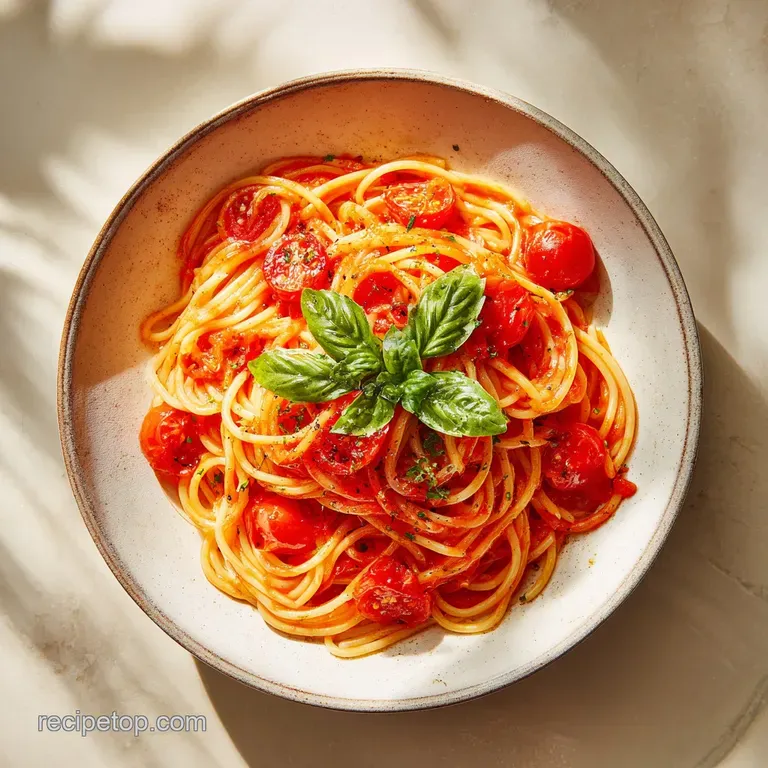
Even with a simple recipe, things can go sideways. The most common issue with Tomato Pasta is usually related to the texture of the sauce or the doneness of the meat.
The Sauce is Too Thick
If your sauce looks more like a paste than a silky coating, you've likely evaporated too much moisture. This happens quickly when working with a concentrated paste.
The Chicken is Dry
Chicken breast is lean and can turn into cardboard if left in the pan too long. The trick is to sear it hot and fast, then let it rest while you build the sauce.
| Problem | Root Cause | Solution |
|---|---|---|
| Gritty Sauce | Cheese was added to boiling liquid | Remove pan from heat before stirring in the Parmesan. |
| Separated Oil | Sauce got too hot after adding cream | Add a splash of cold pasta water and whisk vigorously. |
| Bland Flavor | Not enough salt in the pasta water | Add a pinch of sea salt and a squeeze of lemon juice at the end. |
Common Mistakes Checklist
- ✓ Don't rinse the pasta: Rinsing washes away the starch you need for the sauce to stick.
- ✓ Don't use cold cream: Take the heavy cream out of the fridge 10 minutes early to prevent temperature shock.
- ✓ Avoid over high heat cheese: Adding cheese to a bubbling sauce causes the proteins to tighten into clumps.
- ✓ Pat the chicken dry: Use a paper towel to remove moisture from the chicken before searing to ensure a golden crust rather than steaming it.
Adjusting the Recipe Size
This quick creamy tomato pasta is very easy to scale up for a crowd or down for a solo dinner. However, you can't just double everything blindly without making a few adjustments to the liquid ratios.
Cooking for Two
If you are halving the recipe, use a smaller 8 inch skillet. Keep the amount of garlic and red pepper flakes the same to ensure the flavor doesn't get lost. Reduce the pasta water added to the sauce to about 1/4 cup initially.
Feeding a Crowd (Double Recipe)
When doubling to 2 lbs of pasta, do not double the oil. Use 3 tbsp instead of 4. You should also sear the chicken in two separate batches; overcrowding the pan will cause the meat to release its juices and boil rather than sear. For the spices, use 1.5x the amount of red pepper flakes unless you want it very spicy.
Large Batch Baking
If you want to turn this into a bake, undercook the pasta by 4 minutes. Add an extra 1/2 cup of pasta water to the sauce to keep it hydrated in the oven. Top with mozzarella and bake at 400°F (200°C) for 15 minutes until the cheese is bubbly.
Debunking Common Kitchen Myths
Myth: You must add sugar to tomato sauce to cut the acidity. Truth: While some people swear by a pinch of sugar, the real key is the caramelization of the tomato paste.
Frying the paste "blooms" the natural sugars already present in the tomatoes, making added white sugar unnecessary in a best creamy tomato pasta recipe.
Myth: Adding oil to the pasta water prevents sticking. Truth: This is actually counterproductive. Oil coats the pasta and prevents the easy creamy tomato pasta sauce from adhering to the noodles.
The only way to prevent sticking is to use a large enough pot and stir the pasta for the first 30 seconds of boiling.
Myth: Fresh tomatoes are always better than paste. Truth: For a 20 minute meal, paste is actually superior. Fresh tomatoes are mostly water and require a long simmer time to achieve the same intensity of flavor that a high-quality paste provides instantly.
Storage and Zero Waste Tips
This dish is a champion of the fridge, but dairy based sauces can be a little finicky when reheated.
Fridge Storage: Store leftovers in an airtight container for up to 3 days. The pasta will continue to absorb the sauce as it sits, so it may look a bit "dry" the next day. This is normal.
Freezing: I don't recommend freezing the fully assembled dish as the cream can separate and the pasta becomes mushy. However, you can freeze the tomato paste base (after sautéing with aromatics) in ice cube trays for an instant flavor bomb later.
Reheating: To bring that "velvety" texture back to life, add a splash of milk or water to the bowl before microwaving or heating on the stovetop. This thins out the starch that has tightened up in the fridge.
Zero Waste Tip: Don't throw away that Parmigiano Reggiano rind! Drop it into the sauce while it simmers to add an extra layer of salty, nutty depth. Just remember to fish it out before serving.
If you have extra basil stems, blend them with a little oil and freeze them into "herb drops" for future soups or sauces.
Making the Plate Look Professional
Even a 20 minute meal deserves to look good. To get that restaurant "clinging" look, ensure you are finishing the pasta in the sauce, not just ladling sauce over plain noodles. This allows the starch to marry the two components into one cohesive bite.
For the final presentation, use a wide, shallow bowl. Twirl the pasta into a high mound in the center. Top with a few extra cracks of black pepper and a generous dusting of that "snowy" Parmesan we talked about earlier.
Scatter the torn basil leaves randomly rather than chopping them finely; the large pieces provide a better visual contrast against the vibrant orange sauce.
If you have a little extra time and want to try another classic, the Lemon Garlic Spaghetti recipe offers a brighter, lighter alternative using many of the same pantry staples like garlic and Parmesan. It's a great one to keep in your rotation for when you want something less rich but equally fast. Regardless of which you choose, remember that the secret is always in that reserved pasta water. It is the difference between a dry, clumpy meal and a silky, professional grade dinner.
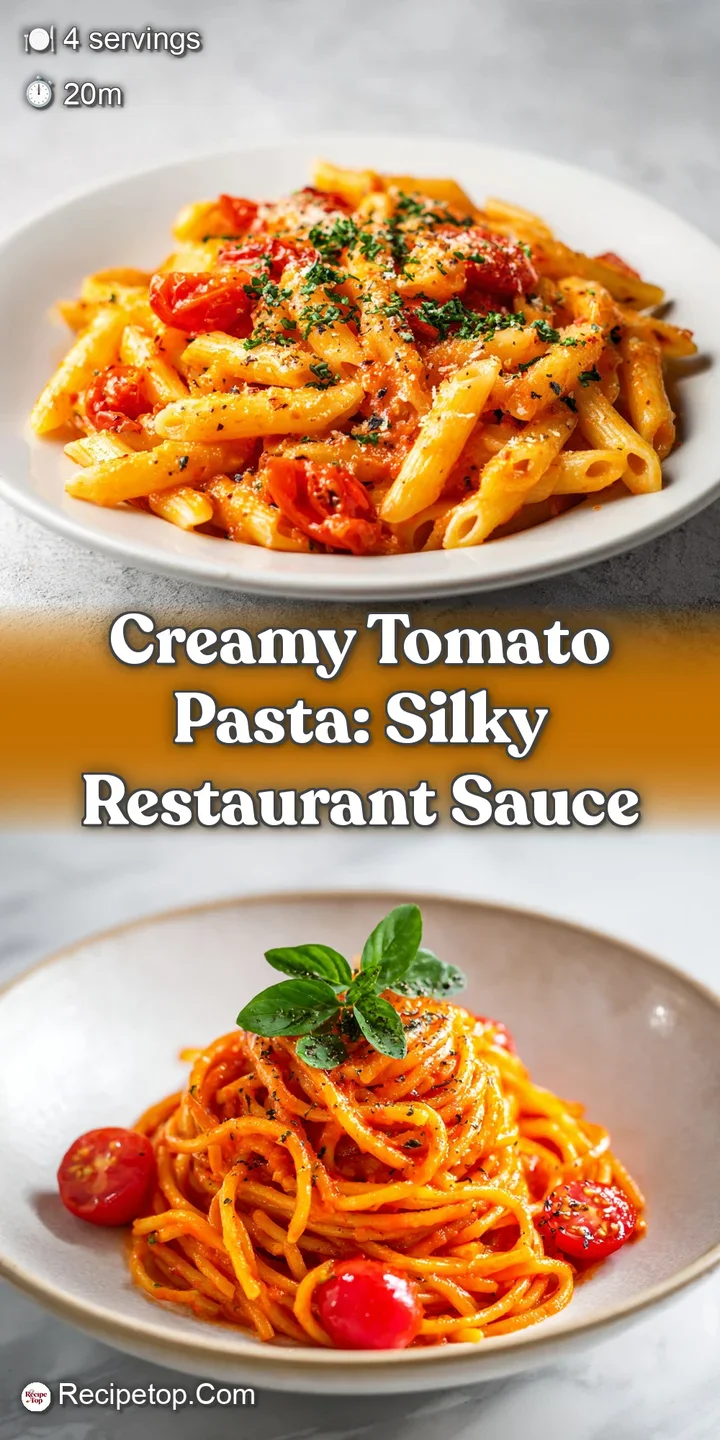
High in Sodium
845 mg mg of sodium per serving (37% % of daily value)
The American Heart Association recommends limiting sodium intake to about 2,300mg per day for overall cardiovascular health.
Sodium Reduction Tips for This Recipe
-
Reduce Parmesan-15%
Parmesan cheese is a significant source of sodium. Reduce the amount of Parmesan by half, using only 1/4 cup. You can also substitute with a low-sodium cheese or nutritional yeast for a similar flavor with less sodium. This alone can reduce the sodium content significantly.
-
Low-Sodium Tomato Paste-20%
Opt for a low-sodium or no-salt added tomato paste. Regular tomato paste can contain high levels of sodium. This simple swap can make a noticeable difference.
-
Skip Pasta Water-10%
While reserved pasta water helps with sauce consistency, it also contains added salt from cooking the pasta. Try using regular water or a small amount of low-sodium chicken broth instead. Add only enough to reach your preferred consistency.
-
Unsalted Pasta-10%
Ensure that the pasta is cooked in unsalted water. Salting the pasta water is a common practice for flavor, but contributes significantly to the overall sodium content. Flavor the pasta with the sauce instead.
-
Fresh Chicken-5%
Use fresh, unseasoned chicken breast. Pre-seasoned or processed chicken can contain hidden sodium. Season the chicken yourself with herbs and spices instead.
-
Flavor Boost
Enhance the flavor with fresh herbs and spices like basil, oregano, garlic powder (instead of garlic salt), and black pepper. These add complexity without increasing sodium.
Recipe FAQs
Can I substitute heavy cream with milk for a lighter sauce?
Yes, but expect a thinner consistency. Using milk instead of heavy cream reduces the fat content, meaning the sauce won't achieve the same velvety emulsion, often requiring more Parmesan to thicken.
How to achieve the signature glossy, clinging sauce texture?
Reserve and utilize the starchy pasta water. This starch acts as the emulsifier, binding the fat from the cream and cheese to the liquid base.
Why does my tomato paste taste metallic before cooking?
No, it’s a chemical reaction that needs heat. Tomato paste must be fried (caramelized) in oil until it turns a deep brick red color; this process removes the raw, sharp acidity.
How to prevent the sauce from separating after adding cheese?
Remove the pan from the heat before adding Parmesan. High heat causes the cheese proteins to seize, leading to a gritty texture; gentle incorporation ensures a smooth melt.
What is the quickest way to cook the chicken breast to keep it tender?
Slice the chicken thinly across the grain first. This maximizes surface area for a quick sear while minimizing the time needed to cook through, ensuring juiciness before adding it back to the sauce.
Is it true that rinsing the pasta is okay since I'm using a cream sauce?
No, rinsing washes away vital starches. Those surface starches are crucial for thickening the sauce and creating the necessary bridge between the fats and the liquids.
How to adapt this quick technique for a slow cooker preparation?
Sauté the tomato paste and aromatics first, then transfer to the slow cooker. This foundational flavor step cannot be skipped, but the rest of the ingredients can combine over several hours; for a similar flavor concentration profile in a different context, see how the principle applies in our Crockpot Chicken Spaghetti recipe.
Creamy Tomato Pasta In 20 Min
Ingredients:
Instructions:
Nutrition Facts:
| Calories | 788 kcal |
|---|---|
| Protein | 45.5 g |
| Fat | 24.8 g |
| Carbs | 89.4 g |
| Fiber | 5.8 g |
| Sugar | 7.9 g |
| Sodium | 845 mg |
