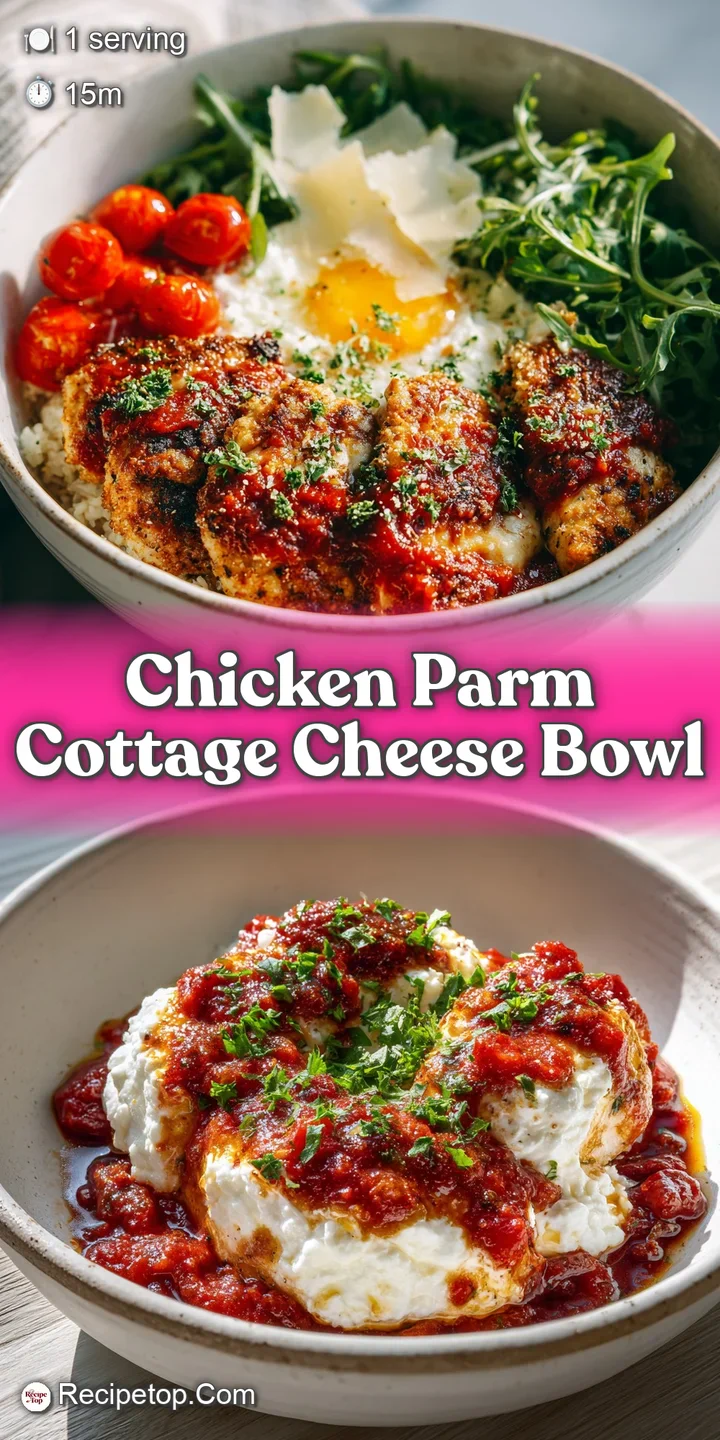
Chicken Parm Cottage Cheese Bowl
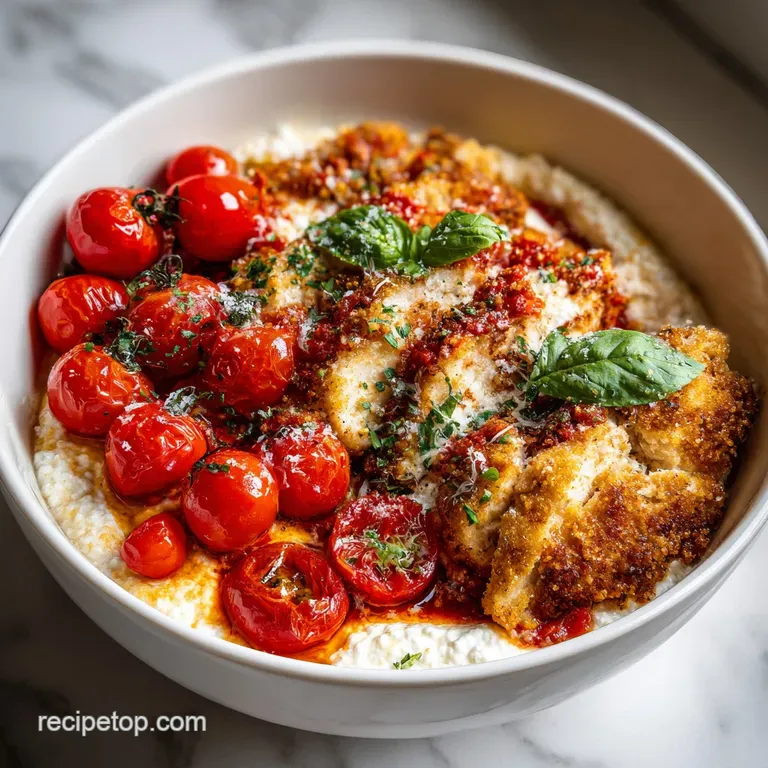
- Time: Active 5 minutes, Passive 10 minutes, Total 15 minutes
- Flavor/Texture Hook: Molten, savory, and herb forward
- Perfect for: High protein meal prep and post workout recovery
- Technical Specifications for Nutritional Success
- High Performance Ingredients for Macro Balance
- Essential Tools for Rapid Preparation
- Precise Execution for Optimal Texture
- Solving Problems with Scientific Precision
- Adapting Formulas for Specific Bio Needs
- Resource Preservation and Waste Mitigation
- Optimizing the Final Sensory Experience
- Very High in Sodium
- Recipe FAQs
- 📝 Recipe Card
The Physics of the Curd
Thermal Emulsification: When you heat low-fat 2% cottage cheese slowly, the proteins begin to relax and entangle with the melting mozzarella, creating a cohesive, velvety matrix rather than separate lumps. This prevents the "watery bowl" syndrome by trapping moisture within the protein structure.
Maillard Synergy: Adding grated parmesan cheese before the final heat cycle allows the small amount of lactose in the cheese to react with the amino acids in the chicken, deepening the savory profile even in a short window.
Hydroscopic Seasoning: Garlic powder and Italian seasoning act as flavor bridges, drawing out the natural sweetness of the 1/2 cup marinara sauce while the salt in the cheese draws moisture into the sliced chicken breast.
| Cooking Method | Total Time | Resulting Texture | Best Use Case |
|---|---|---|---|
| Microwave | 3 minutes | Uniformly molten and soft | Rapid weeknight refueling |
| Oven (375°F) | 12 minutes | Golden crust with bubbles | Maximum sensory satisfaction |
| Stovetop | 6 minutes | Creamy and highly emulsified | Precision temperature control |
Heating the 1 cup low-fat 2% cottage cheese too rapidly is the most common error I see in home kitchens. If you apply high heat immediately, the curd proteins contract violently, squeezing out water in a process known as syneresis.
To avoid a puddle in your bowl, use moderate power or a gentle oven temperature to keep the proteins supple.
Technical Specifications for Nutritional Success
When we look at this Chicken Parm Cottage Cheese Bowl from a nutritional standpoint, the numbers are quite startling for such a simple assembly. We are looking at over 87 grams of protein packed into a single serving, which is why precision in your measurements matters.
Unlike a pasta dish where you can eyeball the noodles, the ratios here define the final viscosity of your "sauce."
I’ve found that using exactly 6 oz cooked chicken breast provides the necessary structural integrity. If you go higher on the chicken without increasing the 1/2 cup marinara sauce, the dish becomes too dense and loses that signature "Parmesan" mouthfeel.
It’s about balancing the lean mass with the liquid fats from the cheeses.
Component Deep Dive
| Ingredient | Science Role | Pro Secret |
|---|---|---|
| Cottage Cheese | Protein dense fat mimetic | Use small curd for better melting |
| Marinara Sauce | Acidic flavor balancer | Simmer separately to reduce water |
| Mozzarella | Structural binder (elasticity) | Shred your own for better melt |
The 1/4 cup shredded mozzarella cheese isn't just a topping; it acts as a stabilizing agent. As it melts, it wraps around the cottage cheese curds, preventing them from feeling "grainy" on the palate. If you’ve ever had a Creamy Garlic Butter recipe that broke or felt oily, you know how important that emulsification step is for a smooth finish.
High Performance Ingredients for Macro Balance
Selecting the right elements for your High Protein Chicken Parm Cottage Cheese Bowl with Marinara Sauce ensures you don't end up with a bland mess. I always reach for a high-quality marinara that doesn't have added sugars, as the natural sweetness of the tomatoes is enough to contrast the salty parmesan.
- 6 oz cooked chicken breast, sliced: Why this? Provides the lean bulk and absorbs the surrounding herb flavors.
- Substitute: 6 oz grilled turkey breast (similar lean profile).
- 1 cup low-fat 2% cottage cheese: Why this? Acts as a high protein ricotta substitute with a creamy finish.
- Substitute: 1 cup Greek yogurt (Note: adds significant tang).
- 1/2 cup marinara sauce: Why this? Provides the acidic base and essential tomato umami.
- Substitute: 1/2 cup crushed tomatoes with a pinch of sugar.
- 1/4 cup shredded mozzarella cheese: Why this? Essential for that classic cheese pull and fat content.
- Substitute: 1/4 cup provolone (sharper flavor profile).
- 1 tbsp grated parmesan cheese: Why this? Adds a concentrated salty punch and aids browning.
- Substitute: 1 tbsp Pecorino Romano (much saltier).
- 1/2 tsp Italian seasoning: Why this? A convenient blend of oregano, thyme, and basil.
- Substitute: 1/4 tsp dried oregano + 1/4 tsp dried basil.
- 1/4 tsp garlic powder: Why this? Distributes flavor more evenly than fresh garlic in short cooks.
- Substitute: 1/2 tsp fresh minced garlic (more pungent).
- 3 fresh basil leaves, chiffonade: Why this? Adds a necessary aromatic freshness to the finish.
- Substitute: 1/2 tsp dried basil (less vibrant).
- 1 pinch red pepper flakes: Why this? Cuts through the richness of the cheese with heat.
- Substitute: 1 pinch cayenne pepper (more intense heat).
If you find yourself needing a lighter side to go with this, a healthy mediterranean chickpea recipe offers a great fiber rich contrast to the heavy protein in this bowl. It’s all about building a plate that feels intentional and balanced.
Essential Tools for Rapid Preparation
You don't need a professional kitchen to master this Chicken Parm Cottage Cheese Bowl with Marinara Sauce, but the right vessel makes a difference. Since we are dealing with high protein dairy, heat distribution is the name of the game.
Chef's Tip: Use a wide, shallow bowl rather than a deep one. This increases the surface area for the mozzarella to brown and ensures the chicken is submerged in the sauce for maximum hydration.
I personally use a ceramic pasta bowl because it retains heat longer than plastic or thin glass. If you’re opting for the oven method, ensure your bowl is oven safe up to 400°F.
A simple silicone spatula is also helpful for scraping every bit of that 87g protein base out of the bowl waste not, want not!
Precise Execution for Optimal Texture
- Prepare the base. Mix the 1 cup low-fat 2% cottage cheese with the 1/2 tsp Italian seasoning and 1/4 tsp garlic powder in your serving bowl. Note: Mixing the spices into the cold cheese first ensures even flavor distribution.
- Layer the chicken. Place the 6 oz cooked chicken breast slices directly on top of the seasoned cheese.
- Apply the sauce. Pour the 1/2 cup marinara sauce over the chicken, ensuring most pieces are covered.
- Add the cheeses. Sprinkle the 1/4 cup shredded mozzarella cheese and the 1 tbsp grated parmesan cheese evenly over the top.
- Initial heat cycle. Microwave on high for 90 seconds until the mozzarella begins to soften and slump.
- Check the center. Stir the edges slightly toward the middle to ensure the chicken is heating through.
- Final melt. Microwave for another 45-60 seconds until the sauce is bubbling and the cheese is fully molten.
- Rest the bowl. Let the dish sit for 60 seconds. Note: This allows the proteins to set slightly so the sauce isn't too runny.
- Garnish and season. Top with the 3 fresh basil leaves (chiffonade) and a pinch of red pepper flakes.
- Serve immediately. Enjoy the dish while the cheese maintains its elastic, gooey texture.
Chef's Tip: If using a microwave, cover the bowl with a damp paper towel. This creates a mini steam chamber that keeps the chicken breast from drying out while the cheese melts.
Solving Problems with Scientific Precision
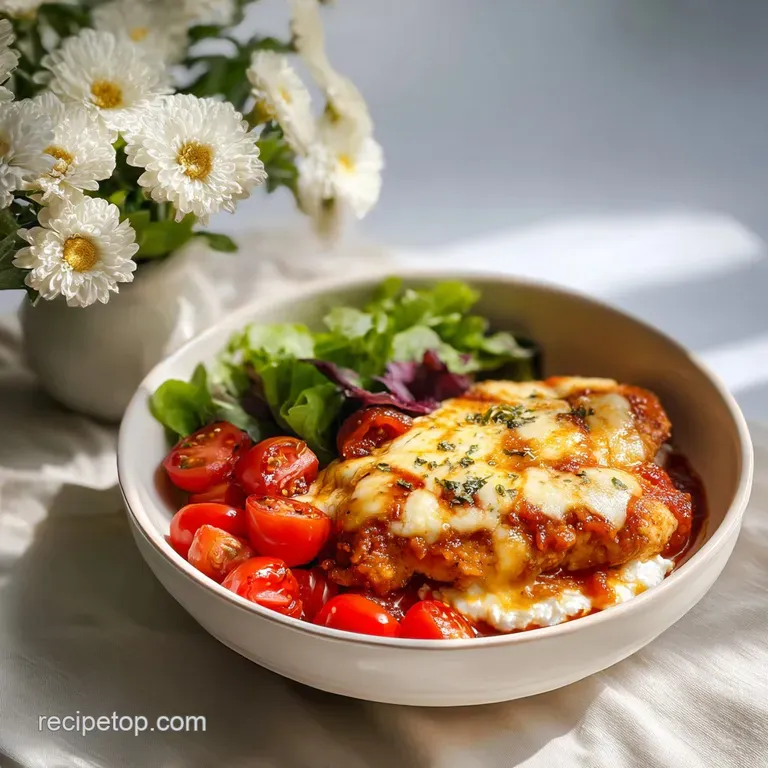
The most common frustration with a Cheese Bowl with Marinara Sauce is ending up with a watery mess at the bottom. This usually happens because of the cottage cheese's high water content or the brand of marinara used.
Why Your Bowl Is Watery
This is almost always due to syneresis. When dairy proteins are heated too fast or too high, they tighten like a wrung out sponge, pushing out their liquid. To fix this, you can either drain your cottage cheese through a fine mesh sieve for 5 minutes before using it or stir in a teaspoon of grated parmesan, which acts as a binder.
| Problem | Root Cause | Solution |
|---|---|---|
| Grainy texture | Overheating the curds | Heat in 30 second intervals and stir |
| Dry chicken | Pre cooked meat lost moisture | Submerge chicken fully in marinara |
| Bland flavor | Lack of salt/acid balance | Add a squeeze of lemon or more parmesan |
Another issue is rubbery chicken. Since the chicken is already cooked, we are technically reheating it. If it stays in the microwave too long, the fibers toughen. Submerging the meat in the sauce is the ultimate protective barrier.
Common Mistakes Checklist
- ✓ Drain excess liquid from the cottage cheese tub before measuring.
- ✓ Use full power microwave only in short bursts to prevent "exploding" curds.
- ✓ Avoid fat free cottage cheese; the 2% fat is necessary for the cheese to melt properly.
- ✓ Don't skip the resting period; it’s vital for the sauce's viscosity.
- ✓ Ensure the marinara is at room temperature or warm before layering to reduce total cook time.
Adapting Formulas for Specific Bio Needs
Scaling this recipe is straightforward because it’s a single serving build. However, if you're prepping for a crowd or a different caloric target, there are a few scientific adjustments to keep in mind.
Scaling Down (½ Serving) If you only need a quick snack, halve all ingredients. Use a smaller ramekin to maintain depth; otherwise, the cheese will spread too thin and evaporate rather than melt. Reduce the initial microwave time to 45 seconds.
Scaling Up (Double or Quadruple) When making two bowls, do not double the cook time in the microwave. Instead, increase it by about 60-70% and swap the bowl positions halfway through. For a family sized portion (4 servings), I highly recommend switching to the oven method.
Use an 8x8 baking dish and bake at 375°F for 18-20 minutes.
| Preference | Adjustment | Impact on Dish |
|---|---|---|
| Lower Sodium | Use "no salt added" cottage cheese | Requires more fresh herbs for flavor |
| Lower Fat | Swap 2% for 1% cottage cheese | Sauce will be thinner and less creamy |
| Higher Fiber | Add 1/2 cup sautéed spinach | Increases volume without many calories |
If you choose to use 1% cottage cheese, you may notice it doesn't "meld" as well with the mozzarella. The lack of fat makes the protein structures more rigid. You can offset this by adding a teaspoon of olive oil to the marinara before pouring it over.
Resource Preservation and Waste Mitigation
The Chicken Parm Cottage Cheese Bowl with Marinara Sauce is a champion of zero waste cooking because it uses ingredients that many of us already have in our fridges as staples.
Storage GuidelinesFridge: You can store the assembled, unheated bowl in the fridge for up to 3 days. Once heated, it's best consumed immediately, as the dairy doesn't reheat well a second time.
Freezer: I do not recommend freezing the cottage cheese base, as the freezing process breaks the cell walls of the curds, resulting in a very watery, grainy mess upon thawing.
Zero Waste Tips Don't throw away the stems from your fresh basil; chop them very finely and mix them into the cottage cheese base for an extra hit of peppery flavor. If you have leftover marinara in the jar, freeze it in an ice cube tray.
Two cubes usually equal about 1/4 cup, making it easy to pop them out for your next Protein Chicken Parm Cottage Cheese Bowl with Marinara Sauce.
Optimizing the Final Sensory Experience
The real magic of this Cheese Bowl with Marinara Sauce happens in the final assembly. While it's tempting to just mix everything into a pink slurry, layering is the secret to keeping the textures distinct. You want that "shatter" of fresh basil against the velvety molten cheese.
Enhancing the Texture
If you miss the crunch of traditional breaded chicken, I have a trick. Take a tablespoon of almond flour or crushed pork rinds, mix it with a pinch of garlic powder, and toast it in a dry pan for 2 minutes. Sprinkle this over the finished bowl.
It provides that crispy contrast without the refined carbs of breadcrumbs.
Flavor Development Myths
One common myth is that you need to cook the cottage cheese for a long time to "get rid of the lumps." In reality, those curds are what give the dish its heartiness. If you want a completely smooth sauce, you’re better off using a blender before heating, but you’ll lose the "ricotta style" texture that makes this dish so satisfying.
Another myth is that "fat free is always healthier." In this specific recipe, the small amount of fat in the 2% cheese is what allows the fat soluble vitamins in the tomato sauce to be absorbed by your body.
When you’re ready to serve, don't just eat it out of the prep container. Moving it to a warmed ceramic plate or bowl changes the psychological experience of the meal. Pair it with a simple side of steamed broccoli or zucchini noodles if you want to add more volume to your meal prep routine.
This High Protein Chicken Parm Cottage Cheese Bowl with Marinara Sauce is a testament to how simple ingredients, when treated with a bit of scientific respect, can create a meal that fuels the body and silences the cravings.
Very High in Sodium
1645 mg mg of sodium per serving (72% of daily value)
The American Heart Association recommends limiting sodium intake to about 2,300mg per day for overall cardiovascular health.
Sodium Reduction Tips for this Recipe:
-
Low-Sodium Marinara-20%
Switch to a low-sodium or no-salt added marinara sauce. Many regular marinara sauces are high in sodium. This substitution alone can significantly reduce the recipe's overall sodium content.
-
Reduced Sodium Cheese-15%
Opt for low-sodium or reduced fat mozzarella and parmesan cheese. Compare nutrition labels and choose options with significantly less sodium per serving. Or reduce the amount used by 1/2.
-
Low-Sodium Cottage Cheese-15%
Select low-sodium cottage cheese. Rinse the current cottage cheese thoroughly under water to remove as much sodium as possible.
-
Unseasoned Chicken-10%
Ensure the cooked chicken breast is unseasoned or prepared with low-sodium ingredients. If you cook the chicken yourself, avoid adding salt during the cooking process.
-
Spice It Up Wisely
Focus on using fresh herbs and spices like basil, garlic powder, Italian seasoning, and red pepper flakes to enhance the flavor without adding sodium. Taste as you go to determine how much is needed.
Recipe FAQs
What is the primary role of cottage cheese in this bowl?
It acts as a high protein, low-carb base. Cottage cheese mimics the creamy texture of ricotta, forming a velvety matrix with the mozzarella when heated.
How do I prevent the cottage cheese from becoming watery?
Heat gently and avoid overcrowding. Overheating causes syneresis, where the proteins contract and release liquid; use moderate microwave power or oven temperatures.
Can I use fat-free cottage cheese for this recipe?
No, it's not ideal. The small amount of fat in 2% cottage cheese is crucial for achieving a creamy, melty texture and preventing graininess.
How long does the Chicken Parm Cottage Cheese Bowl last in the refrigerator?
Up to 3 days for unheated portions. Once heated, it's best consumed immediately as dairy doesn't reheat well without texture degradation.
What is the best method for reheating leftovers?
Gentle reheating is key. Use a microwave in short intervals, stirring halfway, or briefly warm it in a covered oven safe dish at a low temperature.
Can I add vegetables to this bowl?
Yes, sautéed or steamed vegetables are a great addition. Spinach, zucchini, or bell peppers can be mixed in or served on the side to boost fiber and nutrients.
Why is the Maillard reaction mentioned in the recipe context?
It enhances savory flavor development. The reaction between amino acids and sugars, particularly with the parmesan, deepens the overall taste profile during heating.
Chicken Parm Cottage Cheese Bowl
Ingredients:
Instructions:
Nutrition Facts:
| Calories | 626 kcal |
|---|---|
| Protein | 87.2 g |
| Fat | 20.1 g |
| Carbs | 20.4 g |
| Fiber | 2.8 g |
| Sugar | 11.2 g |
| Sodium | 1645 mg |
