Old Fashioned Baked Cheese Grits: Golden and Creamy
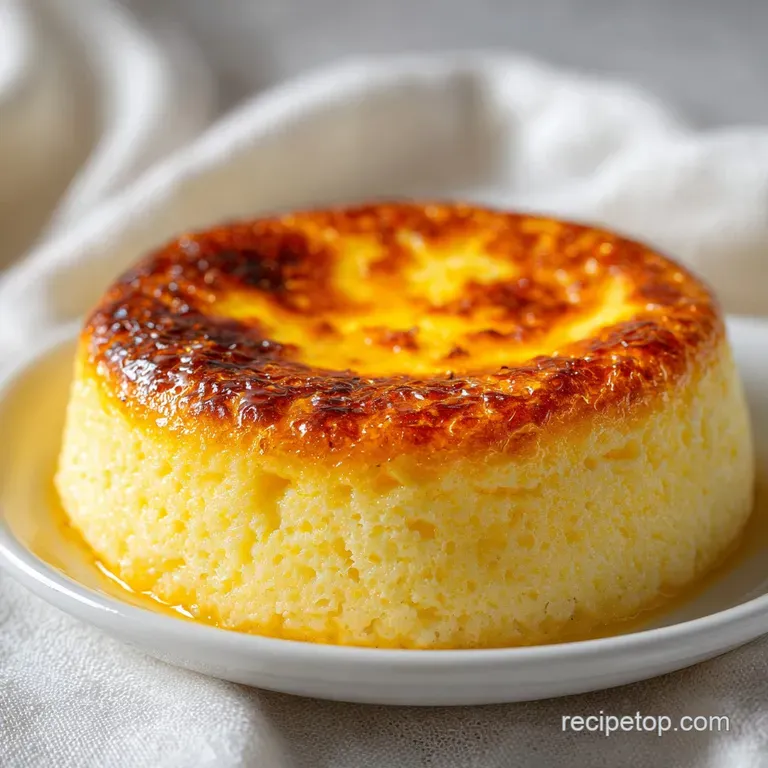
- Time: 25 min active + 70 min baking = Total 95 min
- Flavor/Texture Hook: Sharp, salty cheddar with a buttery, smooth crumb
- Perfect for: Holiday brunch or a cozy Southern style side dish
- Baked Cheese Grits
- The Secret to the Structure
- Breakdown of Every Ingredient
- Essential Kitchen Tools
- Ingredient List & Swaps
- Step by Step Method
- Avoiding Common Grit Mistakes
- Troubleshooting Common Issues
- Creative Flavor Variations
- Saving and Reheating Leftovers
- Plating and Serving Ideas
- High in Sodium
- Recipe FAQs
- 📝 Recipe Card
The smell of toasted corn and melting cheddar filling a kitchen is something that just feels like home, even if you didn't grow up in the South. I remember the first time I had this at a family gathering; it wasn't just a side dish, it was the center of the table.
There is something about the way the cheese bubbles and browns in the oven that turns a simple porridge into a celebration.
For a long time, I just made grits on the stove. They were fine, but they lacked that specific, comforting density you get from a bake. I spent a few weekends playing with the ratios, realizing that the key isn't just more cheese, but how you set the proteins to keep it from becoming a puddle on the plate.
You can expect a side that's rich, savory, and holds its shape. This version of Baked Cheese Grits strikes a balance between the creamy soul of traditional porridge and the satisfying bite of a corn casserole. It's a budget friendly way to make a meal feel special without needing fancy ingredients.
Baked Cheese Grits
The beauty of this dish is that it relies on humble pantry staples. You don't need a specialized kitchen to get it right, just a bit of patience while the grits simmer. Whether you're serving this for a lazy Sunday morning or as a partner to a heavy protein, it brings a level of comfort that's hard to beat.
I've found that the biggest mistake people make is rushing the stovetop part. If you don't cook the grits fully before they hit the oven, you'll end up with a gritty texture that never quite disappears. Trust the process, keep the heat low, and let the corn do its thing.
Right then, let's get into why this specific method works so well. It's all about the transition from liquid to solid, and how we use fat and protein to lock in that creamy mouthfeel.
The Secret to the Structure
The reason this casserole doesn't just collapse is due to a few simple mechanisms. Most people think the cheese does all the work, but the eggs are the real heroes here.
- Protein Binding: Beaten eggs act as a glue, setting the grits into a sliceable form as they bake.
- Starch Gelatinization: Slow simmering the grits first ensures the starch granules swell and burst, creating a silky base.
- Fat Distribution: Butter and whole milk coat the corn particles, preventing them from clumping and adding a velvety texture.
- Surface Dehydration: The oven heat evaporates moisture from the top layer, allowing the parmesan to form a crisp, golden crust.
Since we're dealing with a budget friendly approach, it's helpful to see how the "Fast" method compares to this "Classic" approach.
| Feature | Fast Method (Instant) | Classic Method (Stone Ground) | Best For |
|---|---|---|---|
| Time | 15-20 minutes | 95 minutes | Time vs. Quality |
| Texture | Smooth, almost like paste | Coarse, nutty, and hearty | Texture Preference |
| Flavor | Mild corn taste | Deep, toasted corn aroma | Flavor Depth |
| Stability | Often softer/looser | Firmer, holds shape better | Slicing/Serving |
Choosing stone ground grits is a choice for flavor. According to Serious Eats, the difference in grind size significantly impacts how the starch releases and how much liquid the grain can absorb.
Breakdown of Every Ingredient
Understanding what each part does helps you make smarter swaps if you're missing something in your pantry.
| Ingredient | Science Role | Pro Secret |
|---|---|---|
| Stone Ground Grits | Structural Base | Provides the "bite" and nutty flavor |
| Large Eggs | Binder/Stabilizer | Prevents the casserole from oozing |
| Sharp Cheddar | Primary Flavor/Fat | Use the sharpest you can find for punch |
| Whole Milk | Emulsifier/Moisture | Adds richness that water alone can't provide |
Essential Kitchen Tools
You don't need a professional setup, but a few specific tools make the process smoother.
- Heavy bottomed saucepan: This is non negotiable. Thin pans create hot spots that will burn the grits at the bottom before the middle is cooked.
- Whisk: Essential for the first few minutes to stop clumps from forming.
- 8x8 inch baking dish: The standard size for this yield to ensure the depth is correct for a 70 minute bake.
- Spatula: For smoothing the top and folding in the cheese.
Ingredient List & Swaps
Here is everything you need. I've focused on budget friendly options that don't sacrifice the final result.
- 1 cup (160g) stone ground white grits Why this? Better texture and flavor than instant
- 2 cups (480ml) whole milk Why this? Essential for that velvety feel
- 2 cups (480ml) water
- 1 tsp (6g) salt
- 4 tbsp (57g) unsalted butter
- 2 cups (225g) sharp cheddar cheese, shredded Why this? High flavor impact per ounce
- 1/2 cup (50g) parmesan cheese, freshly grated
- 2 cloves (6g) garlic, minced
- 1 tsp (3g) garlic powder
- 2 large (100g) eggs, lightly beaten
- 1/4 cup (30g) parmesan cheese (for the topping)
| Original Ingredient | Substitute | Why It Works |
|---|---|---|
| Whole Milk | Evaporated Milk | Similar fat content. Note: Slightly more concentrated flavor |
| Sharp Cheddar | Pepper Jack | Same melting properties. Note: Adds a spicy kick |
| Stone Ground Grits | Instant Grits | Much faster. Note: Texture is smoother, less "hearty" |
| Unsalted Butter | Salted Butter | Same fat. Note: Reduce added salt by 1/2 tsp |
I usually recommend grating your own cheese. Pre shredded stuff is coated in potato starch to stop it from clumping in the bag, but that same starch can make your Baked Cheese Grits feel slightly grainy.
Step by step Method

Let's crack on with the cooking. Pay close attention to the sensory cues, as they tell you more than the timer ever will.
- Boil the liquids. Combine water, milk, and salt in your saucepan and bring to a gentle boil. Note: Don't let it boil over, keep it at a steady simmer.
- Whisk in grits. Slowly pour in the stone ground white grits while whisking constantly. Do this until the mixture is smooth and no lumps remain.
- Simmer and stir. Reduce heat to low. Stir occasionally for about 20-30 minutes until the grits are thick, tender, and have absorbed most of the liquid.
- Integrate the fats. Remove the pan from the heat. Stir in the butter and the first batch of sharp cheddar and parmesan. Mix until the cheese is fully melted and the grits look glossy.
- Add aromatics. Fold in the minced garlic and garlic powder. Note: Adding garlic at the end keeps the flavor bright.
- Bind with eggs. Gradually whisk in the beaten eggs. Stir until the batter is homogenous and a pale yellow color.
- Prep the oven. Preheat your oven to 350°F (175°C). Grease your 8x8 inch dish with butter or non stick spray.
- Fill the dish. Pour the mixture into the dish and smooth the top with a spatula.
- Top and bake. Sprinkle the remaining parmesan over the top. Bake for 60-75 minutes until the edges are browned and pulling away from the sides, and the top has a firm, golden brown crust.
Chef's Note: If you want a more intense crust, you can turn on the broiler for the last 2 minutes, but watch it like a hawk so the cheese doesn't burn.
Avoiding Common Grit Mistakes
Even a simple recipe can go sideways if you're not careful. Most issues with Baked Cheese Grits come down to temperature or timing.
Troubleshooting Common Issues
| Issue | Solution |
|---|---|
| Why Your Grits Are Grainy | This usually happens because the grits weren't simmered long enough on the stove. The starch needs time and heat to break down. If they feel sandy, you can't fix it in the oven, so make sure they're t |
| Why the Top Isn't Crispy | This is often a result of too much moisture on the surface or an oven that isn't truly at 350°F. Ensure your parmesan is finely grated so it melts and browns evenly rather than staying in clumps. |
| Why Your Grits Feel Rubbery | Over beating the eggs or baking the casserole for too long can lead to a rubbery texture. Once the edges pull away and the top is set, take it out immediately. |
Common Mistakes Checklist:
- ✓ Did you whisk the grits in slowly? (Prevents lumps)
- ✓ Is the pan heavy bottomed? (Prevents scorching)
- ✓ Did you remove from heat before adding eggs? (Prevents scrambling)
- ✓ Is the cheese freshly grated? (Ensures smoothness)
- ✓ Did the edges pull away from the dish? (Sign of doneness)
Creative Flavor Variations
Once you've mastered the basic Baked Cheese Grits, you can start playing with the flavor profile. Since the base is quite neutral, it handles bold additions really well.
For a smokier version, replace half of the sharp cheddar with smoked gouda. This gives the dish a campfire quality that pairs beautifully with grilled meats. If you're looking for a kick, fold in some diced jalapeños or a teaspoon of chipotle powder during the stovetop phase.
If you're planning a full brunch spread, this side is a dream. I love serving it alongside Sourdough Cinnamon Rolls for a sweet and salty contrast. If you want something more dinner oriented, this is a fantastic pairing for Marry Me Salmon, as the rich grits balance the garlic butter sauce.
- If you want it creamier
- Add an extra 1/4 cup of whole milk during the simmer.
- If you want more "pop"
- Add 1/2 teaspoon of smoked paprika.
- If you want it leaner
- Swap whole milk for 2% milk, but be aware the texture will be slightly less velvety.
Saving and Reheating Leftovers
Baked Cheese Grits actually hold up surprisingly well in the fridge, though they lose a bit of that "shatter" on the crust.
Storage Guidelines Place leftovers in an airtight container and keep them in the fridge for up to 4 days. If you're not going to eat them within a week, you can freeze them. Slice the casserole into squares, wrap them individually in foil, and freeze for up to 3 months.
Reheating Tips The best way to bring them back to life is in the oven. Place a slice on a baking sheet and heat at 350°F (175°C) for about 10-15 minutes. This helps crisp the edges back up.
A microwave works in a pinch, but the texture will be softer and more like traditional porridge.
Zero Waste Tips Don't throw away those leftover cheddar rinds! Toss them into a pot of simmering vegetables or a homemade soup. The rinds add a deep, savory umami flavor and a bit of thickening power to any broth.
Also, if you have a bit of the grit mixture left in the pan, scoop it out and fry it in a skillet for a quick, cheesy breakfast patty.
Plating and Serving Ideas
Presentation is where you can really make this budget friendly dish look high end. Since the casserole is quite dense, clean lines are your friend.
Let the dish rest for 10-15 minutes before slicing. This is the "Precision Checkpoint" that separates a messy scoop from a perfect square. Use a sharp knife to cut the casserole into 10 equal portions.
For a rustic look, serve a square of grits on a wooden board with a drizzle of hot honey or a dollop of sour cream. If you're serving it as a side, place it next to a pile of sautéed collard greens or grilled shrimp. The golden brown top provides a great visual contrast to the bright greens of a vegetable side.
Right then, you're all set. This recipe is a testament to the fact that simple ingredients, when treated with a bit of patience, can create something truly special. Just remember: simmer low, whisk well, and don't skimp on the sharp cheddar. Happy cooking!
High in Sodium
920 mg 920 mg of sodium per serving (40% 40% of daily value)
The American Heart Association recommends a limit of 2,300mg of sodium per day for most adults to maintain heart health.
Tips to Reduce Sodium
-
Reduce Added Salt-25%
Omit or significantly reduce the 1 tsp of added salt; the cheeses already provide a substantial amount of sodium.
-
Swap the Cheddar-15%
Use a low-sodium sharp cheddar or reduce the amount of cheddar cheese by one-third.
-
Limit Parmesan-15%
Reduce the total amount of parmesan cheese used for mixing and topping, or substitute part of it with nutritional yeast for a similar nutty flavor.
-
Verify Garlic Powder-5%
Ensure you are using pure garlic powder and not garlic salt, which contains significant added sodium.
-
Enhance with Herbs
Add freshly cracked black pepper, chives, or smoked paprika to add depth and flavor without increasing sodium.
Recipe FAQs
Can I use instant grits instead of stone ground?
No, stick with stone ground. Instant grits lack the structural integrity needed for baking and often result in a mushy, porridge like consistency.
How to prevent lumps when adding the grits?
Slowly whisk in the grits while the milk and water mixture is at a gentle boil. Continuous whisking ensures the grains disperse evenly before they thicken.
Is it true that you can just bake the grits without simmering them on the stove first?
No, this is a common misconception. Stovetop simmering is essential to break down the starches; skipping this step leaves the grits gritty and undercooked even after baking.
Can I make these in advance and reheat them?
Yes, they reheat well. Store them in an airtight container in the refrigerator and warm them in the oven at 350°F to restore the golden brown crust.
Why are my baked grits grainy?
Simmer the grits longer on the stove. Graininess is usually a sign that the stone ground grits didn't have enough time or heat to fully soften before being moved to the oven.
What should I serve with baked cheese grits?
Pair them with a savory protein. These rich grits balance well with spicy or salty dishes, similar to the flavor profile of a crispy homemade meal.
How to tell when the grits are fully baked?
Bake until the edges brown and begin pulling away from the sides of the baking dish. The top should be set and have a firm, golden brown parmesan crust.
Baked Cheese Grits