Authentic Yakisoba Noodles Recipe
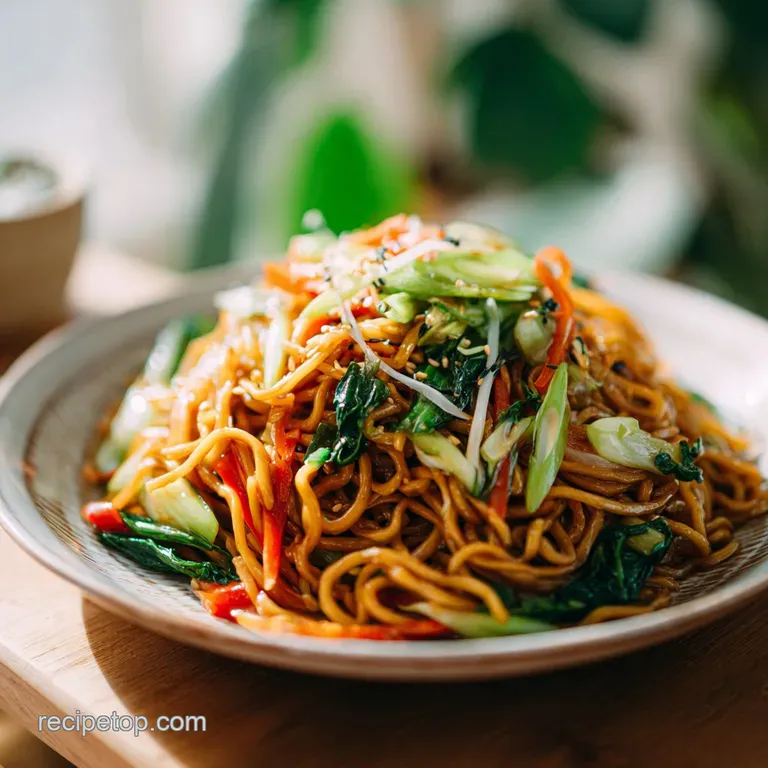
- Time: Active 15 minutes, Passive 10 minutes, Total 25 minutes
- Flavor/Texture Hook: Savory sweet glaze with crispy edged noodles
- Perfect for: Quick weeknight dinners or simple family meals
- Understanding the Science Behind Your Perfect Results
- Essential Recipe Specs for a Quick Dinner
- The Building Blocks of Traditional Japanese Stir Fry
- Equipment Needed for the Best Possible Sear
- Key Steps to Achieve a Smoky Noodle Char
- Troubleshooting Guide for Common Stir Fry Mistakes
- Creative Twists and Swaps for Modern Palates
- Myths About Japanese Stir Fry
- Make-Ahead and Leftover Tips for Busy Families
- Very High in Sodium
- Recipe FAQs
- 📝 Recipe Card
Understanding the Science Behind Your Perfect Results
The magic of this recipe isn't just luck, it's basic physics and chemistry working in your favor. When you master these small details, the whole dish changes from "okay" to "restaurant quality" instantly.
- Surface Area Heat: Using a wide pan allows moisture to evaporate instantly, preventing the "steaming" effect that makes noodles mushy.
- Fat Emulsification: The small amount of ketchup and sugar in the sauce acts as a binder, helping the oil and soy sauce cling to the noodles.
- Maillard Reaction: Searing the pork belly first renders out high-quality fat, which then browns the noodles and vegetables through intense chemical browning.
To get the most out of your kitchen time, it helps to know how different methods affect the final plate. While the classic stovetop method is our go to for speed, there are other ways to handle the heat.
| Method | Time | Texture | Best For |
|---|---|---|---|
| Stovetop Wok | 10 minutes | Maximum char, crisp veggies | Authentic street food feel |
| Large Skillet | 12 minutes | Even browning, softer cabbage | Beginners with standard gear |
| Electric Griddle | 8 minutes | Teppan style, very crispy | Feeding a family of four |
If you find yourself loving the way these flavors come together, you might also enjoy experimenting with different flavor profiles, like the ones found in this and Thai Peanut recipe. Both dishes rely on a perfect balance of salt, sugar, and acid to make the noodles sing.
Essential Recipe Specs for a Quick Dinner
Success starts with understanding what each component does in the pan. We aren't just throwing things together; we're building layers of flavor.
Component Analysis
| Ingredient | Science Role | Pro Secret |
|---|---|---|
| Pre steamed Noodles | Low hydration starch | Microwave for 30 seconds to loosen strands without breaking them. |
| Pork Belly | Lipid delivery | Freeze for 15 minutes before slicing to get those paper thin strips. |
| Cabbage | Moisture control | Use the outer leaves for crunch and inner leaves for sweetness. |
| Sugar | Caramelization agent | Don't skip this, it bridges the gap between the vinegar and the soy. |
Each of these parts has a job to do. The noodles provide the structure, the pork provides the savory base, and the cabbage adds the necessary volume and fresh contrast to the heavy sauce.
The Building Blocks of Traditional Japanese Stir Fry
Gathering your ingredients is the most important part of the process because the cooking happens so fast. Once that oil is hot, you won't have time to go looking for the sugar.
- 300g fresh pre steamed Yakisoba noodles (Mushi Chukamen): These are usually found in the refrigerated section. Why this? They have the perfect "Q" texture and don't require boiling first.
- Substitute: Dried ramen noodles (boiled for 2 mins, drained, and oiled).
- 150g pork belly, sliced paper thin: This renders down into smoky, salty bits of joy. Why this? The fat provides the primary flavor for the entire stir fry.
- Substitute: Sliced chicken thighs or firm tofu strips.
- 2 cups green cabbage, roughly chopped: This is the heart of the dish. Why this? Cabbage holds its structure under high heat better than most greens.
- Substitute: Bok choy or Napa cabbage.
- 0.5 medium onion, sliced: Provides a foundational sweetness. Why this? Onions soften and caramelize at the same rate the pork browns.
- Substitute: Shallots or the white parts of large leeks.
- 1 small carrot, julienned: For a pop of color and earthiness. Why this? Thin strips cook instantly without staying raw or turning to mush.
- Substitute: Red bell pepper strips.
- 2 green onions, cut into 2 inch batons: Added at the end for freshness. Why this? These provide a sharp contrast to the rich sauce.
- Substitute: Chives or a sprinkle of toasted sesame seeds.
- 4 tbsp Japanese Worcestershire sauce: The base of your "homemade" yakisoba sauce. Why this? It contains the complex spices and vinegar needed for authenticity.
- Substitute: Regular Worcestershire mixed with a teaspoon of water.
- 2 tsp dark soy sauce: For that deep, mahogany color. Why this? It adds more color than saltiness compared to light soy.
- Substitute: Regular soy sauce (the dish will just be lighter in color).
- 2 tsp oyster sauce: For body and a hit of savory brine. Why this? It thickens the sauce so it glazes the noodles perfectly.
- Substitute: Vegetarian mushroom sauce.
- 1 tsp ketchup: The secret ingredient for tang and thickness. Why this? The tomato acidity brightens the heavy pork fat.
- Substitute: Tomato paste with a pinch more sugar.
- 1 tsp sugar: To balance the salty soy and acidic vinegar. Why this? Sugar aids in the browning of the noodles.
- Substitute: Honey or brown sugar.
- 1 tbsp neutral oil: Grapeseed or vegetable oil works best here.
- 1 pinch black pepper: For a subtle, woody heat.
Equipment Needed for the Best Possible Sear
You don't need a professional kitchen, but a few specific tools make this much easier. A large wok is ideal because the sloping sides allow you to move ingredients away from the direct heat, but a 12 inch cast iron skillet is a fantastic alternative because it holds heat so well.
You'll also want a pair of long kitchen tongs. I've tried using a spatula, and it just breaks the noodles into tiny pieces. Tongs allow you to lift and shake the noodles, ensuring every strand gets coated in that velvety sauce. Finally,, a small glass bowl is perfect for whisking the sauce together before you start.
Trust me, you don't want to be measuring teaspoons of soy sauce over a steaming pan.
Key Steps to Achieve a Smoky Noodle Char
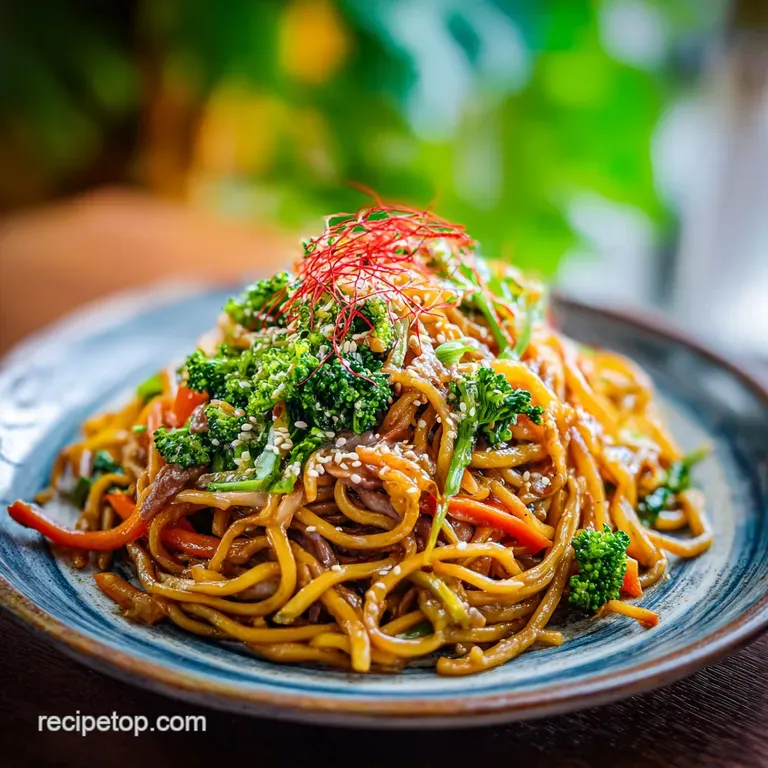
Right then, let's get into the flow of it. This moves fast, so have everything ready to go.
Prep and Mise en Place
- Whisk the Worcestershire sauce, dark soy sauce, oyster sauce, ketchup, sugar, and black pepper in a small bowl. Note: Mixing now prevents the sugar from burning in the pan later.
- Place the pre steamed noodles in a microwave safe bowl and heat for 30 seconds. Note: This softens the oil coating so they separate easily without snapping.
The Searing Secret Technique
- Heat the neutral oil in a large wok over medium high heat until a drop of water flicked into the pan dances and evaporates.
- Add the noodles in a flat layer and let them sit undisturbed for 2 minutes until the bottom is golden and slightly shatter crisp.
- Flip the noodles and sear the other side for 1 minute, then remove them from the pan and set aside. Note: This "double fry" ensures the noodles don't get soggy when you add the sauce.
High Heat Blasting Method
- In the same pan, add the pork belly slices. Fry for 3 minutes until the fat renders and the edges are browned.
- Toss in the onion, carrot, and cabbage. Stir fry for 2 minutes until the cabbage is slightly wilted but still has a snap.
- Return the noodles to the pan and pour the prepared sauce over everything.
The Final Emulsification Step
- Use tongs to toss everything vigorously for 1-2 minutes until the sauce has reduced into a glossy glaze that coats every noodle.
- Add the green onion batons, give it one final toss, and serve immediately.
Troubleshooting Guide for Common Stir Fry Mistakes
Even simple dishes can go sideways. If your dinner doesn't look like the pictures, it's usually a heat management issue.
Fixing Soggy Limp Noodles
This happens when the pan isn't hot enough or you've added too many vegetables at once. The vegetables release water, and if the heat can't evaporate it, the noodles boil in the vegetable juice. To fix this next time, cook in smaller batches or ensure your pan is screaming hot before adding the greens.
Fixing Sour Sauce Flavors
If the sauce tastes too much like vinegar, you likely used a Western style Worcestershire sauce which is more acidic than the Japanese version (like Bulldog brand).
| Problem | Root Cause | Solution |
|---|---|---|
| Breaking Noodles | Cold noodles from fridge | Microwave for 30 seconds to soften the oils before tossing. |
| Bland Taste | No Maillard reaction | Let the noodles sit longer in the pan to develop a crust. |
| Burned Sugar | Heat too high for sauce | Turn heat to medium just before adding the liquid sauce. |
Common Mistakes Checklist
- ✓ Never boil pre steamed noodles; it ruins the springy texture.
- ✓ Pat the vegetables dry after washing to prevent excess steam.
- ✓ Use a neutral oil with a high smoke point (avoid butter or extra virgin olive oil).
- ✓ Don't overcrowd the pan; if the ingredients are more than 2 inches deep, work in two batches.
- ✓ Wait for the pork fat to render completely before adding the vegetables.
Creative Twists and Swaps for Modern Palates
Scaling this recipe is straightforward, but you have to be careful with the moisture levels. If you are doubling the recipe for a family of four, don't just throw twice the cabbage in the pan. The extra volume will drop the temperature of your wok, and you'll end up with steamed noodles instead of fried ones.
Scaling Guidelines
- To scale down (1 serving): Use half the ingredients and a smaller 8 inch skillet. Keep the cook times the same as the heat will dissipate faster.
- To scale up (4 servings): Cook the noodles in two separate batches. Then, cook the meat and veggies in one large batch, and combine everything at the very end with the sauce.
- Liquid Adjustments: When doubling, reduce the total liquid by about 10% to ensure the sauce still thickens properly.
Ingredient Shortcuts and Swaps
| Premium | Budget | Flavor Impact | Savings |
|---|---|---|---|
| Sliced Pork Belly | Ground Pork | More "bits," less smoky chew | Save $4-5 |
| Shiitake Mushrooms | Button Mushrooms | Less earthy depth, same texture | Save $3 |
| Fresh Yakisoba | Instant Ramen | Denser, less springy bite | Save $2 |
Chef's Tip: If you want an extra layer of flavor, add a teaspoon of toasted sesame oil right as you turn off the heat. It adds a nutty aroma that lingers.
Myths About Japanese Stir Fry
One of the biggest misconceptions is that "Yaki" means the dish must contain buckwheat. While "Soba" usually refers to buckwheat noodles, Yakisoba actually uses wheat based noodles similar to Chinese ramen. The name is more about the style of the noodle than the flour used.
Another myth is that you need a specialized "Yakisoba sauce" bottle to get the right flavor. While those are convenient, they are essentially just doctored Worcestershire sauce. By making your own with ketchup and oyster sauce, you actually get a fresher, more vibrant flavor profile that isn't as heavy on preservatives.
make-ahead and Leftover Tips for Busy Families
Storage: This dish stays fresh in the fridge for up to 3 days. The noodles actually absorb more of the sauce as they sit, making them even more flavorful the next day. I don't recommend freezing this, as the cabbage will turn mushy once thawed, losing that vital crunch.
Zero Waste: Don't toss those cabbage cores or carrot peels. You can thinly slice the cabbage cores and sauté them right along with the leaves they just need an extra minute in the pan.
If you have leftover pork belly, it's brilliant the next morning crisped up in a pan and served over white rice with a fried egg.
To reheat, avoid the microwave if possible. Toss the leftovers back into a hot skillet with a teaspoon of water. The steam will loosen the noodles, and the heat will re crisp the pork, bringing that street food texture back to life. It's the perfect way to handle a busy week.
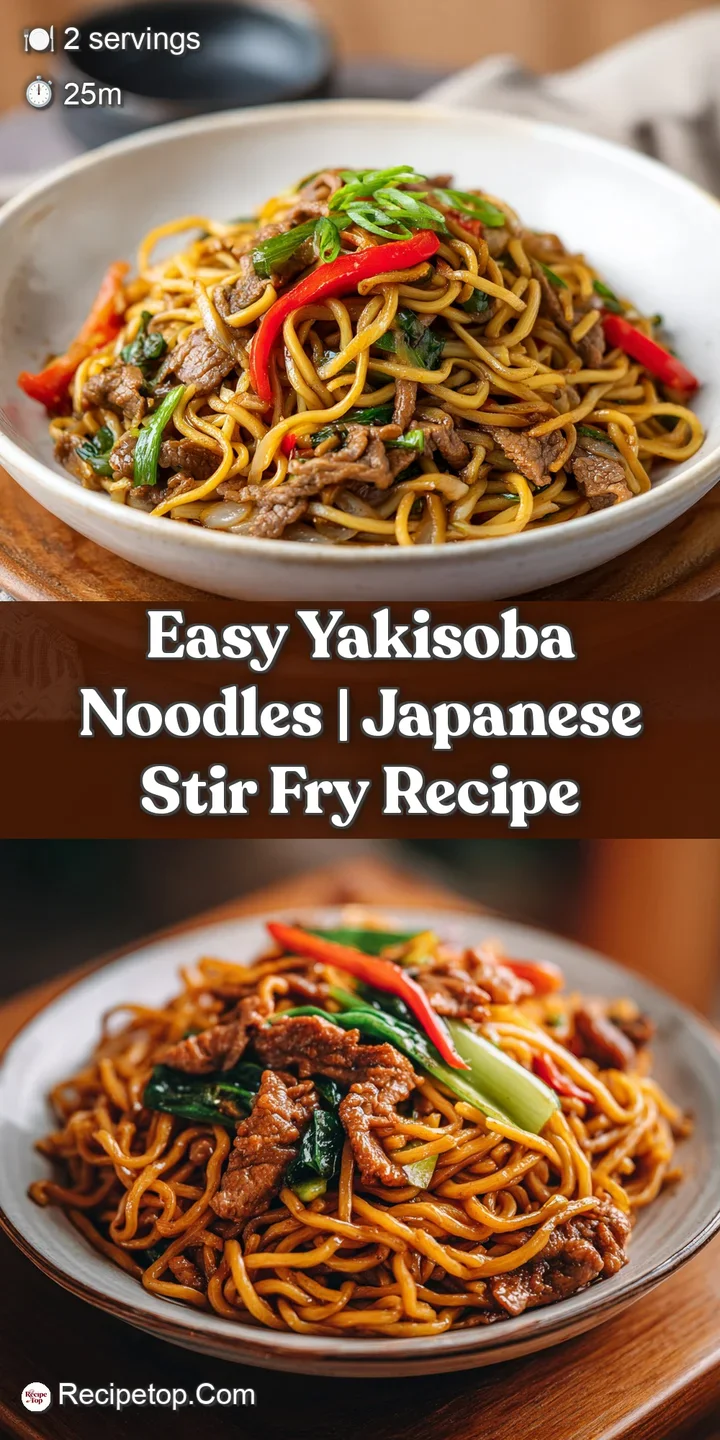
Very High in Sodium
1380 mg mg of sodium per serving (60% of daily value)
The American Heart Association recommends limiting sodium intake to about 2,300mg per day.
Tips to Reduce Sodium in Your Yakisoba
-
Reduce/Replace Soy Sauce-20%
Dark soy sauce is a major sodium contributor. Reduce the amount used by half, or replace it with a low-sodium soy sauce alternative, tamari, or coconut aminos.
-
Limit Oyster Sauce-20%
Oyster sauce is very high in sodium. Reduce the amount significantly, or substitute with a homemade sauce made from low-sodium broth, cornstarch, and a touch of molasses for color and sweetness.
-
Low-Sodium Ketchup-15%
Ketchup contributes to the overall sodium. Use a no-salt added or low-sodium ketchup variety instead of regular ketchup.
-
Less Processed Pork-15%
Pork belly can be high in sodium depending on its preparation. Opt for fresh, unprocessed pork belly and control the seasoning yourself.
-
Noodle Choice-10%
Pre-steamed Yakisoba noodles (Mushi Chukamen) can contain added sodium. Try to find fresh, lower sodium Yakisoba noodles or consider making your own if possible.
-
Enhance with Vegetables
Increase the amount of low-sodium vegetables like cabbage, onion, and carrots to boost flavor naturally and reduce reliance on salty sauces. Consider adding mushrooms or bell peppers.
-
Spice it Up!
Use fresh or dried herbs and spices like ginger, garlic, chili flakes, and white pepper to add flavor without adding sodium.
Recipe FAQs
What are some tips for perfect yakisoba?
Sear the noodles separately first. Let the pre steamed noodles sit on high heat undisturbed for 2 minutes to develop a char before adding other ingredients.
How do you properly cook yakisoba?
Cook in stages: sear noodles, remove, cook pork, then add vegetables and noodles back. This high heat, staggered approach prevents steaming and encourages Maillard browning on the starches.
How to make yakisoba ramen better?
Incorporate rendered pork belly fat and a touch of ketchup into the sauce. The rendered fat carries flavor throughout the dish, and the ketchup adds necessary acid balance to the heavy soy base.
Do I need to boil yakisoba noodles before cooking?
No, never boil pre steamed yakisoba noodles. They are already cooked (mushi chukamen) and boiling them will dissolve their structure, leading to mushy results.
Is it true you must use a wok for authentic yakisoba?
False. A large, heavy bottomed skillet, like cast iron, works nearly as well by retaining enough heat for proper searing.
How do I adjust this recipe when doubling for a large group?
Cook the noodles in separate, smaller batches to maintain high heat. Overcrowding the pan causes moisture release, leading to sogginess instead of the desired sear.
What is the secret ingredient often added to the sauce?
Ketchup is the secret for authentic tangy richness. Its acidity brightens the overall heavy savory flavor profile when combined with Worcestershire sauce.
Yakisoba Noodles Recipe
Ingredients:
Instructions:
Nutrition Facts:
| Calories | 568 kcal |
|---|---|
| Protein | 18.4 g |
| Fat | 34.2 g |
| Carbs | 48.6 g |
| Fiber | 4.1 g |
| Sugar | 9.2 g |
| Sodium | 1380 mg |
